Results
Discover how the Galápagos land iguana recovery program began. From the 1932 translocation to the leadership of Howard and Heidi Snell, this article shows how scientific research, captive breeding, and habitat restoration made possible one of the world's most successful conservation stories.
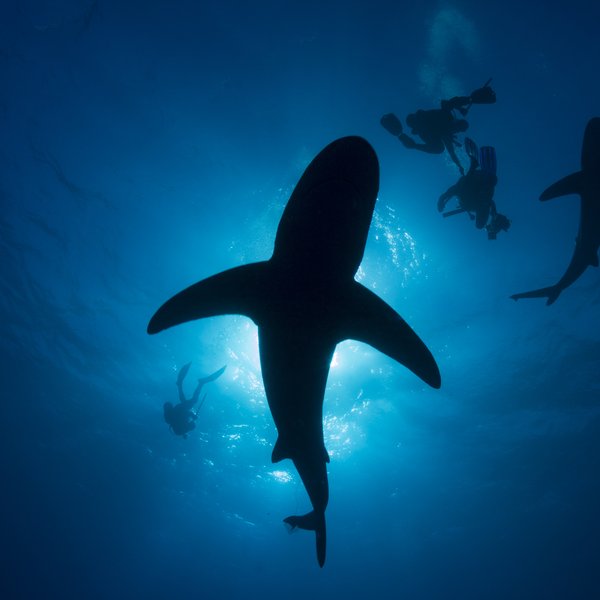
Habla Tiburón is a project that aims to improve the long-term health of shark and ray populations in Ecuadorian waters while empowering fishing communities.
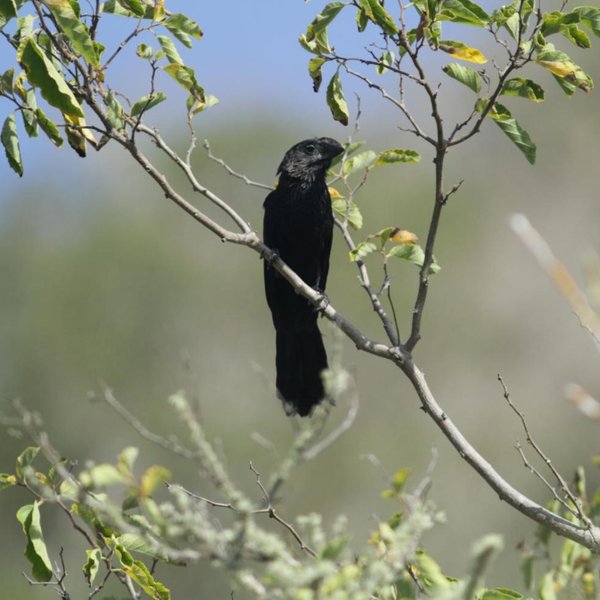
The smooth-billed ani is considered to be the most damaging introduced bird species in Galapagos. Hannah Rickets, at Galapagos Conservation Trust, spoke to PhD student Cristian Poveda about his research into this challenging species.
The smooth-billed ani is considered to be the most damaging introduced bird species in Galapagos. Hannah Rickets, at Galapagos Conservation Trust, spoke to PhD student Cristian Poveda about his research into this challenging species.
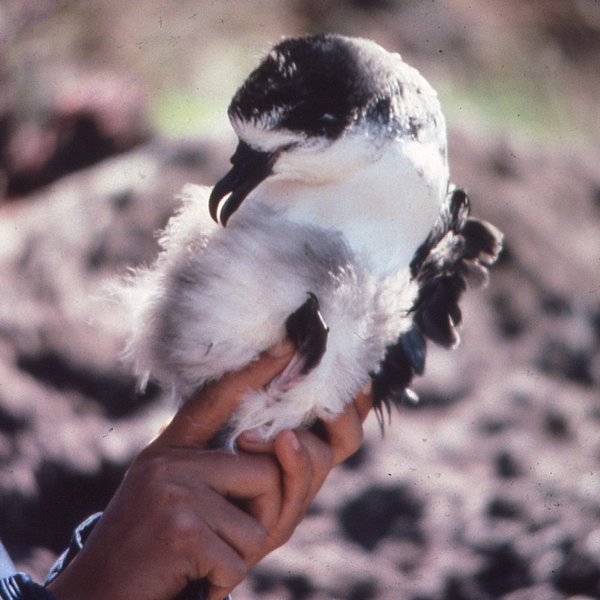
In 1982, a pioneering effort began at Cerro Pajas, Floreana, to protect the critically endangered Galápagos petrel. Scientists, park rangers, and conservation practitioners controlled introduced species, monitored nests, and tested new techniques. The results showed that science, sustained management, and collaboration could improve the breeding success of this threatened seabird population.
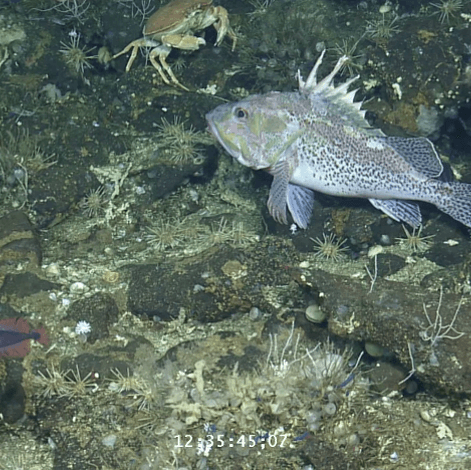
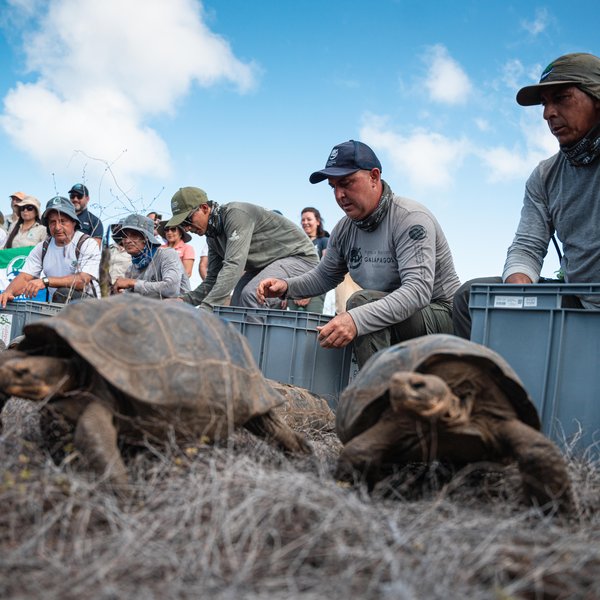
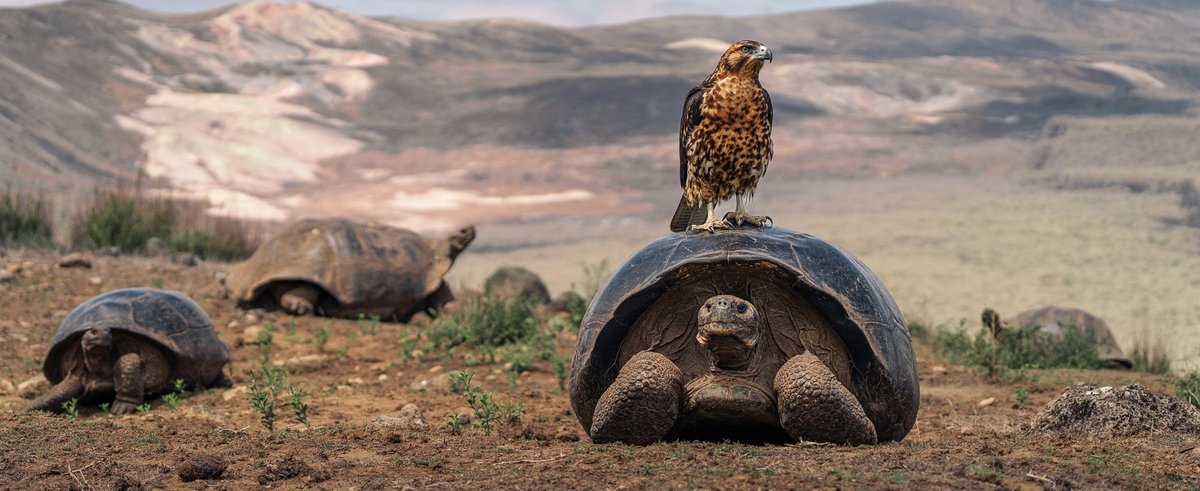
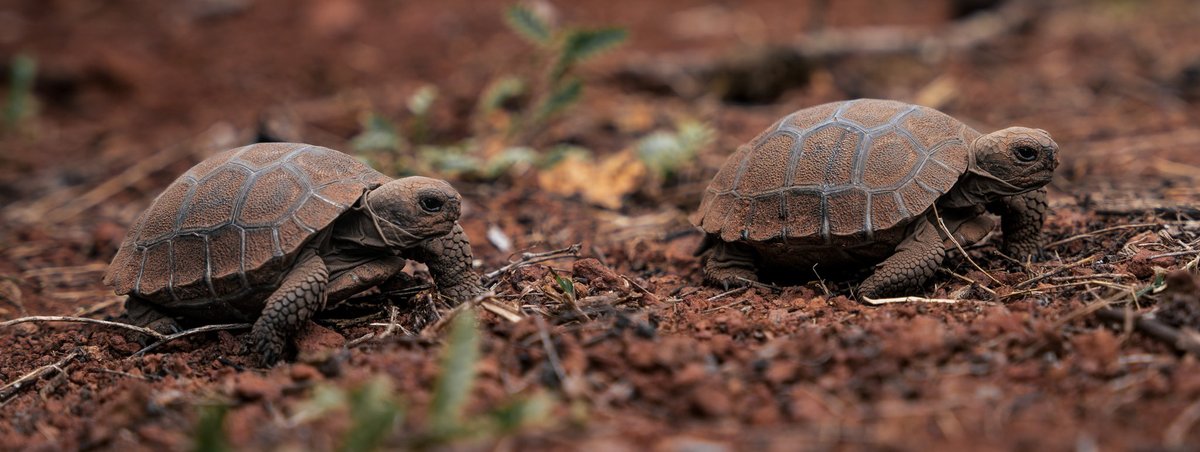
After more than 180 years, 158 endangered giant tortoises have returned to Floreana Island, marking a historic milestone in the Galápagos’ largest restoration effort. Discover how science, community leadership, and global collaboration are bringing back a lost lineage—and rebuilding an entire ecosystem from the ground up.
By donating to the Charles Darwin Foundation and its Research Station, you are helping our scientists continue their research in order to better protect the unique animals and ecosystems of the Galapagos Islands.