Results
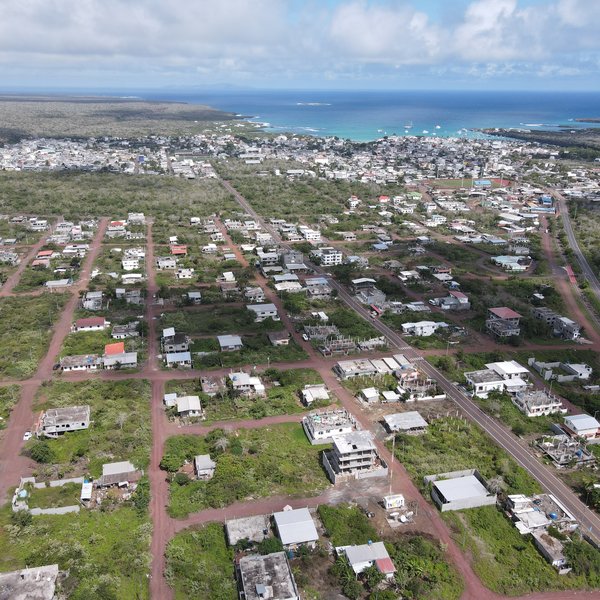
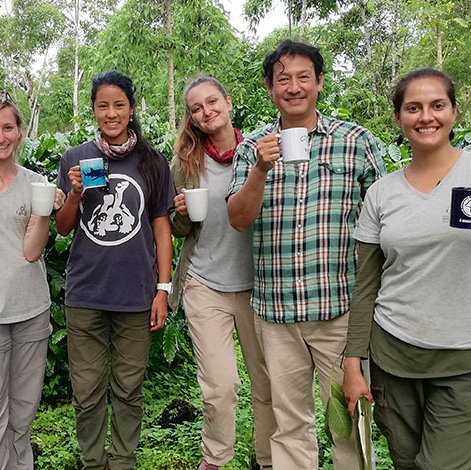
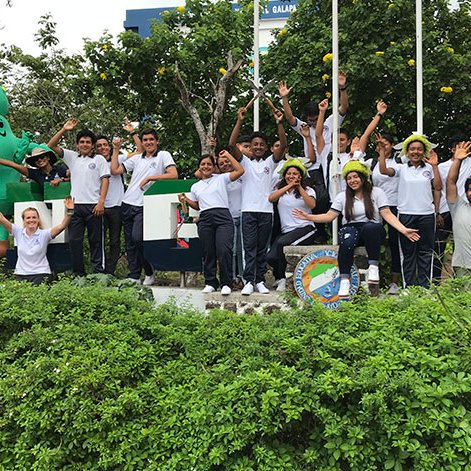
While a mere 3% of the Galapagos Islands are home to people, our presence in this small fraction of the archipelago has put the native vegetation at risk. Our restoration program in urban and rural areas engages the local community in conservation and restoration efforts to secure the long-term health of these unique ecosystems.
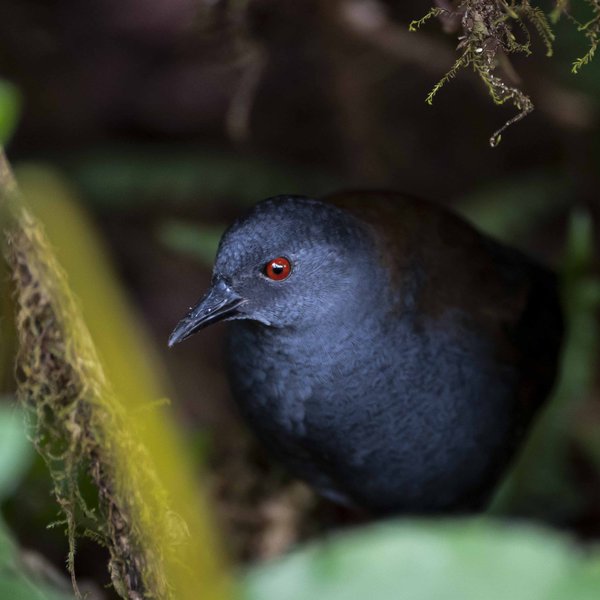
The Galapagos Rail (Laterallus spilonota) has been confirmed on Floreana Island for the first time in 190 years. This follows a 2023 eradication campaign that removed most invasive cats and rats, likely aiding its survival. Researchers will conduct genetic testing to determine if the species recolonized or persisted undetected.
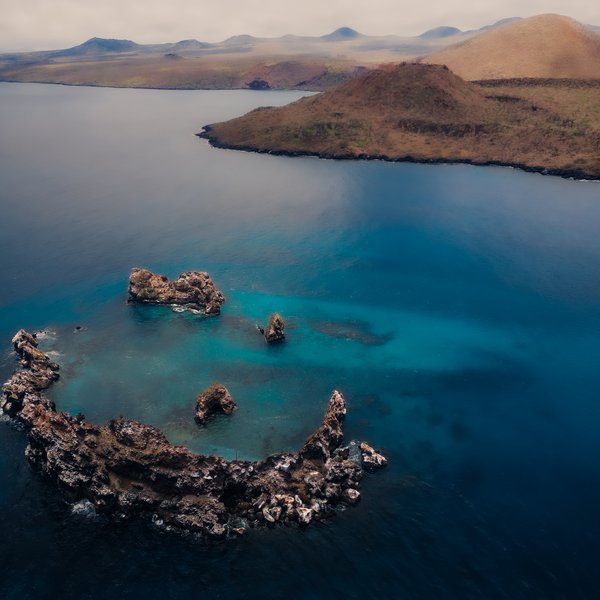
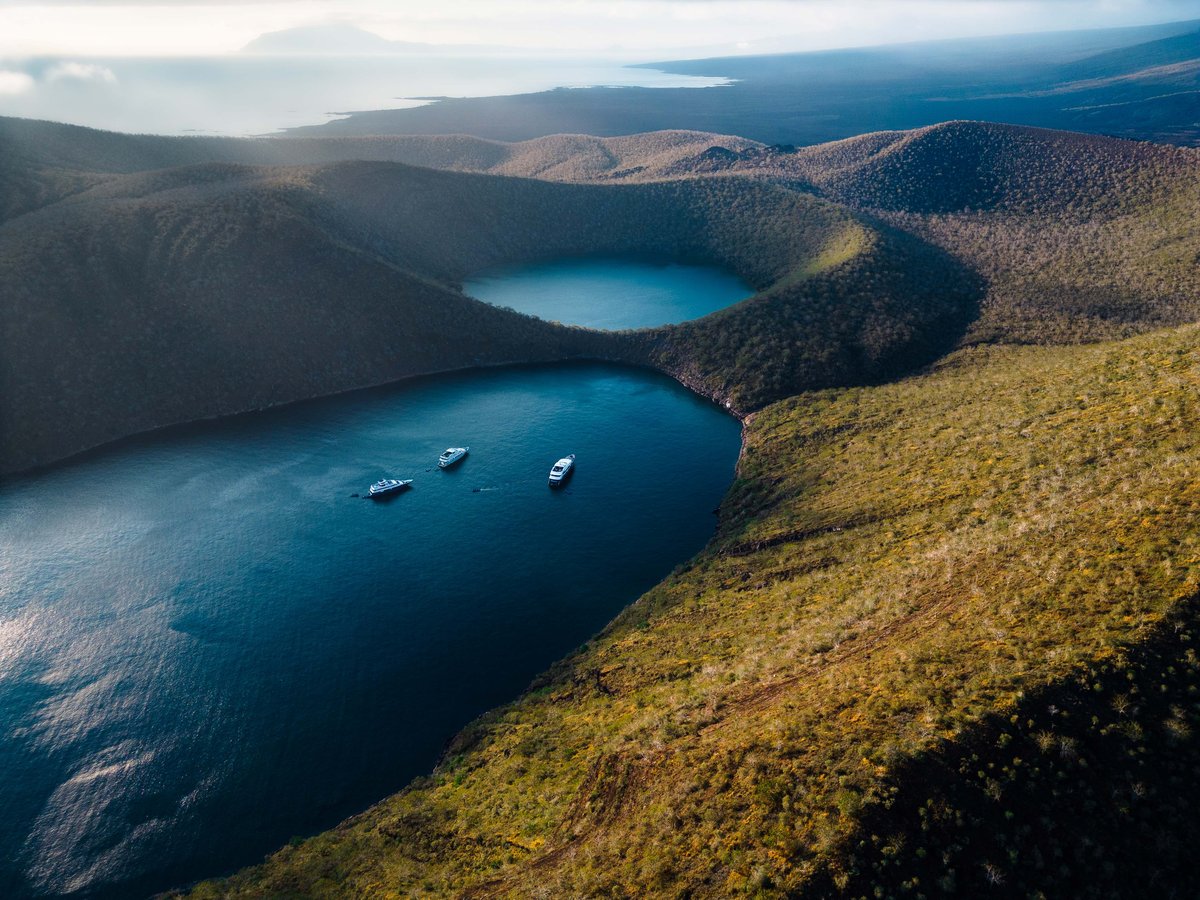
Floreana Island, heavily impacted by introduced species and biodiversity loss, now hosts one of Galápagos’ most ambitious restoration efforts. With a small community and 54 species still threatened, the Floreana Ecological Restoration Project aims to recover the island’s ecological balance through the removal of invasive species and the return of native wildlife.
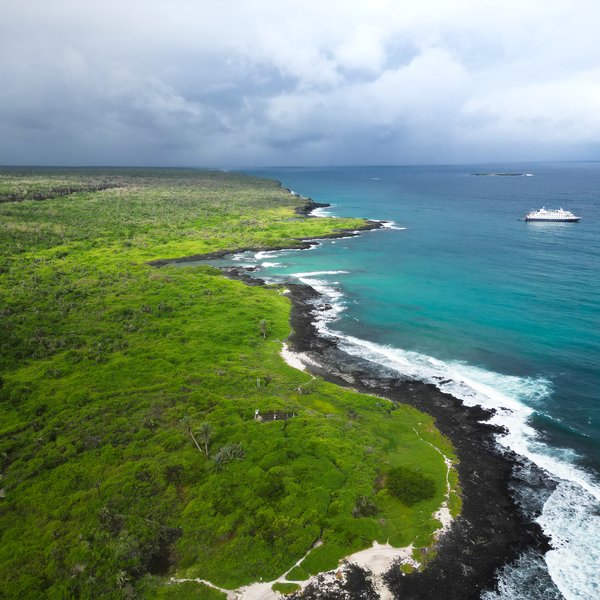
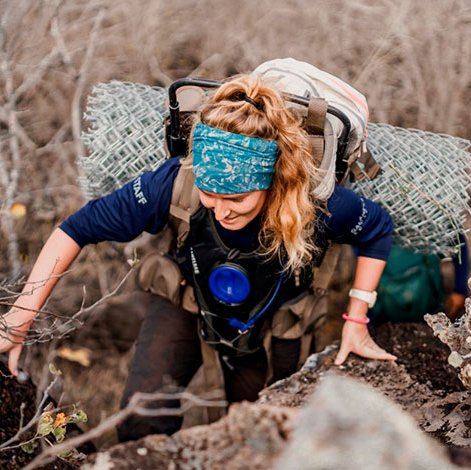
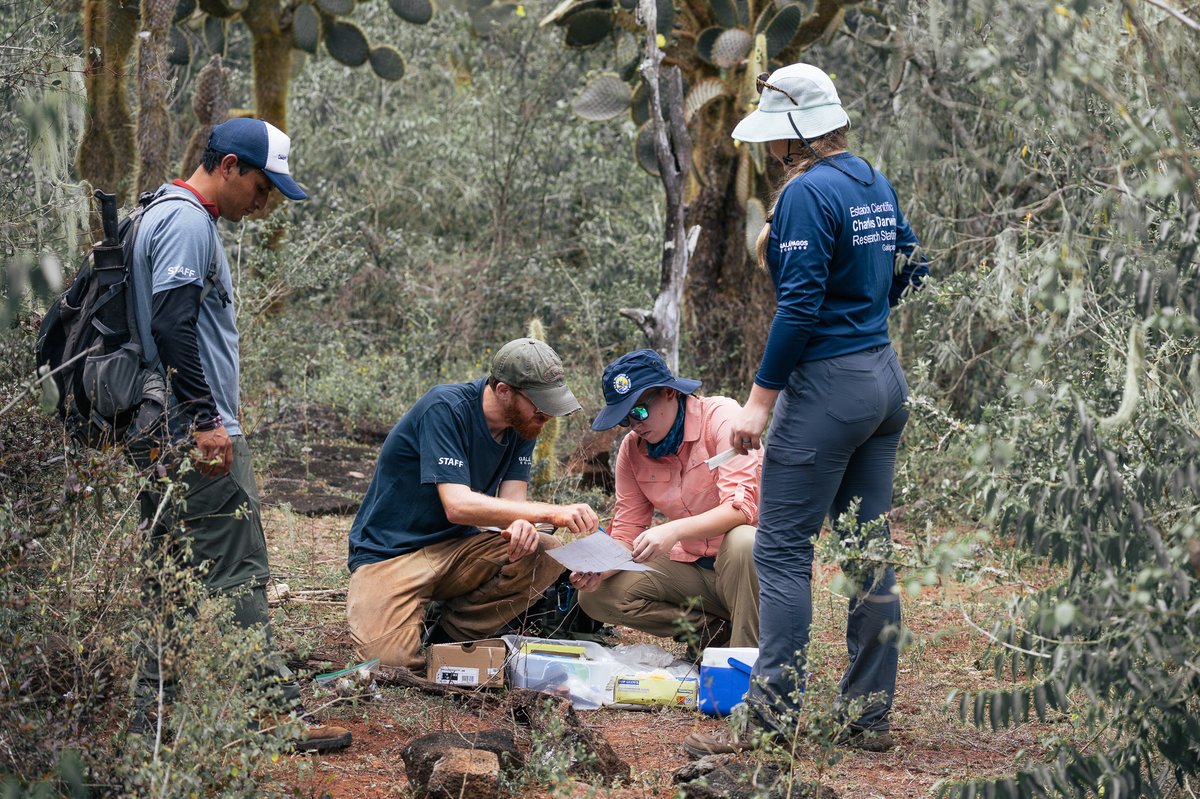
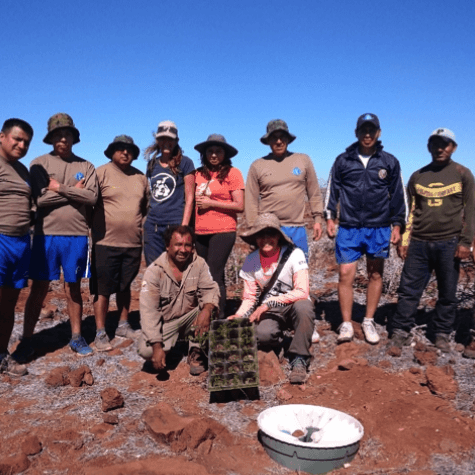
The Charles Darwin Foundation (CDF) is pleased to announce that 16 individuals of the rare plant Scalesia retroflexa were found growing on the steep, rocky coastal slopes of the southeastern point of Santa Cruz Island. Scientists from CDF’s Galapagos Verde 2050 ecological restoration team, in collaboration with rangers from the Galapagos National Park Directorate (GNPD), made this discovery during a recent expedition, renewing hope for the survival of this endemic species.
The Charles Darwin Foundation (CDF) is pleased to announce that 16 individuals of the rare plant Scalesia retroflexa were found growing on the steep, rocky coastal slopes of the southeastern point of Santa Cruz Island. Scientists from CDF’s Galapagos Verde 2050 ecological restoration team, in collaboration with rangers from the Galapagos National Park Directorate (GNPD), made this discovery during a recent expedition, renewing hope for the survival of this endemic species.
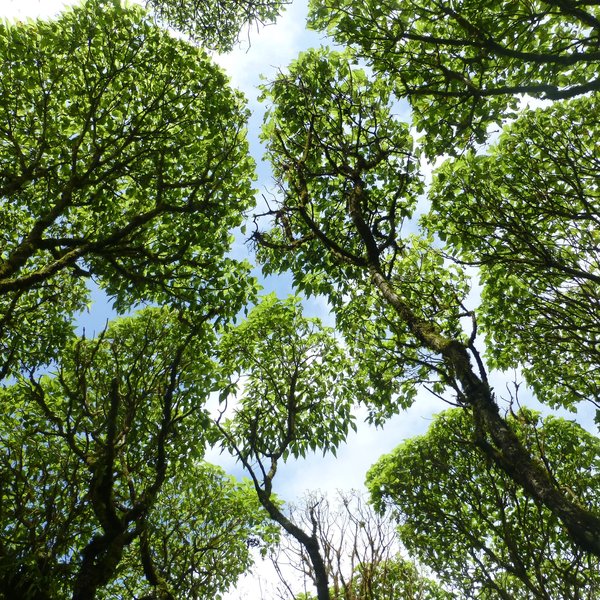
Scalesia forests once thrived on the Galapagos Islands, forming a unique humid ecosystem for plants, insects, giant tortoises and birds. Today, only 1% of the forests’ original distribution remains, with several endemic species, including the Scalesia themselves, struggling to survive. We are working to restore this important habitat and given the rapid rate of forest loss, it is a race against time.
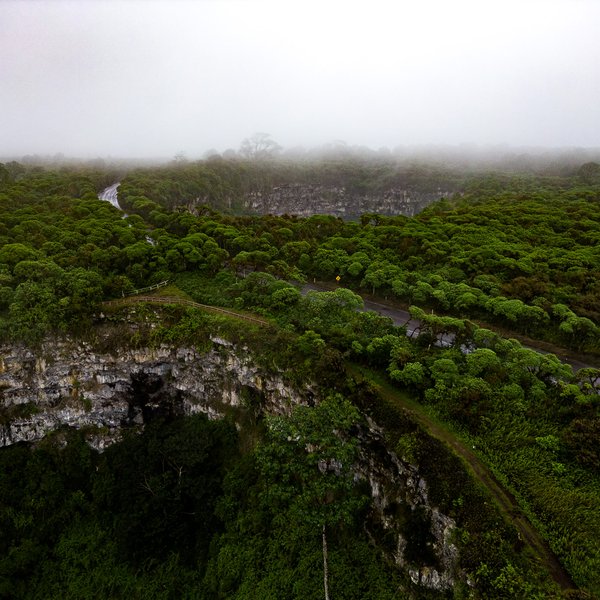
A new international research initiative is investigating how climate change could reshape the Galápagos cloud forests by altering the iconic garúa fog. Discover how scientists will study water, biodiversity, and invasive species to generate the knowledge needed to protect the archipelago’s unique ecosystems and freshwater resources for future generations.
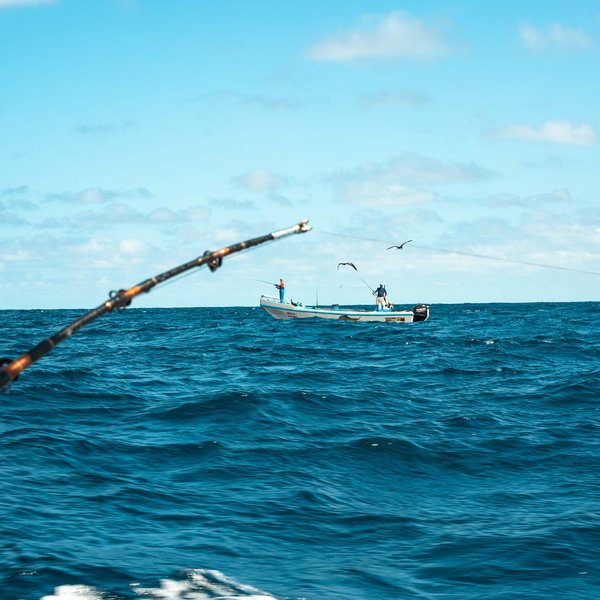
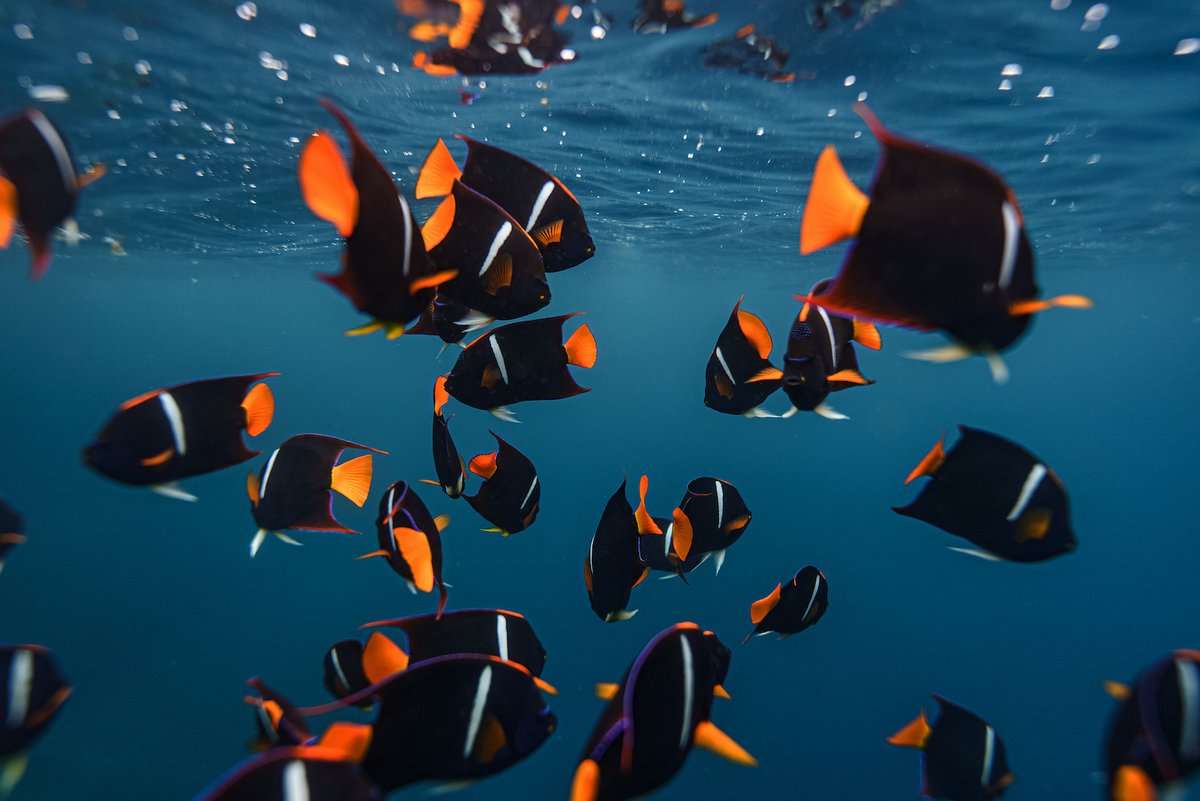
Discover how Galápagos waters fuel Ecuador’s economy and fight climate change. A groundbreaking study by CDF and partners reveals the immense value of marine ecosystems—from carbon-storing mangroves to booming tourism and fishing industries. Learn why protecting these waters is essential for sustainable development and global conservation efforts.
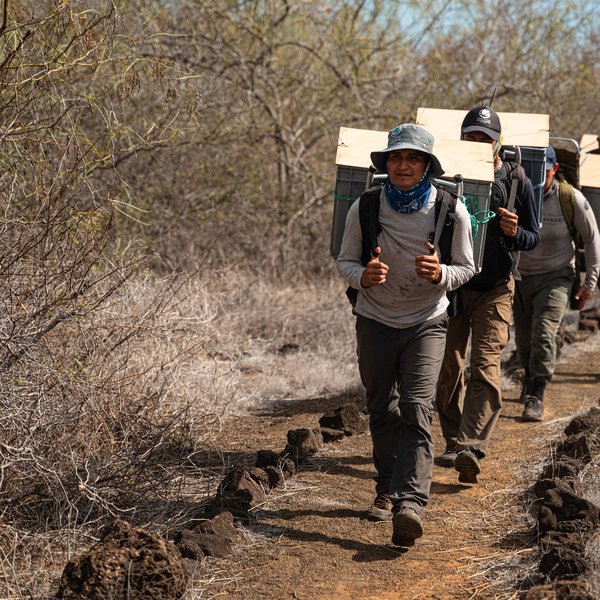
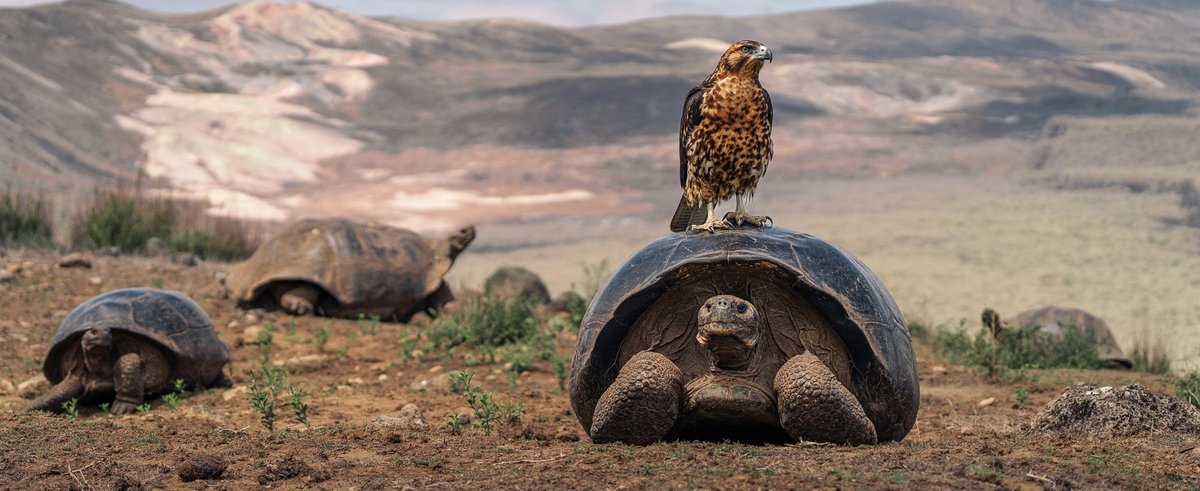
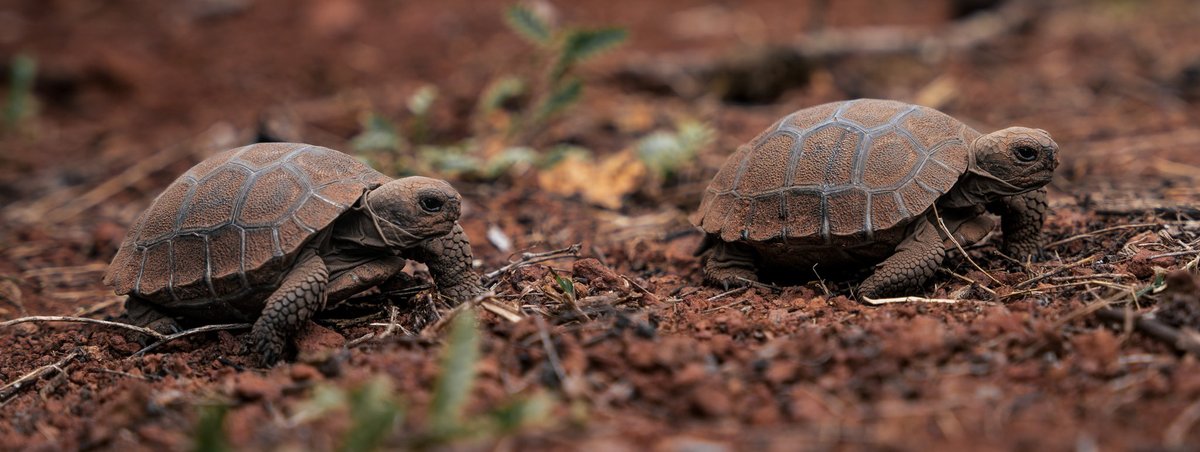
After more than 180 years, giant tortoises have returned to Floreana Island—reviving a lineage once thought extinct. Discover how hybrid tortoises were identified, bred, and carefully reintroduced, and why their comeback marks a turning point for island restoration, ecosystem recovery, and one of Galápagos’ most ambitious conservation efforts.
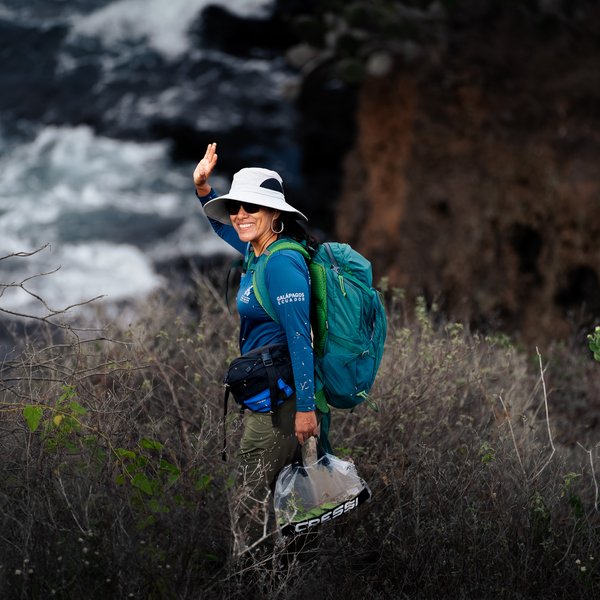
Floreana, the first inhabited island in Galapagos, faces significant environmental challenges due to both direct and indirect human impacts. However, thanks to the coordinated efforts of its community, research groups, local and international conservation organizations, authorities, protected area managers, and donors, it has become a symbol of collective action and hope for the restoration of the archipelago’s biodiversity.
Floreana, the first inhabited island in Galapagos, faces significant environmental challenges due to both direct and indirect human impacts. However, thanks to the coordinated efforts of its community, research groups, local and international conservation organizations, authorities, protected area managers, and donors, it has become a symbol of collective action and hope for the restoration of the archipelago’s biodiversity.
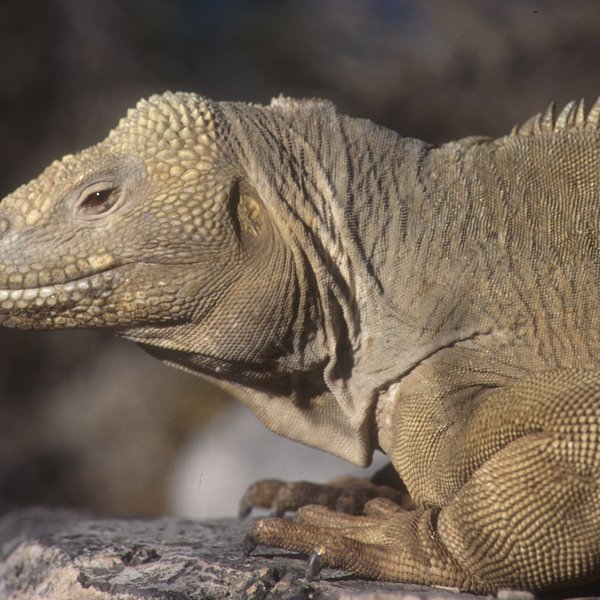
Discover how the Galápagos land iguana recovery program began. From the 1932 translocation to the leadership of Howard and Heidi Snell, this article shows how scientific research, captive breeding, and habitat restoration made possible one of the world's most successful conservation stories.
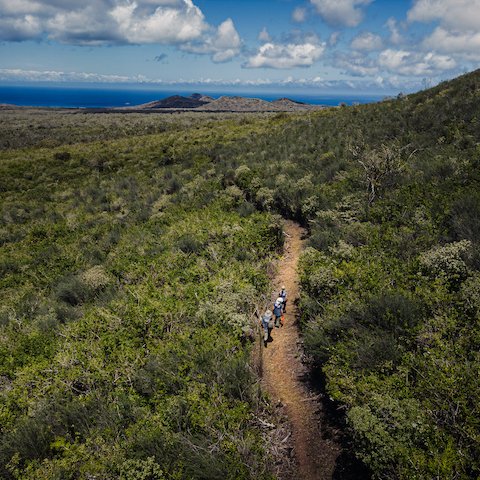
Floreana Island’s past is a gripping tale of utopian dreams undone by invasive species that devastated its wildlife and community. Today, its residents are leading one of the world’s most ambitious restoration efforts—reviving ecosystems, returning lost species, and reshaping their future. Discover the real drama behind Eden and Floreana’s remarkable comeback.
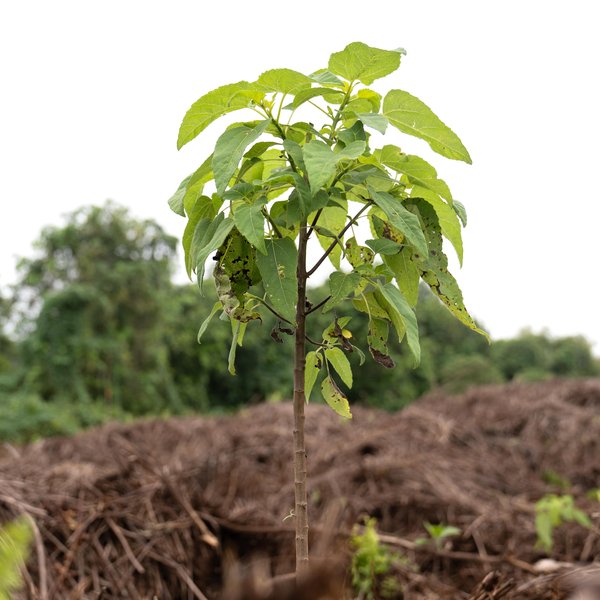
Park rangers from the Galapagos National Park Directorate (GNPD), in collaboration with scientists from the Charles Darwin Foundation (CDF), have discovered two new areas of Scalesia cordata on Sierra Negra volcano, located in southern Isabela Island. This discovery marks a significant milestone in the ongoing efforts to preserve this critically endangered species, which has seen its natural habitat severely reduced.
Park rangers from the Galapagos National Park Directorate (GNPD), in collaboration with scientists from the Charles Darwin Foundation (CDF), have discovered two new areas of Scalesia cordata on Sierra Negra volcano, located in southern Isabela Island. This discovery marks a significant milestone in the ongoing efforts to preserve this critically endangered species, which has seen its natural habitat severely reduced.