Results
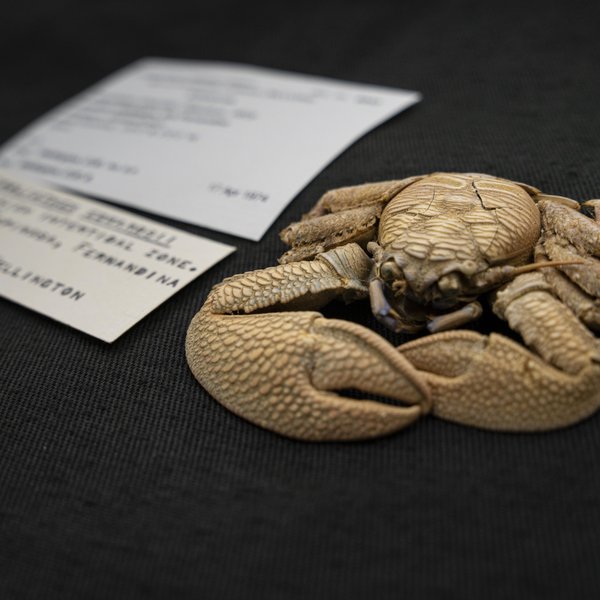
Between 1973 and 1999, marine ecologist Gerard Wellington collected 773 specimens in Galapagos, now housed at the Charles Darwin Research Station. They include the solitary coral named after him, considered possibly extinct until its rediscovery in 2024. His collection provides a historical baseline for measuring how the ocean is changing.
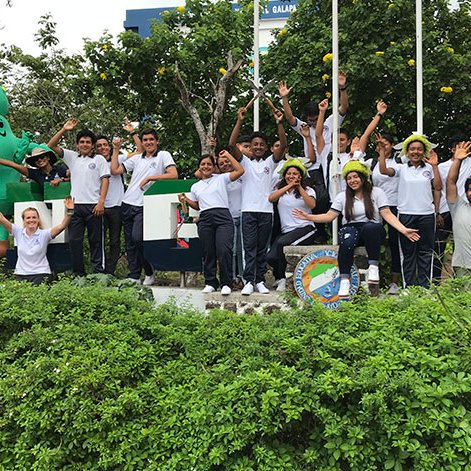
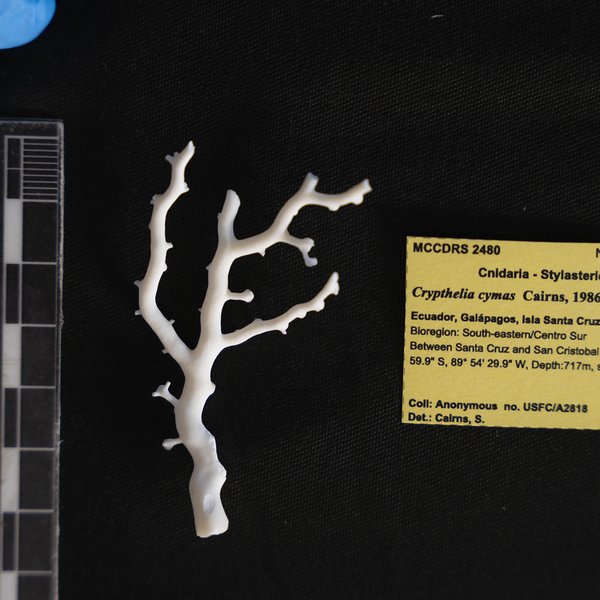
Collected more than 130 years ago, some of the oldest marine specimens from Galápagos are preserved at the Marine Organisms Collection of the Charles Darwin Research Station. These historic corals, gathered during the 1888 Albatross expedition, continue to provide valuable insights into the past and present of Galápagos marine biodiversity, highlighting the importance of scientific collections for research and conservation.
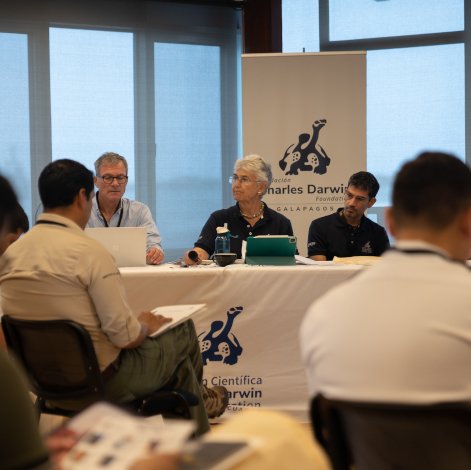
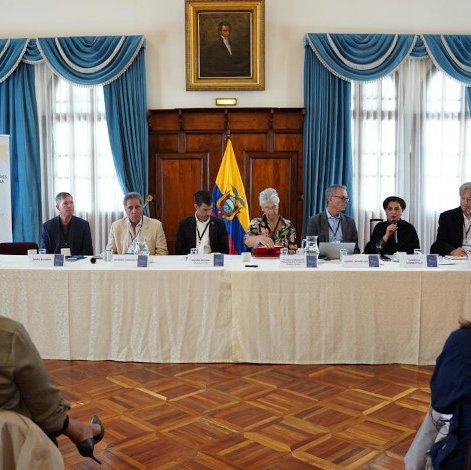
The Charles Darwin Foundation reveals its new mission and launches its 2022 Impact Report during its 52nd General Assembly
Support Galapagos conservation from the US, Switzerland, the Netherlands, Japan, Canada or Germany through independent Friends of Galapagos organisations.
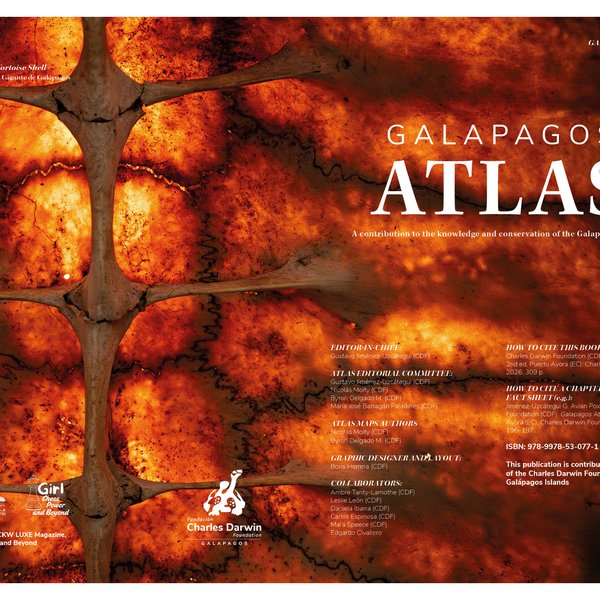
The new Galápagos Atlas 2026 offers a 309-page look at 68 species and species groups, combining purpose-built distribution maps with something rarely found in a reference guide: a clear record of what scientists still don’t know. Free to explore online, it highlights critical knowledge gaps and invites future research to strengthen conservation.
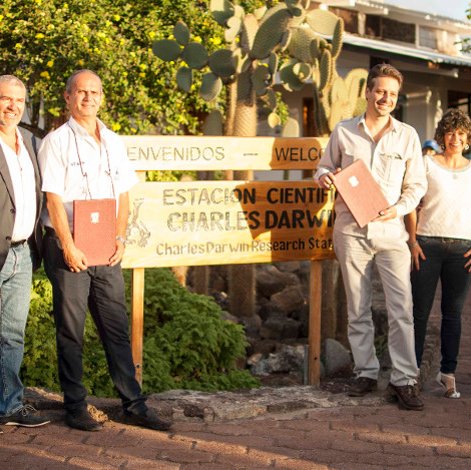
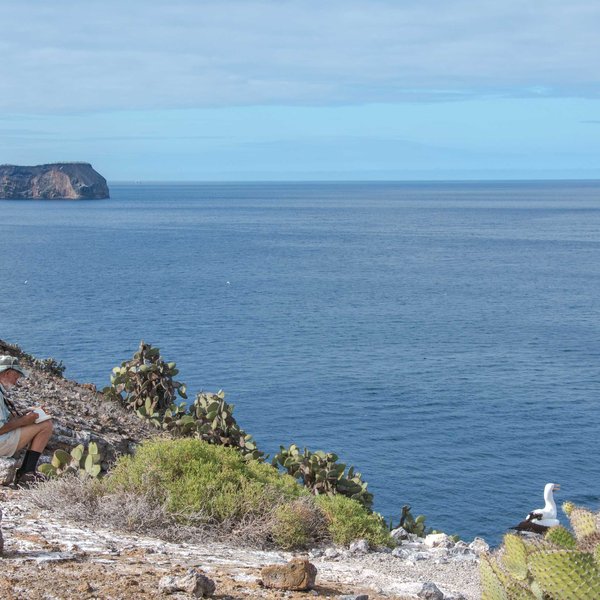
In 1973, evolutionary scientists Peter Grant and Rosemary Grant began a research project in the Galápagos Islands that would permanently change the modern understanding of evolution.
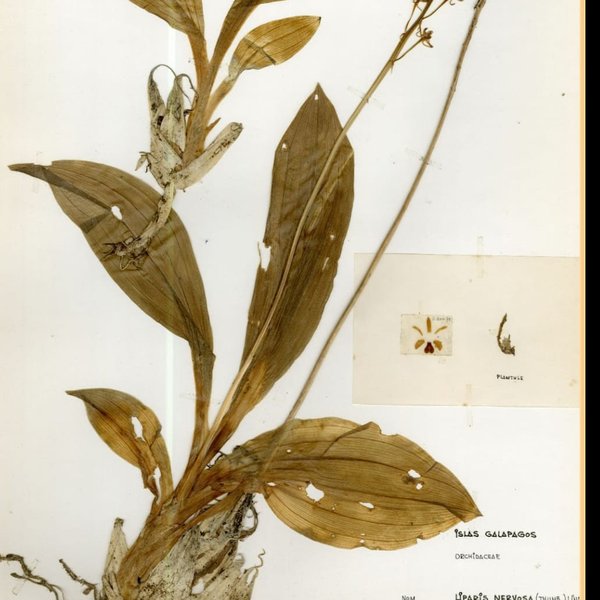
Orchids, art, and perseverance intertwine in this remarkable story of Daniel Weber, a Swiss architect whose passion for botany left a hidden legacy in Galápagos. Decades later, a near-lost orchid collection is rescued against the odds—revealing a powerful journey of science, memory, and the people determined to bring it back.
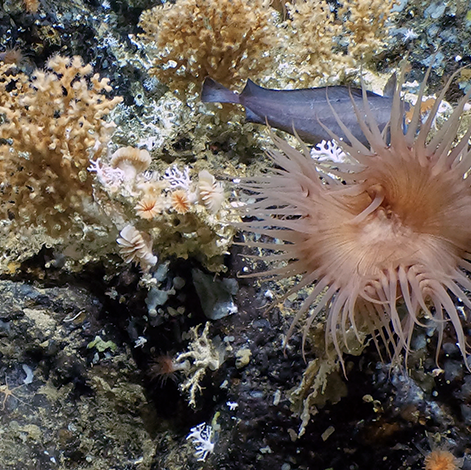
Scientists have discovered extensive, ancient deep-sea coral reefs within the Galápagos Marine Reserve (GMR) – the first of their kind ever to be documented inside the marine protected area (MPA) since it was established in 1998. The first reef observed was found at 400-600m (1,310-1,970 feet) depth at the summit of a previously unmapped seamount in the central part of the archipelago and supports a breathtaking mix of deep marine life.
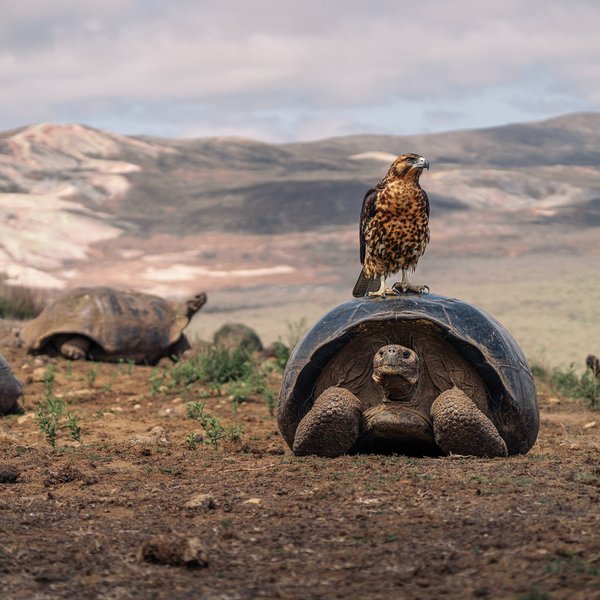
By donating to the Charles Darwin Foundation and its Research Station, you are helping our scientists continue their research in order to better protect the unique animals and ecosystems of the Galapagos Islands.
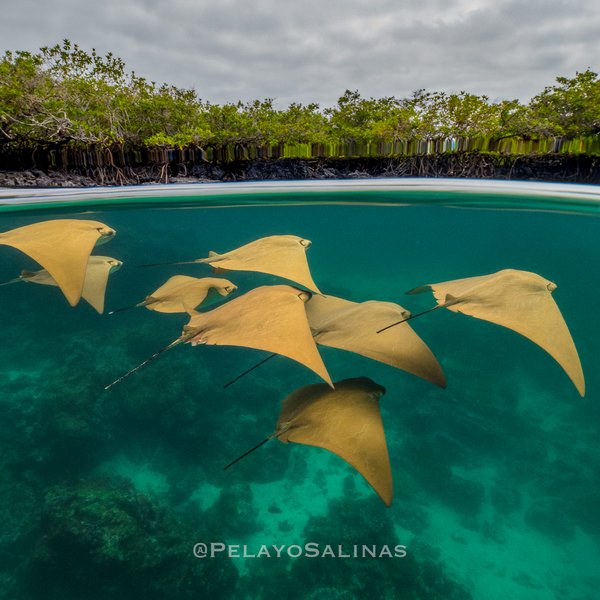
A recent study published in the prestigious scientific journal Global Change Biology reveals that nearly a quarter of chondrichthyan species (cartilaginous fish including sharks, rays, and chimeras) in the Eastern Tropical Pacific (ETP) are highly vulnerable to climate change.