Results
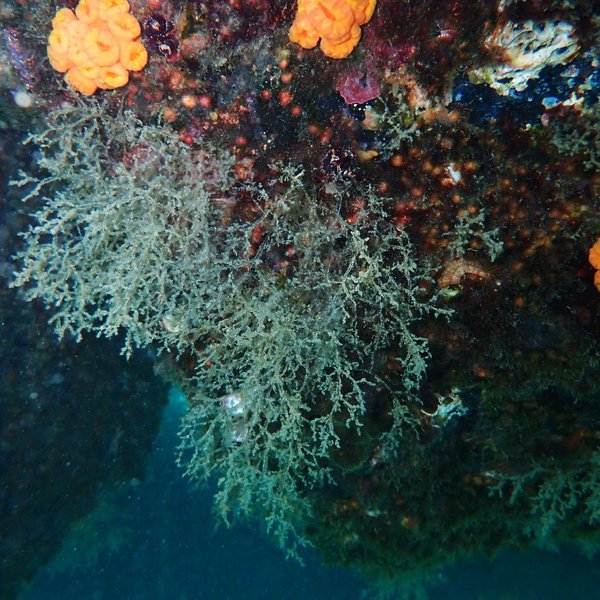
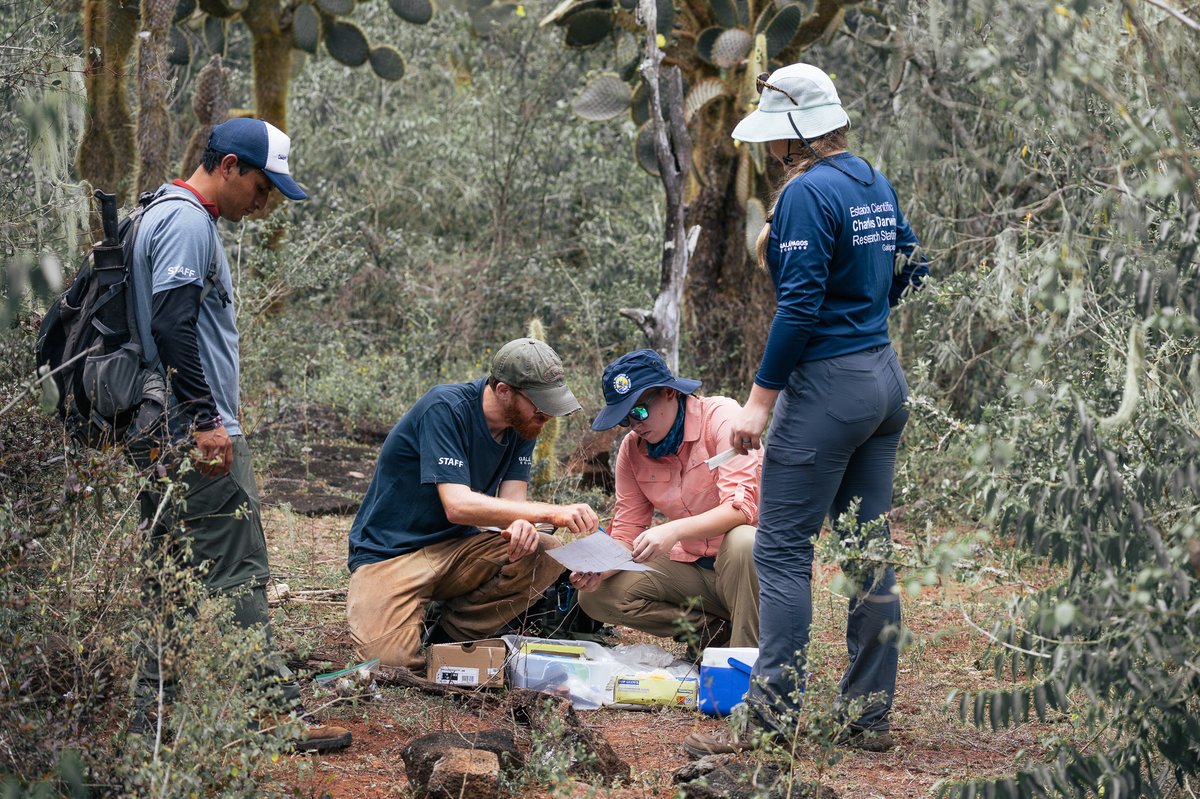
The introduction of alien species is arguably the most important driver of biodiversity loss for oceanic islands. Our work seeks to evaluate the effects of alien invasive species, climate change, and other anthropogenic pressures on the biodiversity of the Galapagos Marine Reserve and the Eastern Tropical Pacific in order to better sustain coastal communities and prevent marine species extinction.
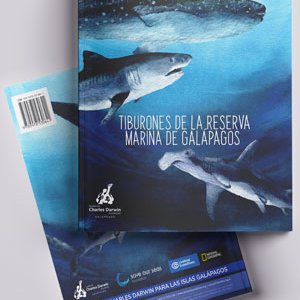
Field guide for kids to identify sharks of the Galapagos Marine Reserve.
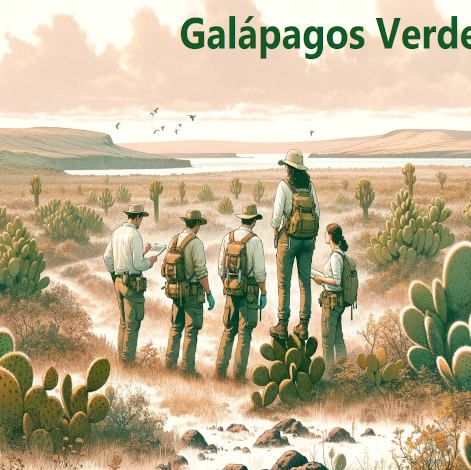
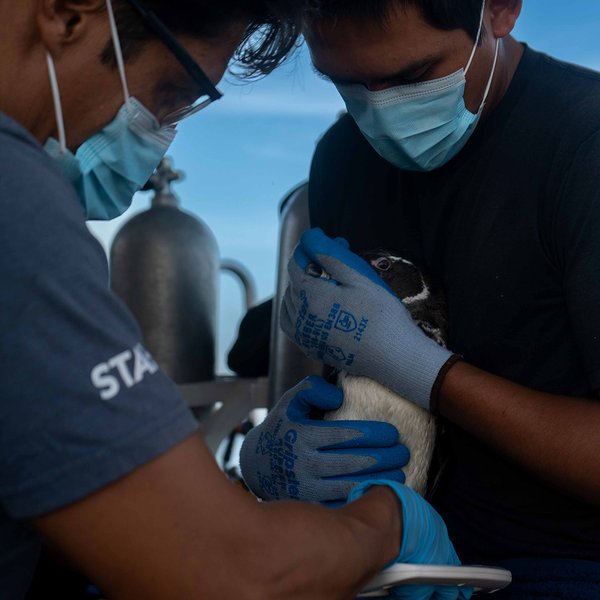
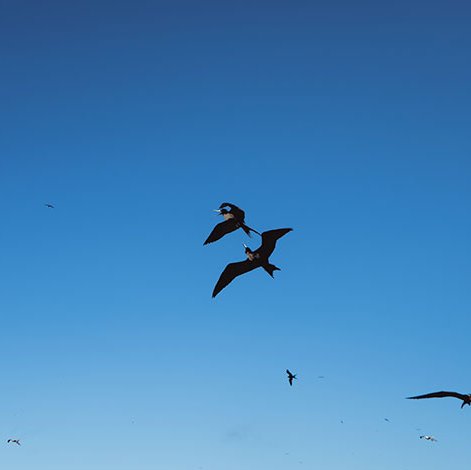
The Galapagos Islands are home to species so unique they exist nowhere else on Earth. Among these are the Galápagos penguin and the flightless cormorant, evolutionary wonders that have adapted to thrive in these remote habitats. But these incredible creatures face mounting challenges from climate change, diseases and invasive species. Protecting them is no easy feat—it takes dedication, resources, scientific knowledge, and action.
The Galapagos Islands are home to species so unique they exist nowhere else on Earth. Among these are the Galápagos penguin and the flightless cormorant, evolutionary wonders that have adapted to thrive in these remote habitats. But these incredible creatures face mounting challenges from climate change, diseases and invasive species. Protecting them is no easy feat—it takes dedication, resources, scientific knowledge, and action.
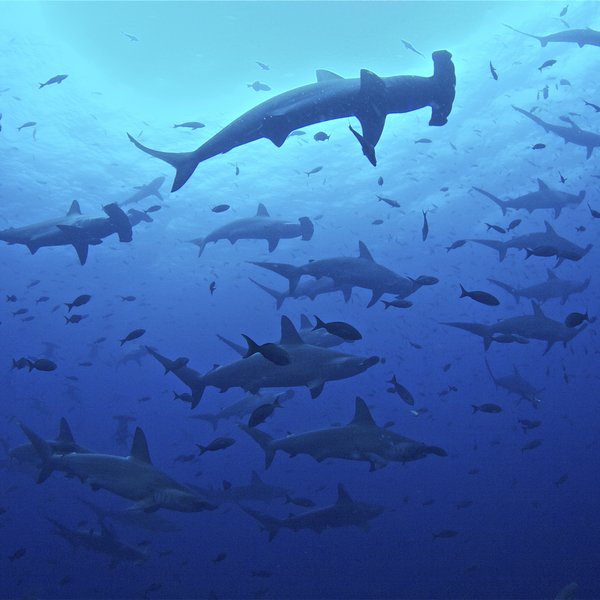
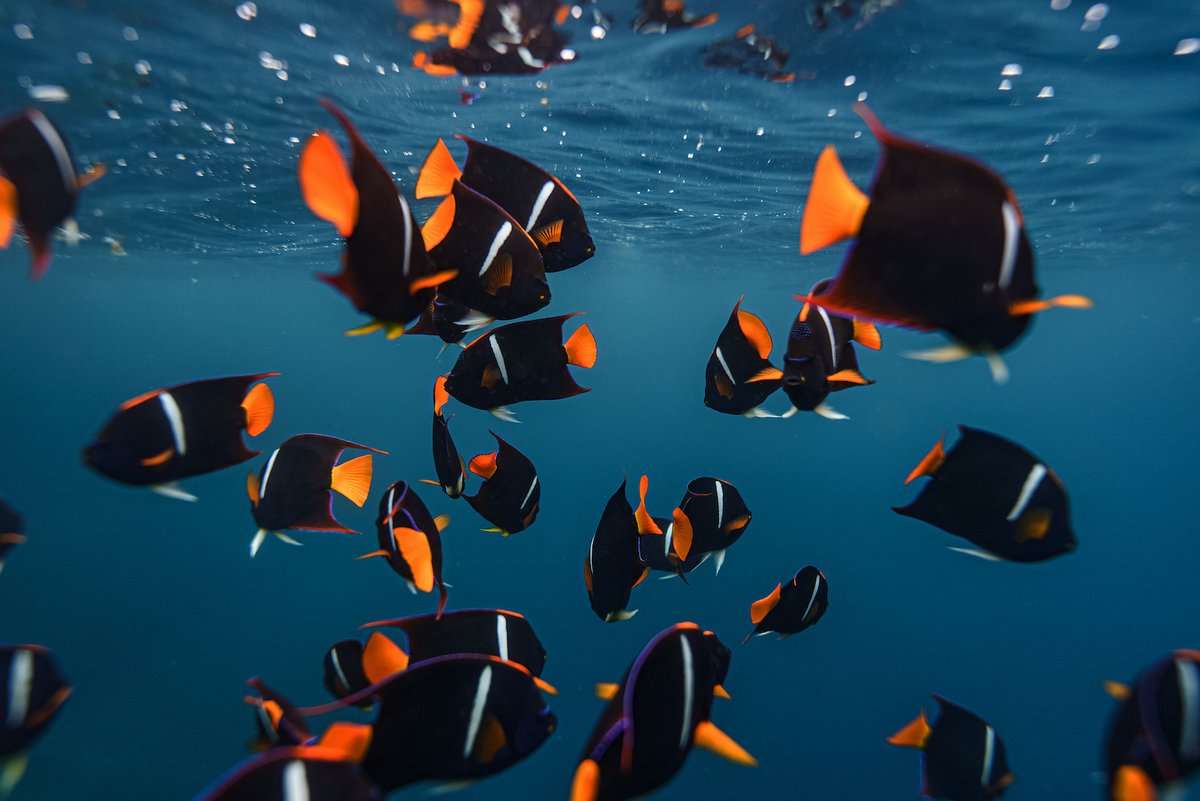
From the heart of the Galapagos, discover how science, community, and conservation unite to protect sharks, turtles, seabirds, and more. Explore the threats, the efforts, and how you can help safeguard our shared blue planet.