Results
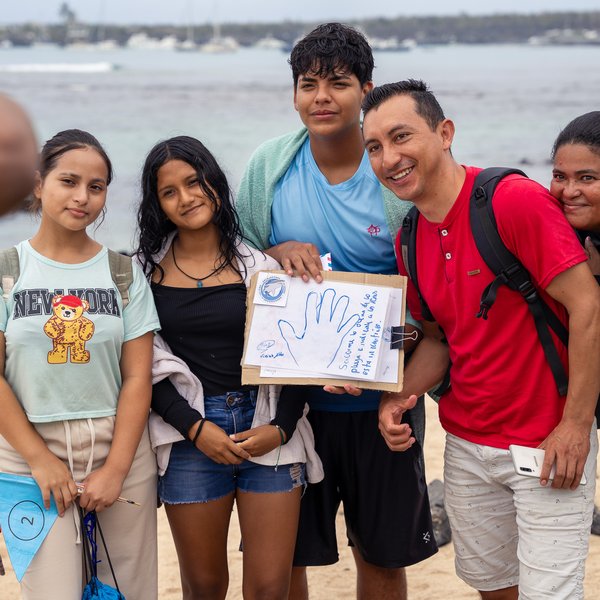
Have you ever thought about what you could do to help nature and people live in harmony? Environmental education offers a simple yet powerful answer. It acts as a bridge that connects learning with action, inspiring us to care for our planet through small steps that, when combined, lead to significant change.
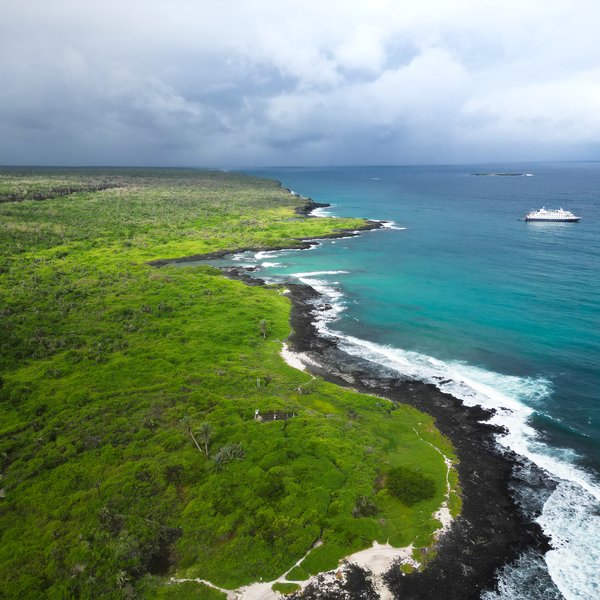
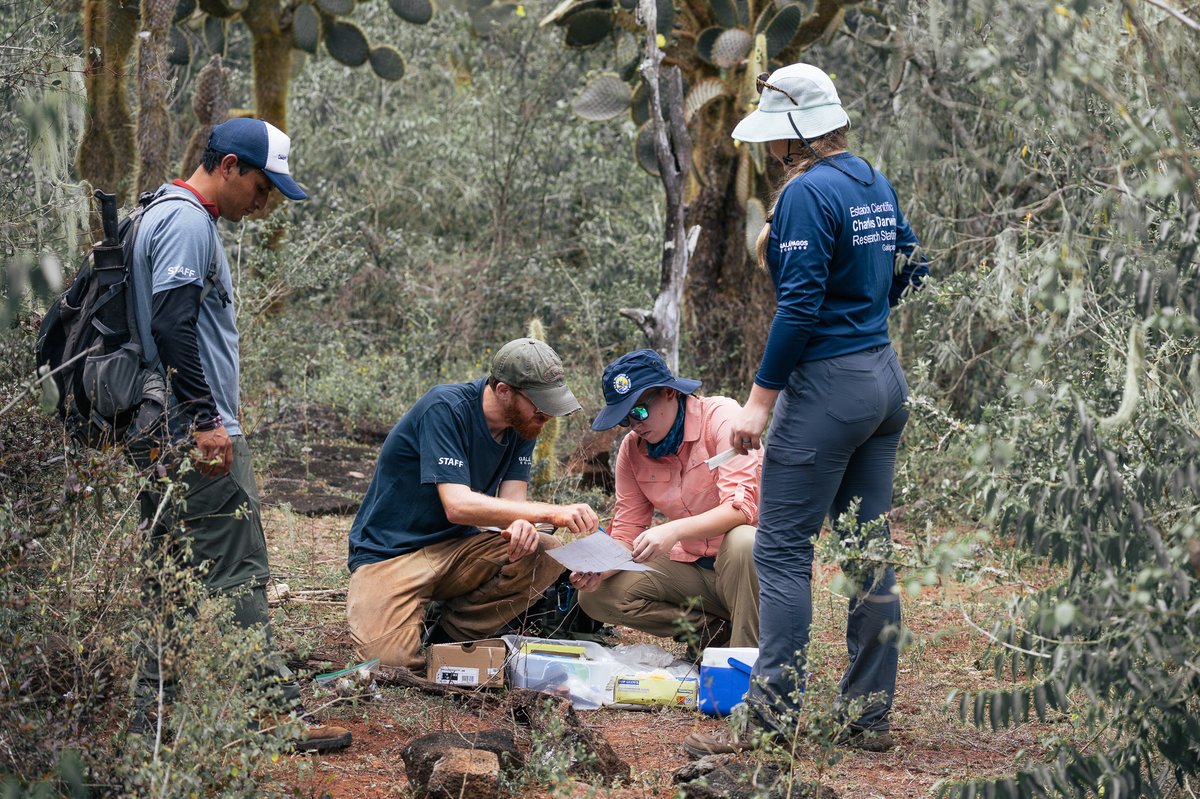
The Charles Darwin Foundation (CDF) is pleased to announce that 16 individuals of the rare plant Scalesia retroflexa were found growing on the steep, rocky coastal slopes of the southeastern point of Santa Cruz Island. Scientists from CDF’s Galapagos Verde 2050 ecological restoration team, in collaboration with rangers from the Galapagos National Park Directorate (GNPD), made this discovery during a recent expedition, renewing hope for the survival of this endemic species.
The Charles Darwin Foundation (CDF) is pleased to announce that 16 individuals of the rare plant Scalesia retroflexa were found growing on the steep, rocky coastal slopes of the southeastern point of Santa Cruz Island. Scientists from CDF’s Galapagos Verde 2050 ecological restoration team, in collaboration with rangers from the Galapagos National Park Directorate (GNPD), made this discovery during a recent expedition, renewing hope for the survival of this endemic species.
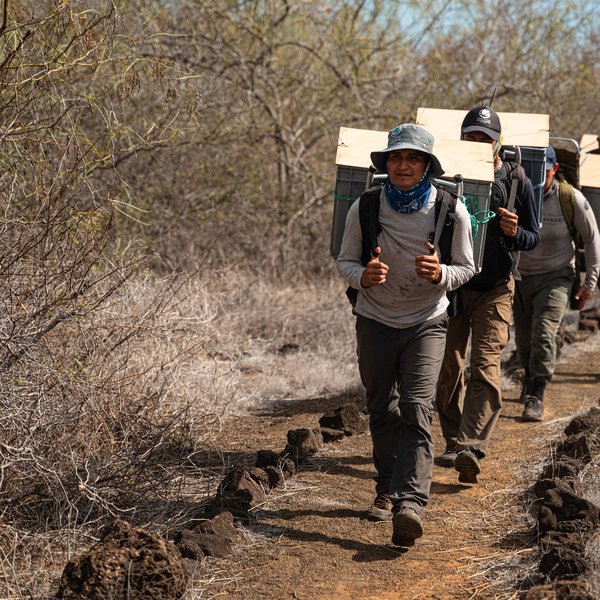
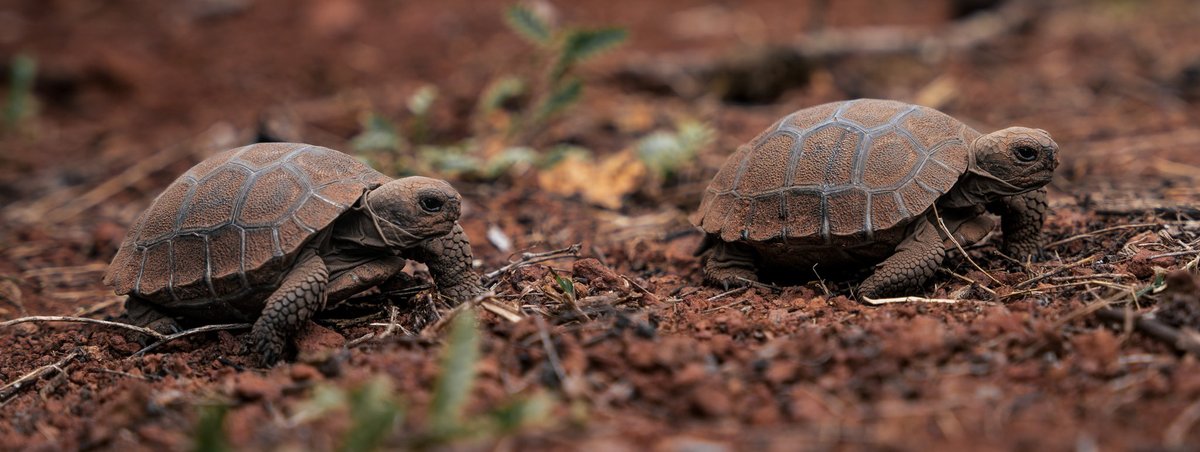
After more than 180 years, giant tortoises have returned to Floreana Island—reviving a lineage once thought extinct. Discover how hybrid tortoises were identified, bred, and carefully reintroduced, and why their comeback marks a turning point for island restoration, ecosystem recovery, and one of Galápagos’ most ambitious conservation efforts.
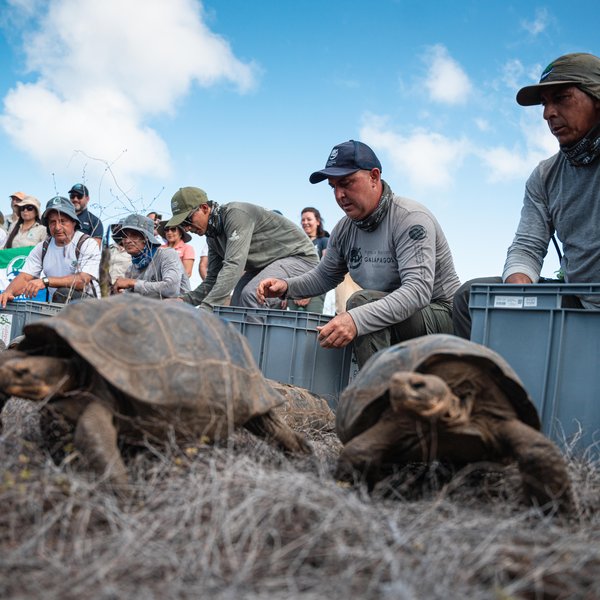
After more than 180 years, 158 endangered giant tortoises have returned to Floreana Island, marking a historic milestone in the Galápagos’ largest restoration effort. Discover how science, community leadership, and global collaboration are bringing back a lost lineage—and rebuilding an entire ecosystem from the ground up.
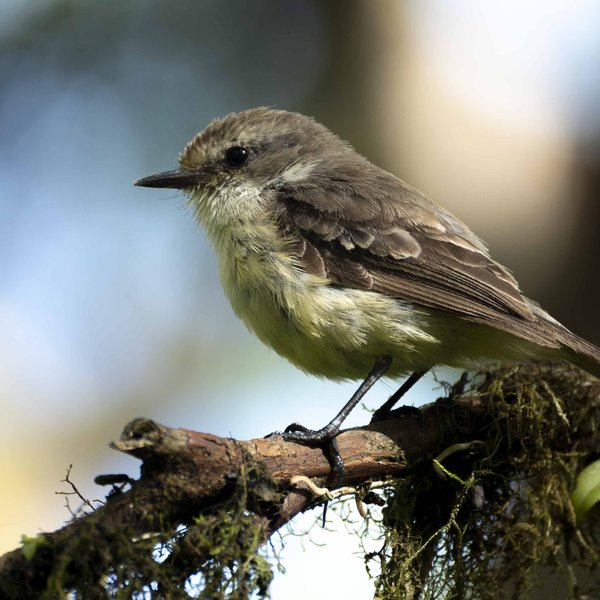
Little Vermilion Flycatcher populations are declining at a rapid rate due to the impacts of invasive species, particularly on the island of Santa Cruz where only 30 breeding pairs are found. By adopting a Little Vermilion Flycatcher you will help us restore their habitats and reduce the impacts of invasive species. Your donation will also enable us to investigate ways to recover the species on the islands where it has disappeared.

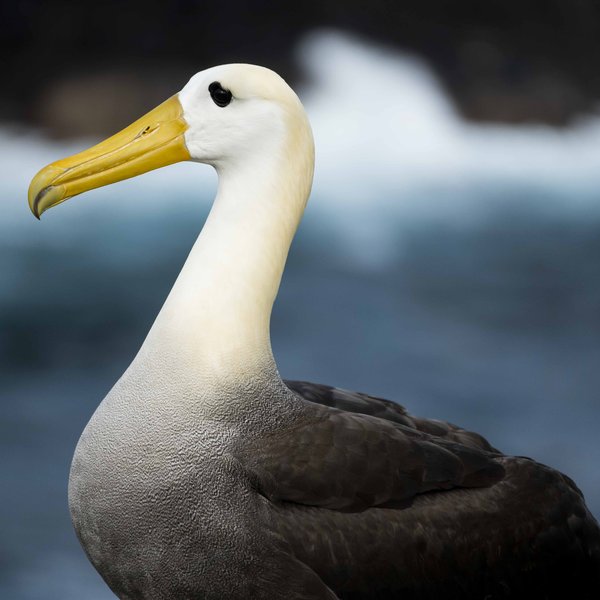

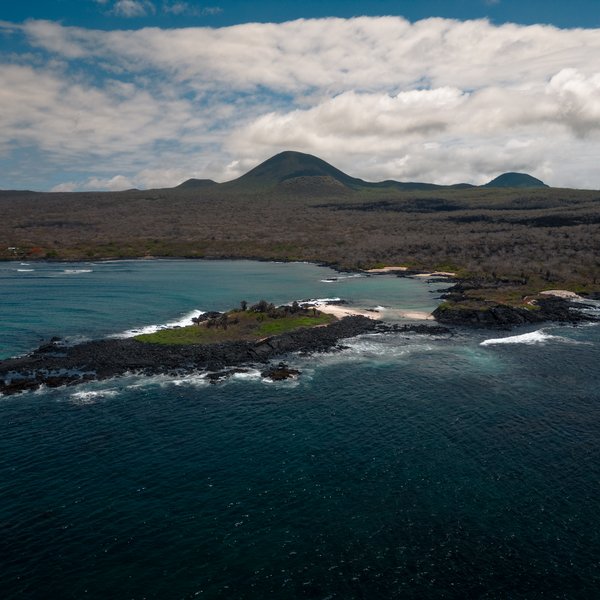
Artisanal fishing within the Galápagos Marine Reserve (GMR) is more than just a source of income—it is the livelihood of more than 500 families and an essential part of the islands' culture including hotels, cruise ships, restaurants and feeding local people. Yet, this vital tradition is under increasing pressure from the combined impacts of El Niño and climate change, which threaten marine biodiversity and the local economy. Drawing on insights from the recent scientific publication “An Overview of the Socioecological Impacts of the El Niño-Southern Oscillation and Climate Change on Artisanal Fisheries in the Galápagos”, co-authored by our Principal Investigator Jorge Ramírez, we explore how these threats affect local fisheries and what actions are needed to secure a more sustainable future.
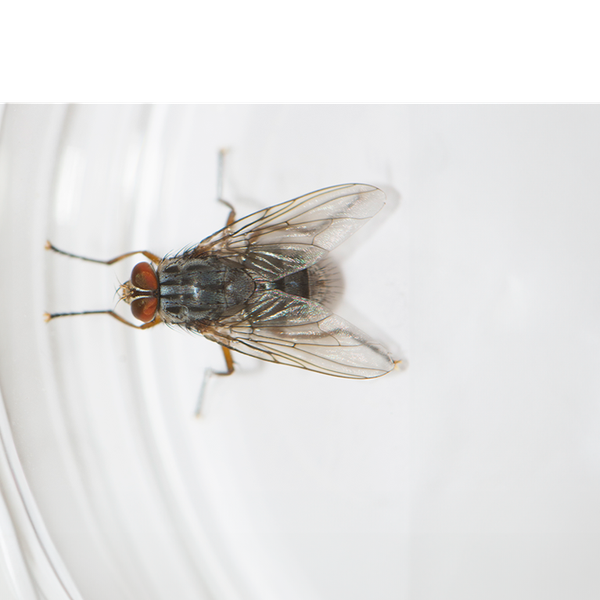
In a race against time, our scientists are working hard to find ways to control the avian vampire fly (Philornis downsi), an invasive parasitic fly that is affecting the survival of the unique small landbirds of the Galapagos Islands, including the iconic Darwin’s finches.
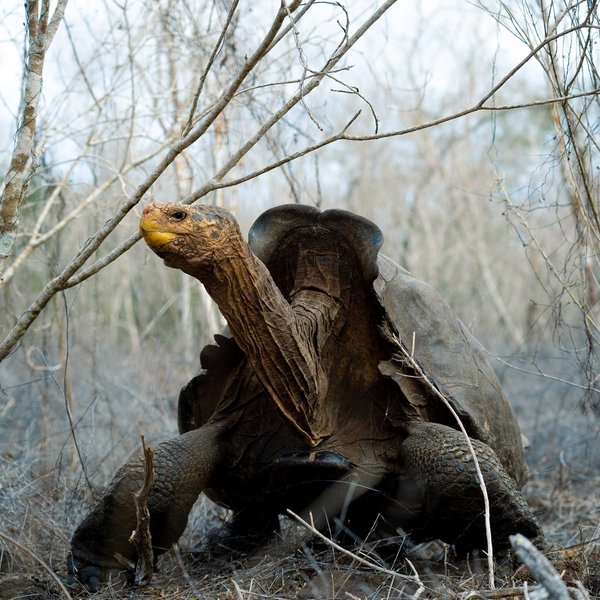
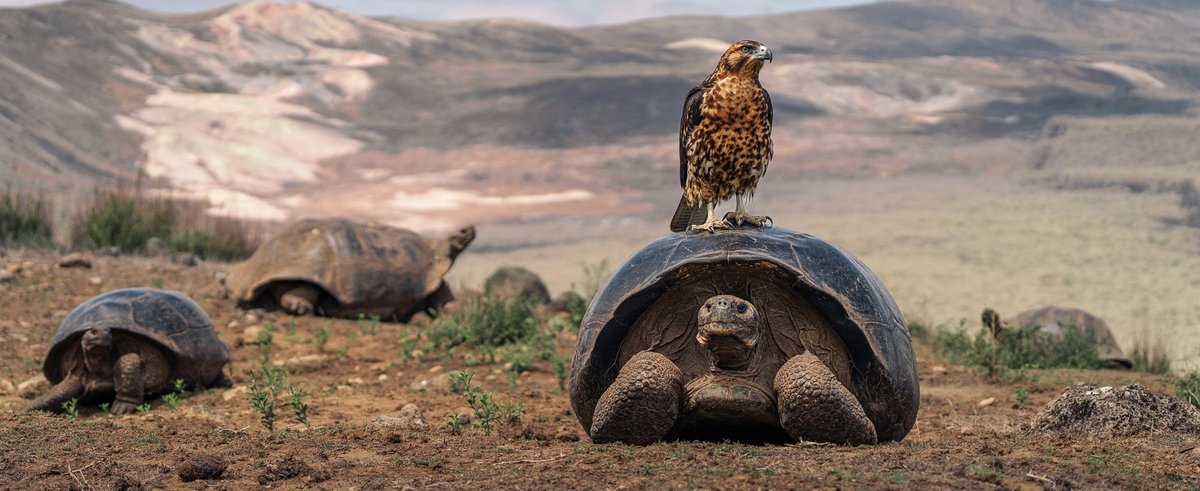
Giant tortoises are emblems of Galapagos. They are critical ecosystem engineers and they are also important for the local economy. Yet all 12 species of Galapagos Giant Tortoises are of conservation concern. Our work focuses on conserving these gentle giants through research and education.
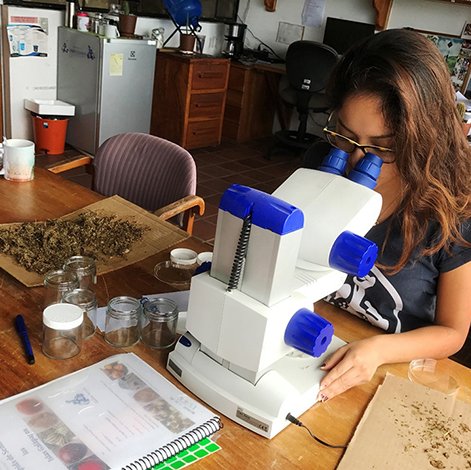
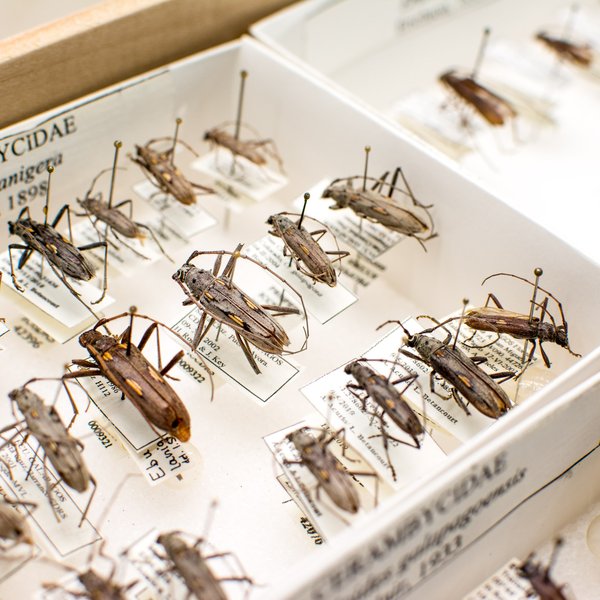
The Charles Darwin Research Station is home to the largest Natural History Collections of endemic, native and introduced species of the Galapagos Islands in Ecuador. It is also one of the largest in the world with over 135,000 specimens from more than 7,500 species.