Results
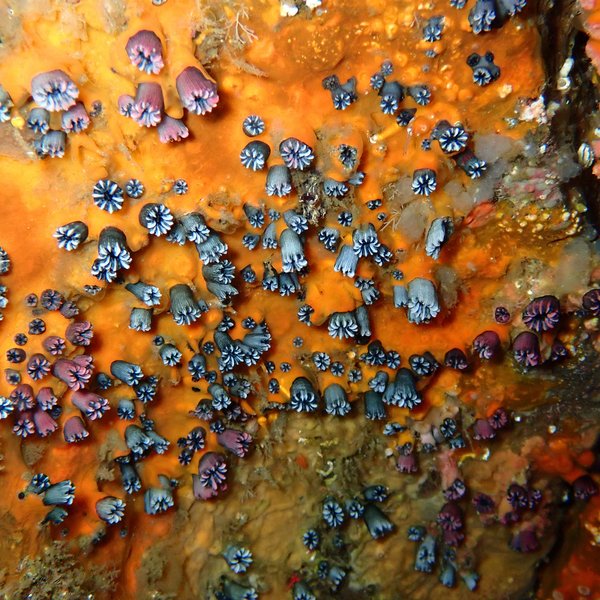
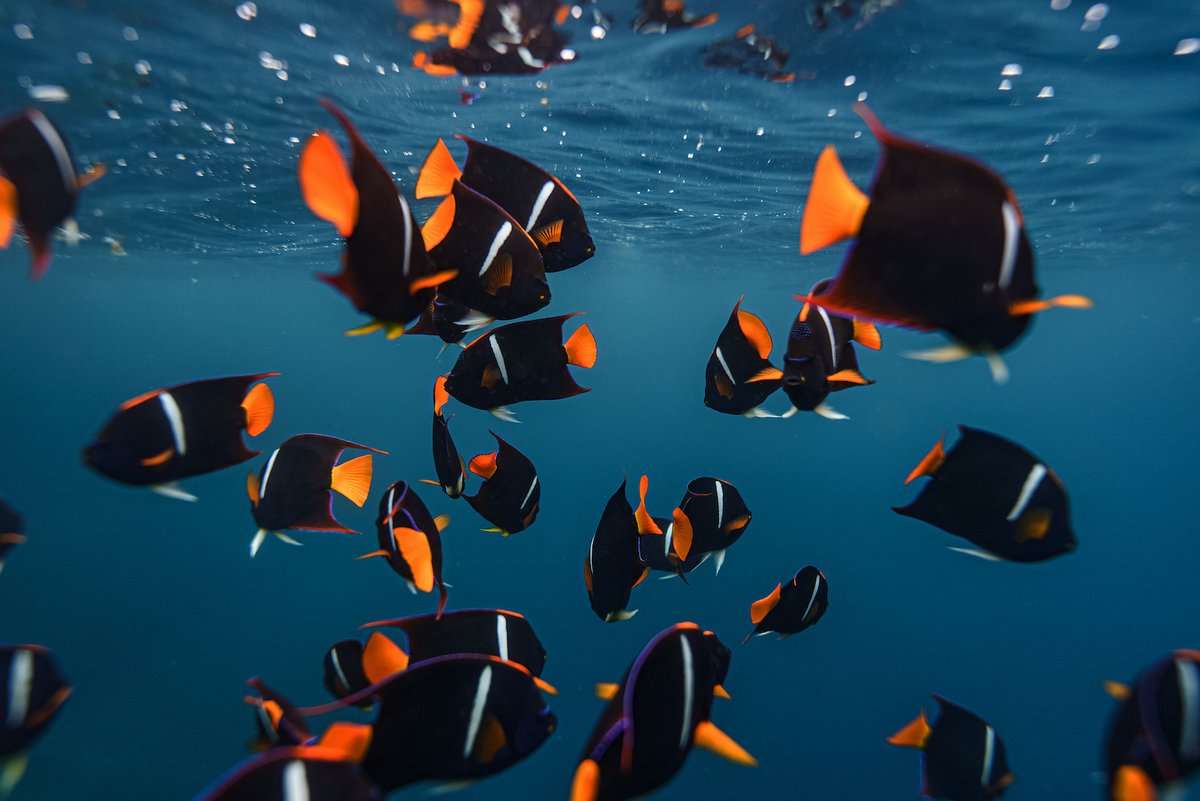
A scientific team led by the Charles Darwin Foundation (CDF) and the California Academy of Sciences (CAS), in collaboration with the Galapagos National Park Directorate (GNPD) has confirmed that Rhizopsammia wellingtoni—a solitary coral thought to be lost for a generation— is alive and clinging to Galapagos’ underwater cliffs.

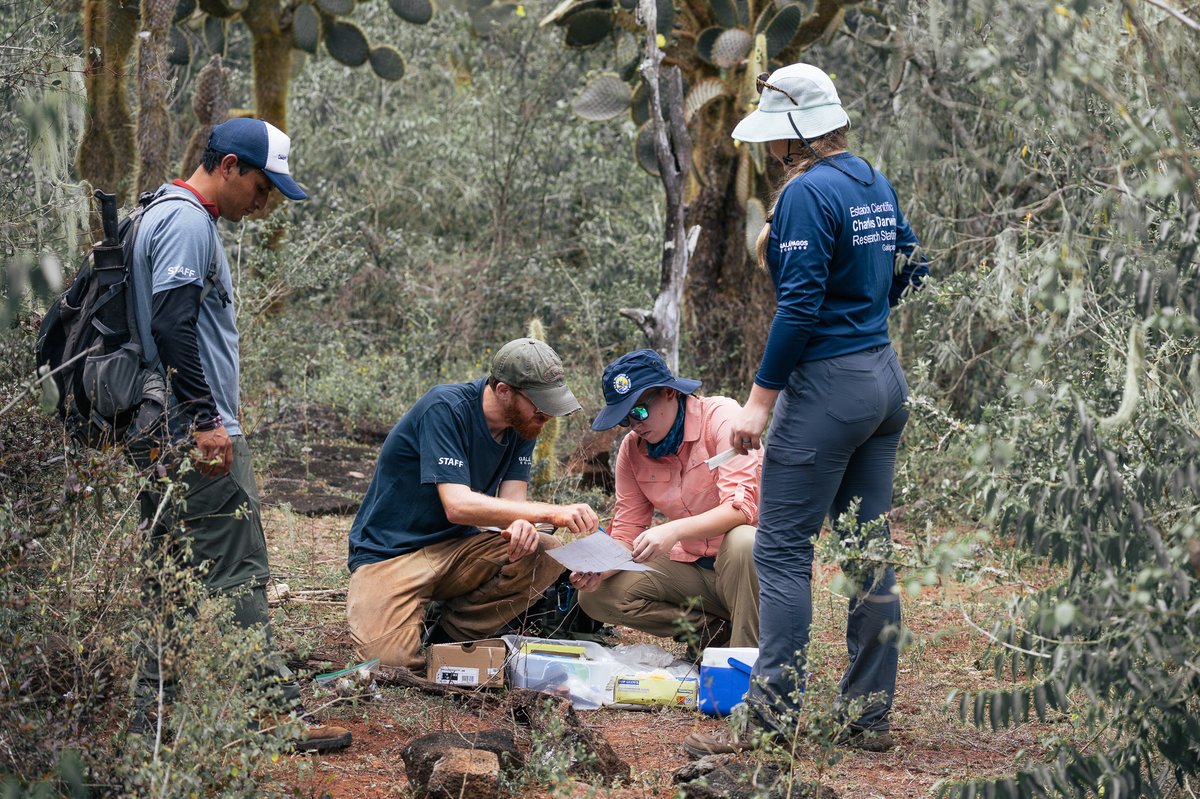
On Floreana, terrestrial invertebrates act as indicators of ecological recovery and as food for insectivorous birds. Monitoring them in protected and agricultural areas helps track habitat changes, detect invasive species, and assess whether the ecosystem is ready to support the reintroduction of animals that once disappeared locally from the island.
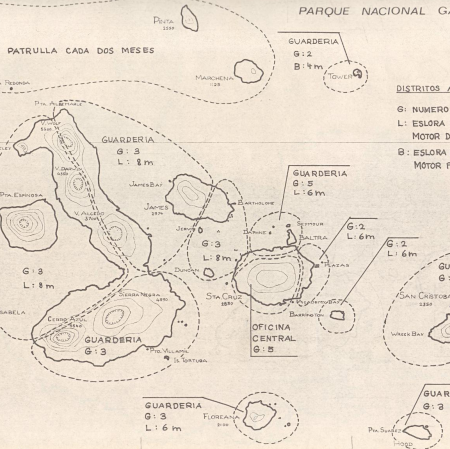
The 1973 Master Plan for the Protection and Use of Galapagos National Park was the first comprehensive planning framework for managing the archipelago. It introduced zoning, strengthened scientific research, and formalized collaboration with the Charles Darwin Research Station, laying the foundations for modern conservation in the Galapagos Islands.
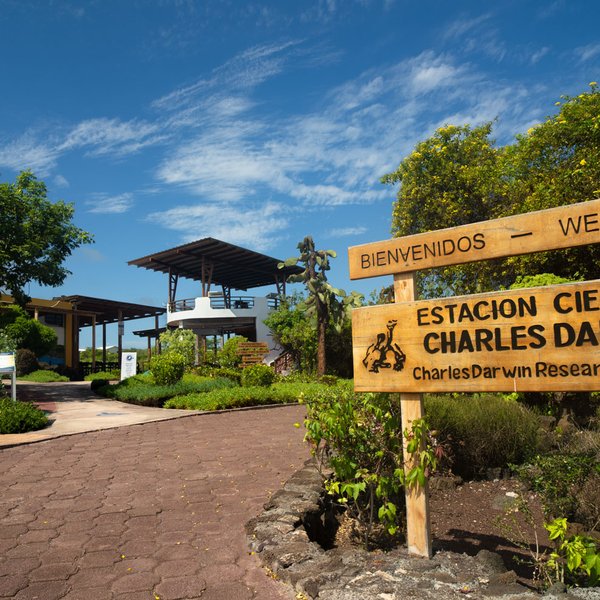
The Charles Darwin Foundation celebrates 65 years of innovation, development, and science in service of conservation
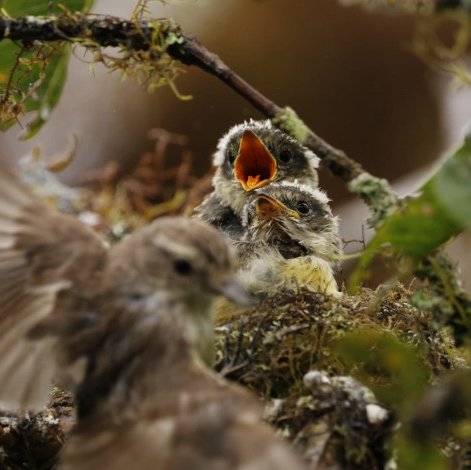
12 Little Vermilion Flycatcher chicks fledge the nest, in most successful nesting season yet in Santa Cruz Island
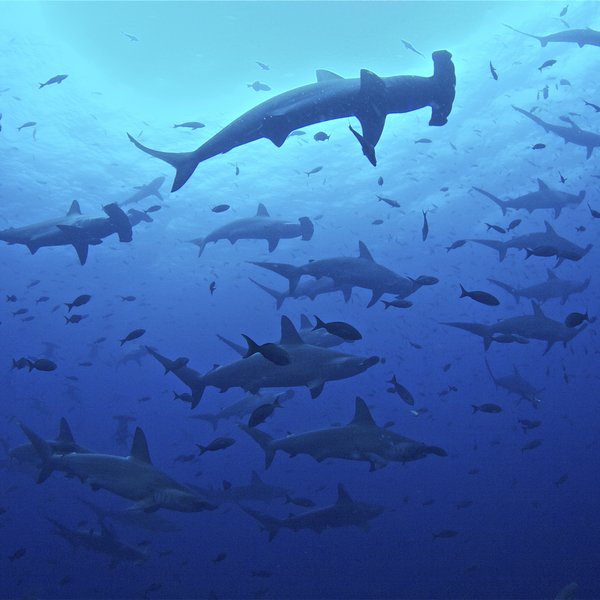
The Charles Darwin Foundation and WWF launch project "Habla Tiburón" to promote the conservation of sharks and rays and empower fishing communities in mainland and insular Ecuador
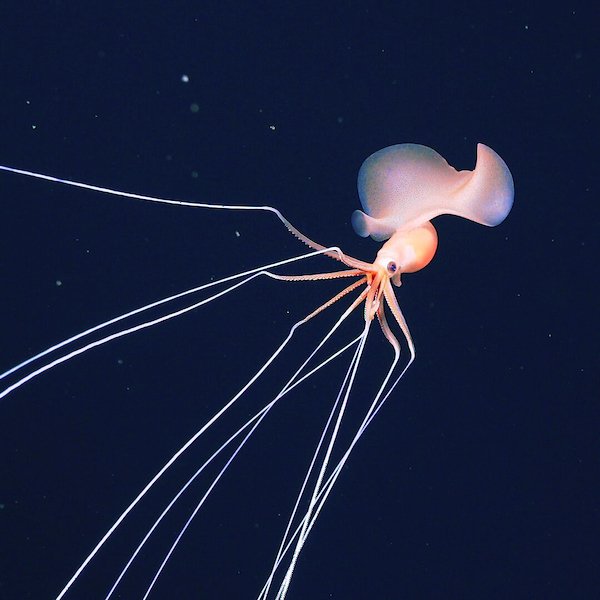
The Deep Ocean Alliance brings together institutions from Costa Rica, Panama, Colombia, and Ecuador to strengthen deep-ocean science and marine conservation in the Eastern Tropical Pacific. Through scientific expeditions, regional collaboration, and technological innovation, the Alliance is improving understanding of deep-sea biodiversity and supporting evidence-based protection of interconnected marine ecosystems.
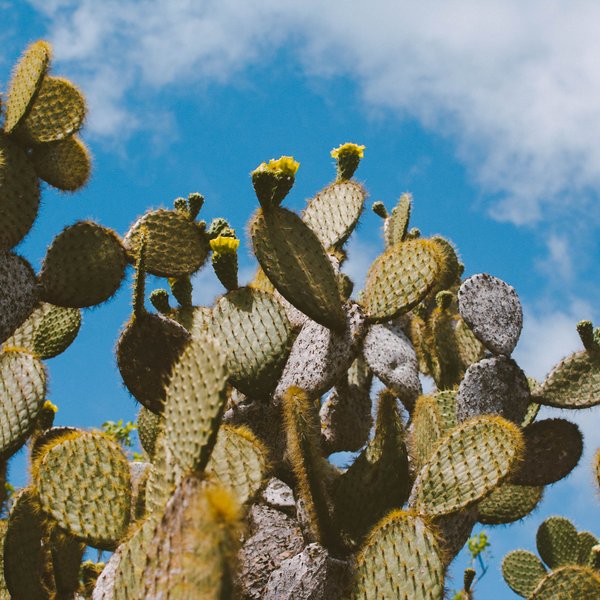
The population of the Galapagos pricky pear cactus declined during the 1960s and 1970s due to the impact of invasive species and human activities. By adopting a Galapagos prickly pear cactus you will support the Charles Darwin Foundation’s Galapagos Verde 2050 program, which works to restore the populations and enhance the conservation process of the Galapagos ecosystems by using ecological restoration tools.
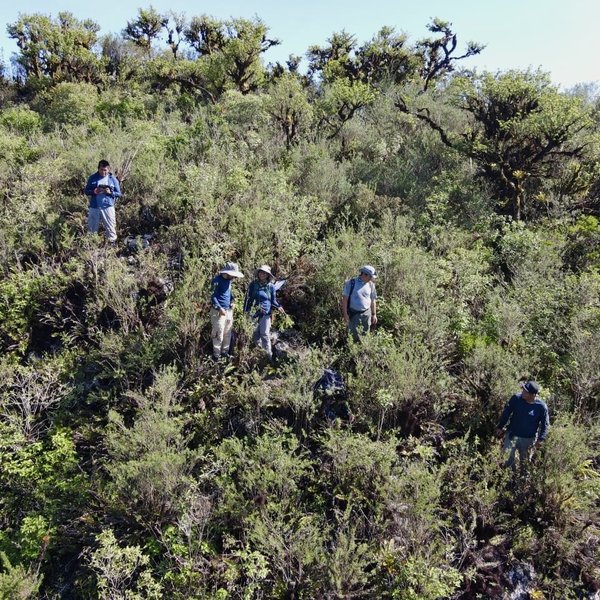
More than half of the endemic plant species in Galapagos are currently classified as threatened. The potential loss of these imperiled species not only disrupts ecosystem integrity, but also jeopardizes the survival of iconic native fauna that depend on it. We are updating the IUCN Red List of endangered plant species of Galapagos in order to enable targeted species conservation actions.
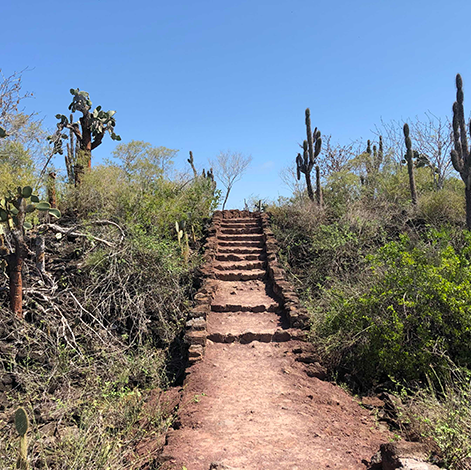
The Charles Darwin Foundation (CDF) is pleased to unveil the Galapagos Introduced Species Dashboard, the first open-access digital repository of information about species introduced to the Galapagos Islands.
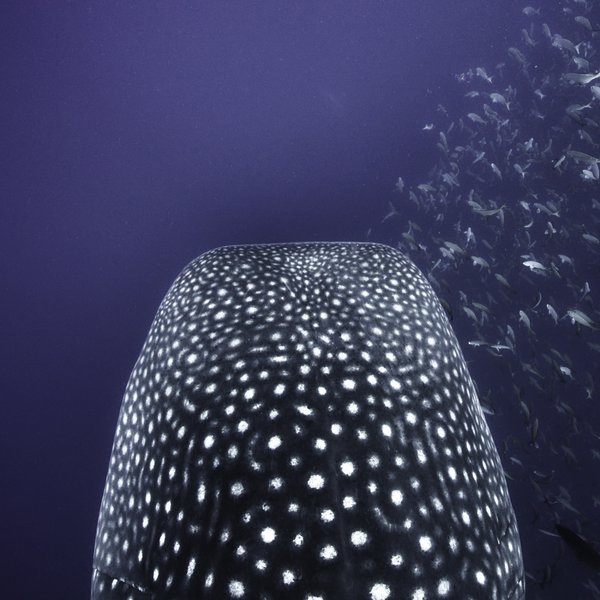
Ushering in a new chapter for ocean governance ratification of the BBNJ agreement.
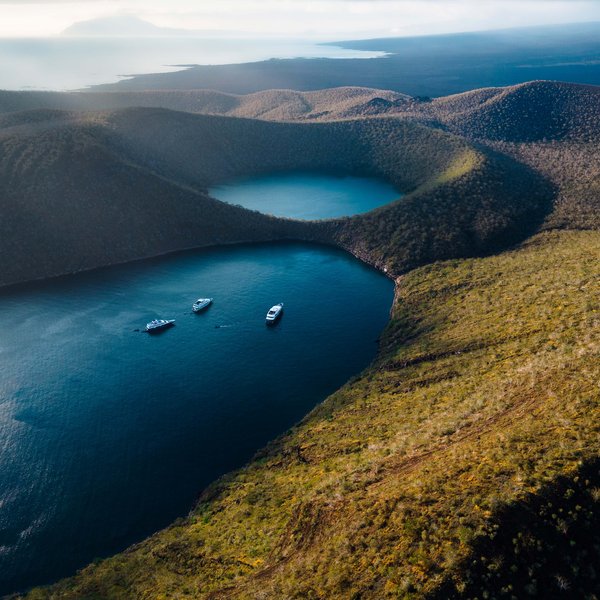
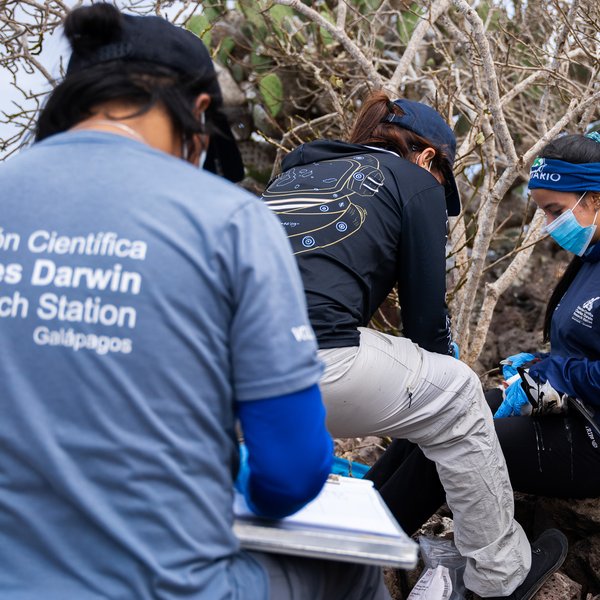
The Marine Bird Conservation Program combines science and passion to protect one of the rarest penguin species on Earth. By studying population trends, survival rates, and behavior, researchers at the Charles Darwin Foundation (CDF) use innovative methods like photo identification and PIT-tags to monitor individuals with minimal disturbance. This research not only deepens our understanding of these endangered birds but also highlights their role as indicators of marine ecosystem health. With fewer than 2,000 individuals left, urgent conservation actions are needed. Join the effort—adopt a penguin and support their protection!
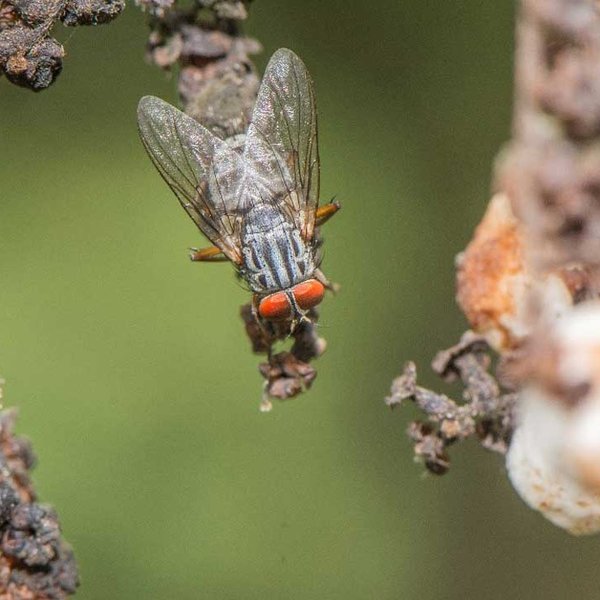
Scientists in Galápagos are tracing the origin of the invasive avian vampire fly to find a safe, long-term solution. This story follows a decade-long scientific journey into biological control—where patience, precaution, and nature itself may offer new hope for endemic birds on the brink.