Results
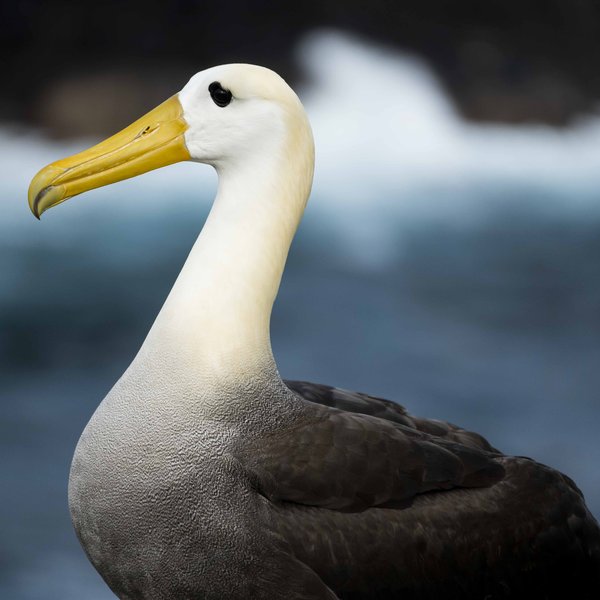
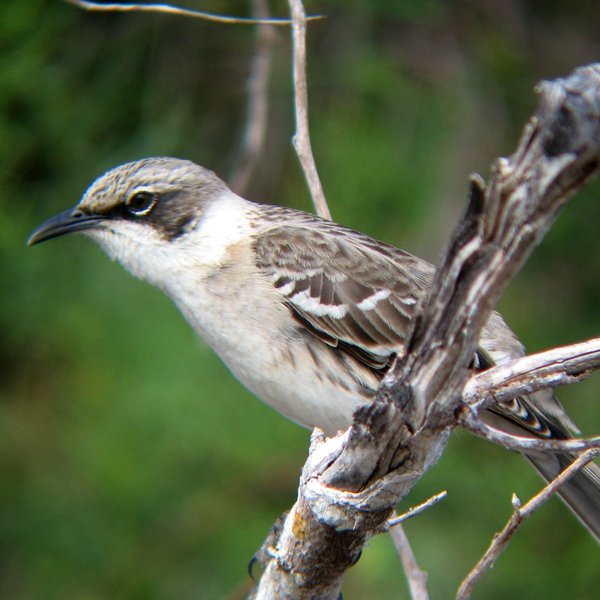
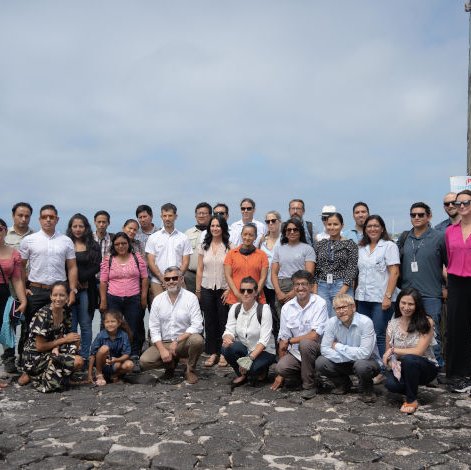
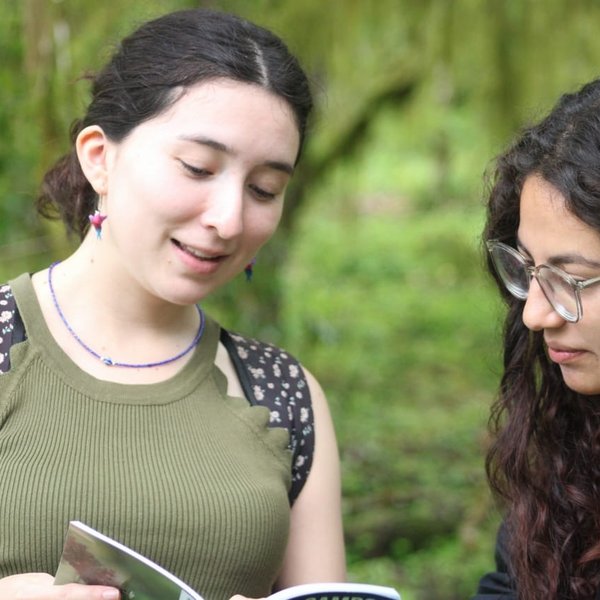
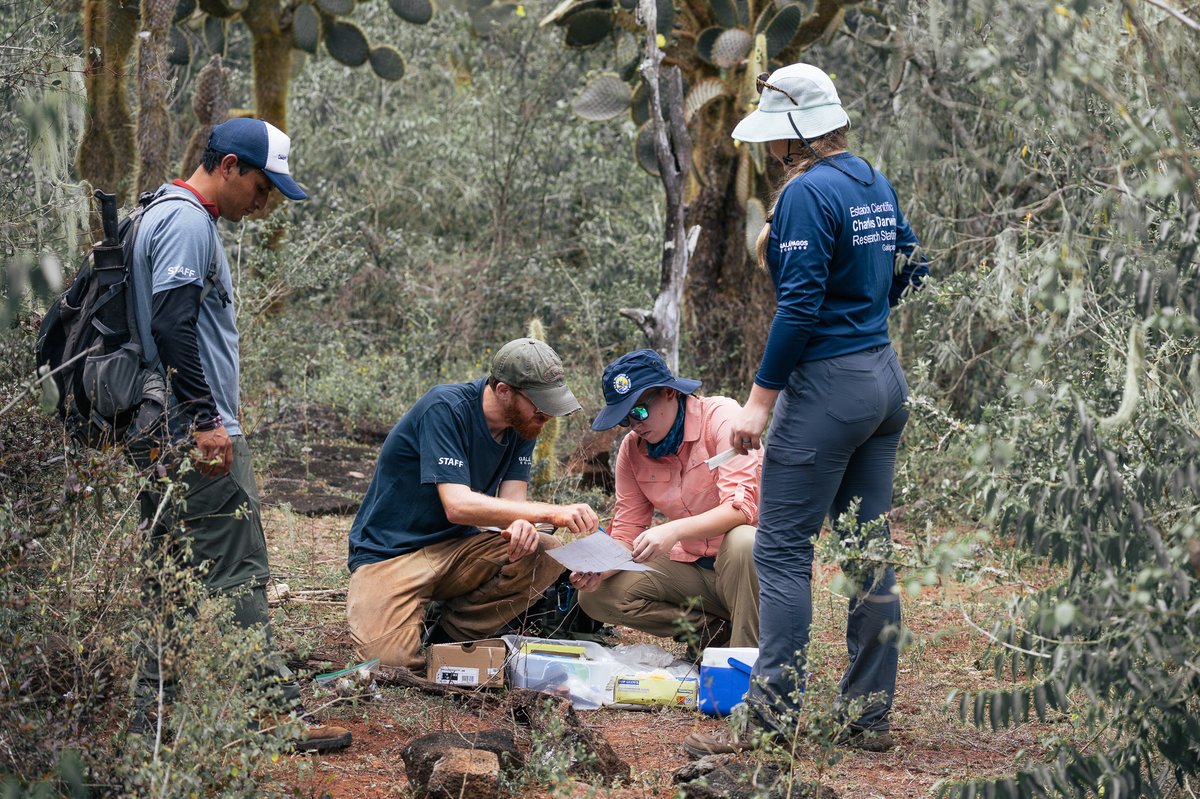
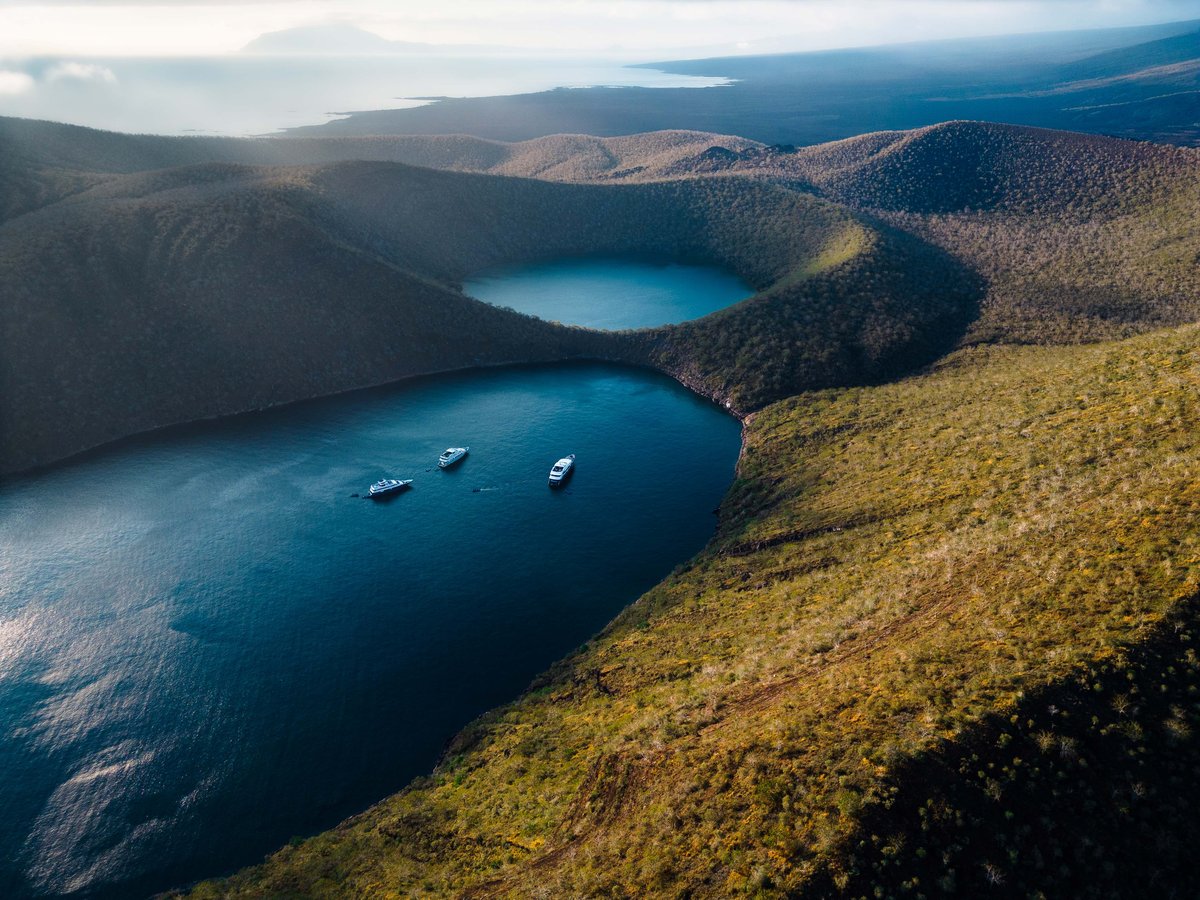
Today, I find myself here, by the sea, writing about my experience living on an island. It all started when I was searching for an opportunity, and I found a living dream instead: volunteering in the Galápagos. I applied to the Landbird Conservation Program of the Charles Darwin Foundation and had the privilege of becoming part of their team.Today, I find myself here, by the sea, writing about my experience living on an island. It all started when I was searching for an opportunity, and I found a living dream instead: volunteering in the Galápagos. I applied to the Landbird Conservation Program of the Charles Darwin Foundation and had the privilege of becoming part of their team.
Today, I find myself here, by the sea, writing about my experience living on an island. It all started when I was searching for an opportunity, and I found a living dream instead: volunteering in the Galápagos. I applied to the Landbird Conservation Program of the Charles Darwin Foundation and had the privilege of becoming part of their team.Today, I find myself here, by the sea, writing about my experience living on an island. It all started when I was searching for an opportunity, and I found a living dream instead: volunteering in the Galápagos. I applied to the Landbird Conservation Program of the Charles Darwin Foundation and had the privilege of becoming part of their team.
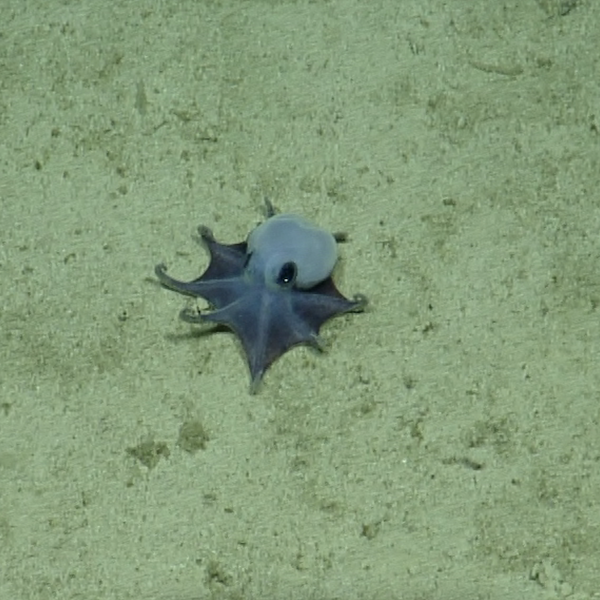
Microeledone galapagensis, a tiny blue octopus discovered 1,770 meters beneath the waters of Galápagos, highlights how much remains unknown about the deep sea. Its identification as a new species was made possible by years of preservation in the Charles Darwin Foundation’s marine collections, underscoring their importance for scientific research.
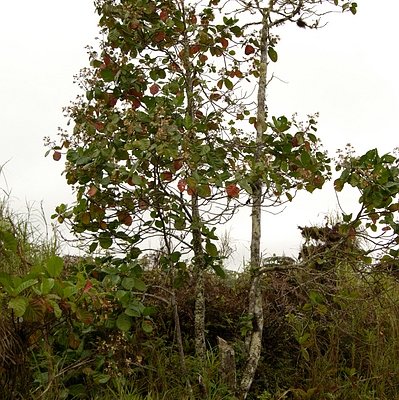
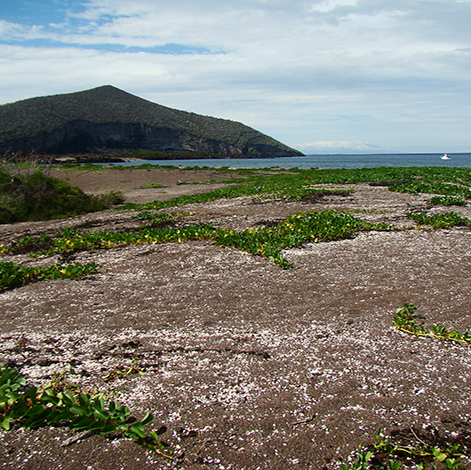
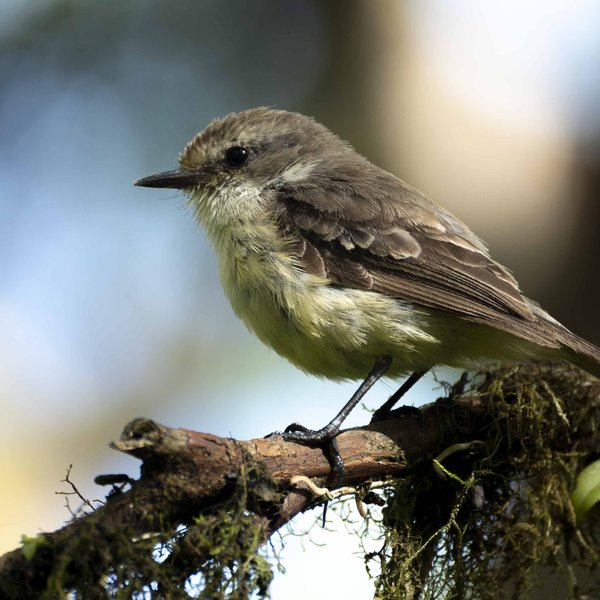
Little Vermilion Flycatcher populations are declining at a rapid rate due to the impacts of invasive species, particularly on the island of Santa Cruz where only 30 breeding pairs are found. By adopting a Little Vermilion Flycatcher you will help us restore their habitats and reduce the impacts of invasive species. Your donation will also enable us to investigate ways to recover the species on the islands where it has disappeared.