Results
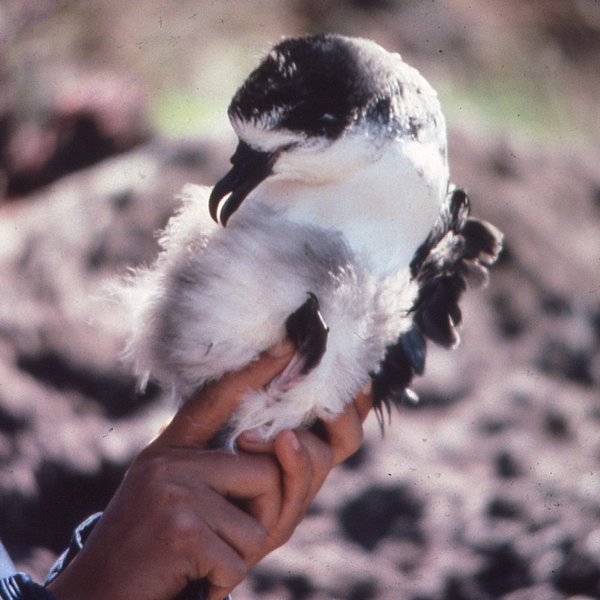
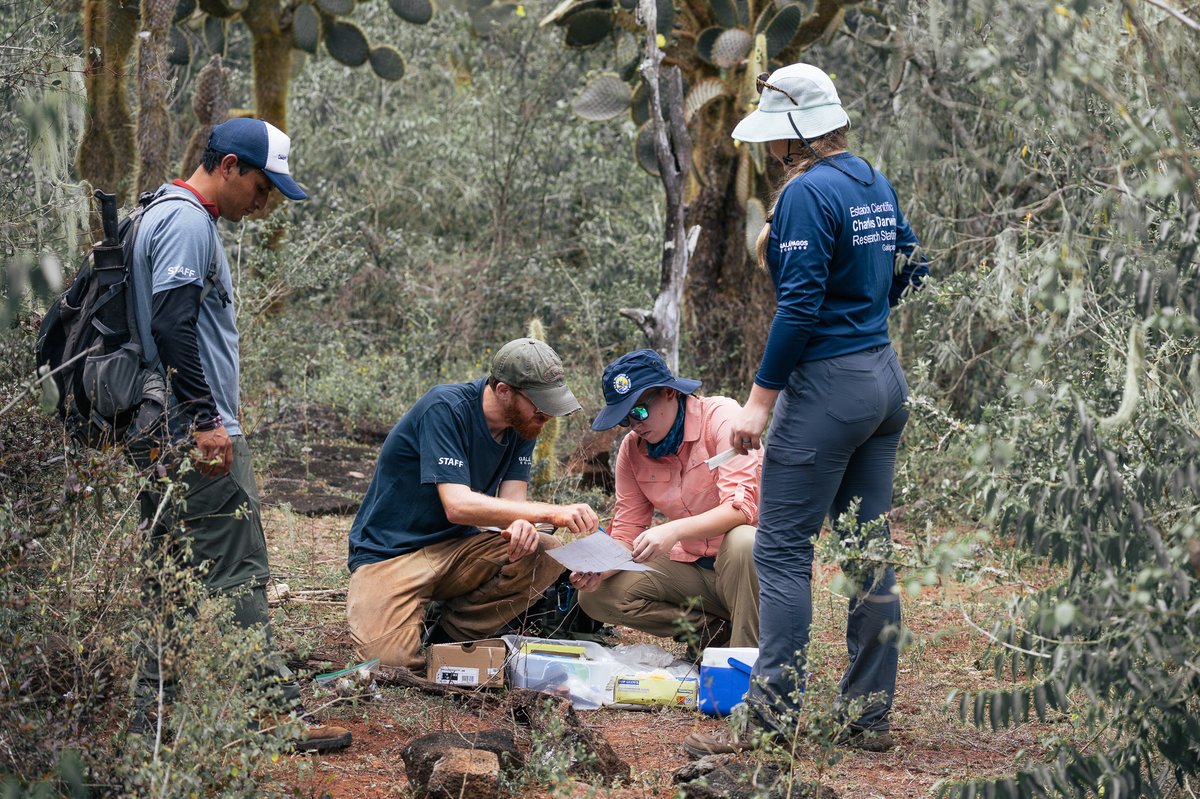
In 1982, a pioneering effort began at Cerro Pajas, Floreana, to protect the critically endangered Galápagos petrel. Scientists, park rangers, and conservation practitioners controlled introduced species, monitored nests, and tested new techniques. The results showed that science, sustained management, and collaboration could improve the breeding success of this threatened seabird population.
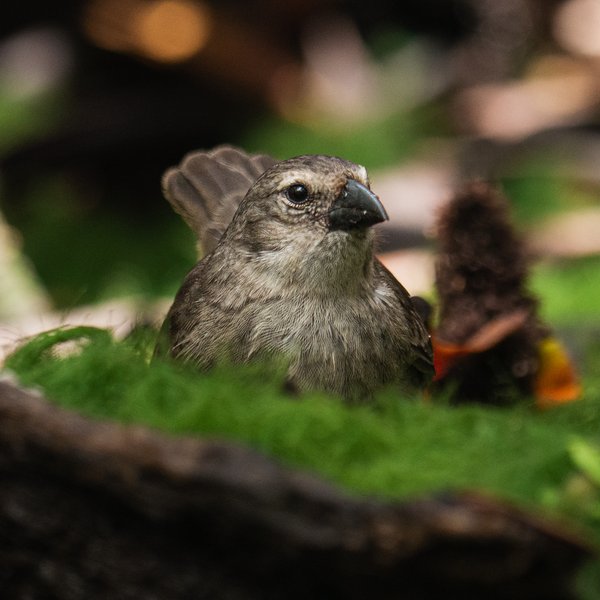
Scientists in Galápagos have recorded the most successful breeding season ever for the critically endangered Mangrove Finch, one of the world’s rarest birds. Discover how years of conservation work, innovative nest-protection strategies, and collaboration are offering new hope for this species’ survival in the remote mangrove forests of Isabela Island.
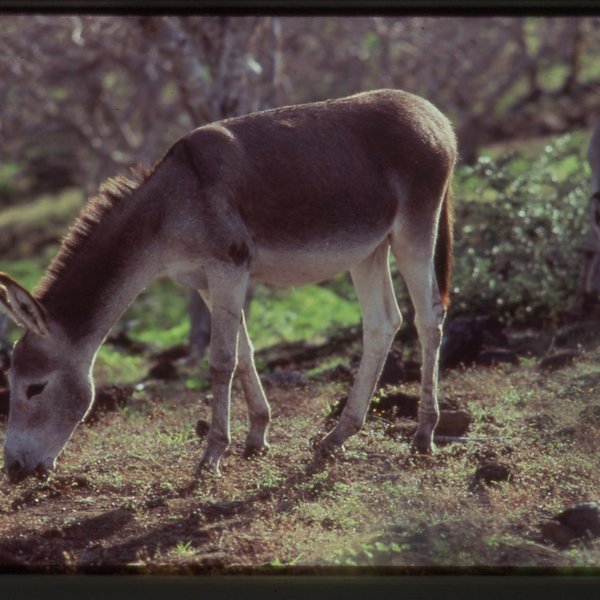
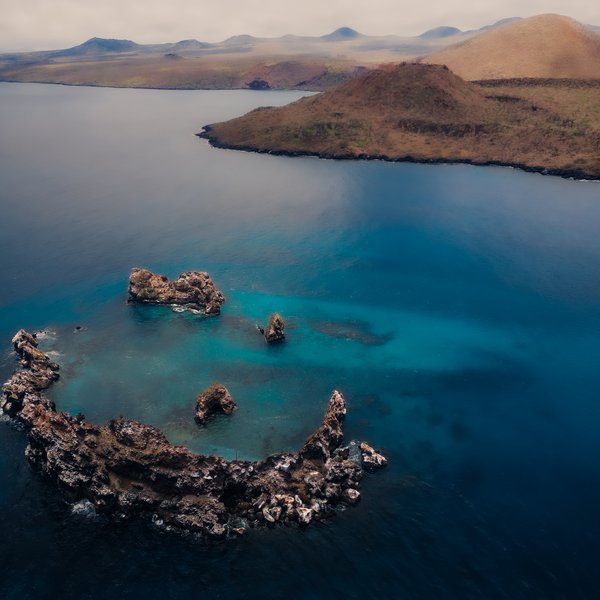
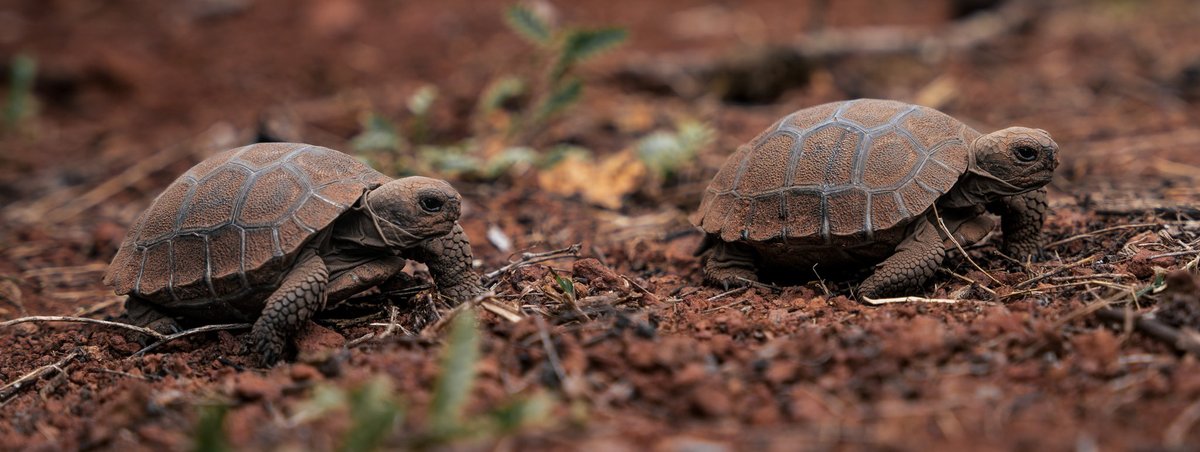
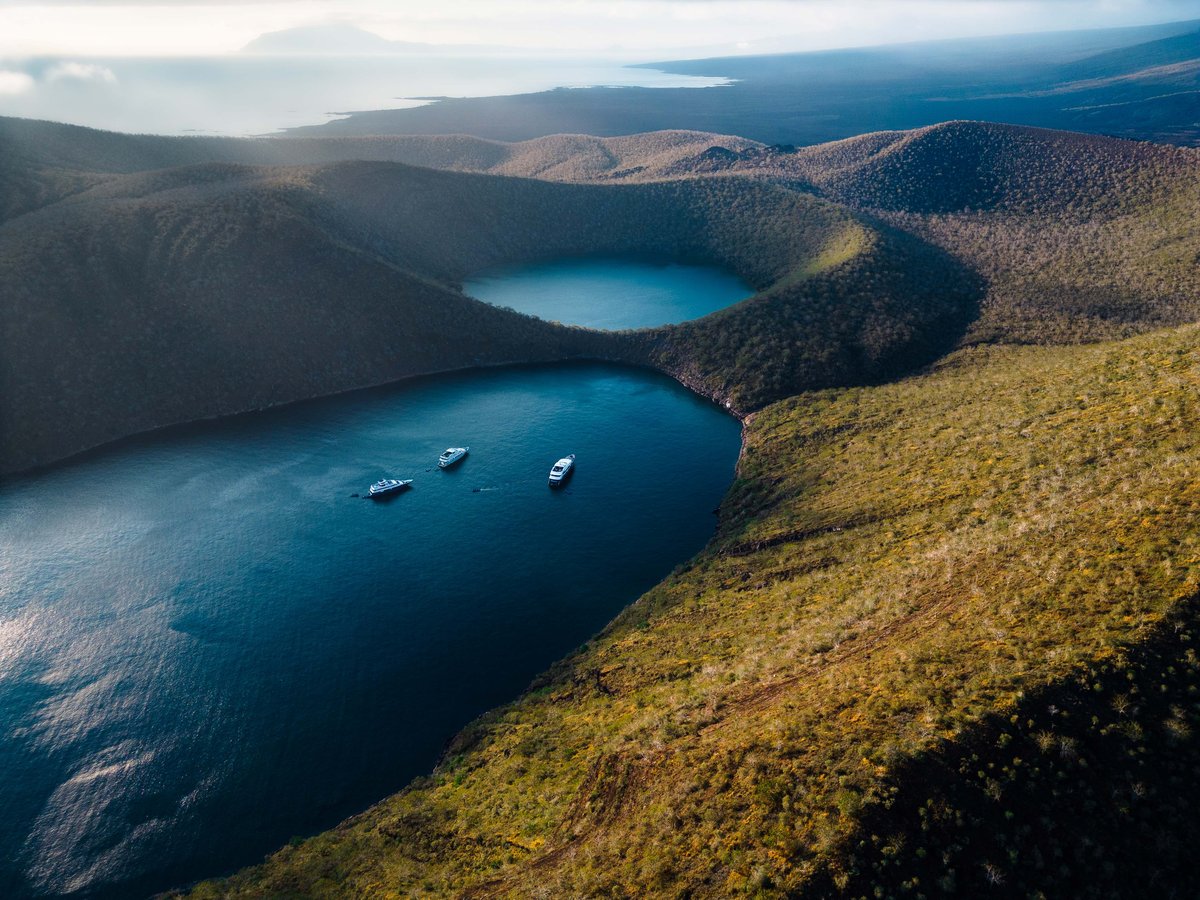
Floreana Island, heavily impacted by introduced species and biodiversity loss, now hosts one of Galápagos’ most ambitious restoration efforts. With a small community and 54 species still threatened, the Floreana Ecological Restoration Project aims to recover the island’s ecological balance through the removal of invasive species and the return of native wildlife.
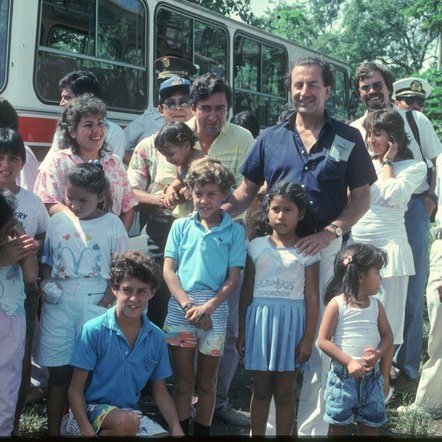
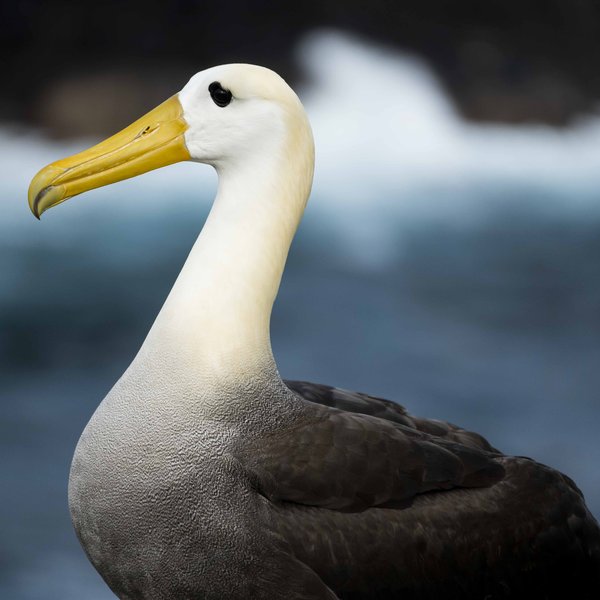
Former Ecuadorian President Rodrigo Borja played a pivotal role in strengthening the institutional foundations of conservation in Galápagos. As an Honorary Member of the CDF, he supported science-based stewardship through key agreements, governance frameworks, and lasting commitments that continue to shape conservation efforts today.