
Schmidt Ocean Institute

Descending to Understand Why Deep-Ocean Science Matters
The alliance exploring the unexplored
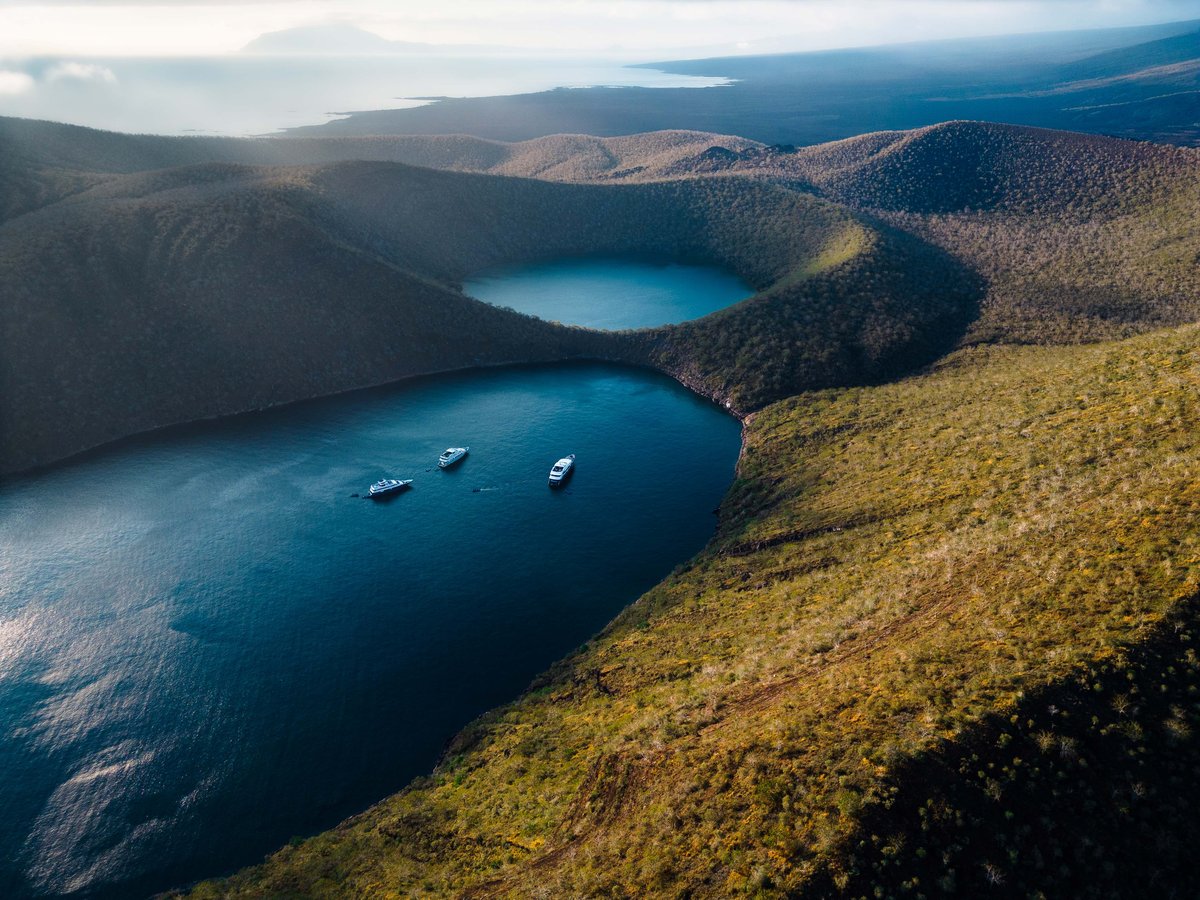
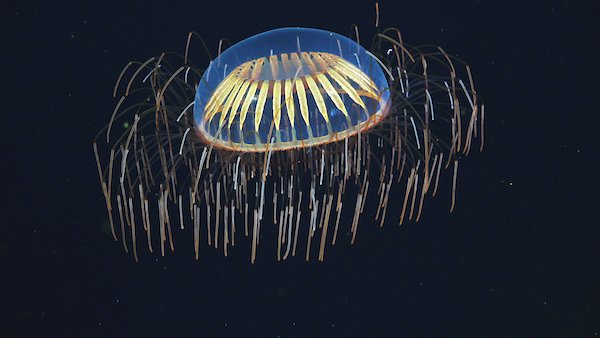
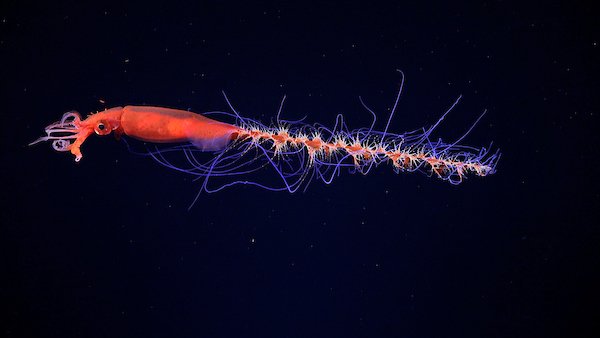
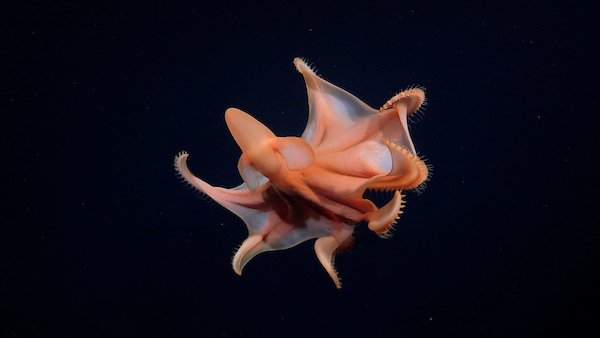
Beneath the ocean’s surface lies a world few have ever seen: dark, cold, vast, and literally under pressure. While that may sound uncomfortable to us, it is home to countless forms of life. The seafloor is far from empty; it contains mountains, underwater ridges that rival the Andes, plains larger than countries, deep trenches, and unusual formations where unique species thrive. Although largely invisible to humanity, deep-ocean ecosystems support marine biodiversity, regulate climate processes, recycle nutrients, and play a critical role in global ocean health and deep-ocean conservation.
In the Eastern Tropical Pacific (ETP), countries have made significant progress over the past three decades in establishing large marine protected areas (MPAs). However, nearly 96% of these managed marine areas include open-ocean and deep-sea ecosystems that remain poorly understood because of the technical and financial challenges associated with deep-ocean exploration. At the same time, threats linked to climate change, ocean pollution, destructive fishing practices, marine mining, and ecosystem degradation continue to intensify. Recognizing the ecological importance of these unexplored environments has increased the urgency of strengthening marine conservation and protecting deep-sea biodiversity across the region.
Schmidt Ocean Institute
Schmidt Ocean Institute
Schmidt Ocean Institute
The Deep Ocean Alliance and Regional Scientific Collaboration
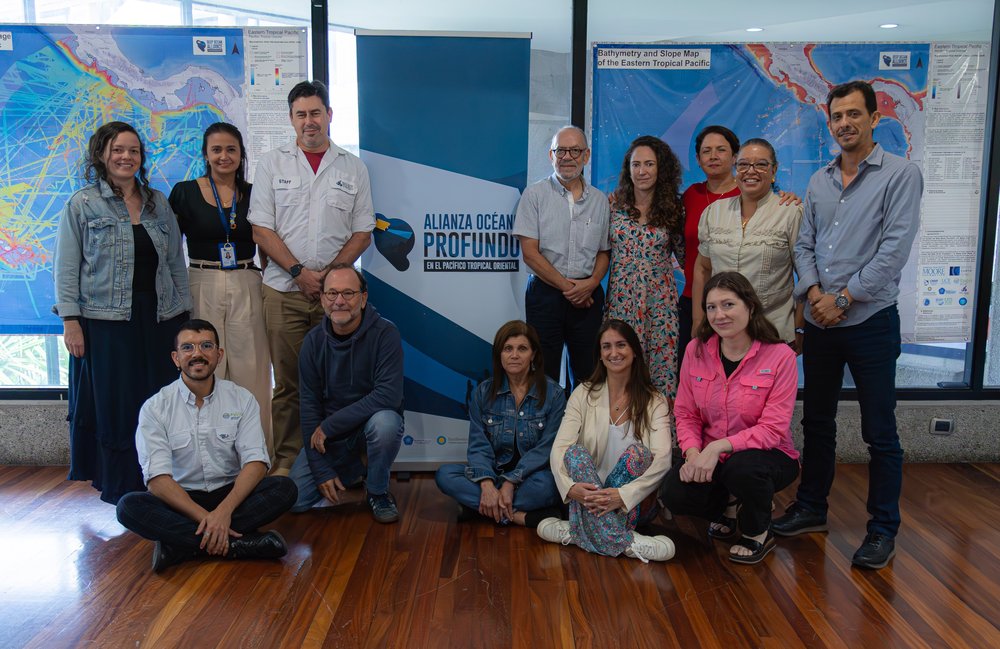
This is where the Deep Ocean Alliance for the Eastern Tropical Pacific (DOA) plays a critical role. The Alliance brings together institutions from Costa Rica, Panama, Colombia, and Ecuador with a shared objective: to explore, understand, and support the protection of the deep ocean. Its guiding principle is straightforward: we cannot protect what we do not understand. Through scientific collaboration, the Alliance generates knowledge that supports marine spatial planning, strengthens marine protected areas, improves understanding of marine biodiversity, and provides evidence for informed conservation and management decisions.
One of the Alliance’s most distinctive strengths is its collaborative structure. Each institution contributes complementary expertise and regional experience. In Costa Rica, Friends of Cocos Island Foundation (FAICO) contributes practical marine conservation experience while CIMAR-UCR provides oceanographic and academic expertise; in Panama, the Smithsonian Tropical Research Institute (STRI) contributes long-standing scientific research capacity and robust methodologies; meanwhile, Colombia’s Marine and Coastal Research Institute (INVEMAR) connects marine science with genetics and public policy; and finally, the Charles Darwin Foundation contributes applied marine research experience and close collaboration with marine conservation and management in Galápagos, Ecuador. Together, these organizations are helping strengthen regional cooperation for deep-ocean science and conservation in the Eastern Tropical Pacific.
Deep-ocean ecosystems in the Eastern Tropical Pacific are interconnected across national boundaries through seamounts and underwater ridges that support migratory species and regulate climate processes. Sharks, sea turtles, rays, and whales depend on these connected marine corridors throughout their life cycles. The Deep Ocean Alliance works to explore these ecosystems, strengthen scientific understanding of deep-sea biodiversity and ecological connectivity, assess climate vulnerabilities, and generate evidence that supports marine conservation and sustainable ocean management.
Deep-Sea Expeditions and Scientific Discoveries
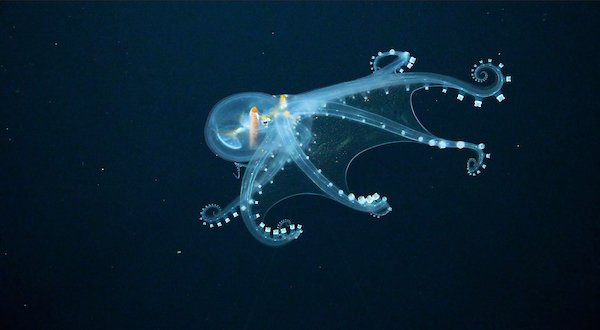
Since 2023, the Alliance has carried out at least fifteen expeditions across Costa Rica, Panama, Colombia, and Ecuador.
Schmidt Ocean Institute
These efforts have produced more than 1,500 biological and environmental samples, along with over 1,250 hours of deep-sea imagery. This work has documented ecosystems that had never been directly observed in the region, including cold-water coral communities, hydrothermal vent systems, and other deep-sea habitats. The rediscovery of an endangered coral species suggests that some deep-ocean ecosystems may function as natural refuges under changing environmental conditions, reinforcing their importance for marine biodiversity conservation.
The Alliance is also developing a shared regional database that combines historical and newly collected scientific information to improve understanding of deep-sea biodiversity and geography in the Eastern Tropical Pacific. This effort supports global initiatives such as Seabed 2030 and contributes to a stronger scientific baseline for deep-ocean conservation and marine protected areas in the region.
Research on deep-sea corals and environmental DNA is also helping scientists reconstruct past ocean conditions and better understand ecological connectivity across the Eastern Tropical Pacific. These findings reveal how ecosystems separated by hundreds of kilometers remain biologically linked, demonstrating that environmental impacts in one area can directly affect marine ecosystems elsewhere.
On the technological side, the Alliance has standardized digital processing tools integrated with traditional taxonomy to accelerate the analysis of extensive deep-sea imagery databases. It is also working to improve regional access to lower-cost exploration technologies and international scientific expeditions, helping strengthen long-term scientific capacity for deep-ocean research and marine conservation.
Archivo CDF
From Science to Conservation Action: Supporting MPAs and Ocean Management
The DOA goes beyond research. It actively works to ensure that scientific findings inform practical conservation decisions. Data generated by the Alliance can support proposals for new marine protected areas, regional monitoring frameworks, marine spatial planning, and innovative approaches such as depth-based protection zones.
The Alliance is also strengthening regional scientific capacity through training programs, shared methodologies, and support for early-career ocean professionals across the Eastern Tropical Pacific. At the same time, outreach campaigns such as “Panamá Profundo” and “Costa Rica Desconocida” are helping raise public awareness about the importance of the deep ocean, highlighting its biodiversity, ecological value, and essential role within interconnected marine ecosystems.
The Deep Ocean Alliance demonstrates how regional cooperation can strengthen deep-ocean science, marine conservation, and protection of marine biodiversity in the Eastern Tropical Pacific. By connecting institutions such as the Charles Darwin Foundation across four countries, the Alliance is generating scientific evidence needed to support marine protected areas and the long-term conservation of deep-ocean ecosystems, including those connected to the Galápagos region.
Find out more about the Charles Darwin Foundation’s work to explore and protect the deep ocean in Galápagos and the Eastern Tropical Pacific