
Galápagos giant tortoises return to the same spot to nest
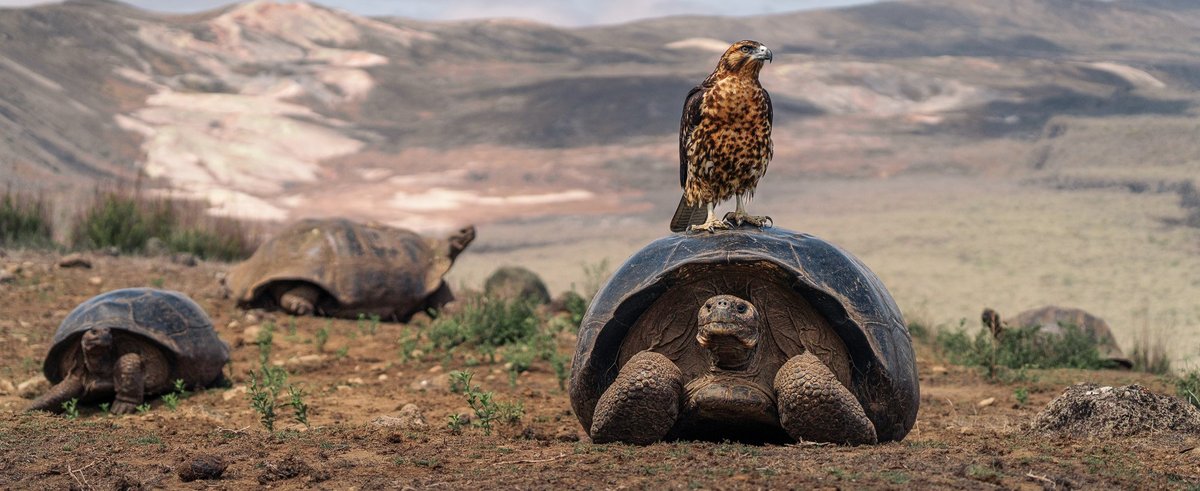
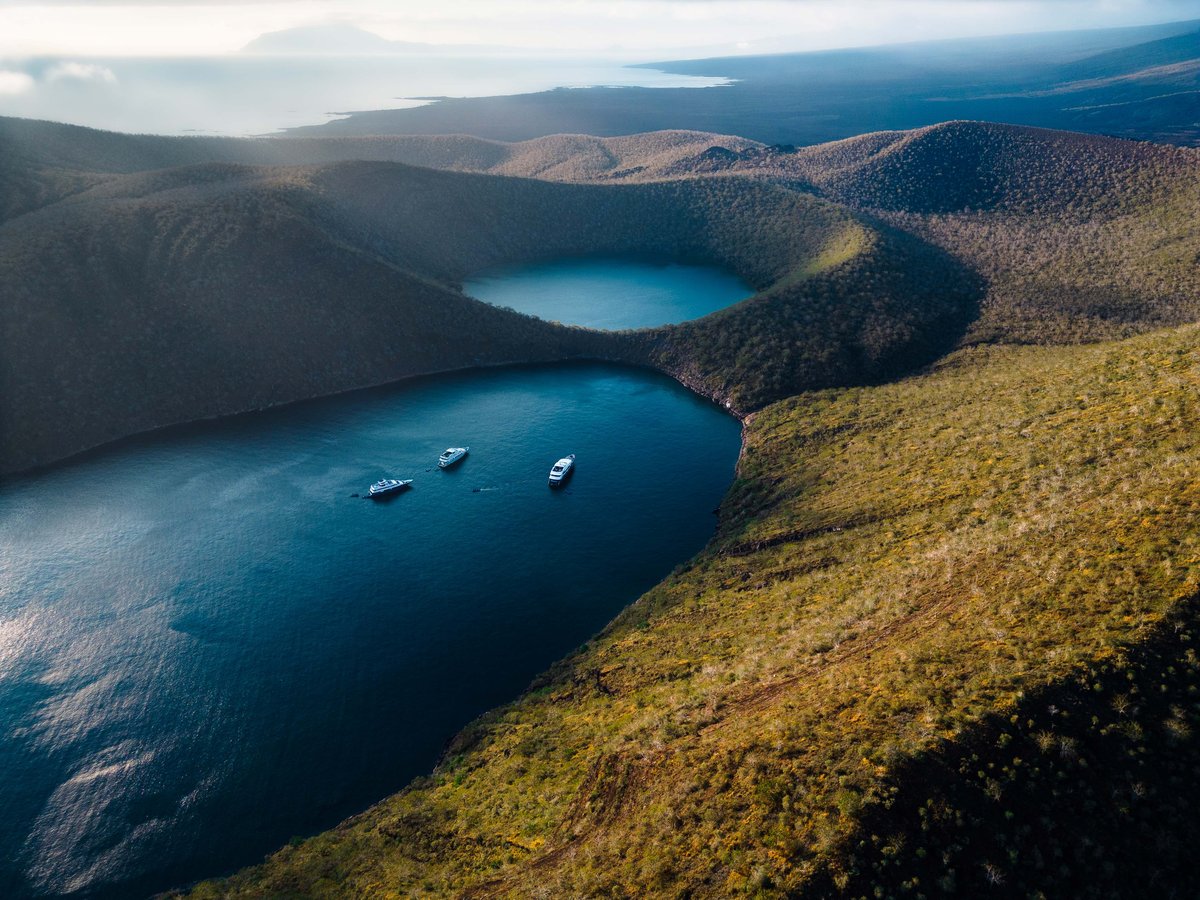
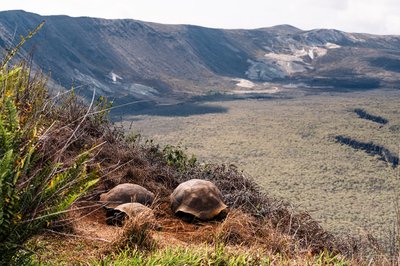
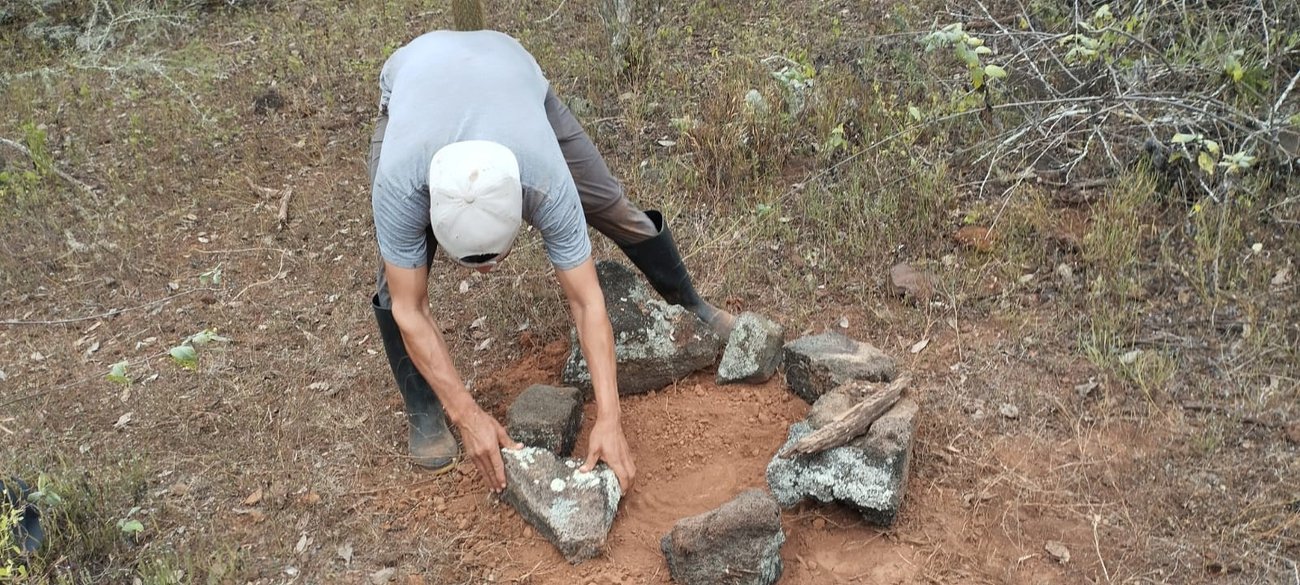
On the slopes of Cerro Fatal, in eastern Santa Cruz, a Galápagos giant tortoise digs her nest in a patch of soil surrounded by lava. Months later she comes back. The following year, she does it again. Nothing marks the spot and nobody guides her, yet she returns to within a few hundred meters of her previous nest, and sometimes within a few meters.
Scientists and park rangers had long suspected this behavior. Now there are numbers to prove it. A study published in 2026 in the journal Oikos shows that females of four Galápagos giant tortoise species are faithful to their nesting areas, both within a single season and across years.
A decade on their trail
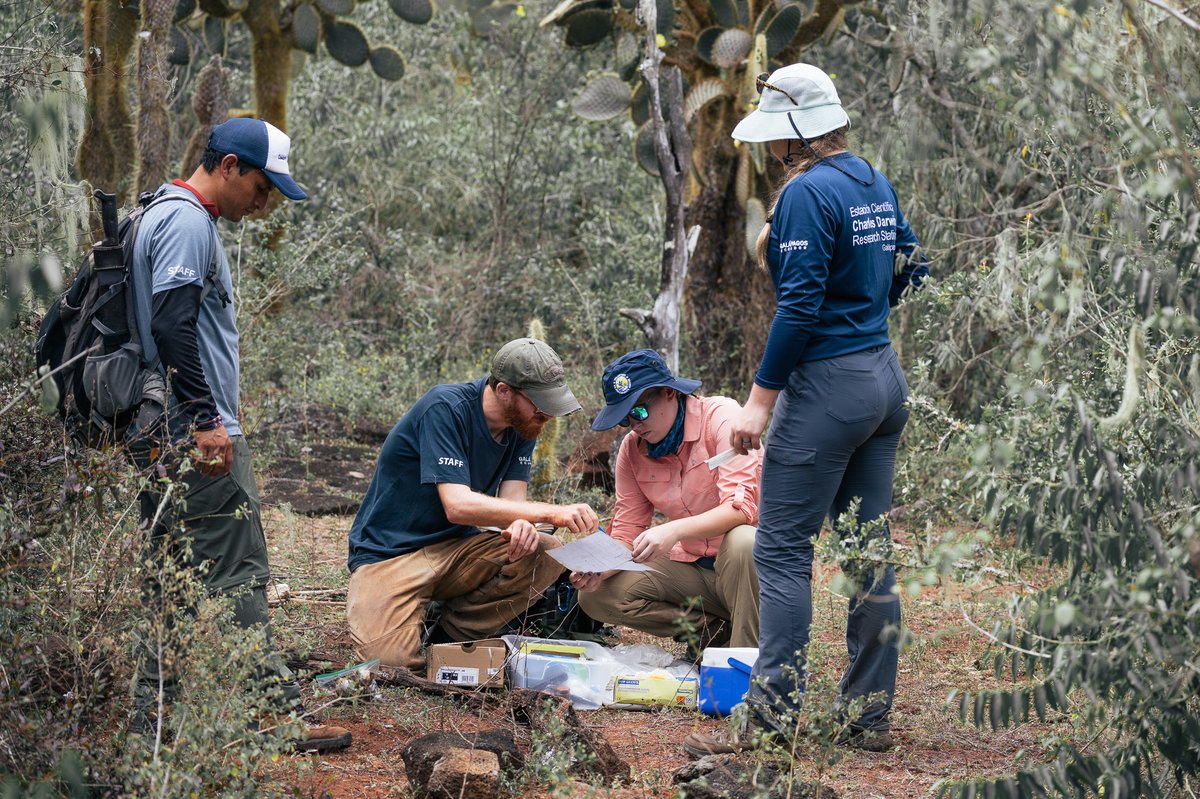
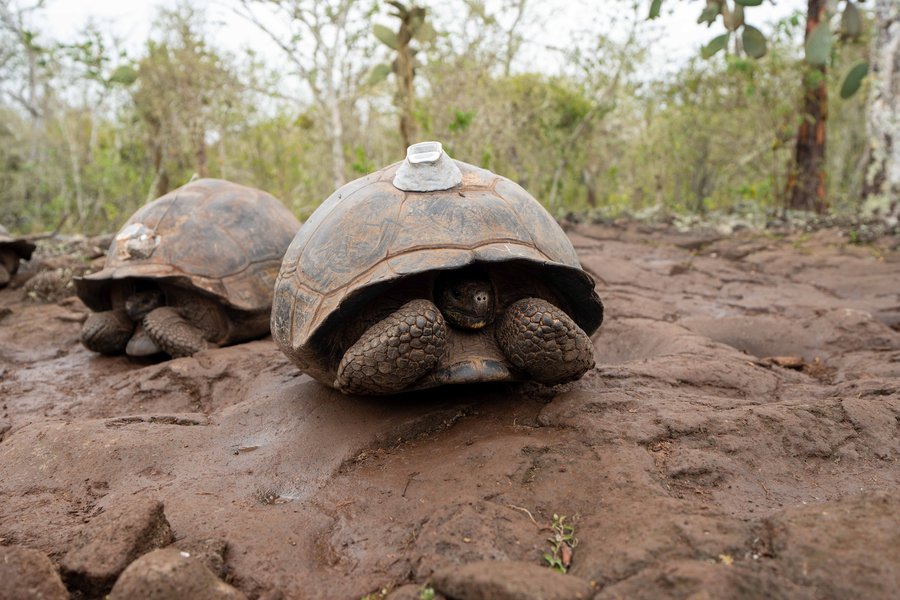
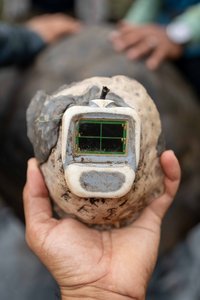
The study was a collaborative effort between Southern Illinois University and the Charles Darwin Foundation (CDF). Emily Buege Donovan, a PhD student at Southern Illinois University supervised by Guillaume Bastille-Rousseau, worked closely with CDF scientists Courtney Pike, Patrick Moldowan, Ainoa Nieto-Claudín, Freddy Cabrera and Cristian Peñafiel. Longtime CDF collaborators Sharon Deem of the Saint Louis Zoo and Stephen Blake of Saint Louis University also took part. The team analyzed GPS and accelerometer data from devices attached to the shells of 50 females between 2010 and 2024.
Rashid Cruz
Accelerometers record every movement of the animal along three axes. Digging a nest leaves a distinct signature, and a machine learning algorithm, trained on nests confirmed in the field with X-rays, learned to recognize it. This allowed the team to identify 391 nests from four threatened species across three islands. Chelonoidis donfaustoi and C. porteri live on Santa Cruz, C. hoodensis on Española and C. vandenburghi on Alcedo Volcano, on Isabela.
This is the first time that nests in the wild have been linked to known individual females. With traditional methods, this was nearly impossible for animals that roam several kilometers.
Loyal to their corner
Females usually place their nests less than 300 meters apart. Excluding C. vandenburghi, the average distance between nests laid by the same female drops to about 200 meters. The figure is striking because the home range of a C. porteri female averages more than 13 square kilometers. Limited mobility is not what keeps their nests close together. They choose to return.
Fidelity can also be measured in elevation. In western Santa Cruz, C. porteri females nest along a gradient of more than 120 meters, but each one stays within her own band. Between her highest and lowest nest, the difference averages just 8.7 meters.
The pattern holds within a single season and across years, in C. donfaustoi females that migrate and those that stay in one area.
Carlos Espinosa CDF
Rashid Cruz
Carlos Espinosa CDF
Multiple clutches and their own calendar
The study provides data that are rarely obtained in the wild. Each female laid between one and four nests per season, and in the C. donfaustoi group monitored with X-rays, up to five nests per season were recorded. Females also nested in 87% of the years they were tracked, and C. vandenburghi females nested every year. According to a review cited by the authors, fewer than half of the world's turtle and tortoise species have an estimate of how many times they nest per year in the wild.
The calendar varies by species. Chelonoidis vandenburghi, on Alcedo, starts and finishes nesting earlier, between April and October. Its nests are also more widely scattered, which the authors attribute to the volcano's caldera, with its deep pumice deposits and drier climate at high elevations. Meanwhile, C. hoodensis on Española nests later than C. porteri on Santa Cruz.
Rashid Cruz
Keys to giant tortoise conservation
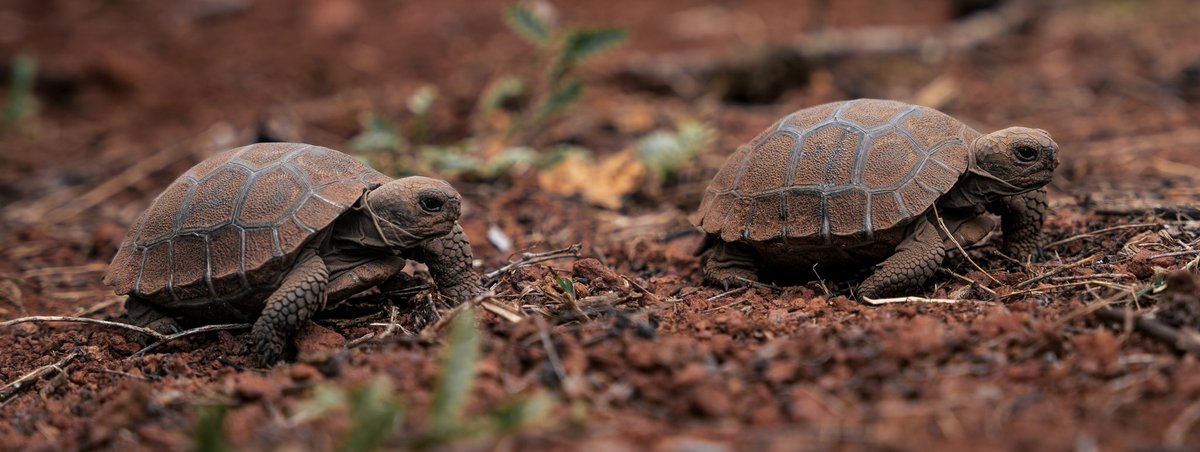
For giant tortoises, incubation temperature determines the sex of the hatchlings. Cooler temperatures produce males. Previous research in western Santa Cruz showed that at just 140 meters above sea level, the soil cools enough for 80% of C. porteri hatchlings to be male. That is why it matters so much that each female returns to the same elevation band year after year.
Site fidelity is an advantage as long as the location offers good conditions, but it can also become a risk. If climate change alters the temperature or moisture of these favored spots, females could keep laying their eggs where conditions no longer favor their offspring. The authors warn that, in that scenario, conserving these species could require nest relocation or captive rearing to secure new generations.
Charles Darwin Foundation research in Galápagos
Knowing where and when these females nest makes it possible to link their behavior to rainfall, temperature and nest success. This information helps decide which areas to prioritize for protection and how to respond to a changing climate. Questions remain. The study period included the strong El Niño event of 2015 and 2016, but the sample was too small to measure its effect.
Charles Darwin Foundation scientists have spent years studying the movements and reproduction of Galápagos giant tortoises. Their findings support management and conservation decisions across the archipelago.
Giant tortoises have lived on these islands for millions of years. Understanding how they choose where their young will hatch is key to their long-term survival.
Reference
Donovan, E. B., Blake, S., Deem, S. L., Moldowan, P. D., Nieto-Claudín, A., Pike, C., Cabrera, F., Peñafiel, C. and Bastille-Rousseau, G. (2026). A decade of tracking reveals strong nest site fidelity in four Galapagos giant tortoise species. Oikos, e12326. https://doi.org/10.1002/oik.12326