Results
Learn how to explore the Galapagos Islands responsibly. Our FAQs cover their volcanic origins, unique wildlife, and how every visit can help protect this extraordinary ecosystem.
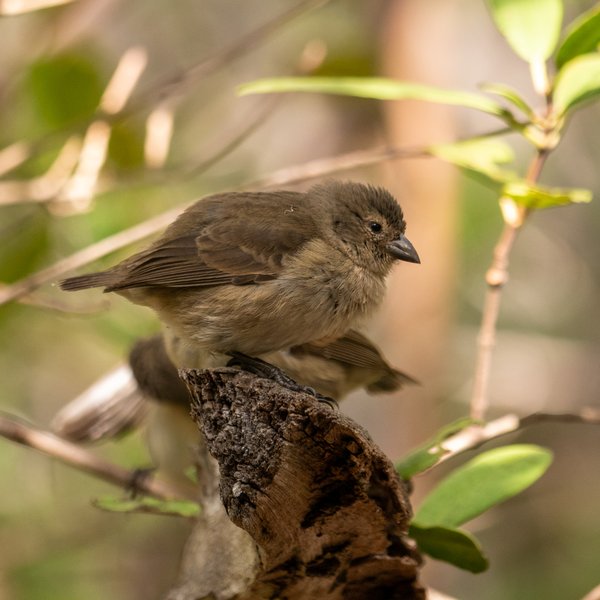
This year’s breeding season brought record success for the Little Vermilion Flycatcher with 39 fledglings, while the Critically Endangered Mangrove Finch continues to be a conservation priority. Discover how science, habitat restoration, and innovation are reshaping the future of Galápagos birds—and why this season marks a breakthrough in conservation.
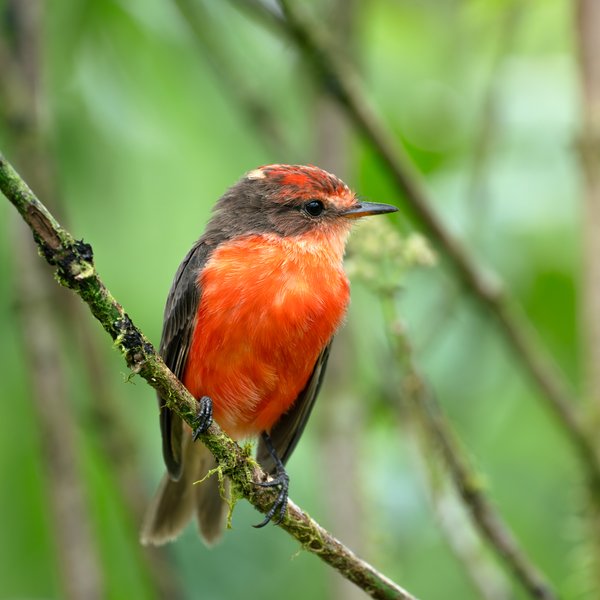
In Santa Cruz highlands, restoring Scalesia forests at Granillo Rojo supports biodiversity recovery, bringing back native plants and birds like the Little Vermilion Flycatcher through sustained, hands-on conservation efforts.
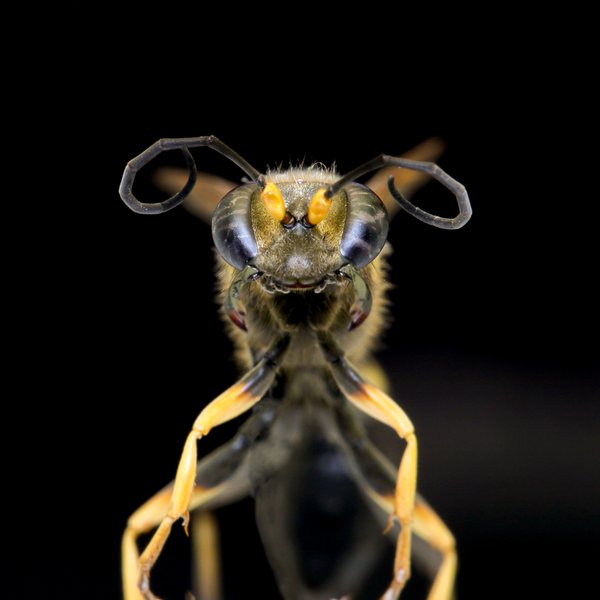
Research in the Scalesia forest on Santa Cruz Island revealed more than 200 taxa of parasitoid wasps, compared with only 30 species previously reported for Galapagos. These tiny insects play essential ecological roles and highlight how much remains unknown about the archipelago’s biodiversity and fragile ecosystems in the Pacific Ocean.
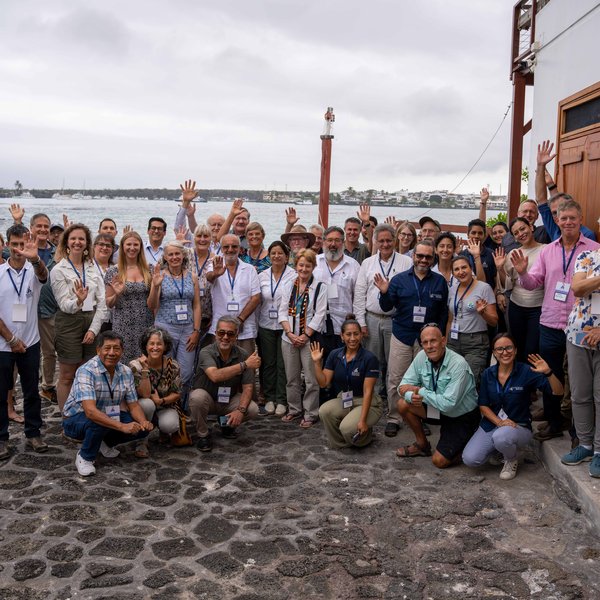
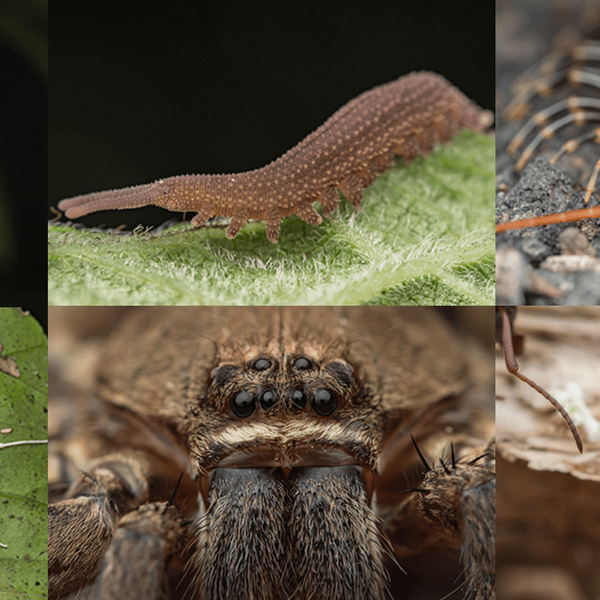
On Floreana, terrestrial invertebrates act as indicators of ecological recovery and as food for insectivorous birds. Monitoring them in protected and agricultural areas helps track habitat changes, detect invasive species, and assess whether the ecosystem is ready to support the reintroduction of animals that once disappeared locally from the island.
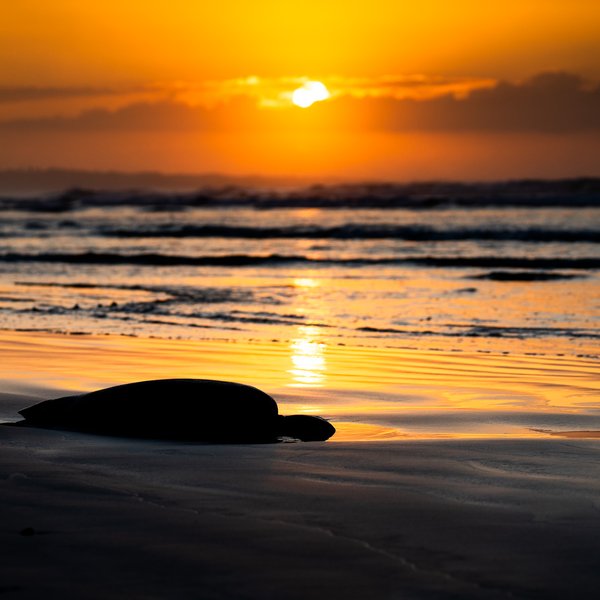
The Charles Darwin Foundation and Oceans Finance Company are delighted to announce a strategic partnership aimed at advancing crucial long-term conservation initiatives to enhance resilience to climate change in the archipelago and surrounding areas.
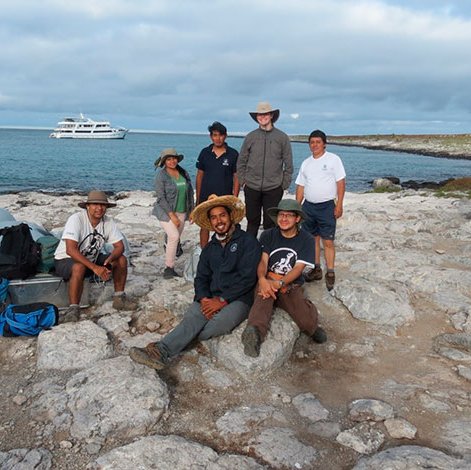
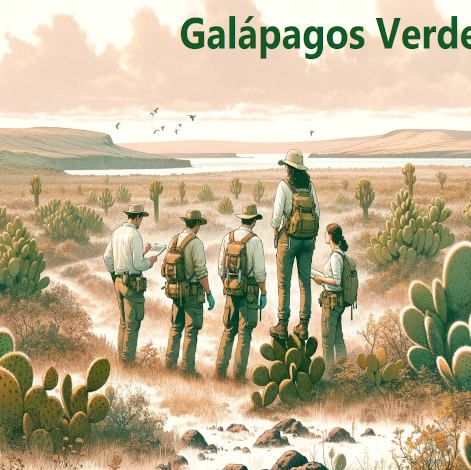
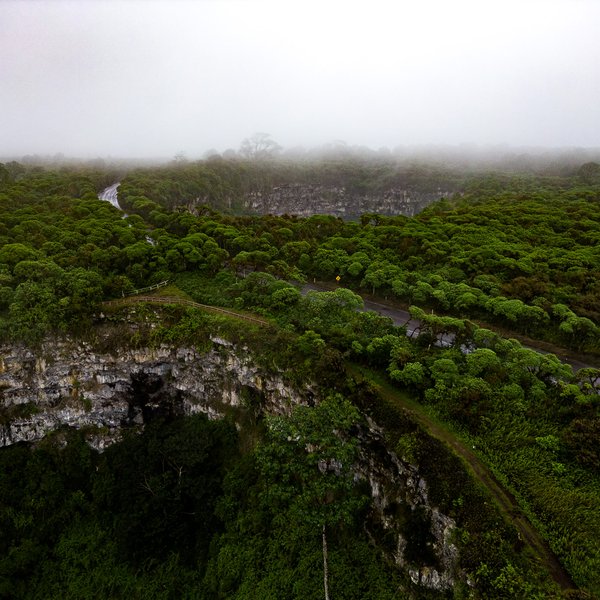
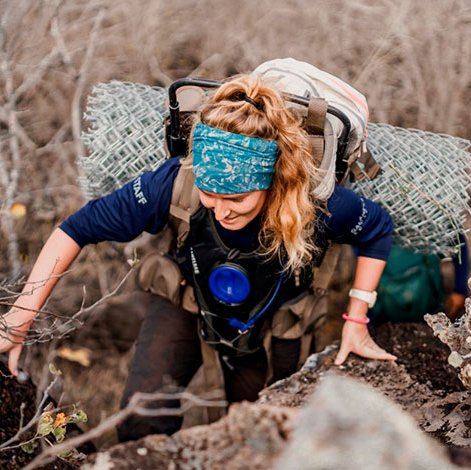
Working in Galápagos is more than just a job—it’s a mission, a deep connection to a fragile and unique ecosystem. With 12 years of experience in communication, I’ve had the privilege of witnessing how the collaboration between science and communication is one of the most powerful strategies for conserving this paradise.
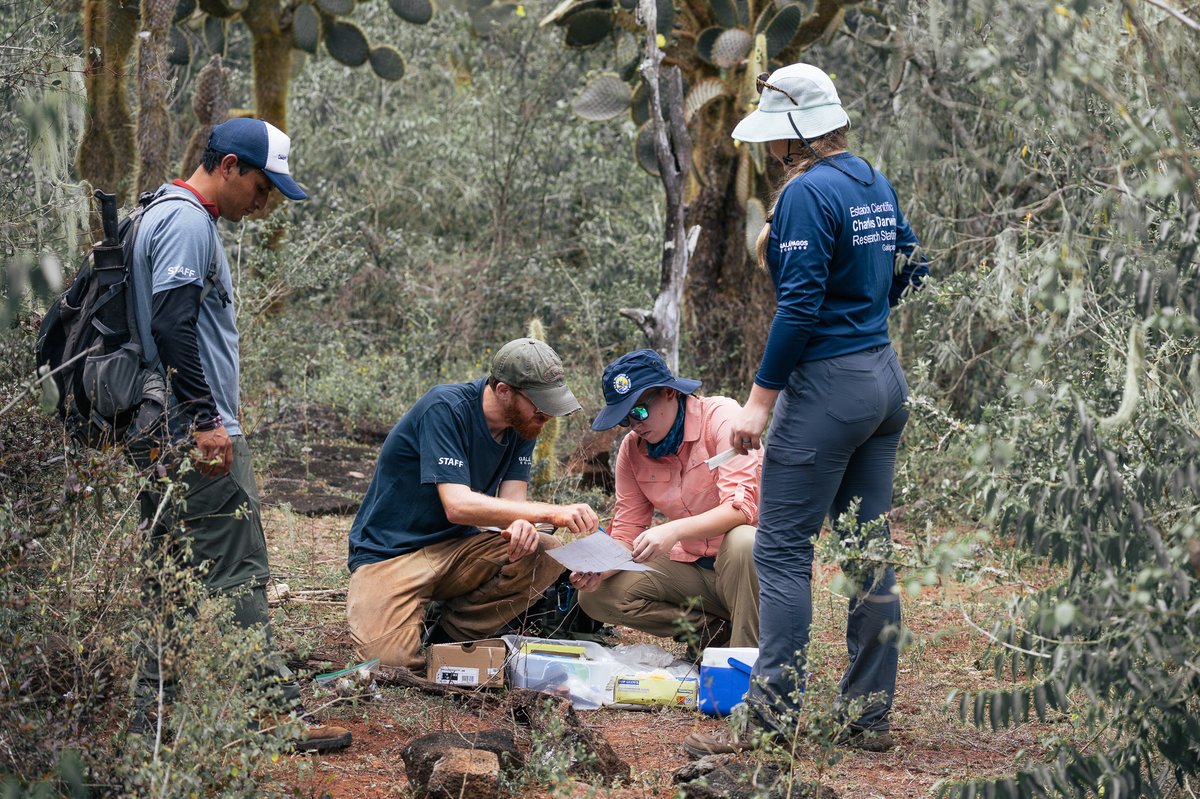
In this story, I’ll share one of my most recent field experiences in the Scalesia forest at Los Gemelos, where nature and human effort come together to protect our home.
Working in Galápagos is more than just a job—it’s a mission, a deep connection to a fragile and unique ecosystem. With 12 years of experience in communication, I’ve had the privilege of witnessing how the collaboration between science and communication is one of the most powerful strategies for conserving this paradise.
In this story, I’ll share one of my most recent field experiences in the Scalesia forest at Los Gemelos, where nature and human effort come together to protect our home.
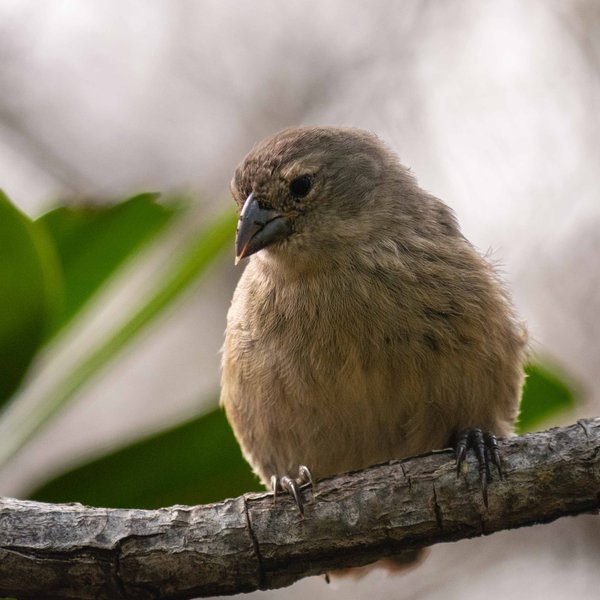
The Galápagos Islands face a growing threat from invasive species that endanger native biodiversity. Classical biological control, using natural enemies to regulate these species, offers a sustainable and safe way to restore ecological balance and protect this unique ecosystem.
Galápagos landbirds soar to new heights.
This year’s breeding season brought record success for the Little Vermilion Flycatcher and cautious hope for the Critically Endangered Mangrove Finch. Discover how science, habitat restoration, and innovation are reshaping the future of Galápagos birds—and why this season marks a breakthrough in conservation.
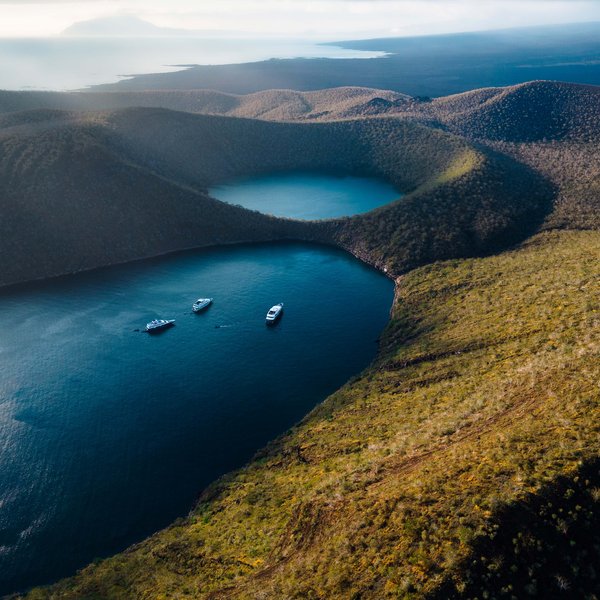
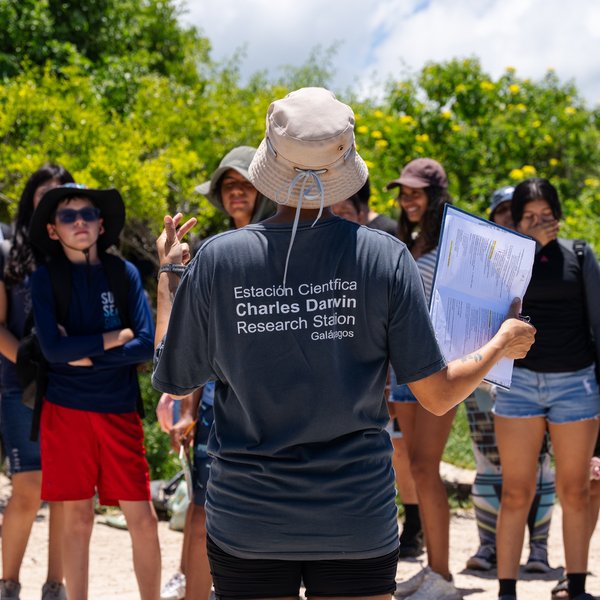
In 1966, a course at the Charles Darwin Research Station marked the beginning of environmental education in Galápagos. Teachers learned to use the natural environment as a teaching tool, linking conservation and community. This experience laid the foundation for context-based education that remains essential to protect the islands’ unique ecosystems.
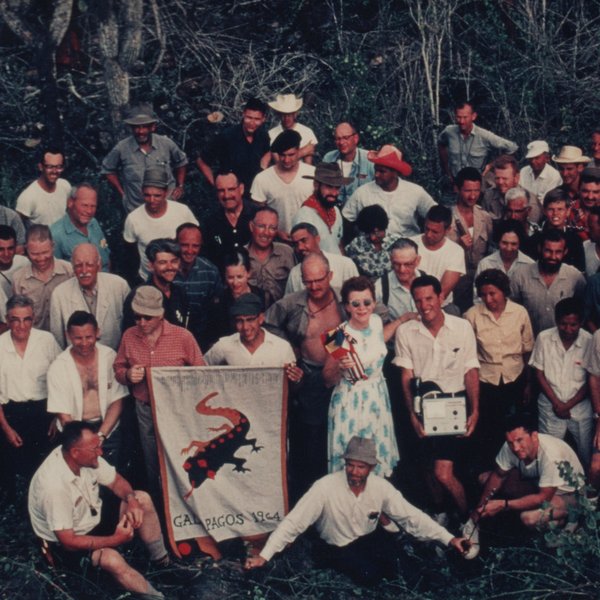
Discover the Charles Darwin Foundation, established in 1959 to protect the Galapagos Islands' fragile ecosystem. As the oldest and largest science and conservation organization in the archipelago, our Research Station leads efforts to preserve this unique environment through groundbreaking research and conservation milestones.
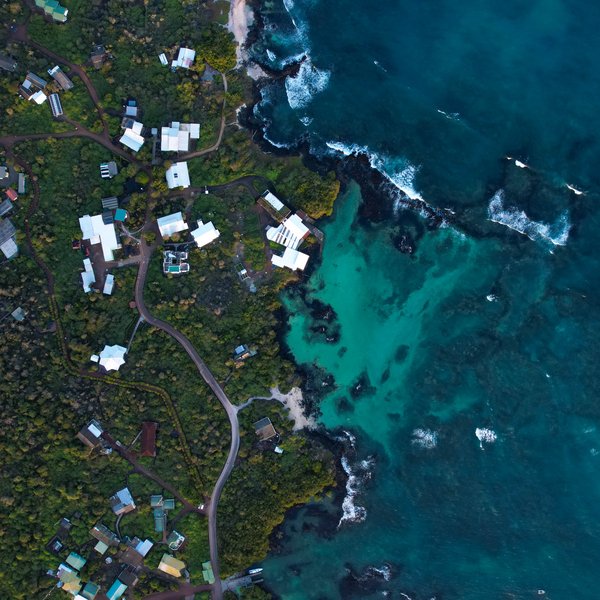
Discover the mission, vision, and impact of the Charles Darwin Foundation. Dedicated to preserving the Galapagos Islands through groundbreaking scientific research and conservation initiatives since 1964.