Results
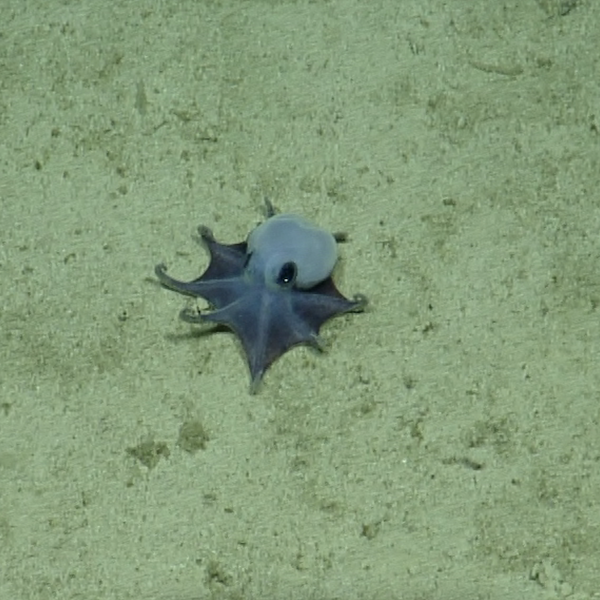
Microeledone galapagensis, a tiny blue octopus discovered 1,770 meters beneath the waters of Galápagos, highlights how much remains unknown about the deep sea. Its identification as a new species was made possible by years of preservation in the Charles Darwin Foundation’s marine collections, underscoring their importance for scientific research.
While diving in Galapagos, Erika De la Cruz encountered a hammerhead shark unlike any she’d seen before—one with a curved spine. What began as a routine dive turned into a groundbreaking scientific discovery. Read her story of wonder, resilience, and the power of observation beneath the waves.
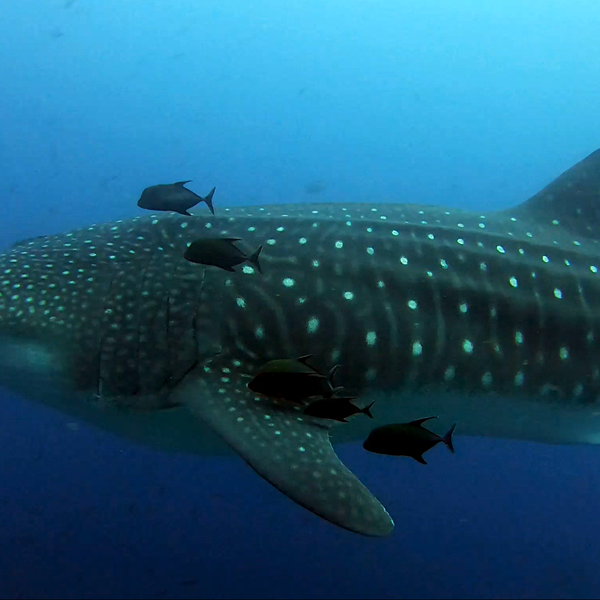
For the first time, international trade of a commercially important shark was banned, and protections expanded to 70+ shark & ray species.

Former Ecuadorian President Rodrigo Borja played a pivotal role in strengthening the institutional foundations of conservation in Galápagos. As an Honorary Member of the CDF, he supported science-based stewardship through key agreements, governance frameworks, and lasting commitments that continue to shape conservation efforts today.

A new regional alliance is opening a window into the deep ocean of the Eastern Tropical Pacific, one of the least explored parts of our planet. By joining scientific expertise, conservation action, and international collaboration, this initiative aims to generate the knowledge needed to better protect vast marine ecosystems and inform ocean stewardship.
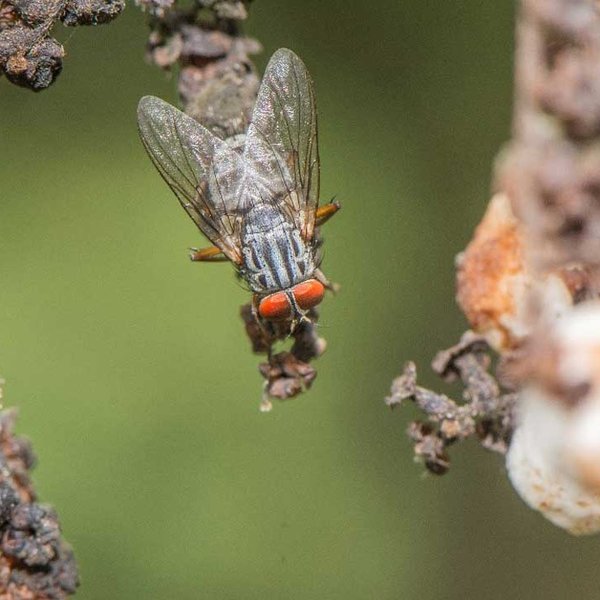
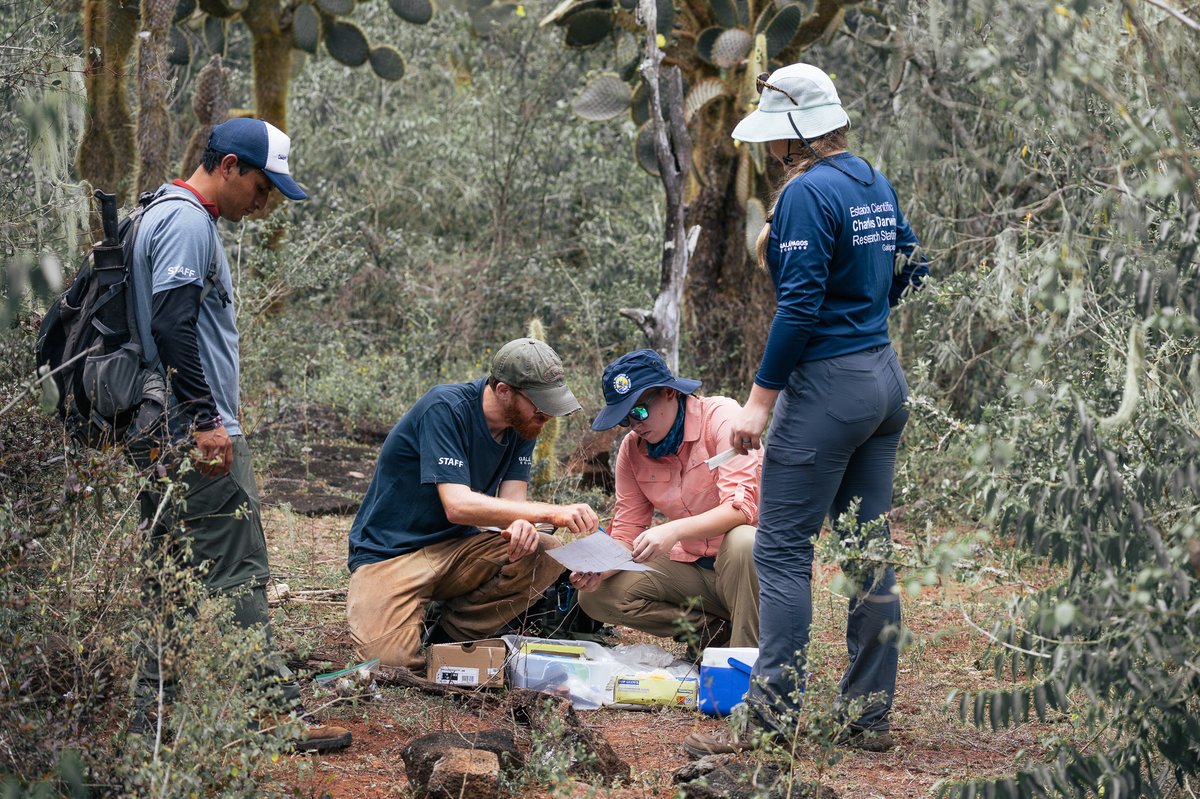
Scientists in Galápagos are tracing the origin of the invasive avian vampire fly to find a safe, long-term solution. This story follows a decade-long scientific journey into biological control—where patience, precaution, and nature itself may offer new hope for endemic birds on the brink.
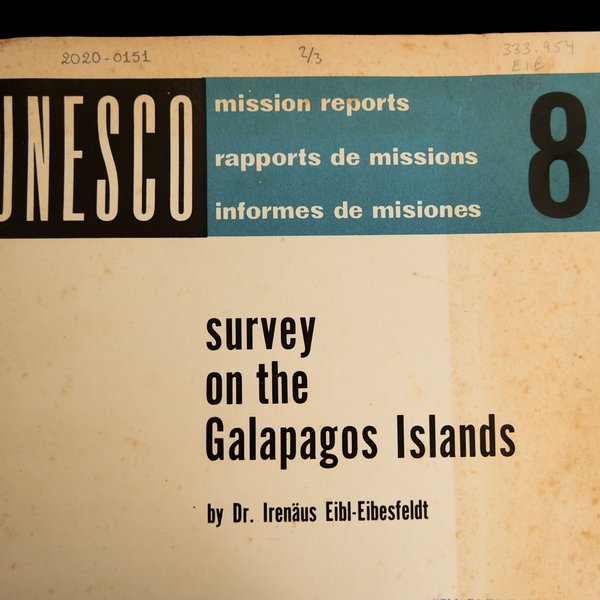
The conservation of Galápagos began in the 1950s, when scientists first raised concerns about threats to the islands’ unique biodiversity. This period led to the creation of the Charles Darwin Foundation and the Galápagos National Park in 1959.
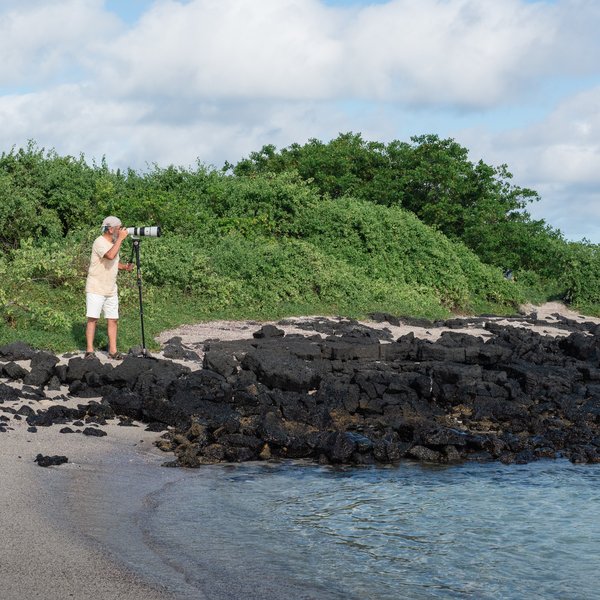
Ornithologist Juan Manuel Carrión shares his perspective on the Galápagos as the world's greatest living laboratory for understanding evolution. In this interview, he discusses endemic birds, the contributions of Peter and Rosemary Grant, the potential of birdwatching tourism, and the Charles Darwin Foundation's role in conservation and scientific capacity building.
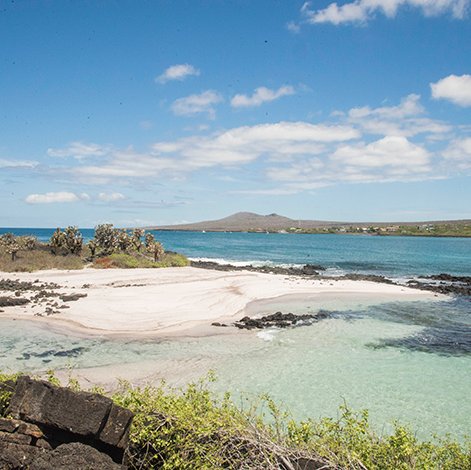
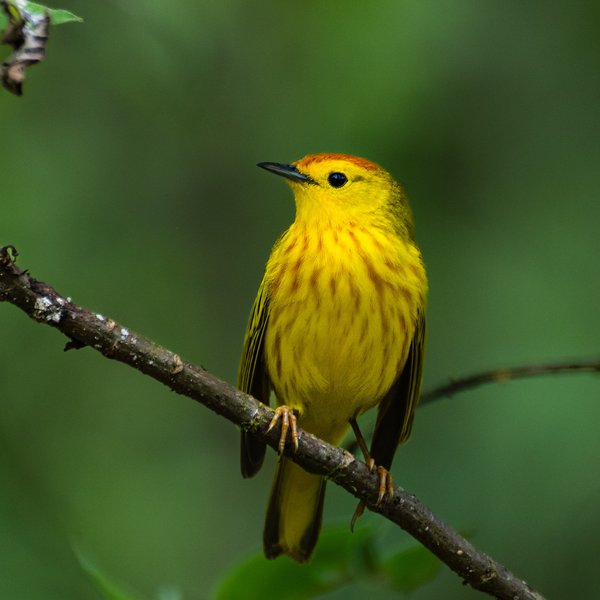
Beneath Galápagos’ iconic birds lies a hidden story of health and survival. A new study reveals the presence of viruses in landbird populations, offering the first baseline of disease risk in these unique species. Discover why monitoring “invisible diseases” is essential to protecting the future of Galápagos biodiversity.
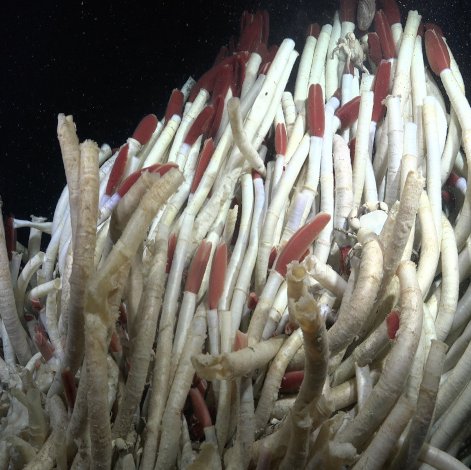
Scientists on a Schmidt Ocean Institute expedition have discovered a new hydrothermal vent field larger than a professional soccer field. The vent field found in the Pacific Ocean off the Western Galápagos Islands consists of five geyser-like chimneys and three hot springs, like those you might see in Yellowstone.