Results

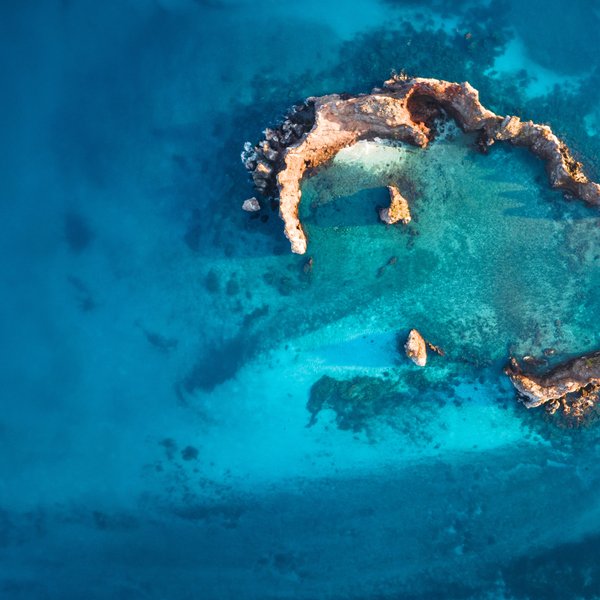
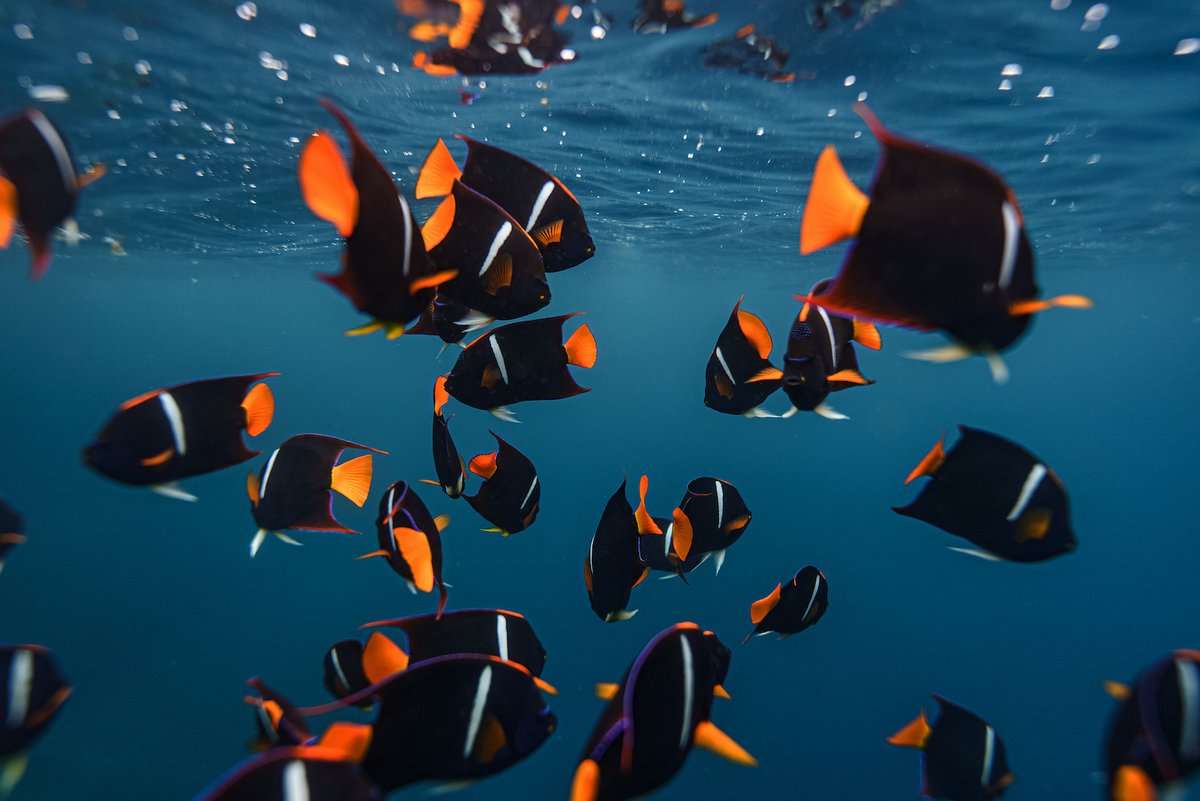
The Charles Darwin Foundation will attend the third UN Ocean Conference and the One Ocean Science Congress in Nice, co-hosting and speaking at events across the Blue and Green Zones. Join us as we highlight marine science, regional collaboration, and urgent action for ocean conservation.
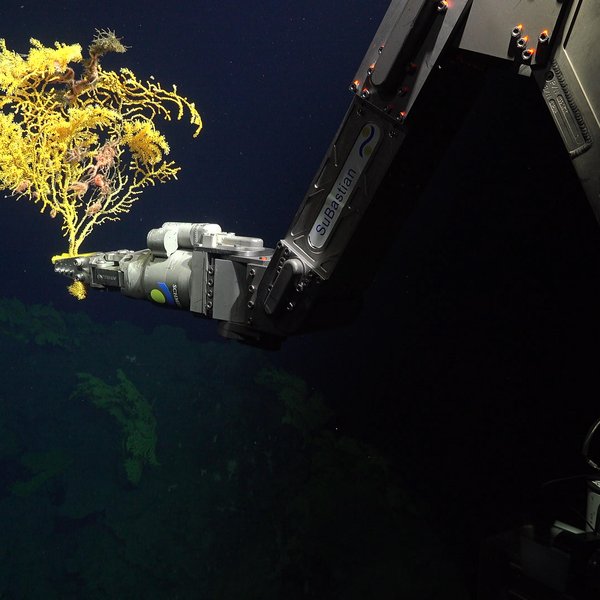
Discover the New Regional Partnership for Deep Ocean Exploration in the Eastern Tropical Pacific
From the Galapagos, the Charles Darwin Foundation issues a science-driven manifesto to UNOC 3 delegates, pressing for robust global policies that conserve marine biodiversity, stop IUU fishing, enforce sustainable tourism, and spark regenerative blue economies that secure ocean health and human prosperity.

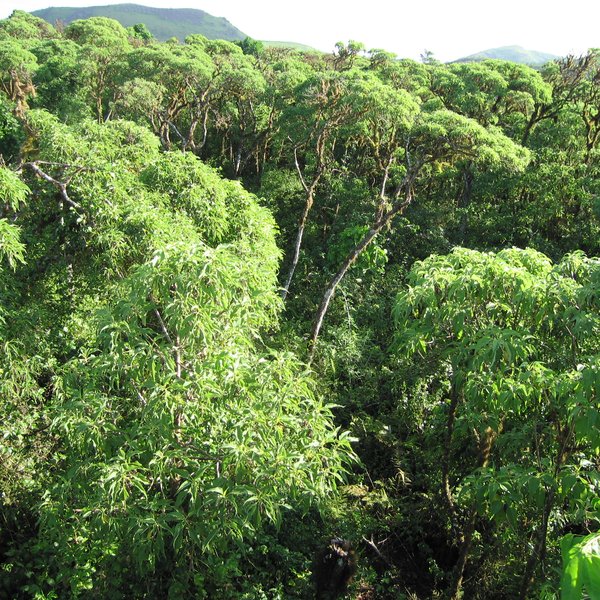
Study reveals urgent need for large scale invasive species management to prevent extinction of endemic forest in the Galapagos Islands
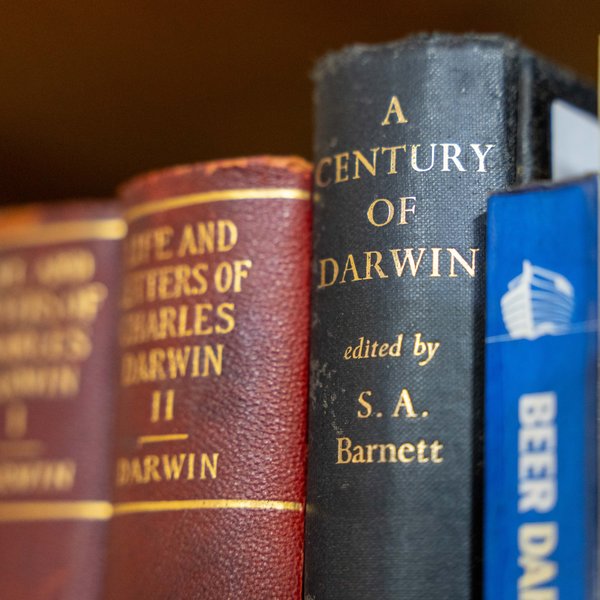
The G.T. Corley Smith Library at the Charles Darwin Foundation holds the world’s most comprehensive collection of publications on the Galápagos Islands. Its “Galápagos Collection” includes both scientific and grey literature, making it an invaluable resource for research and conservation. A digitization effort is underway to expand global access to this knowledge.
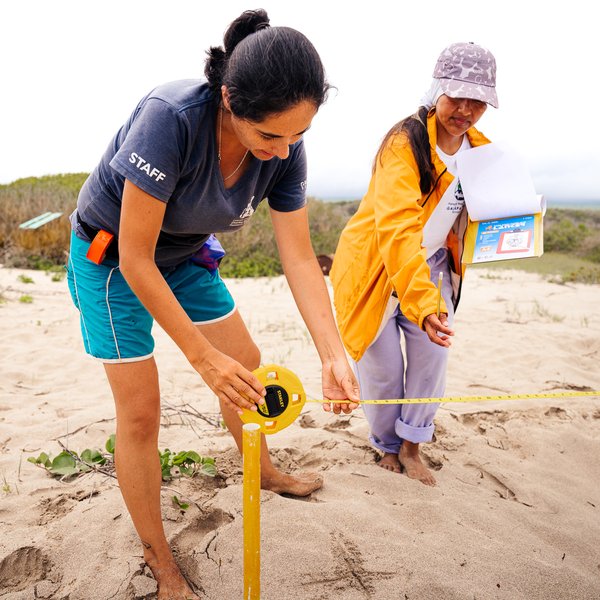
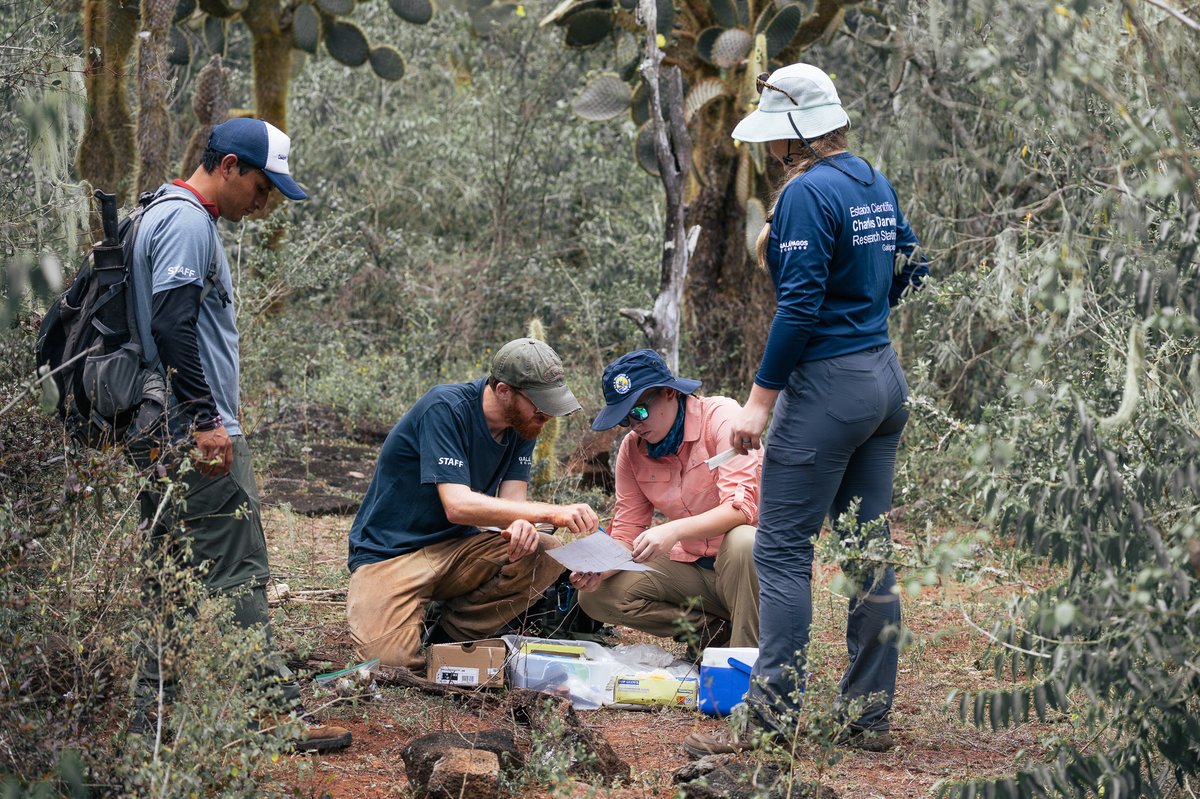
On February 11, we celebrate the International Day of Women and Girls in Science, a day to recognize the importance of strengthening female participation in science, especially in places like the Galapagos Islands. This archipelago, iconic for global conservation, has become a living laboratory where women and men work together to protect this unique ecosystem. The women of Galapagos, with their talent and dedication, demonstrate that conservation is stronger when everyone joins forces.
On February 11, we celebrate the International Day of Women and Girls in Science, a day to recognize the importance of strengthening female participation in science, especially in places like the Galapagos Islands. This archipelago, iconic for global conservation, has become a living laboratory where women and men work together to protect this unique ecosystem. The women of Galapagos, with their talent and dedication, demonstrate that conservation is stronger when everyone joins forces.
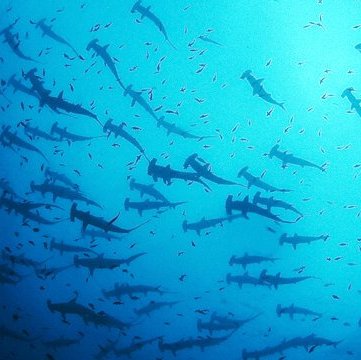
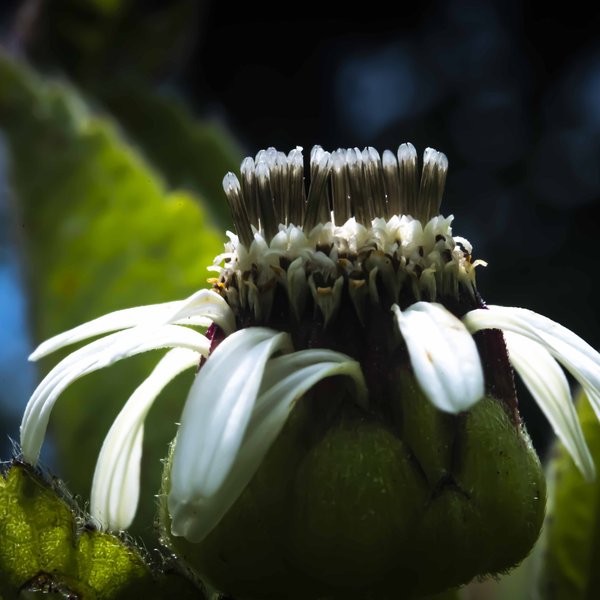
Dr. Syuzo Itow, a Japanese botanist and professor at Nagasaki University, was a key figure in the study of Galápagos. He researched the Scalesia forests, helped secure long-term support for botanical work at the Charles Darwin Foundation, and in 2005 founded the Japanese Association of Friends of Galápagos (JAGA), fostering scientific and cultural exchange between Japan, Galápagos, and the Ogasawara Islands.
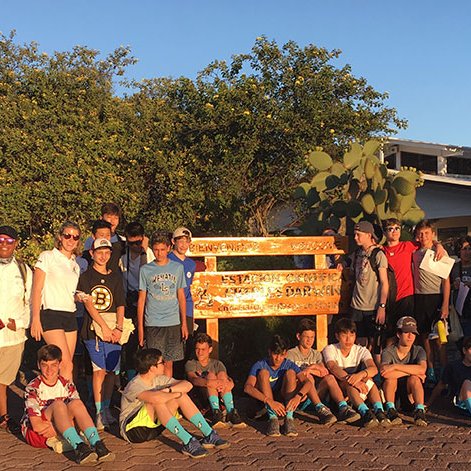
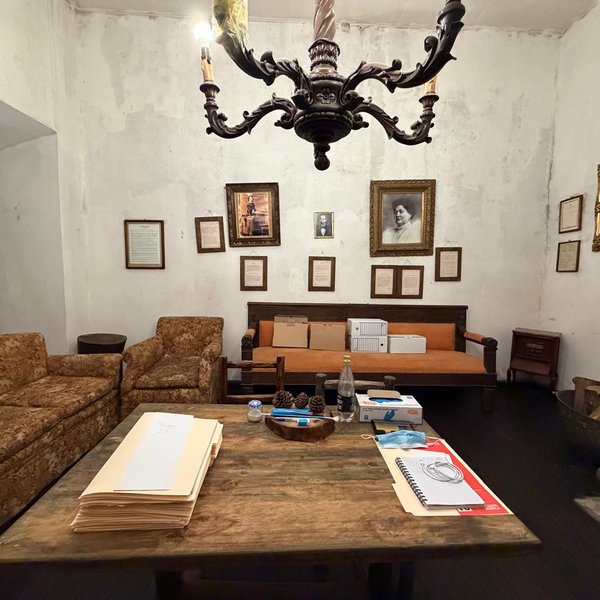
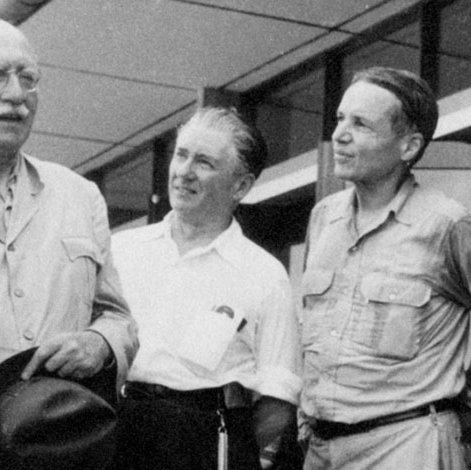
A look back at the origins of the Charles Darwin Foundation and the key role of Cristóbal Bonifaz in shaping science and conservation in Galápagos, and how the recovery of his archives reconnects us with that shared legacy.
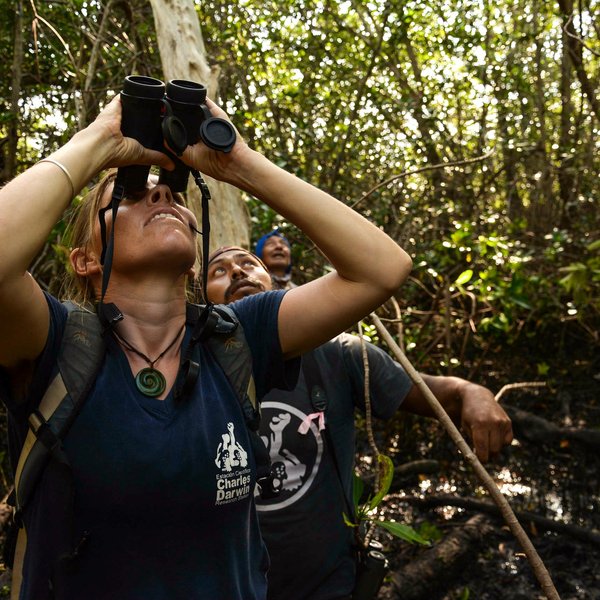
Since its inception in 1971, our Scholarship Program has enabled over 250 students from Galapagos to complete their education and pursue careers in conservation.