Results
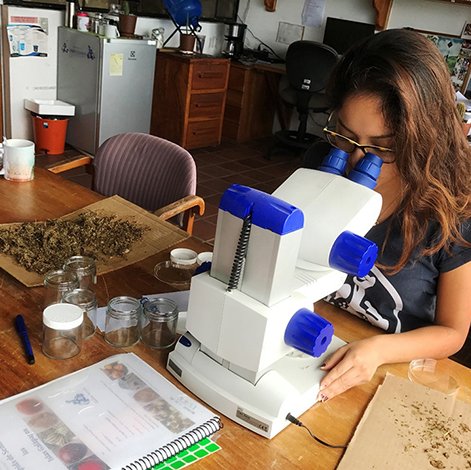
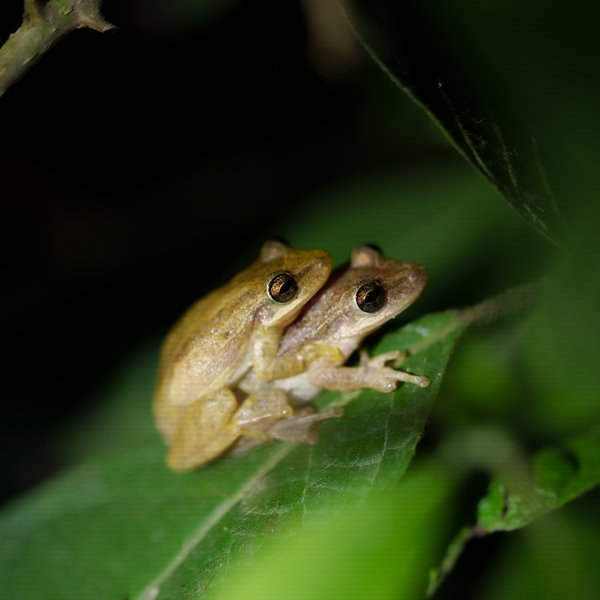
The Charles Darwin Foundation (CDF) is pleased to unveil the Galapagos Introduced Species Dashboard, the first open-access digital repository of information about species introduced to the Galapagos Islands.
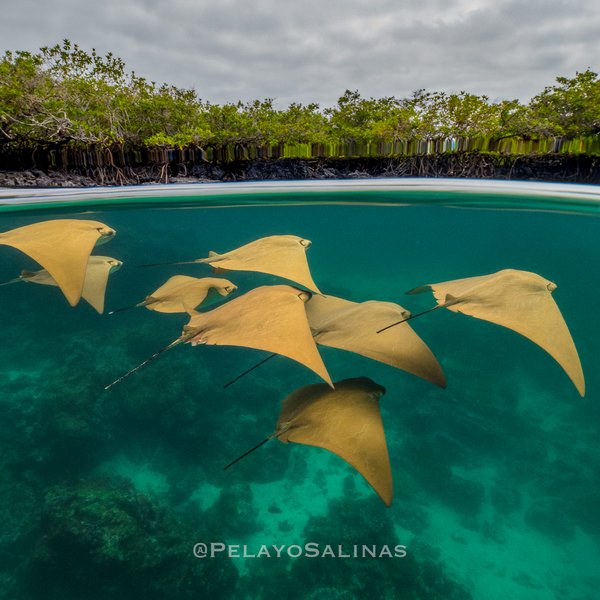
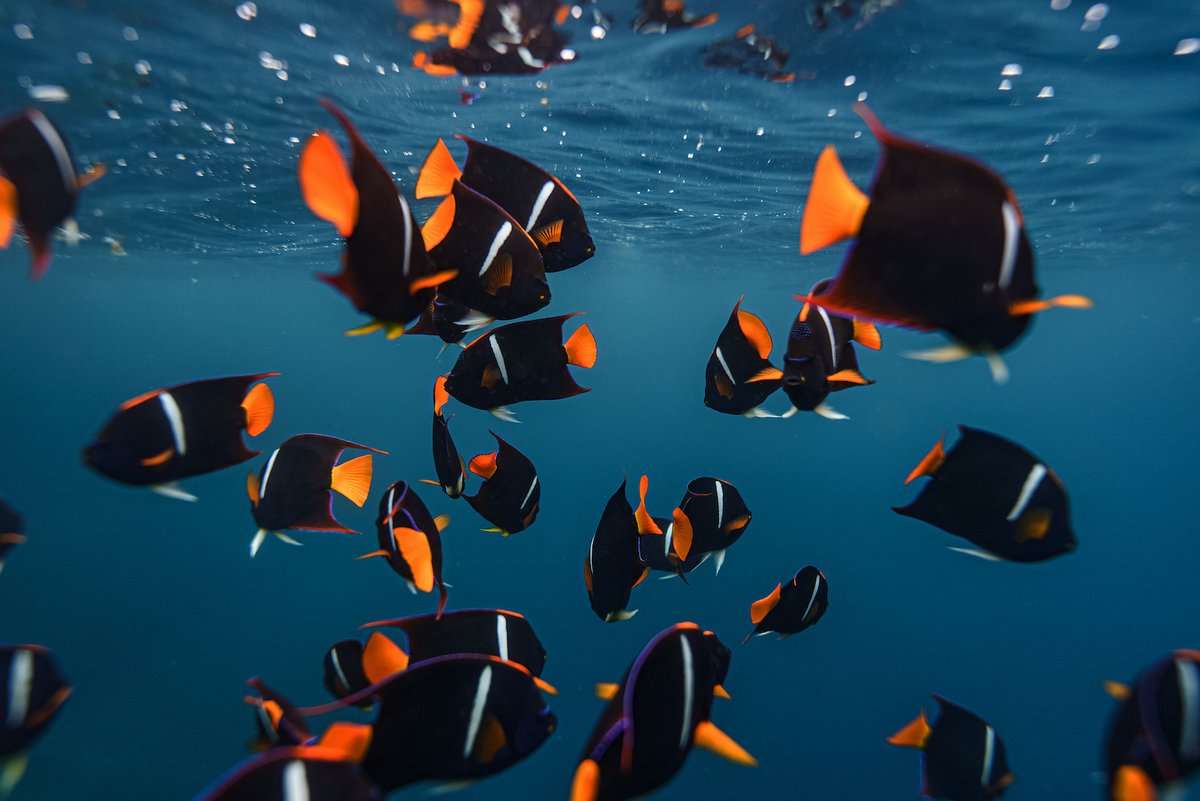
A recent study published in the prestigious scientific journal Global Change Biology reveals that nearly a quarter of chondrichthyan species (cartilaginous fish including sharks, rays, and chimeras) in the Eastern Tropical Pacific (ETP) are highly vulnerable to climate change.
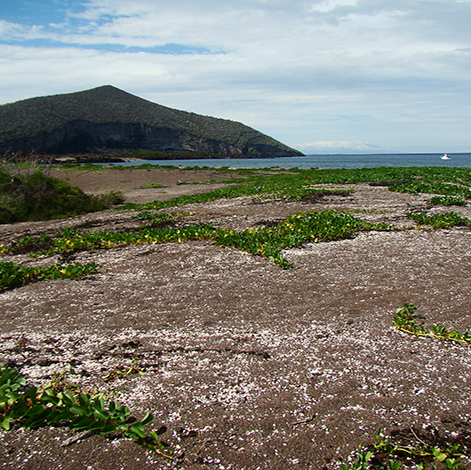
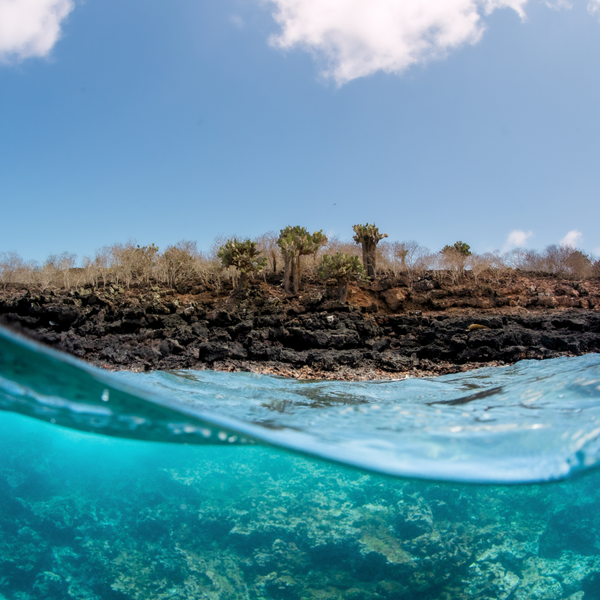
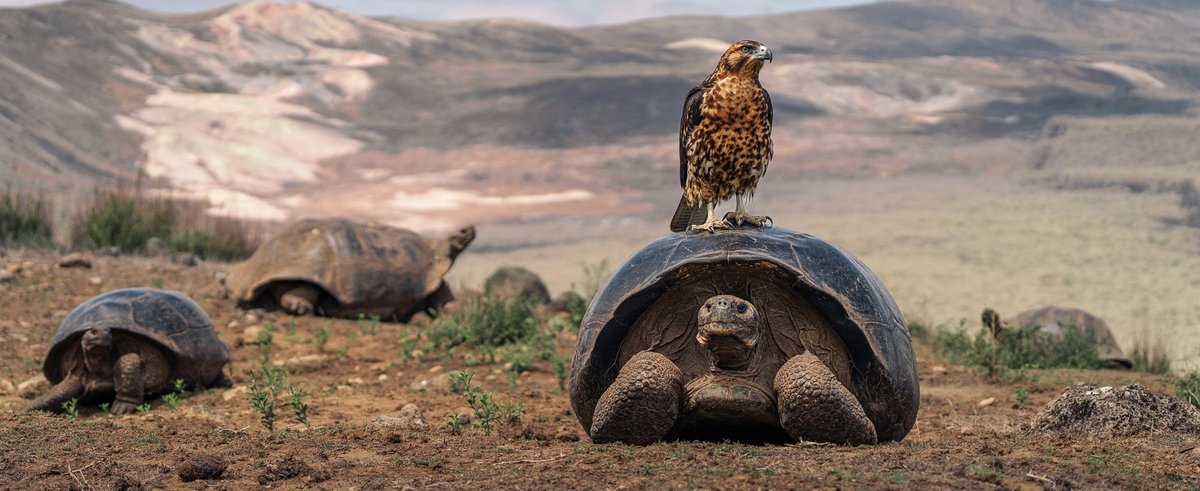
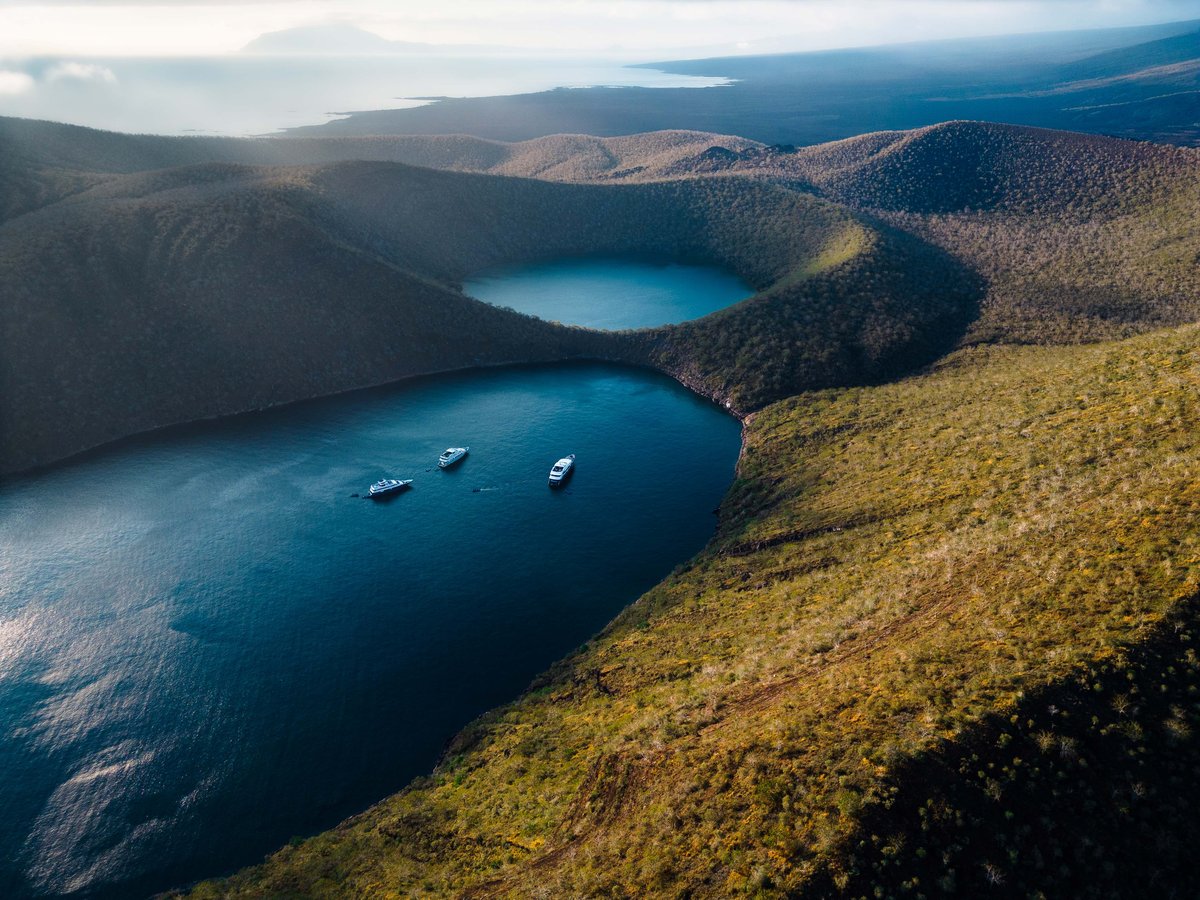
Explore the Galapagos Islands' volcanic beginnings, unique biodiversity, and the global conservation efforts led by the Charles Darwin Foundation to protect them.
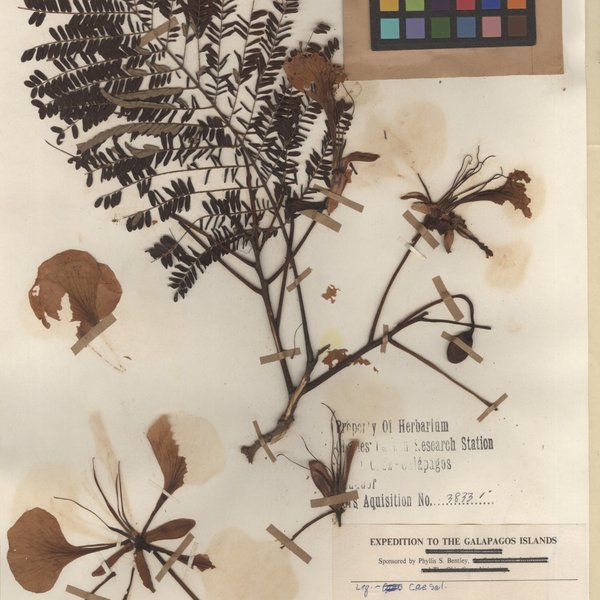
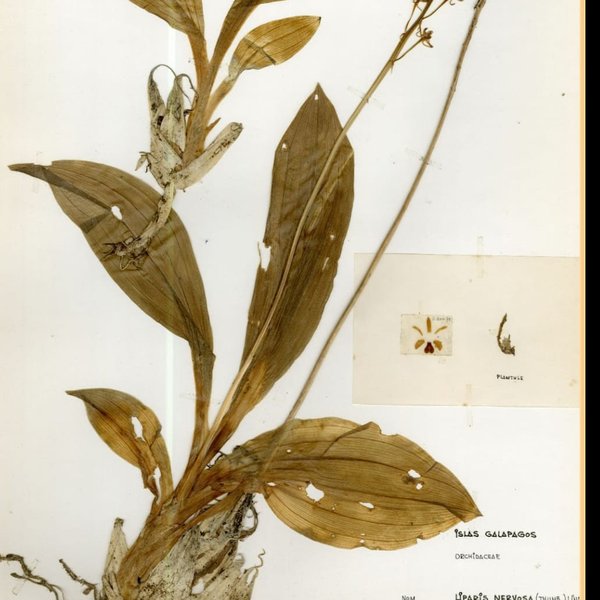
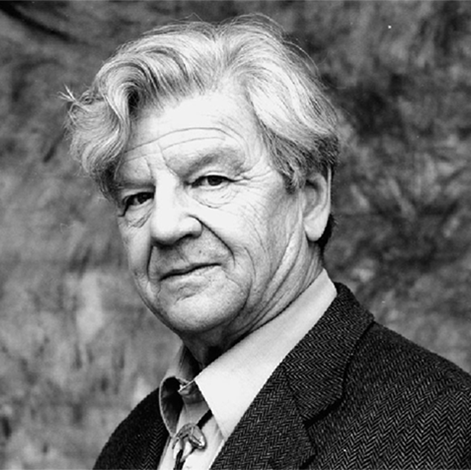
Orchids, art, and perseverance intertwine in this remarkable story of Daniel Weber, a Swiss architect whose passion for botany left a hidden legacy in Galápagos. Decades later, a near-lost orchid collection is rescued against the odds—revealing a powerful journey of science, memory, and the people determined to bring it back.
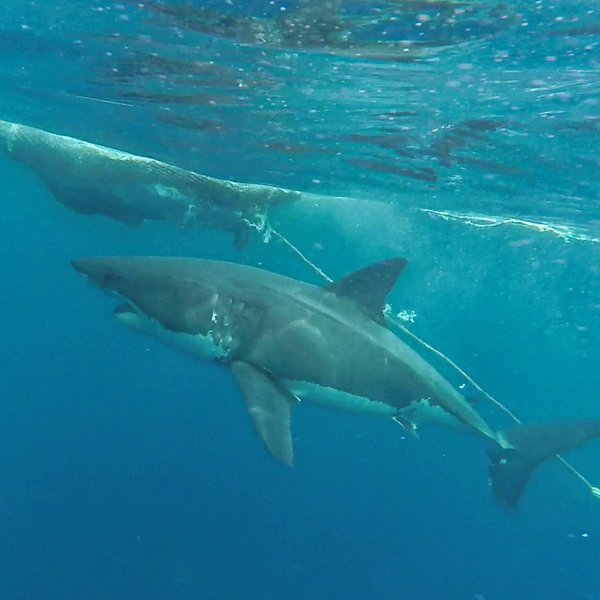
Researchers from the Charles Darwin Foundation and the Galapagos National Park have published the first confirmed record of a white shark in Ecuadorian waters. The encounter, roughly ninety kilometers west of Wolf Island and outside the Galapagos Marine Reserve (GMR), marks an unusual sighting of this species in the Eastern Tropical Pacific, where sightings south of Mexico's coastline are exceptionally rare.

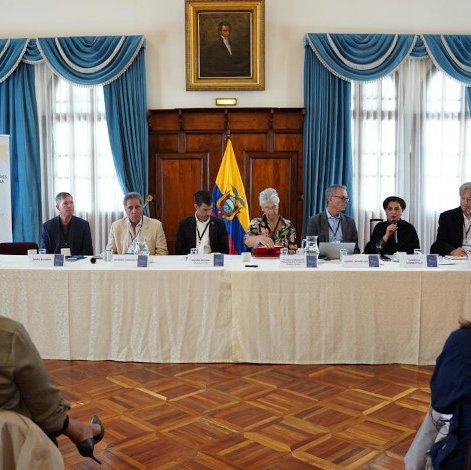
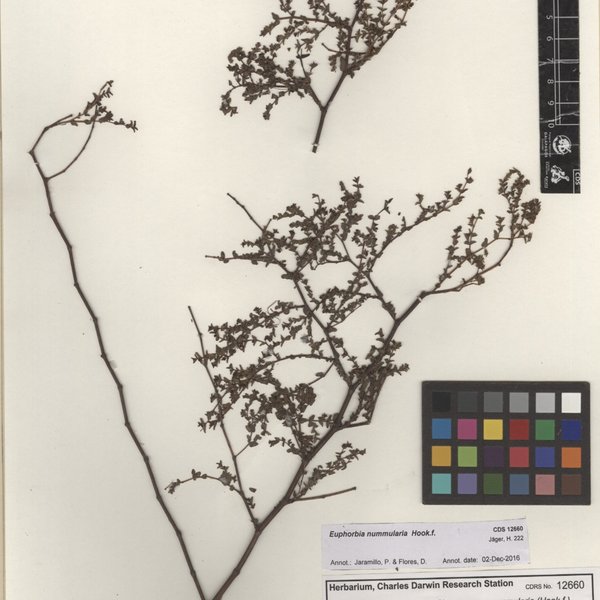
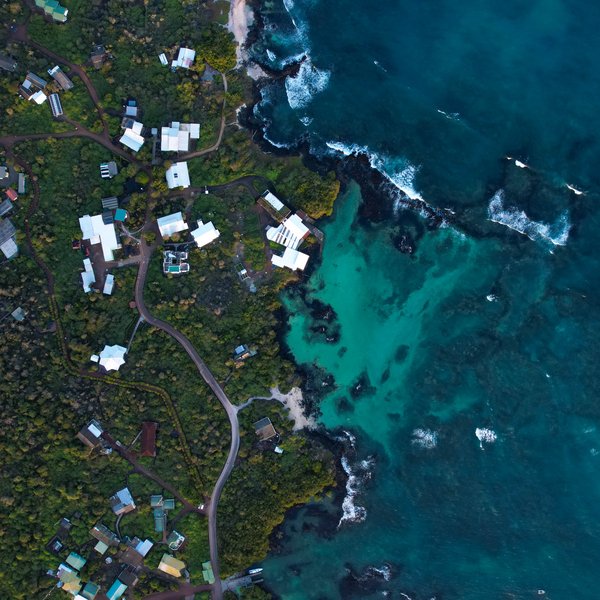
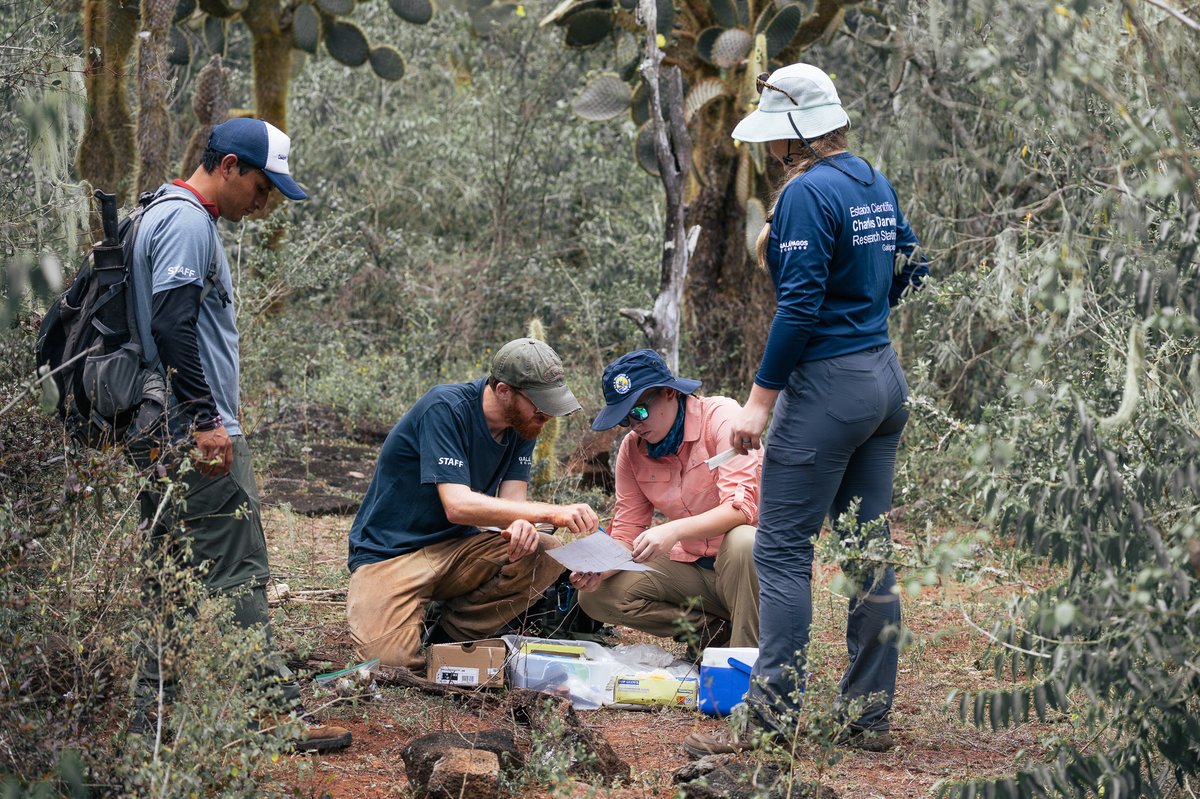
Inaugurated in 1964 as a base for scientists conducting their research on Galapagos, the Charles Darwin Research Station on Santa Cruz Island welcomes all visitors to discover how our scientific research and conservation actions ensure we safeguard one of the world’s most important natural treasures for future generations.

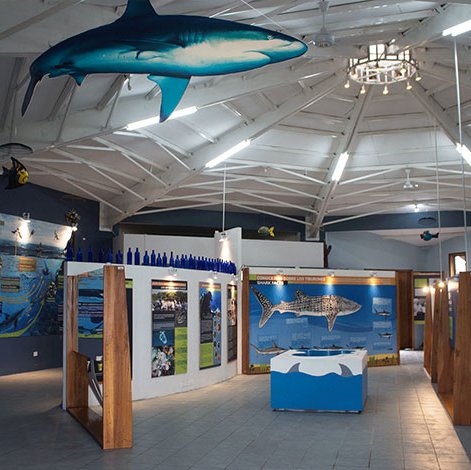
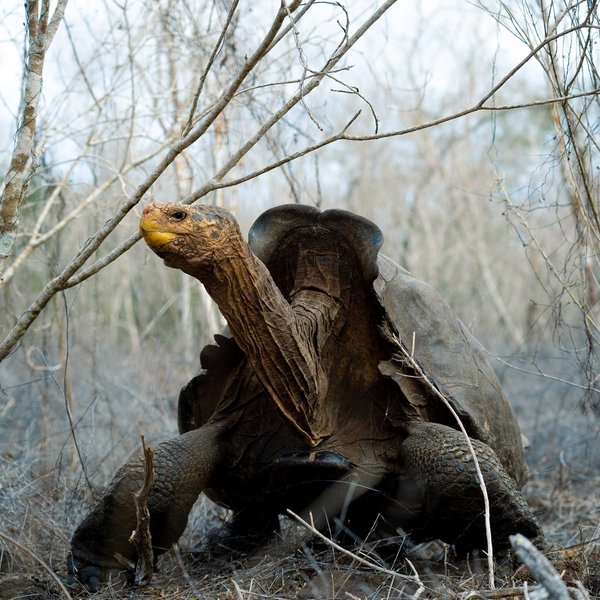
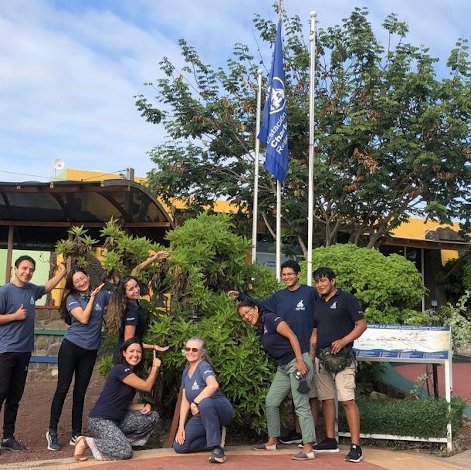
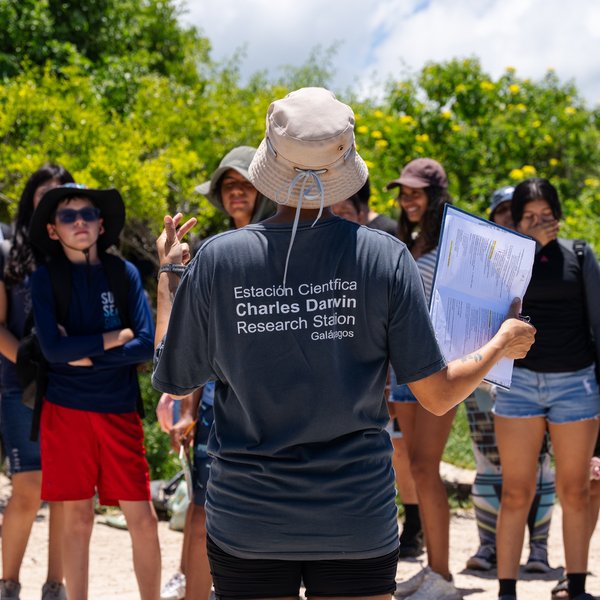
In 1966, a course at the Charles Darwin Research Station marked the beginning of environmental education in Galápagos. Teachers learned to use the natural environment as a teaching tool, linking conservation and community. This experience laid the foundation for context-based education that remains essential to protect the islands’ unique ecosystems.