Results
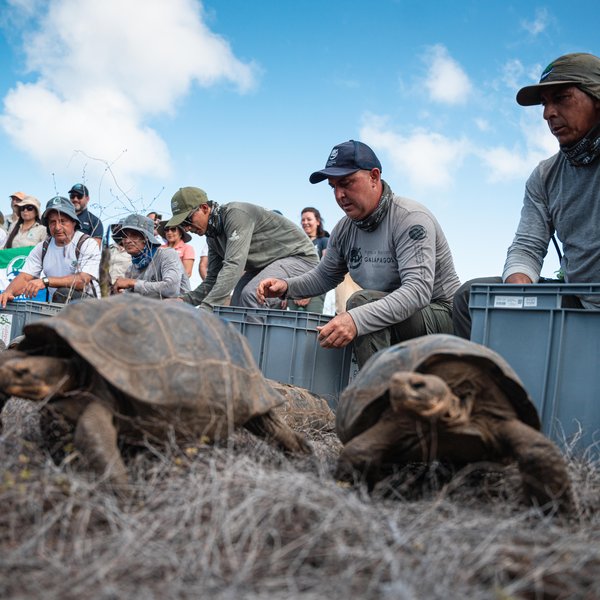
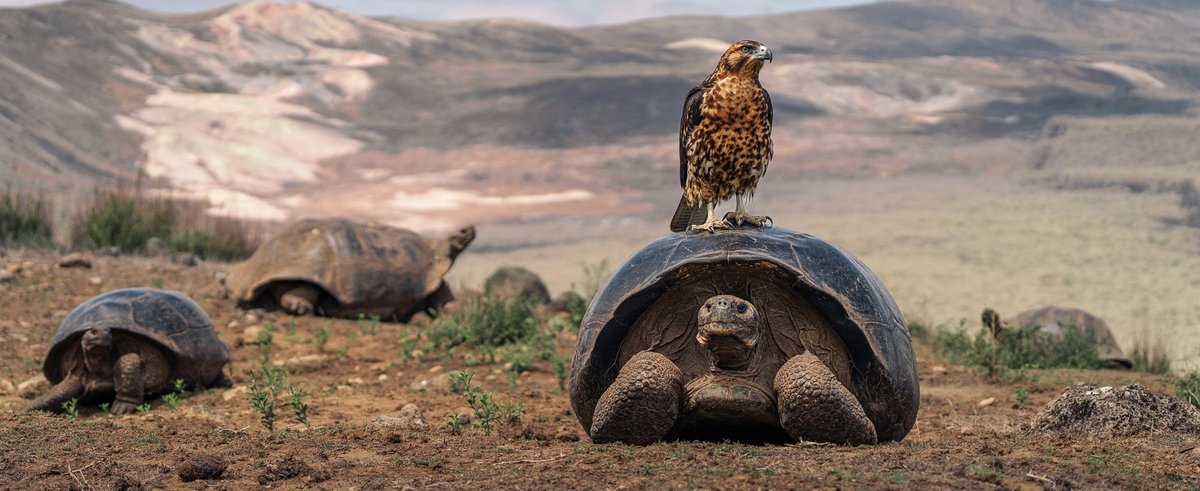
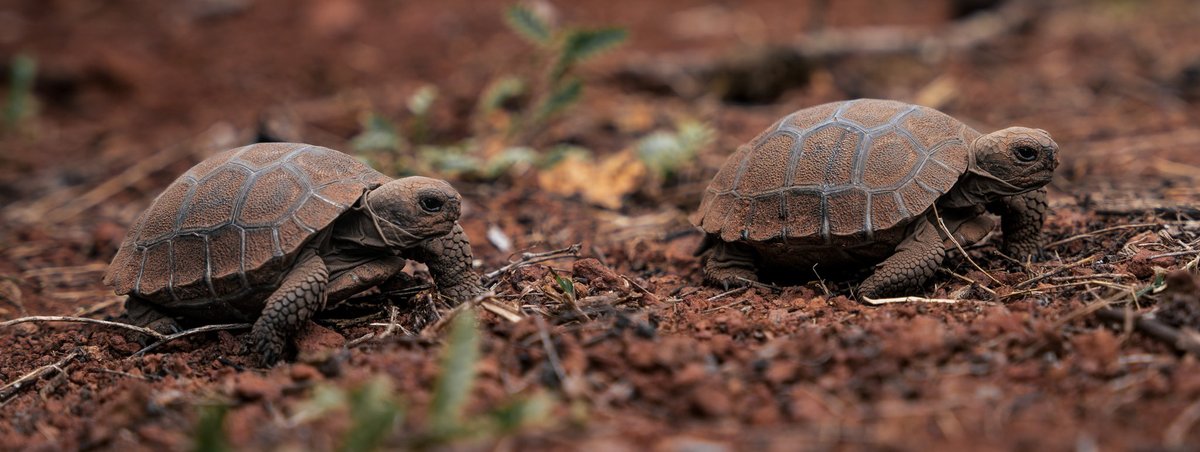
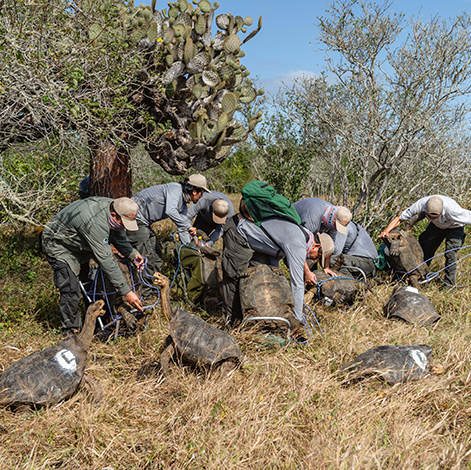
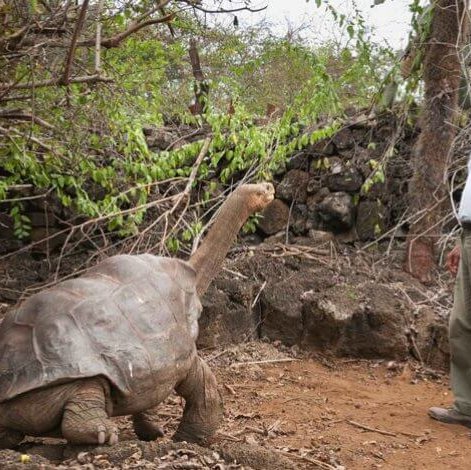
After more than 180 years, 158 endangered giant tortoises have returned to Floreana Island, marking a historic milestone in the Galápagos’ largest restoration effort. Discover how science, community leadership, and global collaboration are bringing back a lost lineage—and rebuilding an entire ecosystem from the ground up.
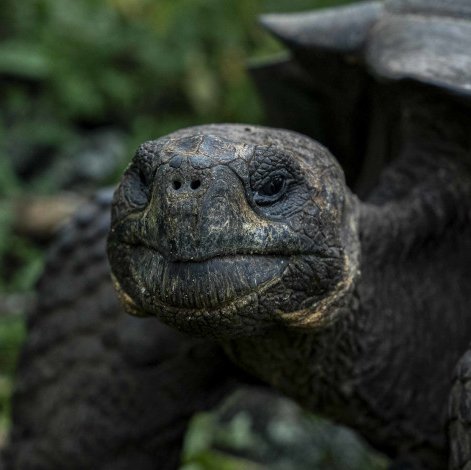
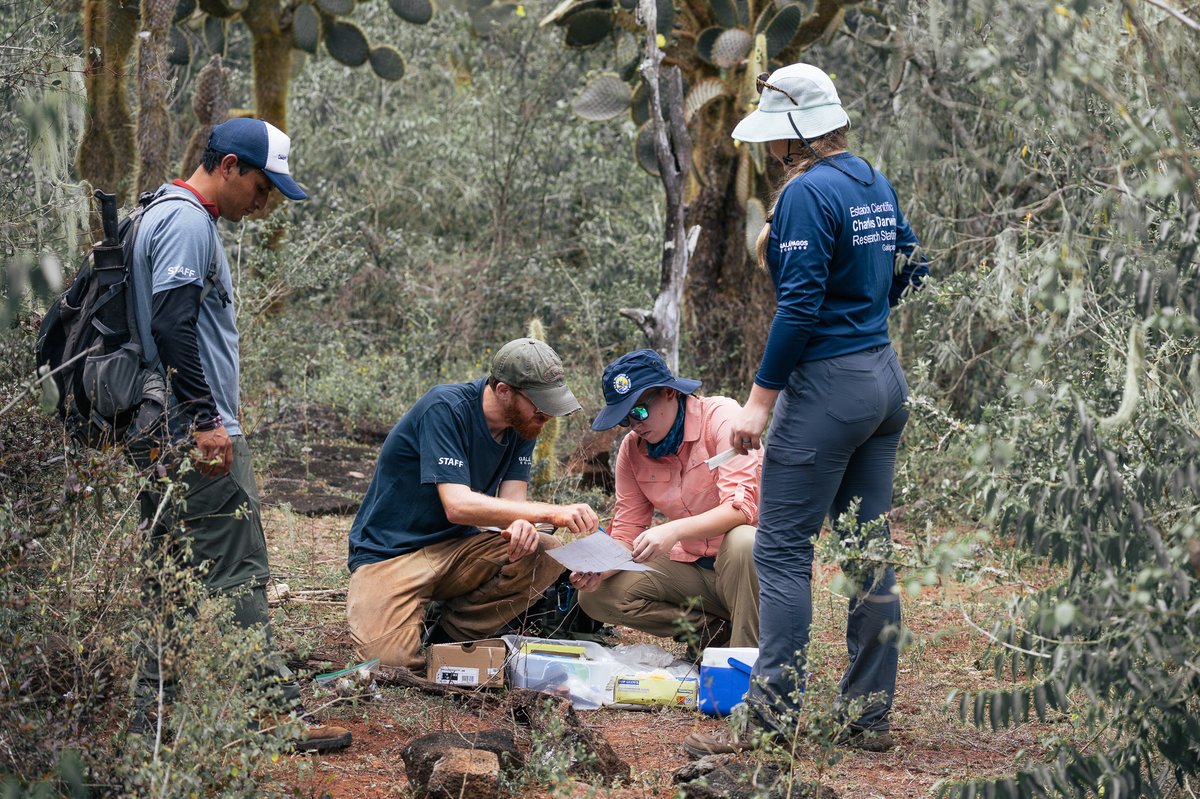
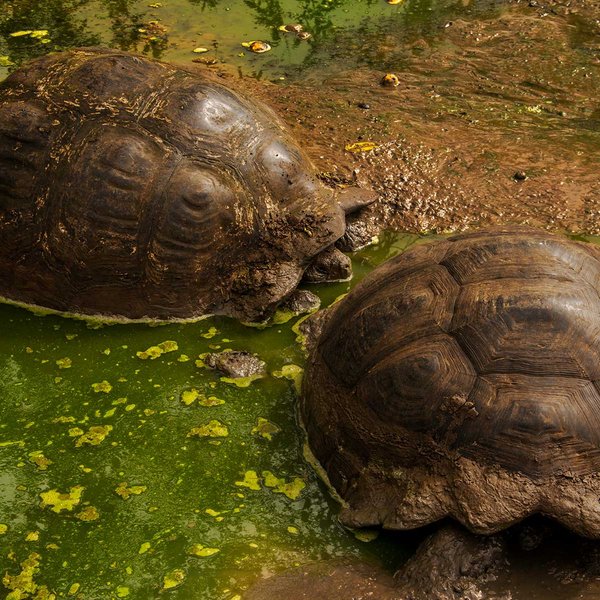
Two groundbreaking studies led by Stephen Blake, Ph.D., assistant professor of biology at Saint Louis University and Sharon L. Deem, DVM, Director of Saint Louis Zoo Institute for Conservation Medicine, in collaboration with the Charles Darwin Foundation (CDF) and teams of multidisciplinary scientists shed light on crucial aspects of the conservation of two critically endangered giant tortoise species endemic to the Island of Santa Cruz, Chelonoidis porteri and Chelonoidis donfaustoi. Both studies offer valuable insights into the challenges these emblematic species face and the strategies needed to ensure their survival in the face of potential future habitat alteration and climate change.
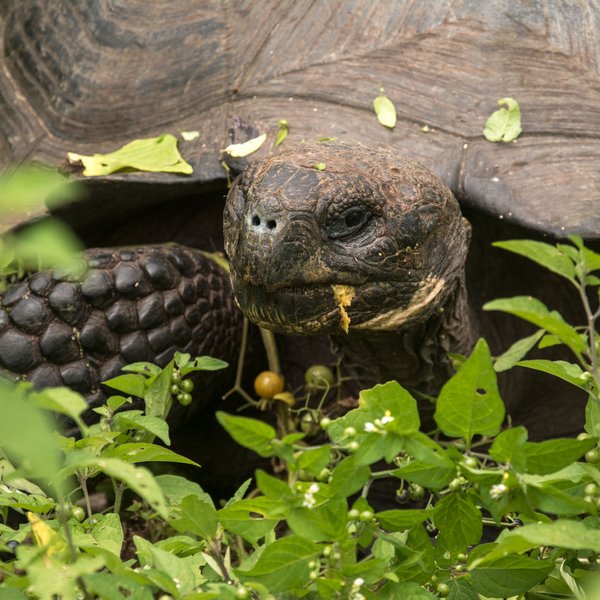
You can support our research and conservation projects by adopting one of the Galapagos species.
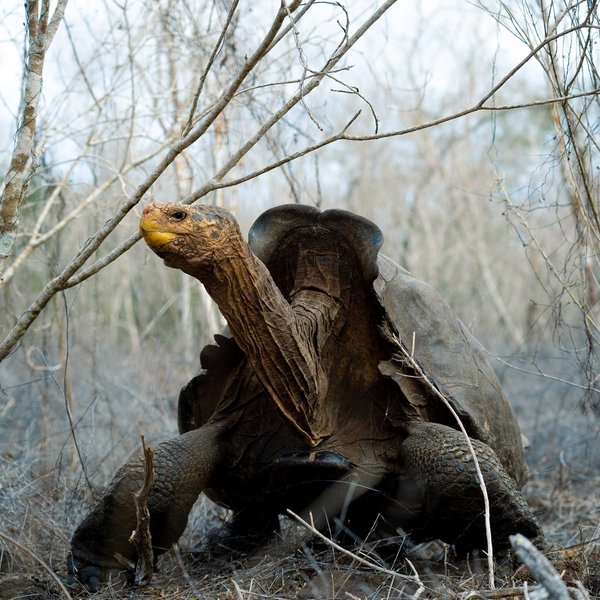
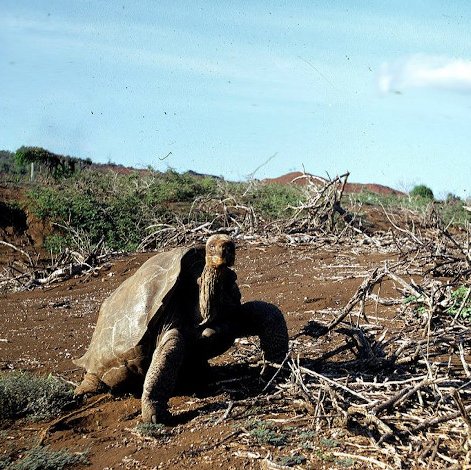
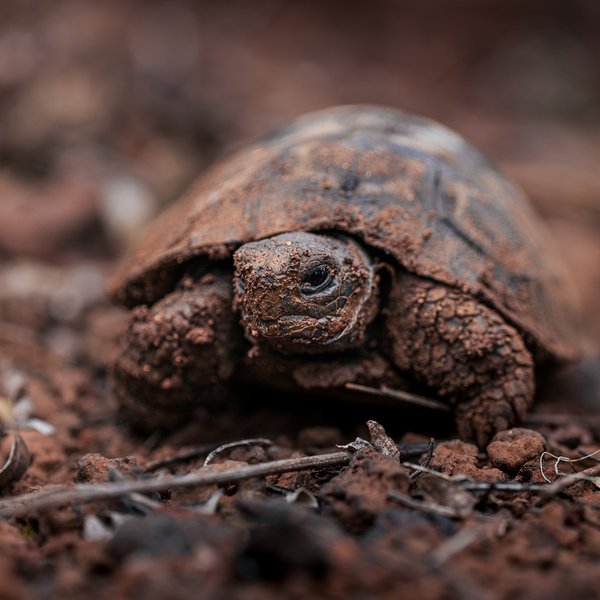
By adopting a Galapagos giant tortoise, you will contribute to our research and outreach activities related to various tortoise species. The Galapagos tortoises have become threatened largely due to habitat change and fragmentation, climate change, diseases, and introduced species. The Charles Darwin Foundation leads a multi-institutional project that aims to determine movement behavior, assess health, and describe the ecological role of tortoises in the Galapagos ecosystems.
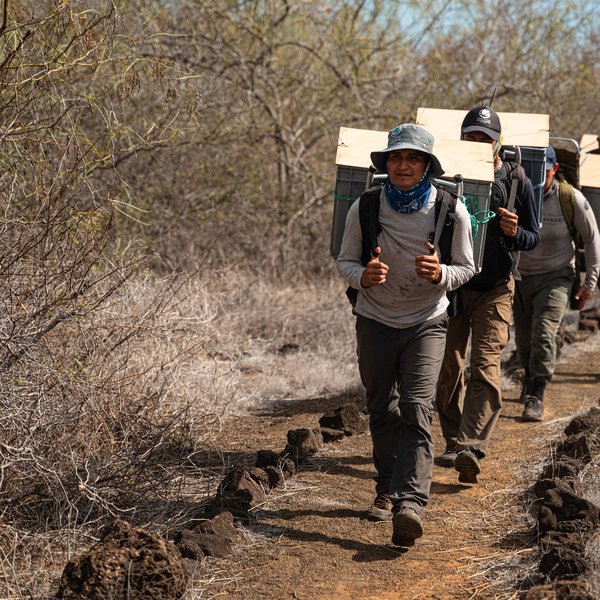
After more than 180 years, giant tortoises have returned to Floreana Island—reviving a lineage once thought extinct. Discover how hybrid tortoises were identified, bred, and carefully reintroduced, and why their comeback marks a turning point for island restoration, ecosystem recovery, and one of Galápagos’ most ambitious conservation efforts.

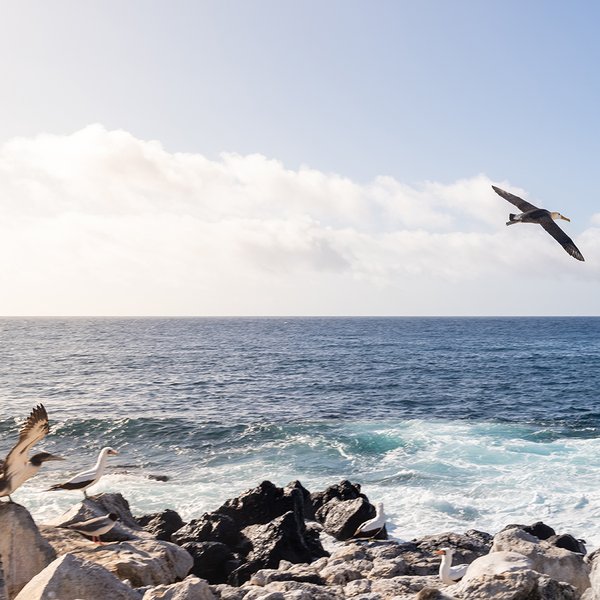
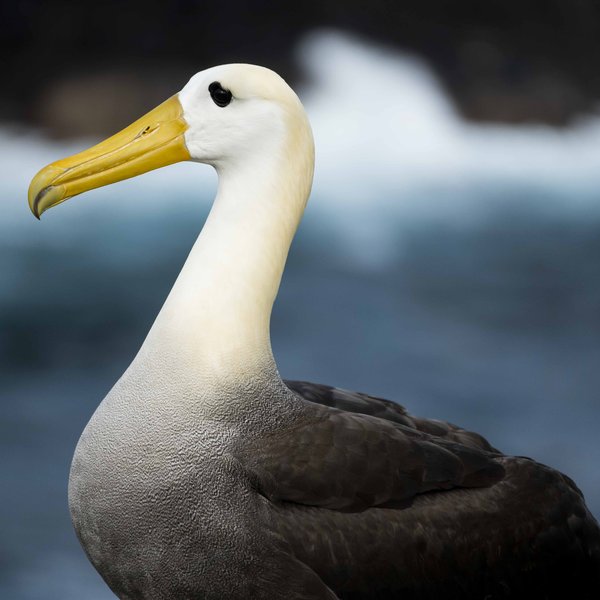
Possibly best known for its remoteness, giant tortoises and links with Charles Darwin, the Galápagos Islands—600 miles off the Ecuadorian coast—are also home with the magnificent Waved Albatross (Phoebastria irrorate), a huge bird that nests there and raises its young during nine months of the year. The largest bird in the Islands, it is the only albatross that lives in the tropics.