Results
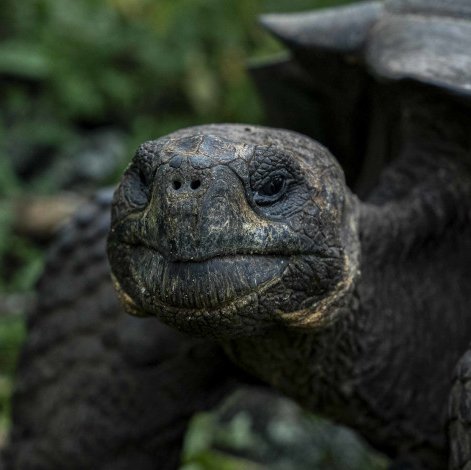
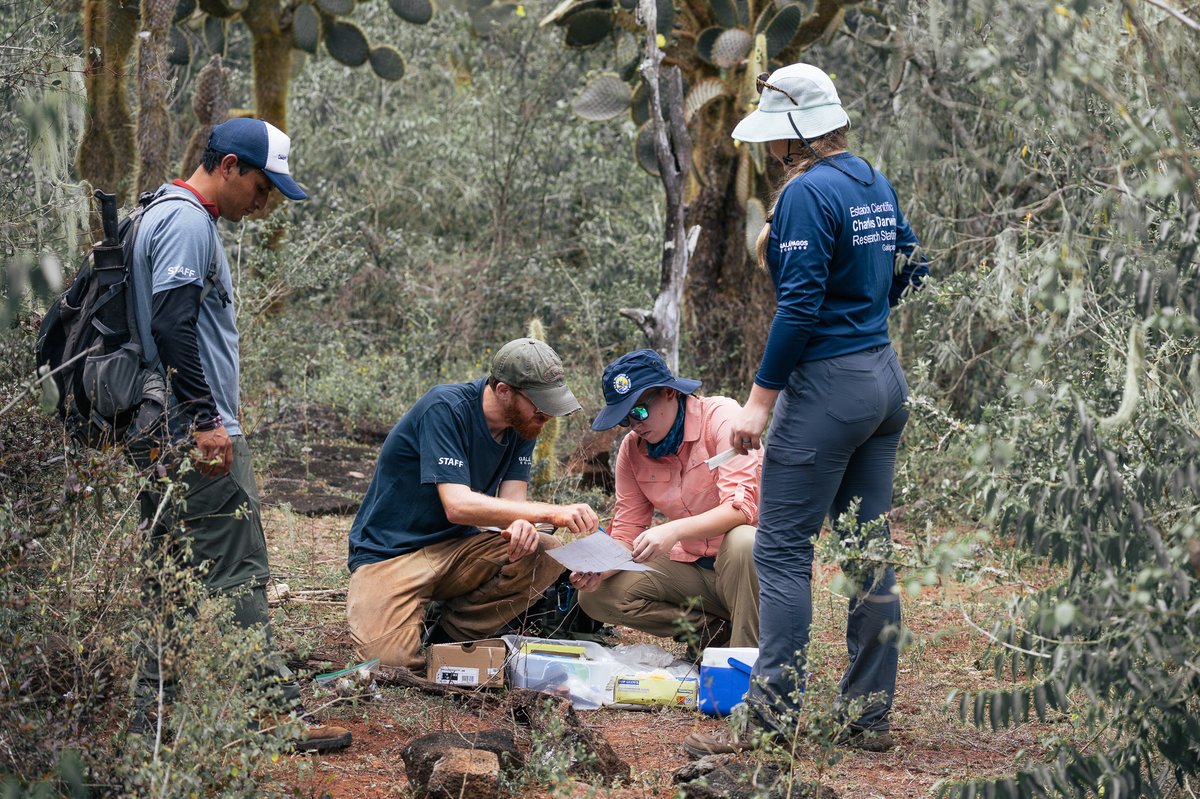
Two groundbreaking studies led by Stephen Blake, Ph.D., assistant professor of biology at Saint Louis University and Sharon L. Deem, DVM, Director of Saint Louis Zoo Institute for Conservation Medicine, in collaboration with the Charles Darwin Foundation (CDF) and teams of multidisciplinary scientists shed light on crucial aspects of the conservation of two critically endangered giant tortoise species endemic to the Island of Santa Cruz, Chelonoidis porteri and Chelonoidis donfaustoi. Both studies offer valuable insights into the challenges these emblematic species face and the strategies needed to ensure their survival in the face of potential future habitat alteration and climate change.
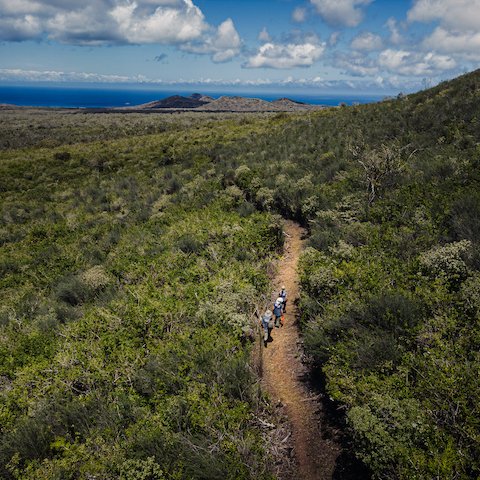
The Floreana Ecological Restoration Project in the Galapagos aims to recover biodiversity by removing invasive species, restoring habitats, and reintroducing native wildlife. Led by a multi-institutional team, including CDF, the initiative combines scientific research and community involvement to ensure long-term ecological recovery and sustainability for both wildlife and the local community.
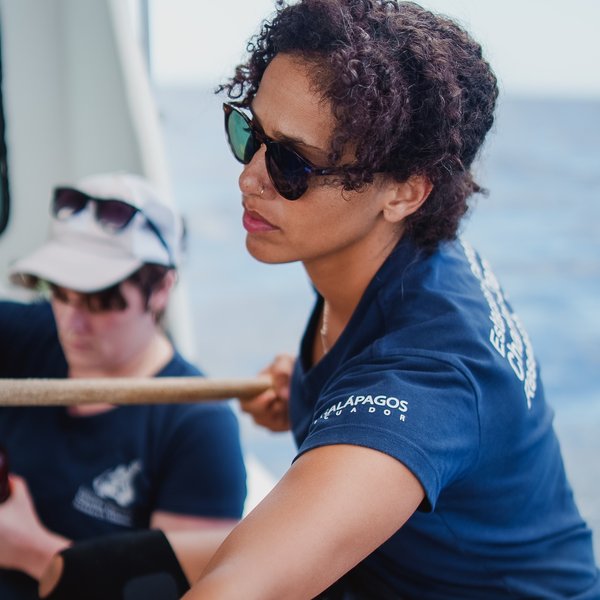
Come work for the Charles Darwin Foundation in Galapagos! Explore our current vacancies and find your place in protecting this extraordinary archipelago.
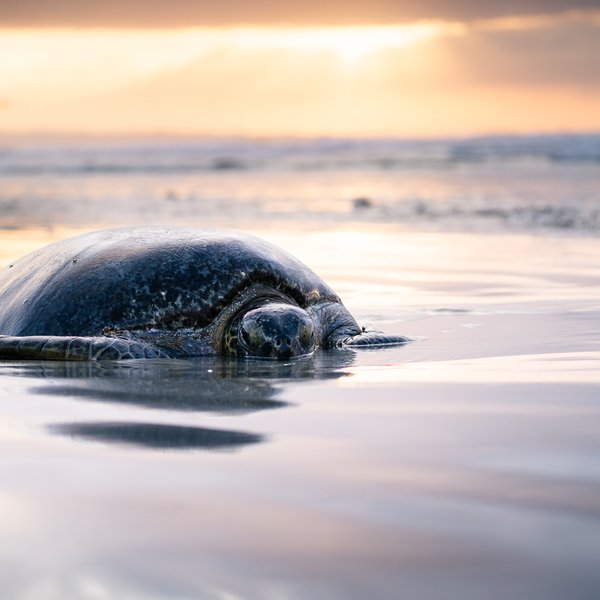
Galápagos green sea turtles play a vital role in maintaining healthy marine ecosystems. At Quinta Playa, scientists monitor their nesting activity to better understand the impacts of climate change. This research provides critical information to protect one of the most important green turtle nesting populations in the Eastern Pacific.
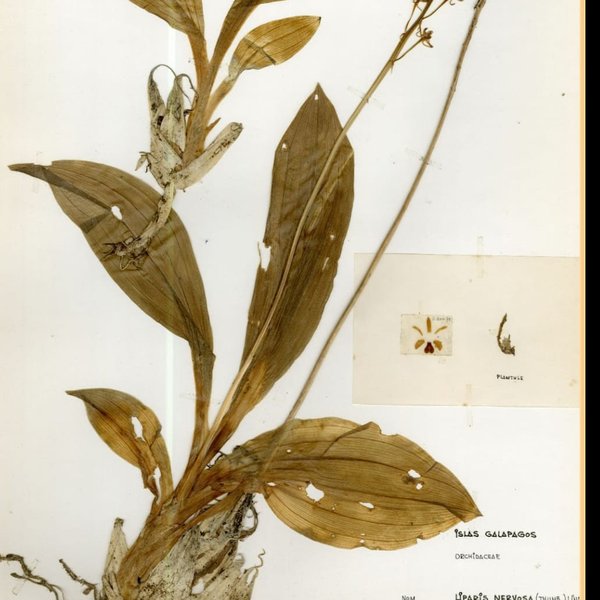
Orchids, art, and perseverance intertwine in this remarkable story of Daniel Weber, a Swiss architect whose passion for botany left a hidden legacy in Galápagos. Decades later, a near-lost orchid collection is rescued against the odds—revealing a powerful journey of science, memory, and the people determined to bring it back.
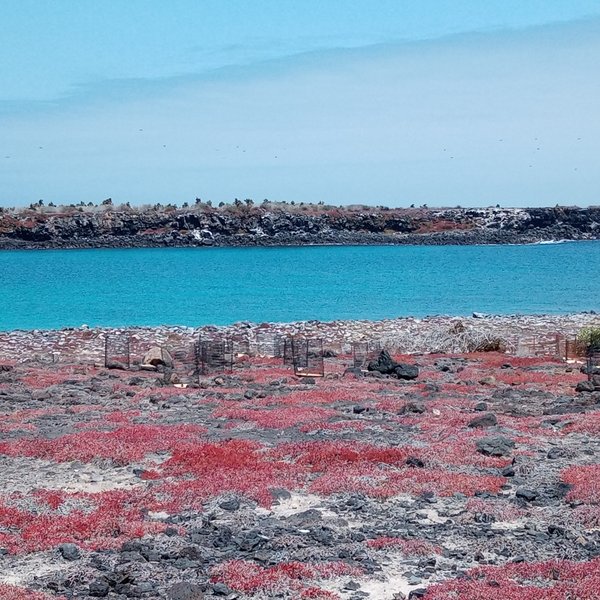
After nearly 70 years, the Opuntia echios cactus is naturally regenerating on Plaza Sur. This milestone marks a triumph for the Galápagos Verde 2050 program’s decade-long restoration efforts. Discover how science, teamwork, and innovation are helping revive a fragile island ecosystem—one cactus at a time. Read the full story.
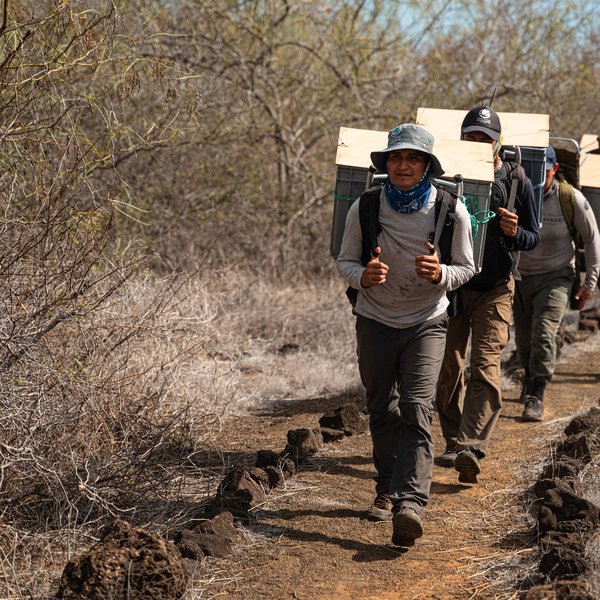
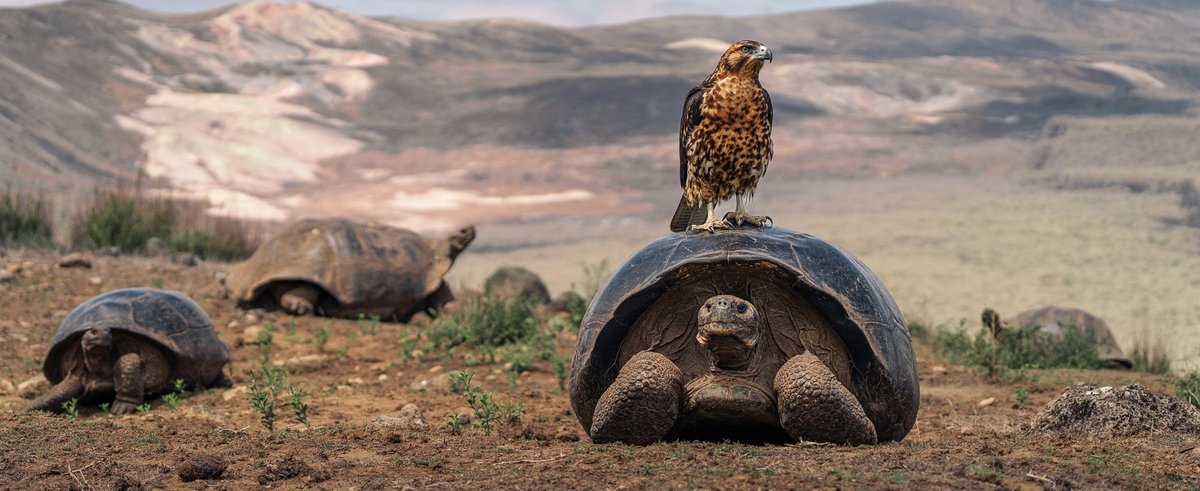
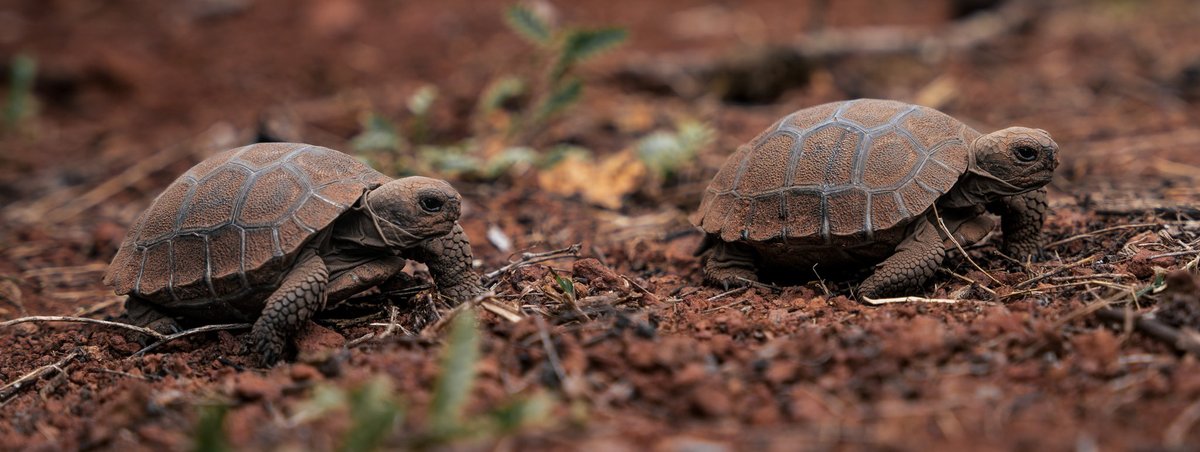
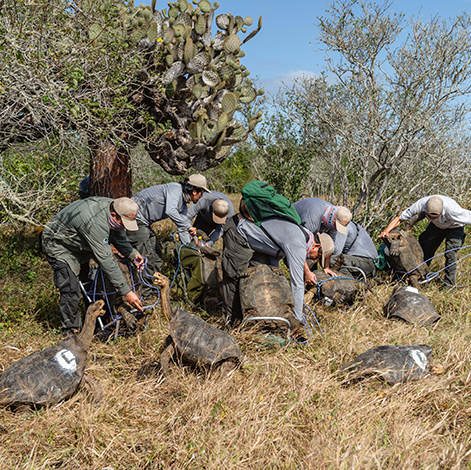
After more than 180 years, giant tortoises have returned to Floreana Island—reviving a lineage once thought extinct. Discover how hybrid tortoises were identified, bred, and carefully reintroduced, and why their comeback marks a turning point for island restoration, ecosystem recovery, and one of Galápagos’ most ambitious conservation efforts.
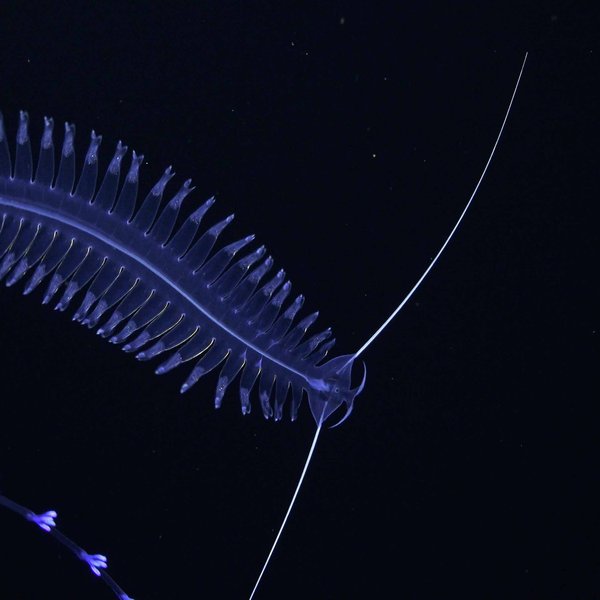
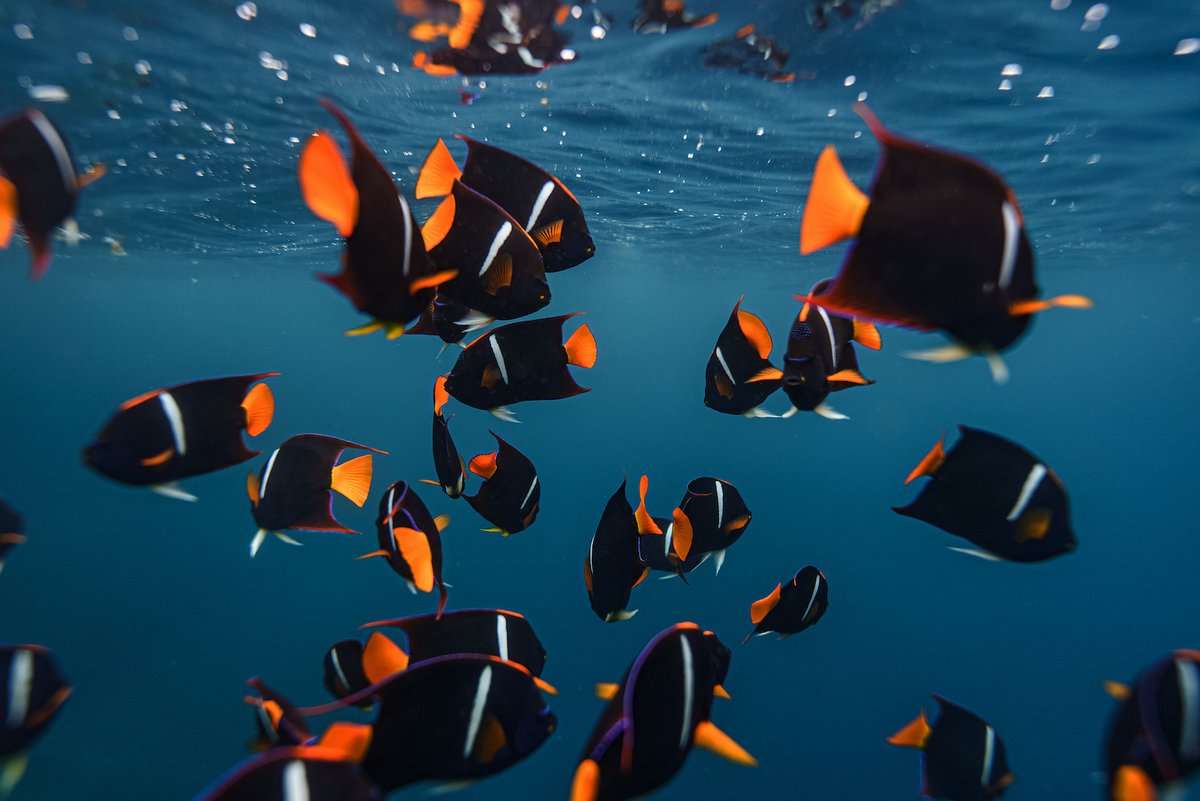
The deep ocean of the Eastern Tropical Pacific hosts unique ecosystems, including seamounts, deep reefs, and abyssal habitats. These environments support remarkable biodiversity, regulate climate, and connect migratory species. Scientific research is essential to discover new species, understand ecological processes, and strengthen conservation against growing environmental threats.
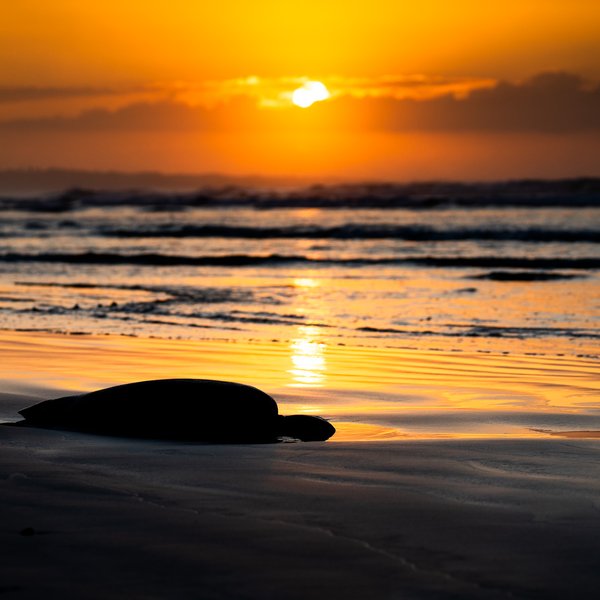
The Charles Darwin Foundation and Oceans Finance Company are delighted to announce a strategic partnership aimed at advancing crucial long-term conservation initiatives to enhance resilience to climate change in the archipelago and surrounding areas.
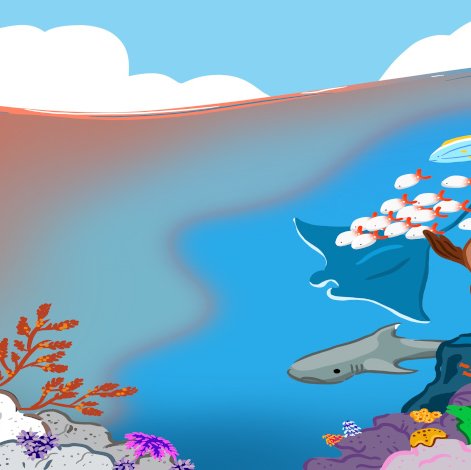
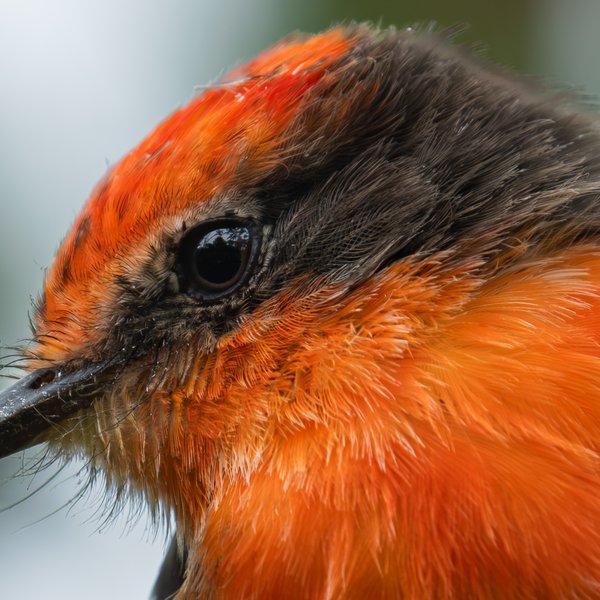
After more than a decade of conservation work, researchers have documented 56 fledglings so far in 2026 — with more nests still active
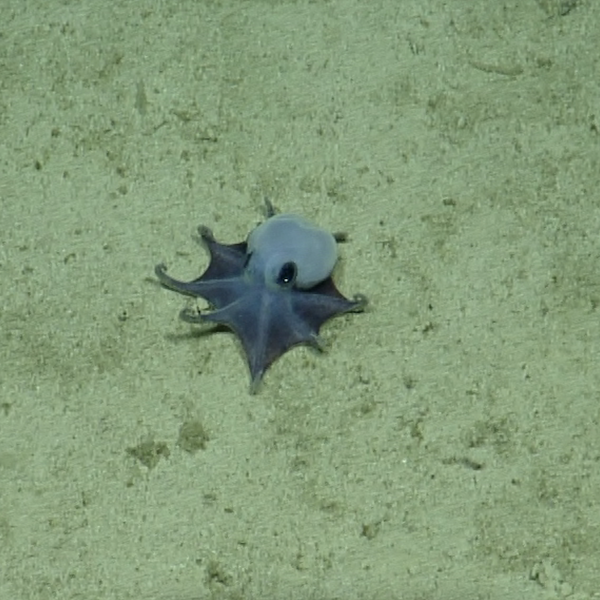
Microeledone galapagensis, a tiny blue octopus discovered 1,770 meters beneath the waters of Galápagos, highlights how much remains unknown about the deep sea. Its identification as a new species was made possible by years of preservation in the Charles Darwin Foundation’s marine collections, underscoring their importance for scientific research.
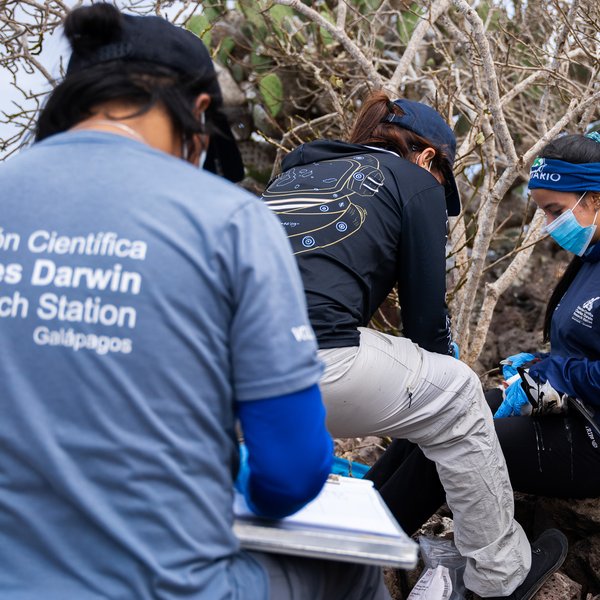
The Marine Bird Conservation Program combines science and passion to protect one of the rarest penguin species on Earth. By studying population trends, survival rates, and behavior, researchers at the Charles Darwin Foundation (CDF) use innovative methods like photo identification and PIT-tags to monitor individuals with minimal disturbance. This research not only deepens our understanding of these endangered birds but also highlights their role as indicators of marine ecosystem health. With fewer than 2,000 individuals left, urgent conservation actions are needed. Join the effort—adopt a penguin and support their protection!
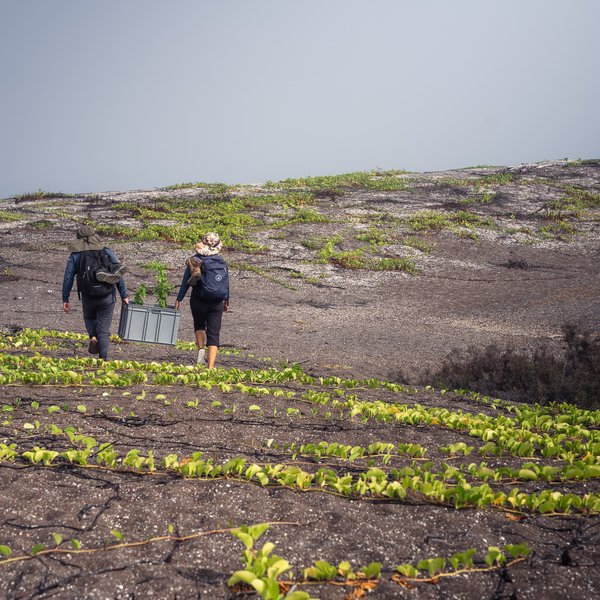
Once on the brink of extinction, the Galápagos snapdragon (Galvezia leucantha) is showing encouraging signs of recovery after 30 years of conservation. From just six surviving plants to 28 adults today, science, restoration and collaboration are helping bring this critically endangered species back to its historic habitat. Discover its remarkable journey.
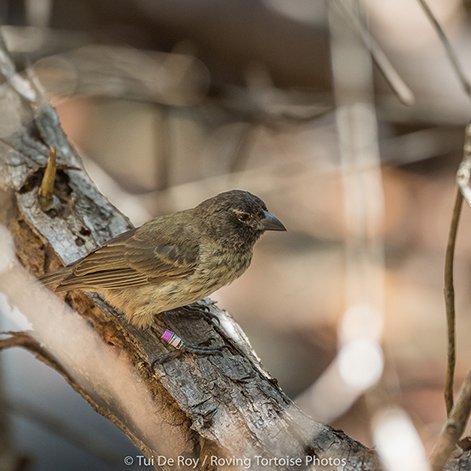
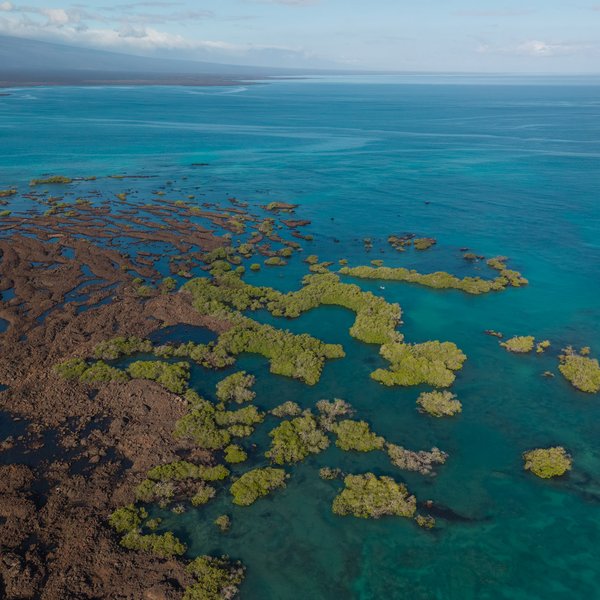
El Niño 2026 is transforming ocean conditions around Galápagos, with potential effects on food availability, reproduction, and survival across many species. Penguins, marine iguanas, sea lions, and corals are among the most vulnerable. Decades of scientific monitoring will help measure impacts and guide future conservation decisions across the archipelago effectively.