Results
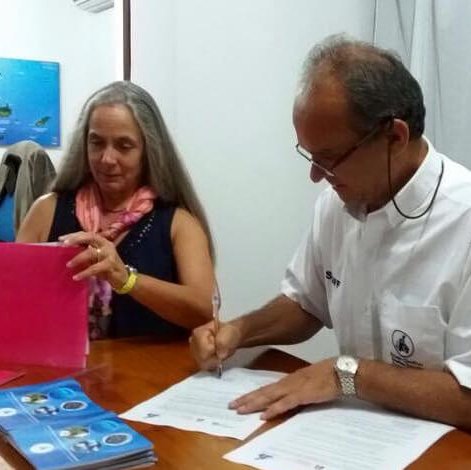
Celebrating seven years of the Galapagos Biodiversity and Education for Sustainability Fund
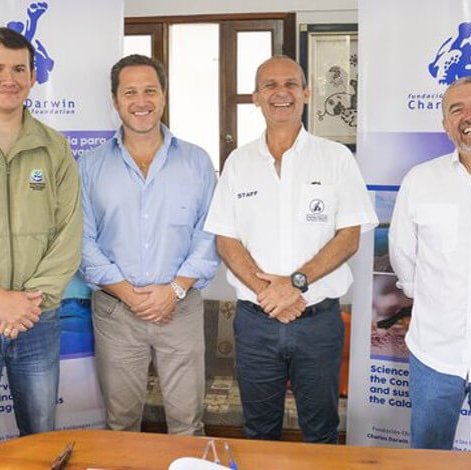
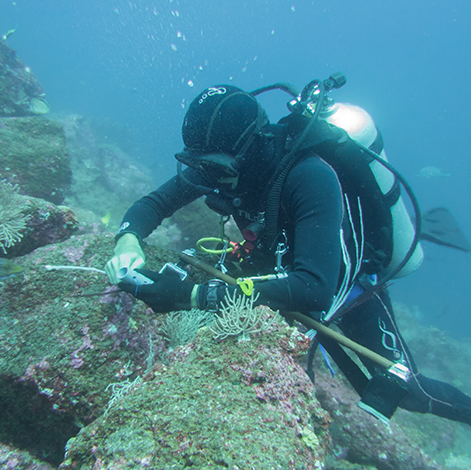
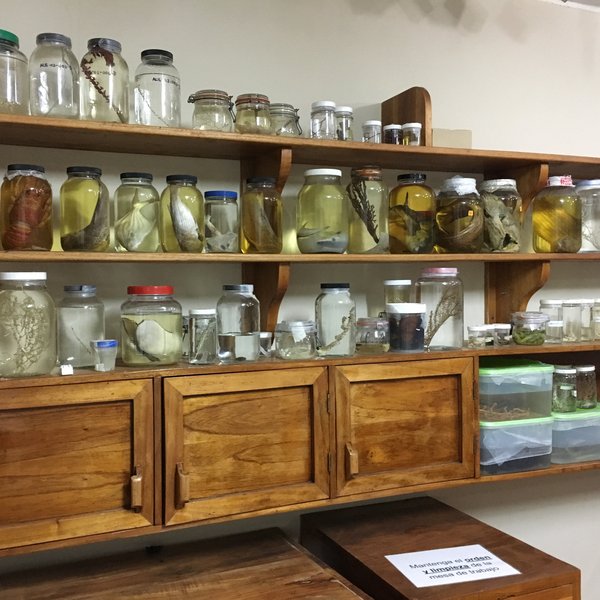
Since 1979, the Marine Organisms Collection of the Charles Darwin Research Station has grown from handwritten notebooks into a scientific infrastructure recognized in 2014 as part of Ecuador's heritage. Nathalia Tirado-Sánchez and Rosita Calderón-Barrera digitized thousands of historical records, strengthening research, education, biosecurity, and the conservation of Galápagos's marine biodiversity.
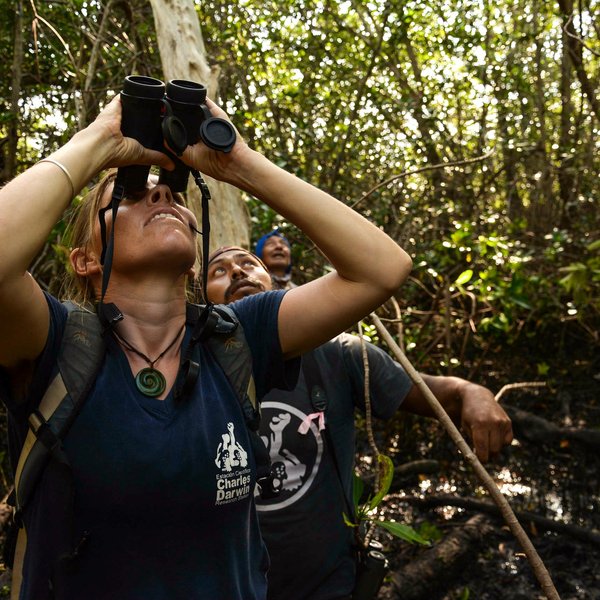
Since its inception in 1971, our Scholarship Program has enabled over 250 students from Galapagos to complete their education and pursue careers in conservation.
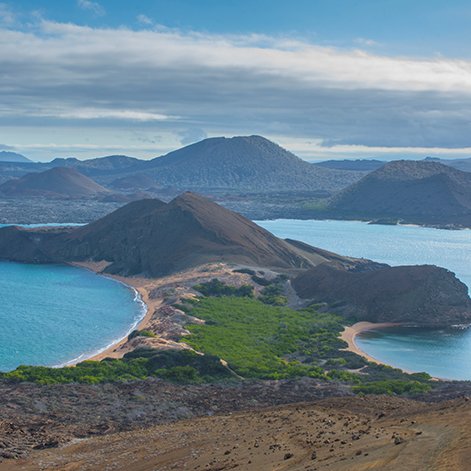
In 1984, six years after becoming a World Heritage Site, Galápagos was designated a UNESCO Biosphere Reserve. Peter Kramer's 1980 proposal and Köster and Villa's 1983 research built the scientific case, showing that reconciling conservation with sustainable development, economic growth, tourism, urbanization, and immigration required integrating ecological and social criteria.
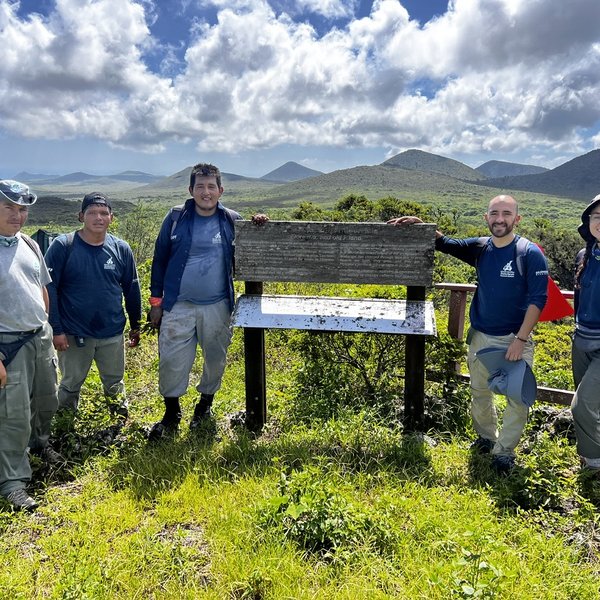
Find our the latest ecological restoration milestones of CDF's Galapagos Verde 2050 team in Floreana Island and how it is contributig to...
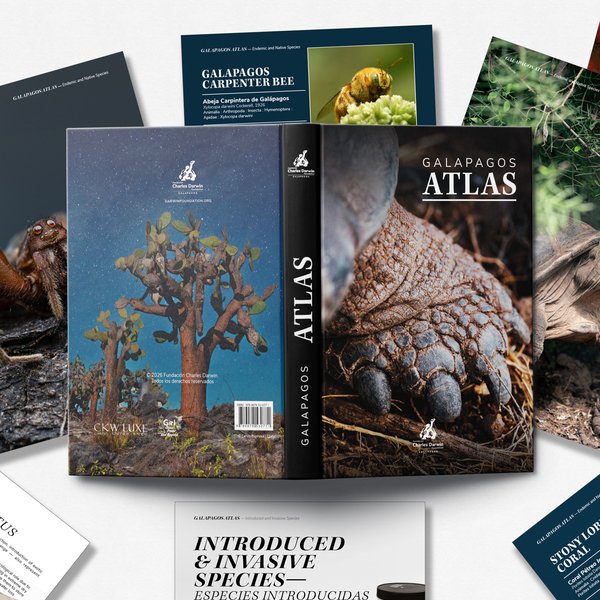
Explore a wealth of resources from the Charles Darwin Foundation available for download. From annual reports to research journals, species identification guides to educational texts like the Galapagos Atlas, our publications provide valuable insights into conservation efforts and biodiversity in the Galapagos Islands. Dive into our comprehensive collection today!
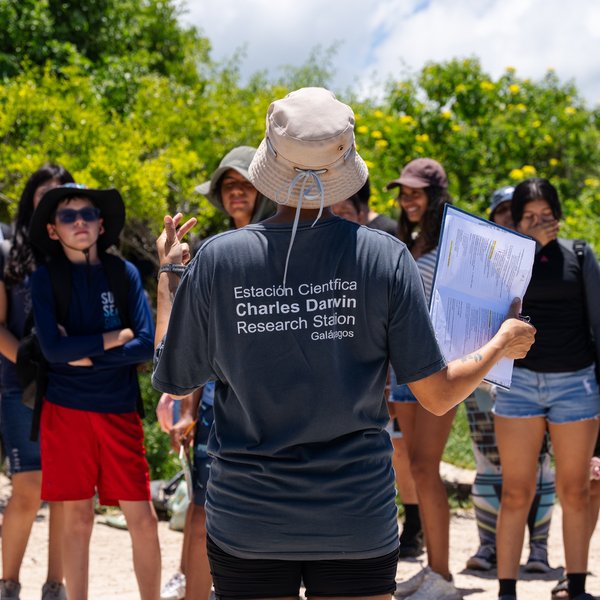
In 1966, a course at the Charles Darwin Research Station marked the beginning of environmental education in Galápagos. Teachers learned to use the natural environment as a teaching tool, linking conservation and community. This experience laid the foundation for context-based education that remains essential to protect the islands’ unique ecosystems.
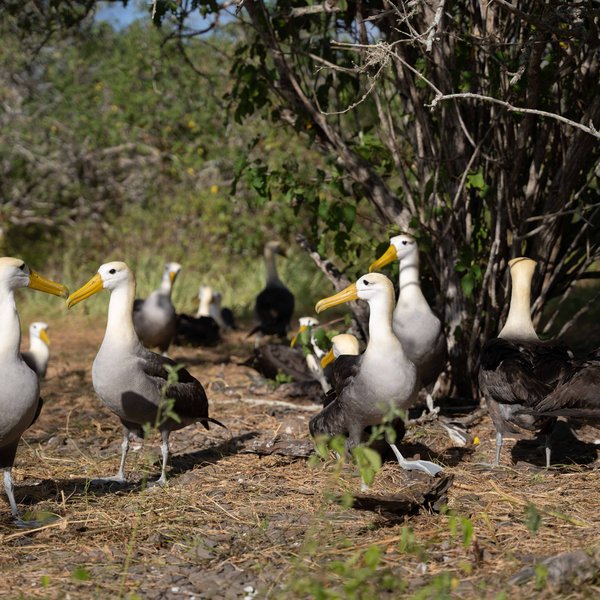
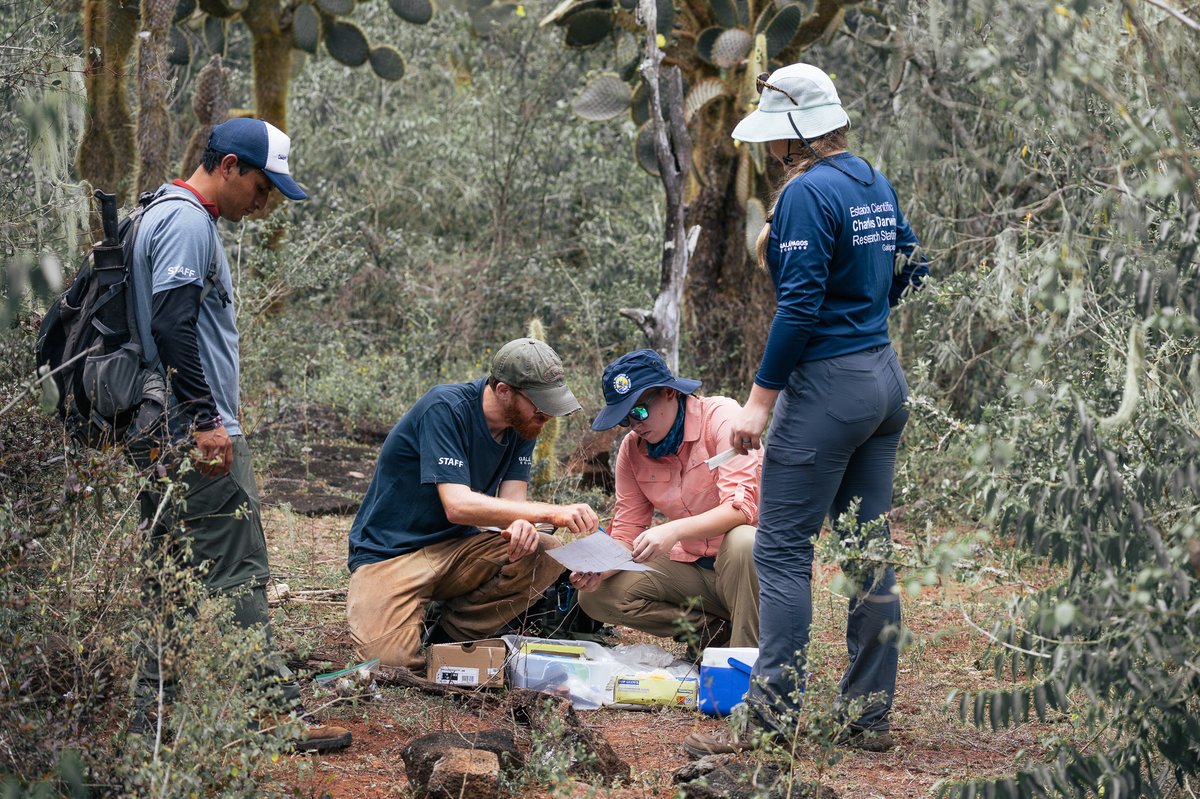
Lessons from the Field: A Five-Day Expedition with Galapagos Waved Albatross on Española Island
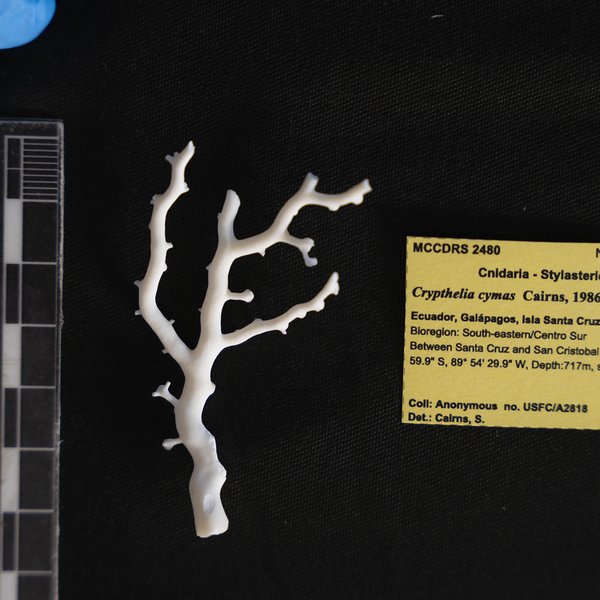
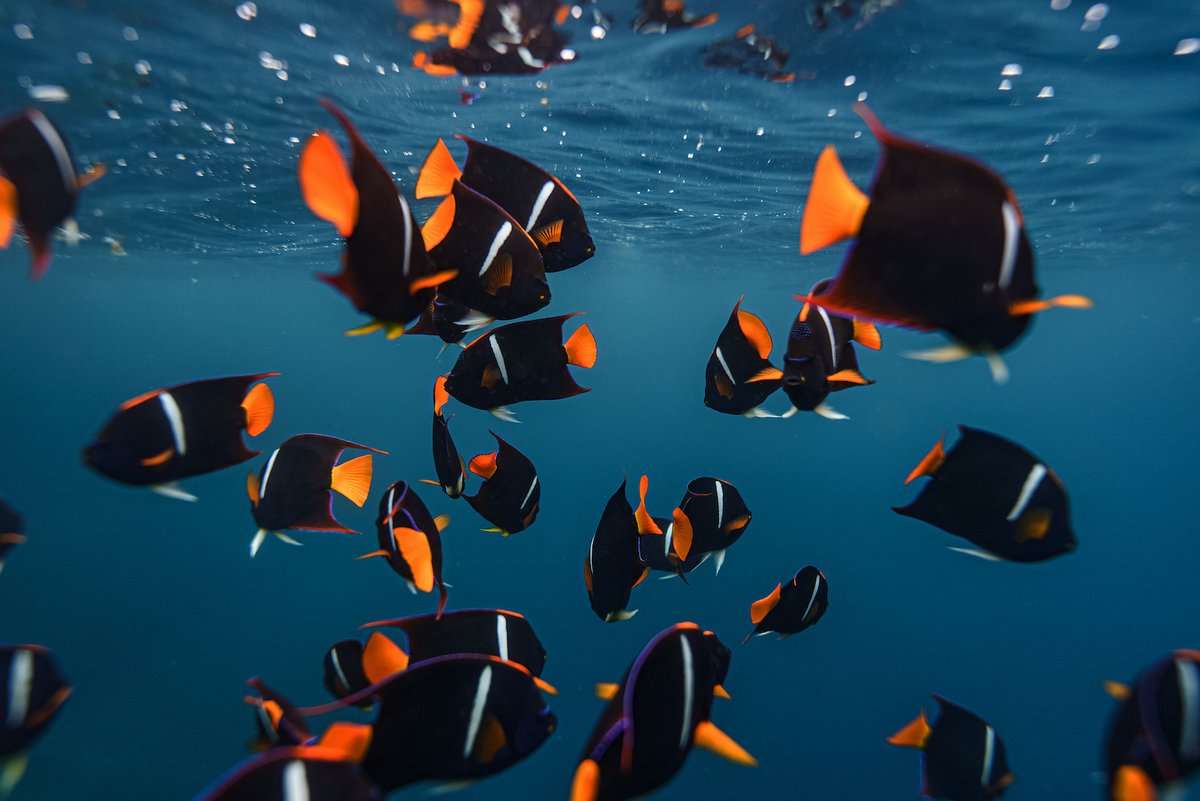
Collected more than 130 years ago, some of the oldest marine specimens from Galápagos are preserved at the Marine Organisms Collection of the Charles Darwin Research Station. These historic corals, gathered during the 1888 Albatross expedition, continue to provide valuable insights into the past and present of Galápagos marine biodiversity, highlighting the importance of scientific collections for research and conservation.
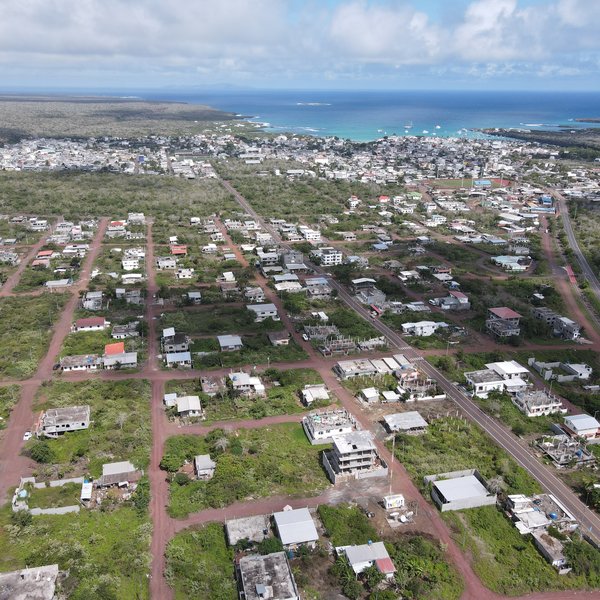
While a mere 3% of the Galapagos Islands are home to people, our presence in this small fraction of the archipelago has put the native vegetation at risk. Our restoration program in urban and rural areas engages the local community in conservation and restoration efforts to secure the long-term health of these unique ecosystems.