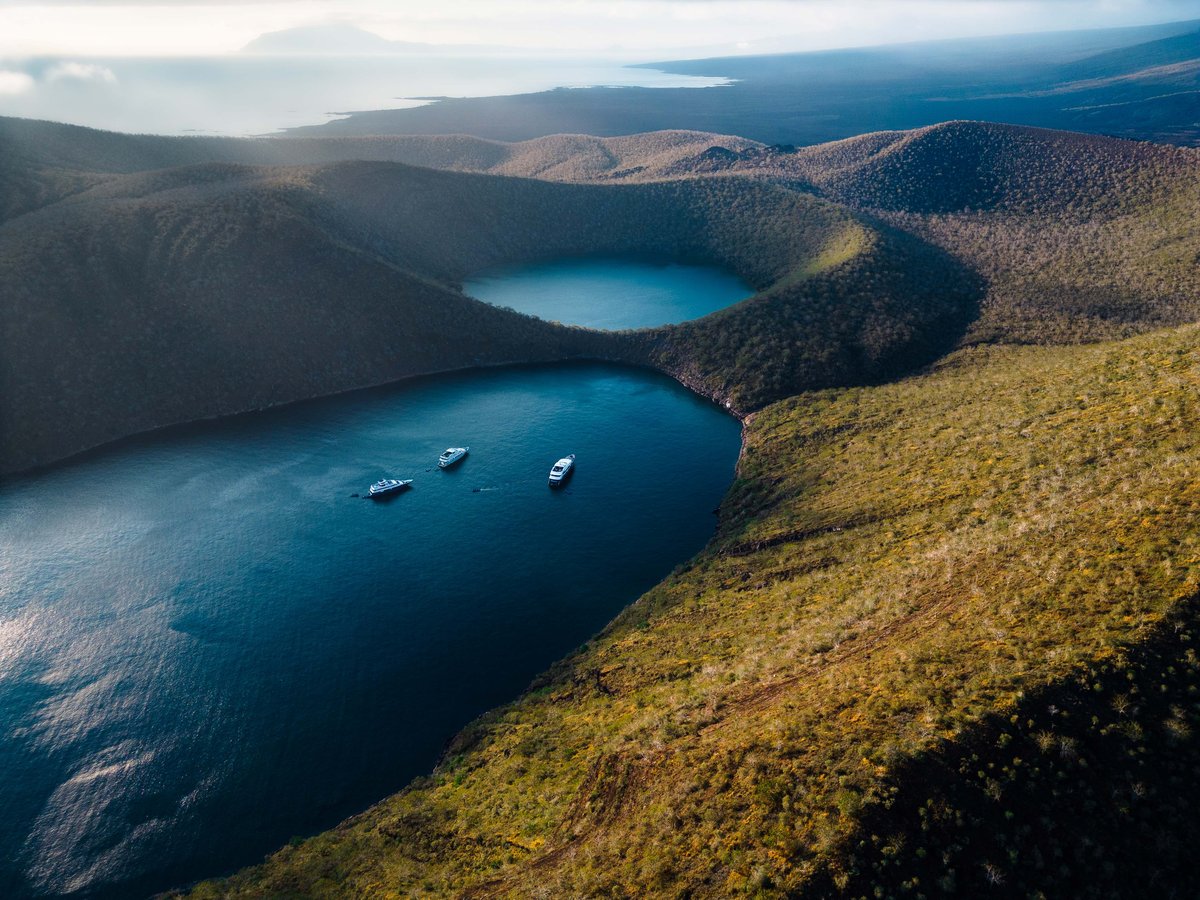

Eden vs. Reality: The True Story of Floreana’s Ecological Drama
Floreana Island in the Galápagos is steeped in human drama—a saga so gripping it inspired Ron Howard’s new movie Eden. In the 1930s, settlers arrived chasing a dream of utopia, but their quest for paradise came with unintended consequences. Along with their supplies, they brought stowaways: harmful, invasive species such as rats. These invasive species quietly infiltrated the island, preying on native wildlife and unraveling an ecosystem that had thrived for millennia.
Today, the legacy of those early settlements lives on—but so does the drive to see Floreana Island flourish again. Making a life on Floreana today is just as dramatic as it was during the time of Eden, and Floreana’s residents are working together to realize their vision for a biodiverse, lush ecosystem.
Threats of Damaging, Invasive Species
When humans first arrived on Floreana, they brought stowaways that would fundamentally alter the ecological functions of the island. Rats, mice, and feral cats prey on eggs, chicks, and seeds, wiping out native wildlife. Over time, the damage was catastrophic:
- 55 of Floreana’s species are now classified as Threatened, according to the IUCN Red List.
- 12 species have been lost locally, including the Floreana Mockingbird, now surviving only on two tiny islets.
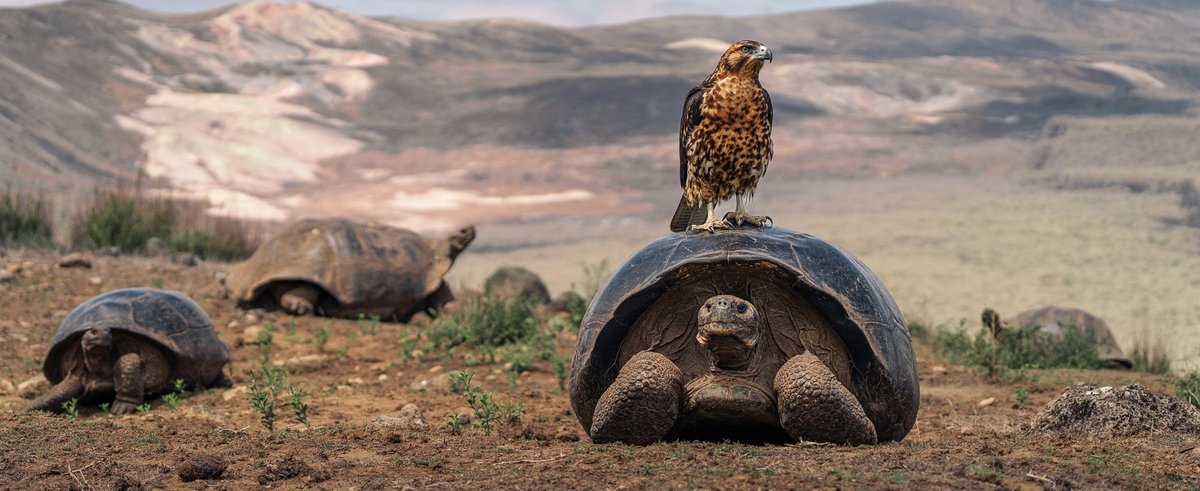
- The Floreana Giant Tortoise, a keystone species, is considered extinct on the island—for now.
Invasive species’ destruction goes beyond just causing these native species’ populations to decline. Without tortoises grazing and dispersing seeds, for example, Floreana’s vegetation changed dramatically, reducing habitat quality for other species.
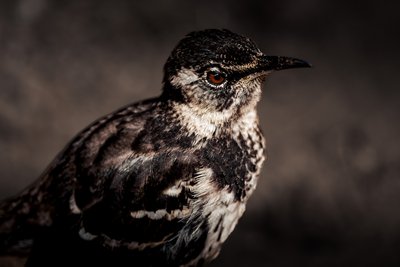
Carlos Espinosa-CDF
Beyond Wildlife
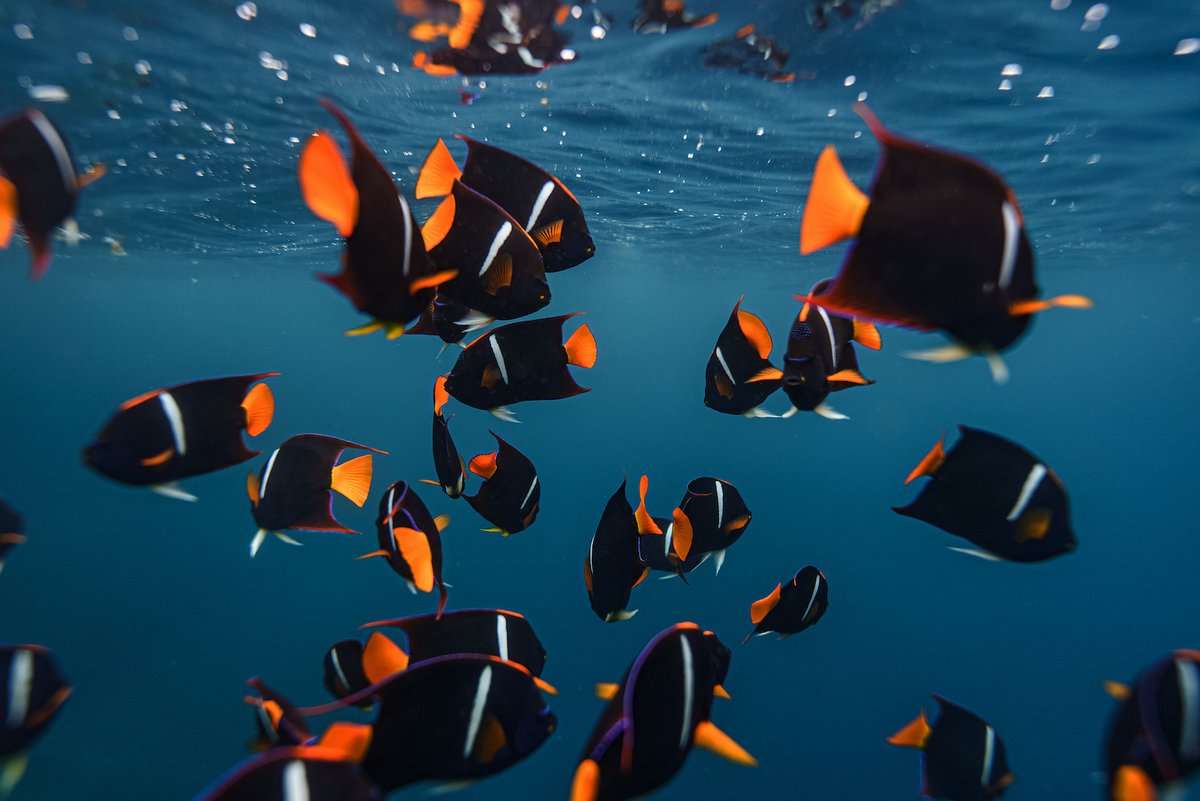
The consequences aren’t limited to Floreana’s natural landscape, either. Floreana’s small community of about 150 residents depends on tourism, agriculture, and artisanal fishing. As biodiversity declined, so did eco-tourism revenue. Invasive rodents damaged between 80-90% of farmers’ crops. And studies show that terrestrial degradation is intimately linked with marine health, too. The community’s vision for a thriving island where wildlife flourishes alongside sustainable livelihoods became more difficult to achieve.
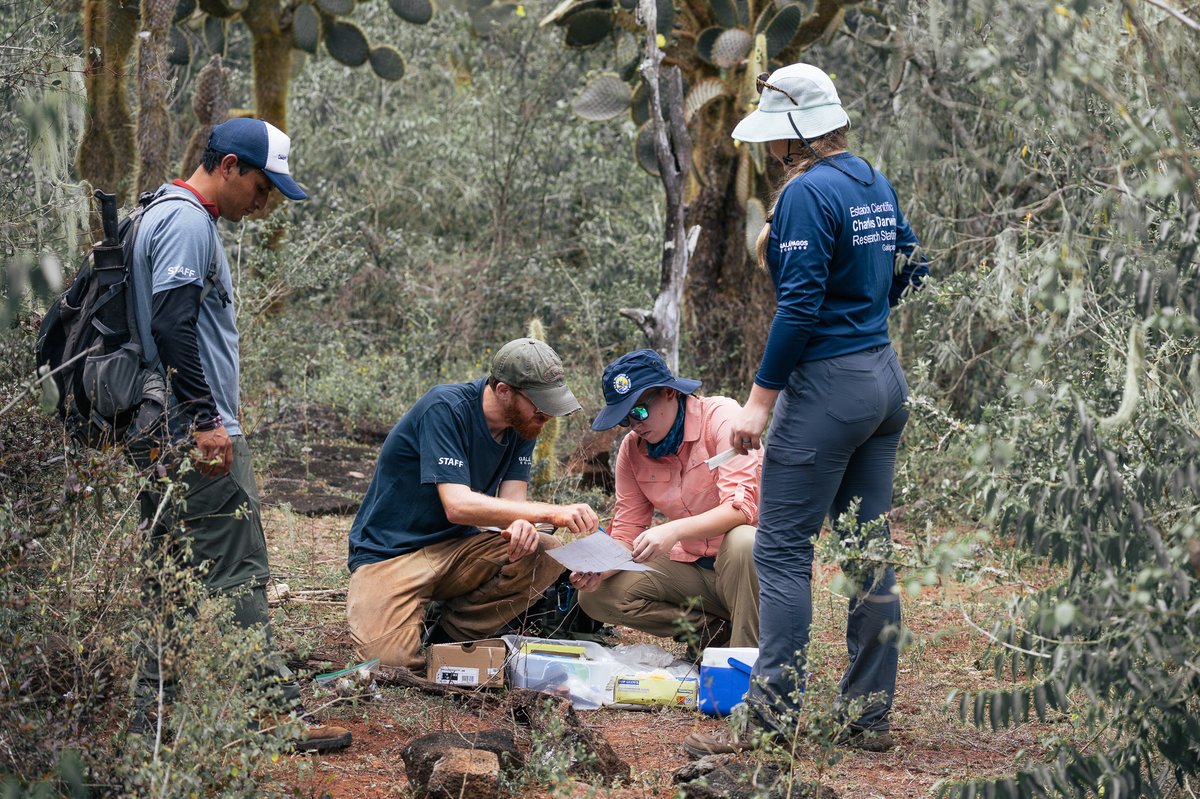
But the people of Floreana are resilient. They are the drivers of the Floreana Ecological Restoration Project, a multi-agency effort to remove invasive species and bring back the wildlife that makes their home unique.
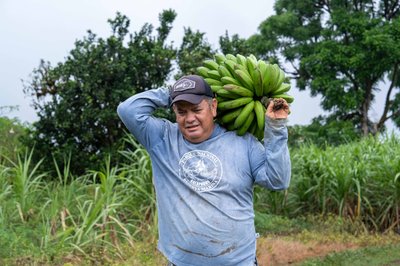
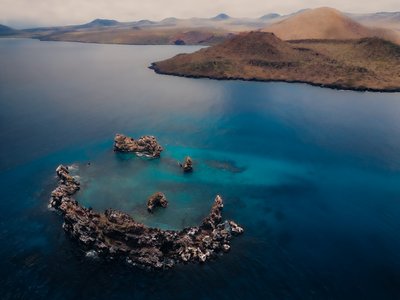
Carlos Espinosa
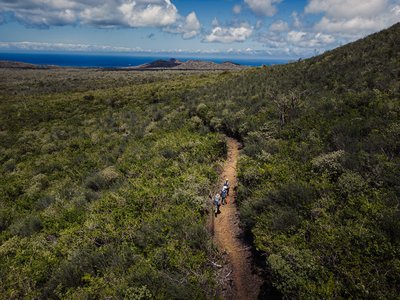
A Global Problem with Local Solutions
Floreana’s story is part of a much bigger picture. More and more studies are showing the devastation that invasive species can cause, costing the global economy $423US billion per year. On islands like Floreana, invasive species are responsible for 90% of global extinctions. Invasive species threaten human health, food security, and cultural identity. They interact with climate change, increase wildfire risk, and even spread diseases like malaria and Zika. For island communities, these impacts are deeply personal.
But islands also offer hope. Surrounded by water, they are ideal places for permanent eradication. Successful restoration projects ripple outward: healthier islands mean richer nutrients flowing into surrounding waters, boosting fisheries. Floreana’s community stands to benefit from the project in many ways—economically, socially, and ecologically.
Carlos Espinosa/CDF
Tangible Impacts to Date
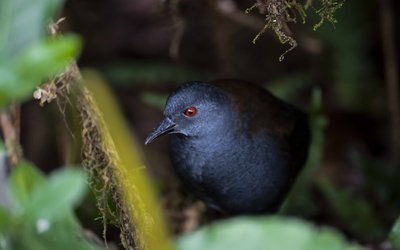
Since the first invasive species control campaign began in late 2023, signs of recovery are everywhere. Endemic birds like the small ground finch are singing louder and in greater numbers, and conservationists even rediscovered the Pachay (Galapagos Rail) bird—a species not seen on Floreana since Darwin’s visit in 1835. Native snails, absent for more than a century, are back, and lizards and geckos are thriving. The Galápagos Petrel colony is booming, with 700 nests and 154 fledglings recorded in 2024.
The benefits extend beyond wildlife: farmers are harvesting full crops for the first time in years thanks to rat eradication, boosting family income and food security. Removing rodents has also reduced health risks like leptospirosis. These changes prove that restoration isn’t just possible—it’s already transforming life on Floreana for both nature and people.
A Path to Restoration
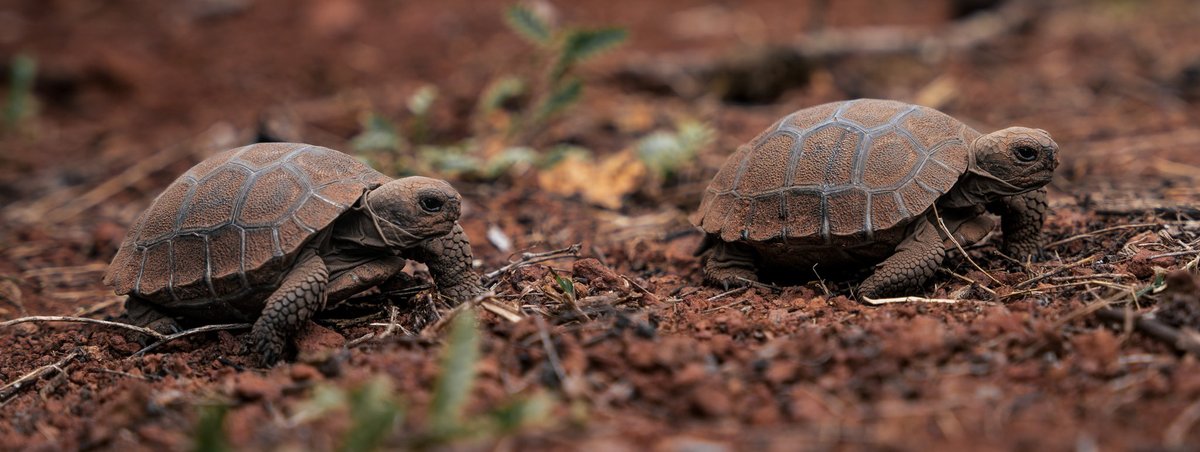
The Floreana Restoration Project is the most ambitious restoration and rewilding effort in Galápagos history, and perhaps the world. When the island is free of invasive rats and feral cats, it will be a safe home for 12 missing species that will be returned to the island. And we’re starting with the Floreana Giant Tortoise, a vital ecosystem engineer that can jumpstart recovery.
Eden tells the story of Floreana’s human drama, but today, the real drama is ecological. By removing invasive species, we are rebuilding an island ecosystem where nature and people thrive together.
About the Project
Working closely with the Floreana community and local and international allies, the Floreana Island Ecological Restoration Project aims to achieve the island’s full ecological restoration through the eradication of three invasive mammal species, the restoration of habitats, and the reintroduction of 12 endemic species, restoring the ecological functionality and resilience of this unique island ecosystem. The project is led by the Galápagos National Park Directorate and the Galápagos Biosecurity Agency, with Fundación Jocotoco, Island Conservation, and the Charles Darwin Foundation as co-executing partners.