

Invisible Diseases:
Understanding the Health of Galápagos Landbirds
When people think of conservation in Galapagos, they often picture giant tortoises, dramatic landscapes, and Darwin’s famous finches. Yet there is another, less visible but equally important front in conservation: the health of wildlife.
A recent scientific study examined the presence of viruses in Galapagos landbirds, offering key insights into the potential health risks these unique species may face.
Species found nowhere else on earth
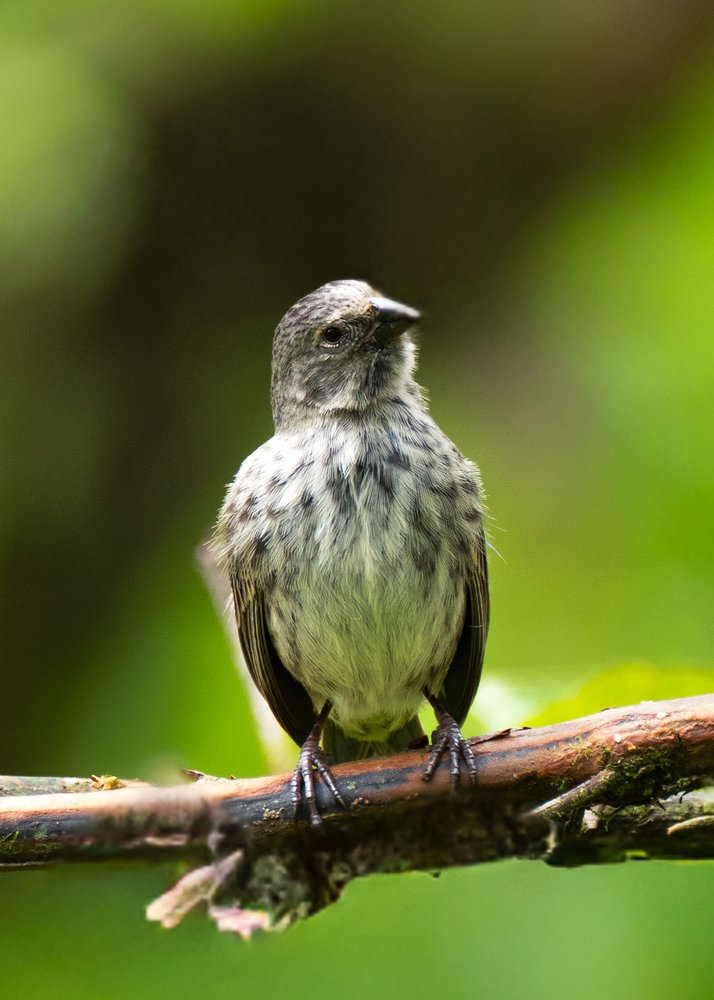
Galapagos landbirds include some of the archipelago’s most iconic species, from Darwin’s finches to mockingbirds, and the Little Vermilion Flycatcher. These birds have evolved over thousands of years in relative isolation, giving rise to species found nowhere else on Earth.
However, that same evolutionary isolation can make them more vulnerable. Because these species have had little historical exposure to many pathogens present in other ecosystems, introduced diseases can pose a serious threat to their populations. Understanding which microorganisms are present—and which are not—is therefore a critical step for conservation.
A large-scale health survey
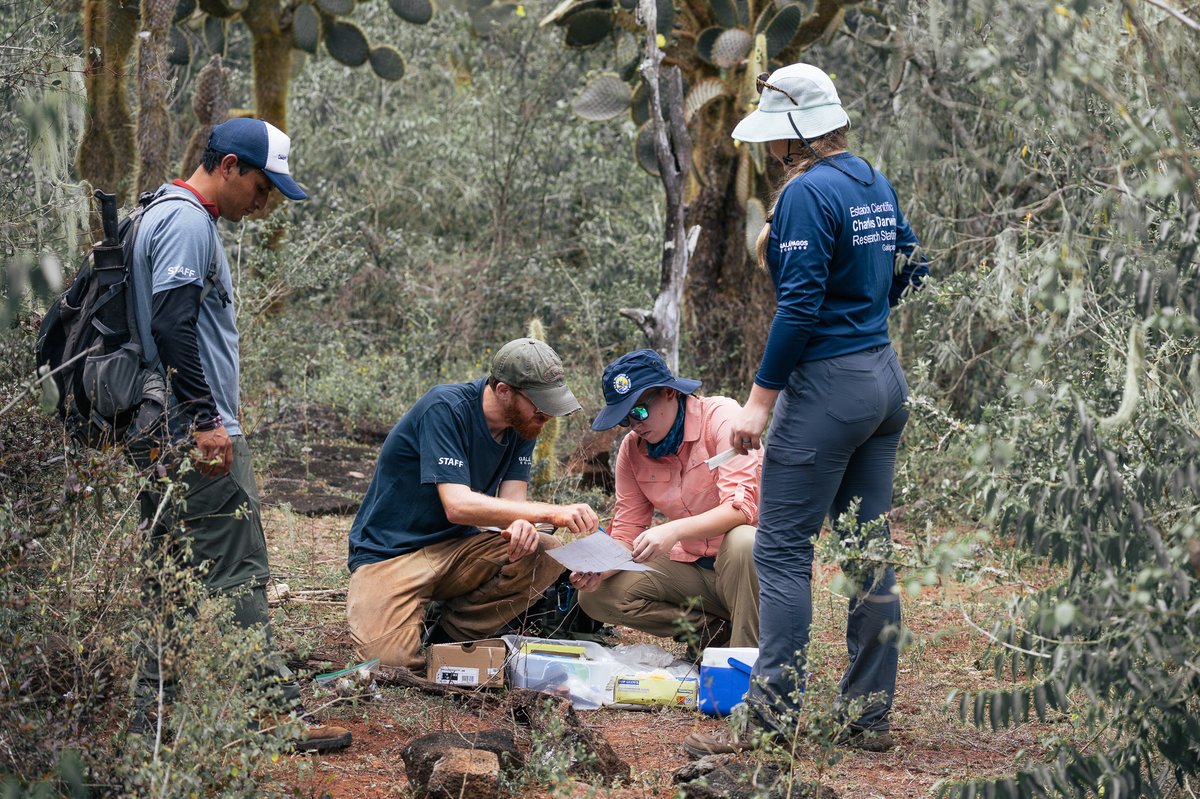
To better understand potential disease risks, researchers from the Charles Darwin Foundation, the Saint Louis Zoo Institute for Conservation Medicine, Island Conservation, the Research Center for Animal Health (CSIC-CISA-INIA), and the Durrell Wildlife Conservation Trust carried out a health survey of landbirds across several islands. During fieldwork, oral and cloacal swab samples were collected from more than 400 birds representing 14 different species. This non-invasive technique allows scientists to detect viruses and other microorganisms without harming the birds.
The study was conducted in both protected natural areas and sites with human presence. This approach allowed researchers to compare different ecological contexts and explore whether factors such as human activity or proximity to domestic animals might influence the presence of certain pathogens.
What scientists found
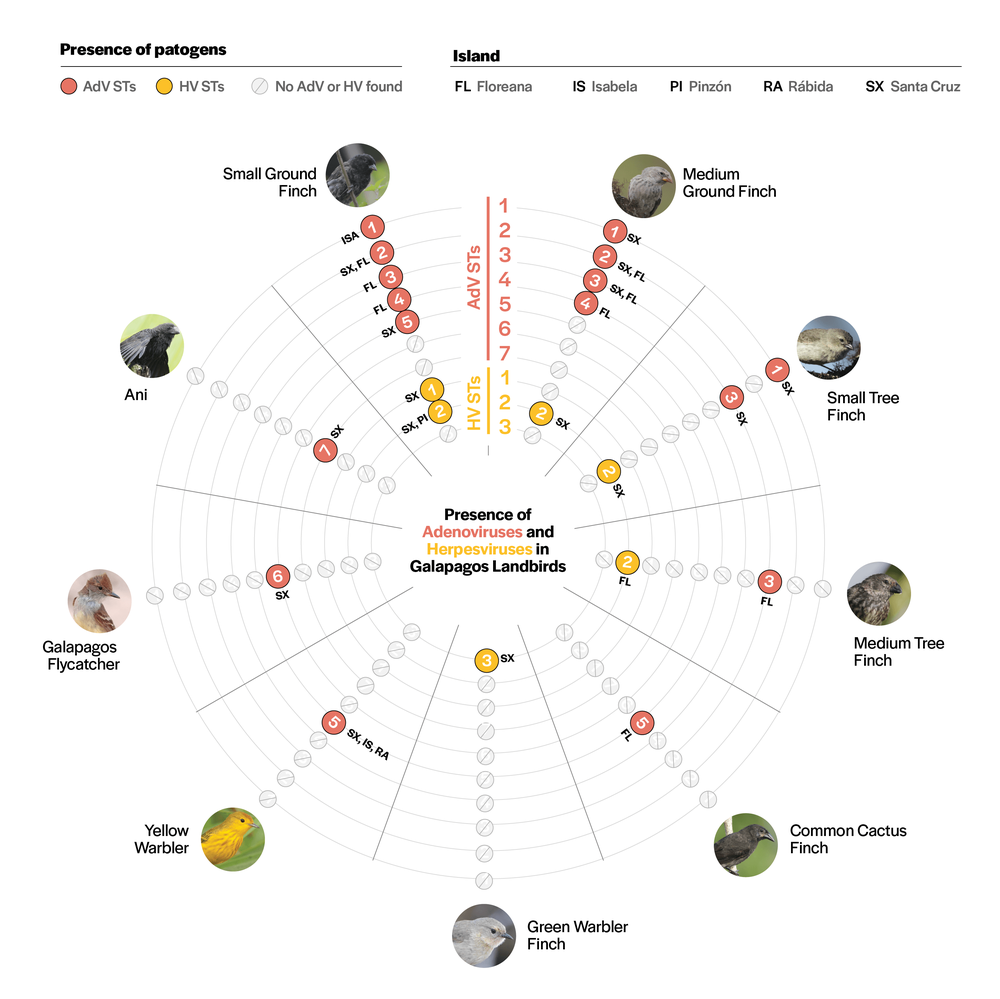
The study detected evidence of adenoviruses and herpesviruses circulating in some landbird populations. Approximately 8% of the birds tested carried adenoviruses, and about 3% carried herpesviruses.
Juan Carlos Izurieta.
These viruses are known in birds worldwide and can sometimes cause disease, although it is also common for animals to carry them without showing symptoms. Moreover, some of these viruses have coevolved with their hosts over thousands of years, adapting to them.
Researchers also found that virus prevalence was higher on inhabited islands such as Floreana and Santa Cruz, highlighting the potential influence of human presence and domestic animals on wildlife health.
An encouraging result
The team also tested samples for Mycoplasma spp.—a bacteria known to cause respiratory infections in birds and responsible for significant outbreaks in wild bird populations elsewhere. It is also known to sometimes be transmitted between domestic and wild species. None of the samples tested positive.
Mara Speece / CDF
Why it matters: building a baseline for the future
Detecting these viruses does not necessarily mean that active disease is present in the populations studied. Rather, the study establishes an important baseline of health information.
In other words, scientists have a clearer picture of which viruses and microorganisms are currently present in some Galapagos landbird populations—something which we knew very little about before. This baseline will serve as a reference for the future: if outbreaks or changes in bird health occur, researchers will be able to compare new data with this initial record. The detection of novel adenoviruses and herpesviruses also offers valuable insights into the evolutionary relationships between these viruses and their hosts.
Importantly, the study highlights the importance of monitoring wildlife health as an integral part of conservation action. In fragile ecosystems like Galapagos, diseases can become a serious threat, especially for species with small populations or limited distribution such as the Little Vermilion Flycatcher. If a new pathogen were introduced into such vulnerable populations, the impact could be considerable.
That is why health surveillance programs are essential to detect risks early and guide informed conservation decisions.
Science that protects Galápagos
The research also underscores the need for ongoing scientific investigation in the archipelago. Many questions about the health of Galapagos wildlife remain unanswered. Each new study contributes another piece to a complex puzzle where ecological, climatic, and health factors interact.
Conserving biodiversity is not only about protecting habitats or iconic species. It’s also about understanding and monitoring the processes that affect the health and resilience of the animals living in these ecosystems.
For more than 65 years, the Charles Darwin Foundation, together with national and international collaborators, has worked to generate the scientific knowledge needed to safeguard Galápagos. Research like this provides a deeper understanding of how Galapagos ecosystems function and delivers essential information for making decisions that help safeguard them in the long term.
Rashid Cruz/CDF
Joshua Vela
Camilo Cruz/CDF