Home
Alma Suárez/CDF

The comeback: Scalesia and Little Vermilion Flycatcher

Roberto Maldonado
31 Mar 26 /

The Comeback: Scalesia and Little Vermilion Flycatcher

At the Granillo Rojo Mine, restoring the Scalesia forest remains a vital effort to rebuild the ecological balance across the highlands of Santa Cruz, Galápagos. This work allows the return of native plant and animal species, while reestablishing key connections within the ecosystem. Driving this progress is the constant effort of field assistants and park rangers, who, through demanding days on the ground, remove invasive plant species and plant Scalesia seedlings. Their hard work is already yielding results, showing that restoration success is not instantly visible, but a long-term process.
Alma Suárez/CDF
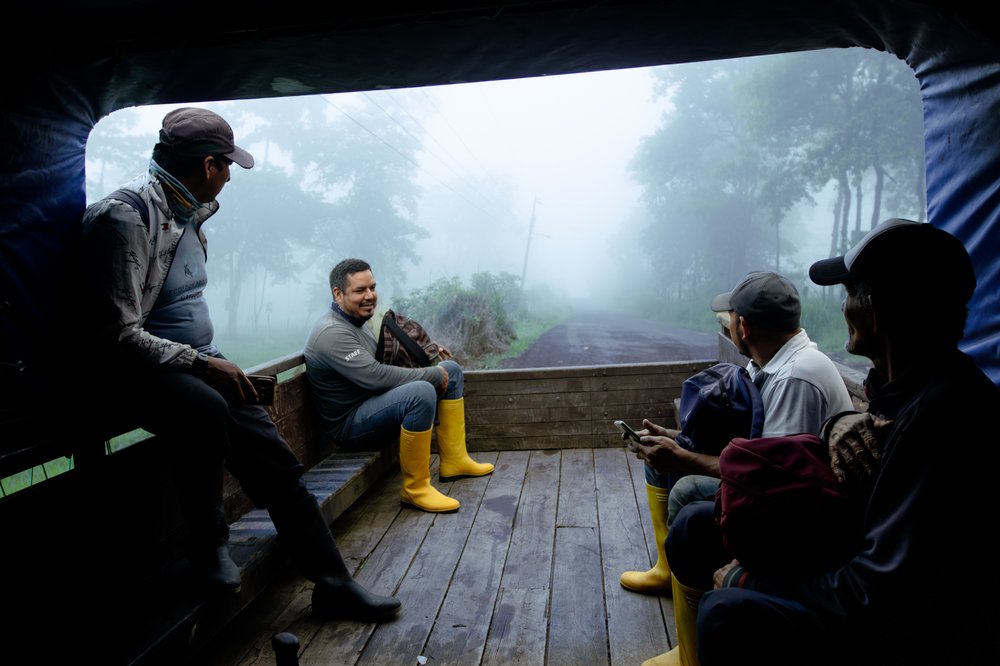
Danny Llerena, who grew up in Bellavista, begins his workday at four in the morning. He prepares breakfast and lunch, packs his backpack, and heads out to the main road, where he catches the truck of the Galapagos National Park Directorate to the Santa Rosa checkpoint and then continues to the entrance of the Granillo Rojo Mine. His connection to fieldwork started in childhood on his family’s farm. Today he is driven by the opportunity to support the ecological restoration of this area.
Alma Suárez/CDF
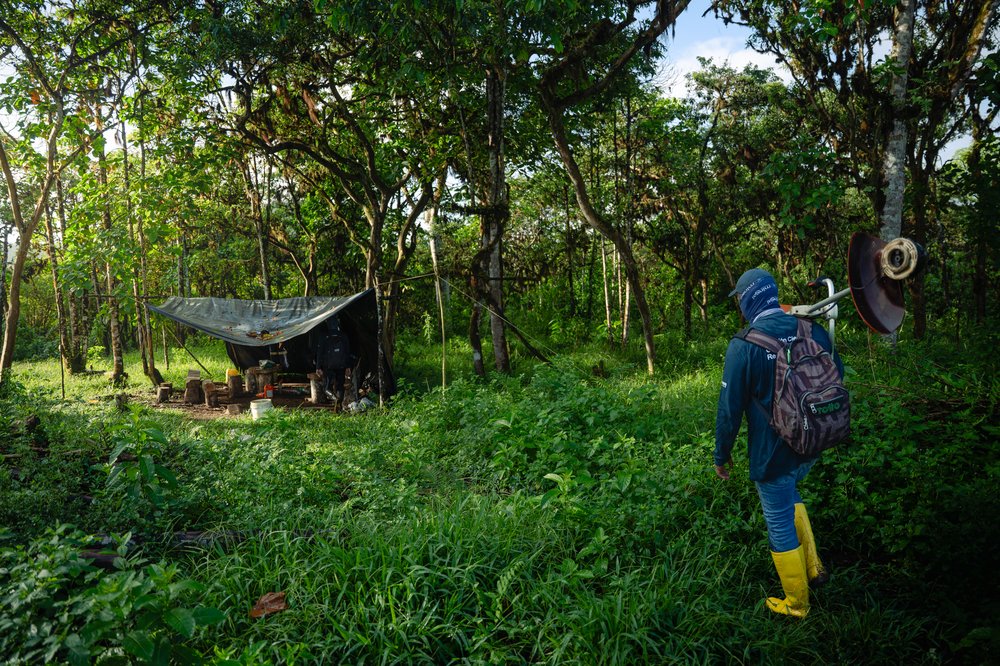
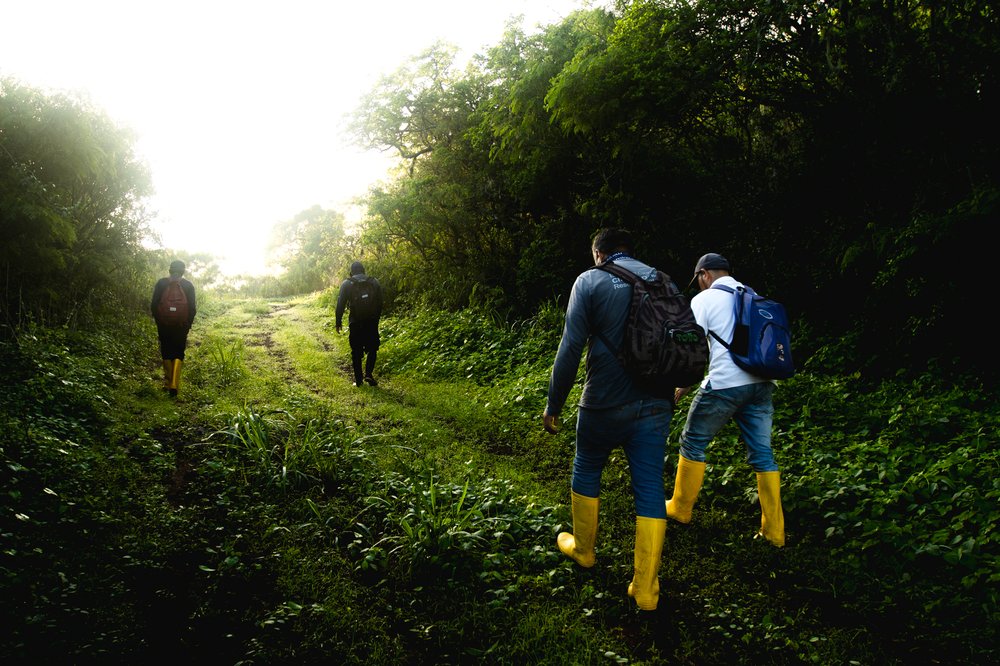
From the drop-off point, we still walk about two kilometers to reach the Scalesia reforestation site; it takes roughly 45 minutes,” explains Jhonatan Ullauri. The restoration work requires long hikes, often while carrying tools and equipment. Despite the physical demands, he values the calm of the field over to the stress of the city.
Alma Suárez/CDF
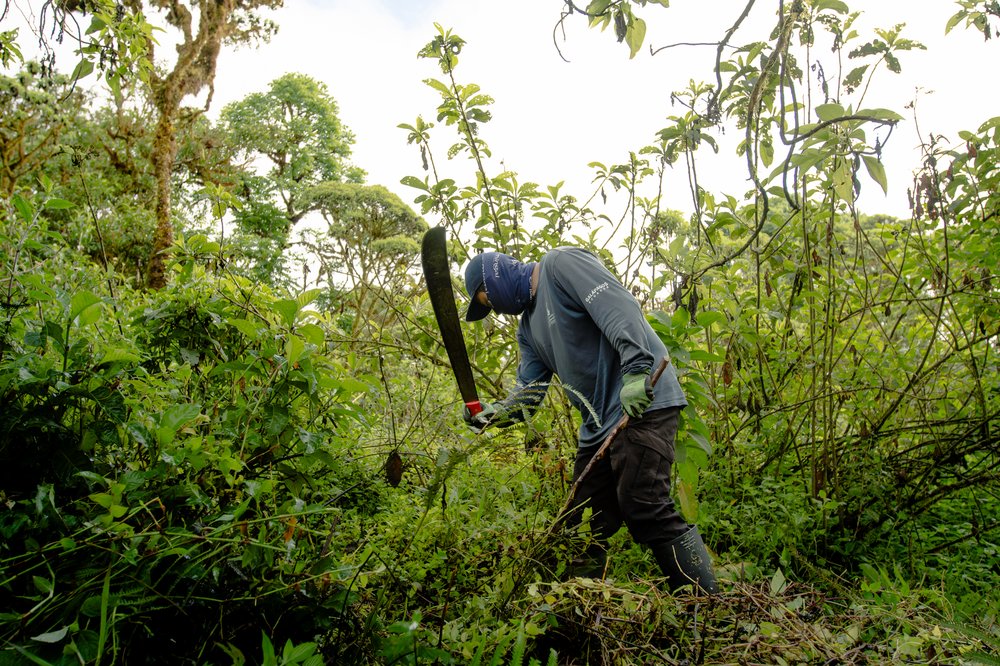
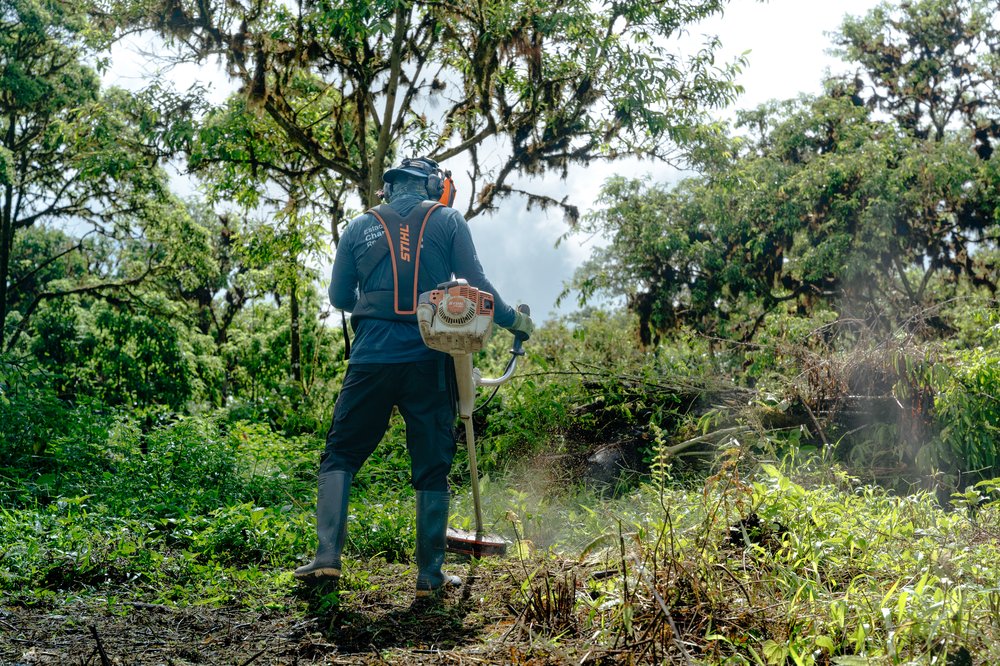
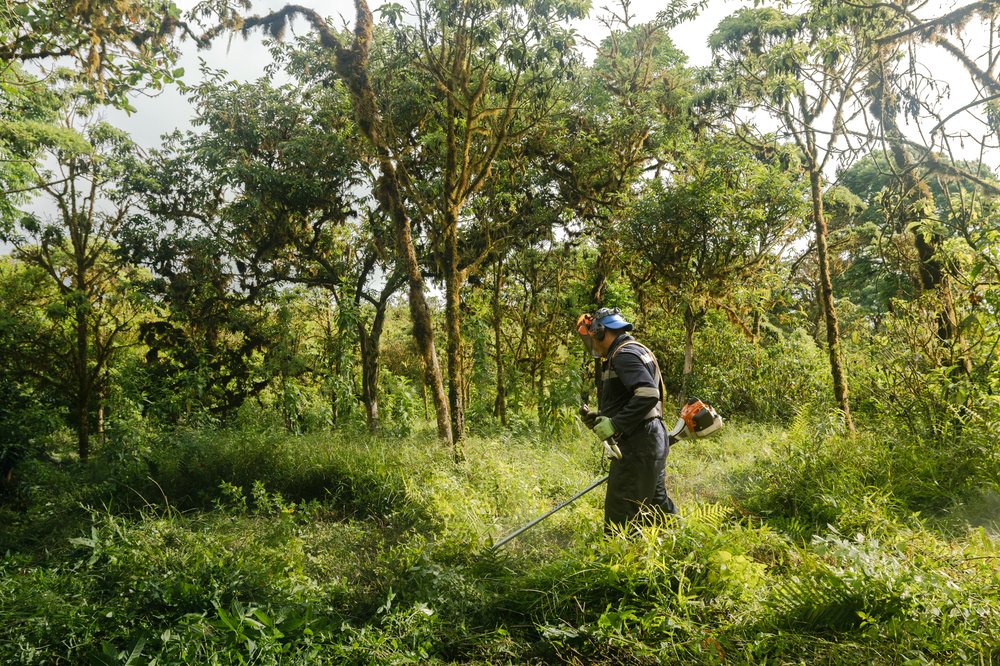
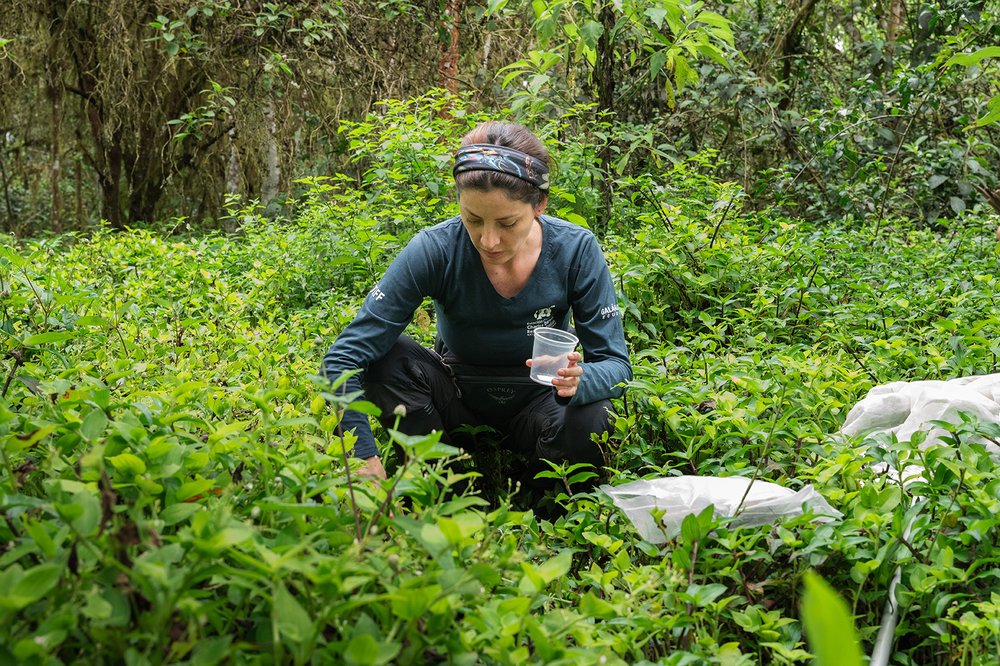
The reforestation effort starts with clearing and removing weeds. This involves eliminating invasive plants, cutting undergrowth, and preparing the site for planting, reducing competition and enabling Scalesia to grow under improved conditions.
Alma Suárez/CDF
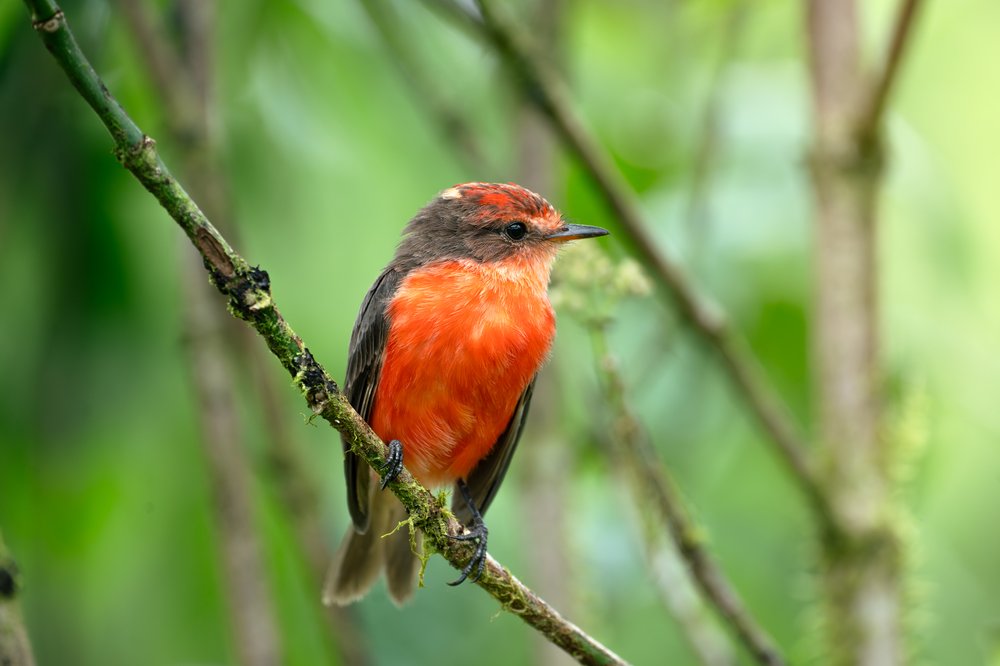
While we work, the Little Vermilion Flycatcher now comes closer more often,” says Danny Llerena. Its constant presence, even during fieldwork, reflects and signals the gradual recovery of favorable ecological conditions in the ecosystem.
Alma Suárez/CDF
Restoration has been progressed gradually. At the beginning, the area was dominated by invasive plant species such as sauco, blackberry, and quinine, which limited native vegetation growth. Jhonatan Ullauri notes that, thanks to sustained work, the change is evident: the landscape has improved, and now insects and a greater diversity of birds can be observed.
Alma Suárez/CDF
The full recovery of the Scalesia forest represents the project’s long-term vision. The aim is for the entire area to once again be covered by this endemic species, restoring not only the landscape, but the resilience and ecological integrity of the highlands for our children.
Mara Speece/CDF
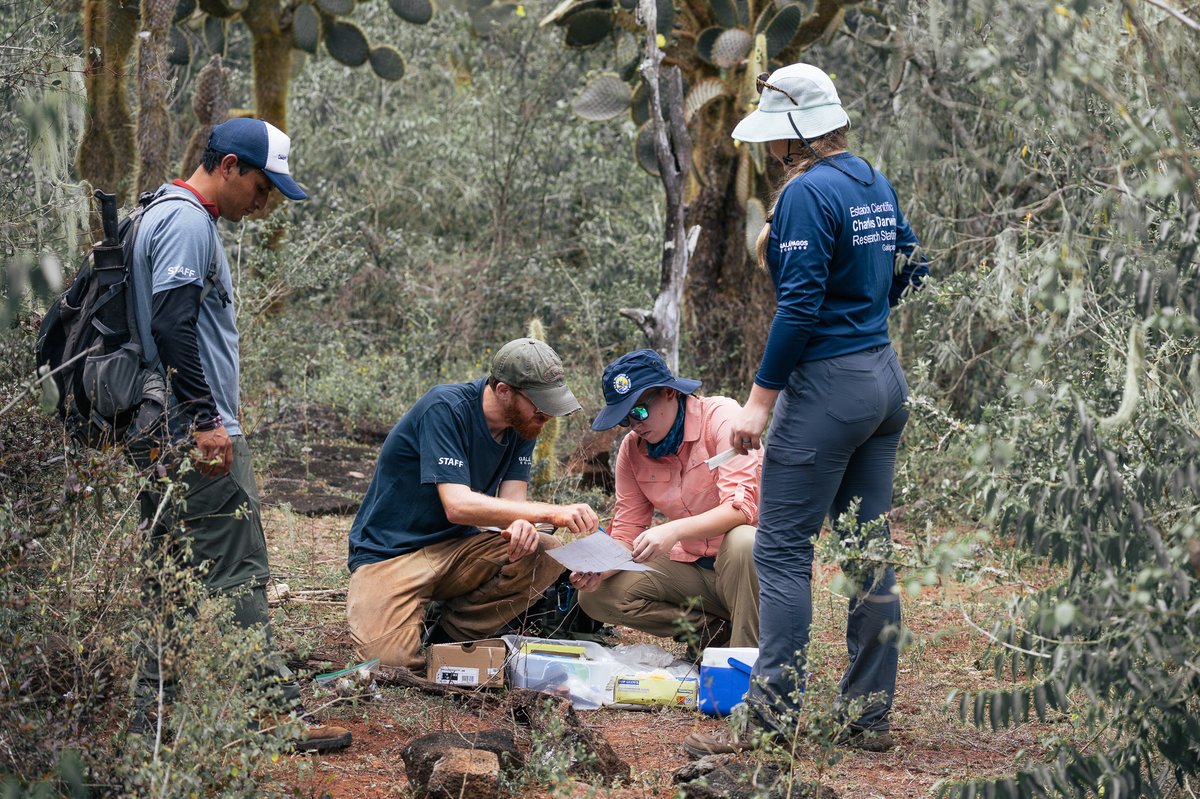
Forest restoration generates cascading effects across the ecosystem. “When the forest recovers, insects and birds return,” explains Jonathan Ullauri, underscoring the direct link between vegetation and wildlife.
Alma Suárez/CDF
We want future generations to keep seeing the Little Vermilion Flycatcher and the Scalesia forest.” This statement reflects the team’s core purpose: ensuring the long-term conservation of Galápagos’ natural heritage.

Roberto Maldonado

Communications and Media Officer

View bio