The ocean of the past is why we should have hope
We humans have become so good at fishing, and we have been doing it out of control for so long, that in just half a century, we have managed to wipe out from our blue planet most of the large fishes, sharks and rays that once roamed the world’s oceans. It is hard to imagine the magnitude of this destruction, but even harder to picture the pristine oceans ‘teeming with marine life’ described by early sailors and explorers centuries ago. Human activities have impacted Earth’s climate and ecosystems so significantly, and in so many ways, that we have been proposed as drivers of a new geological area: the Anthropocene.
A quick read of some of the latest seminal research papers and reports will reveal that the planet is warming faster than ever, the rate of species extinction is going through the roof, we are not meeting conservation targets, etc. Under the present doom and gloom scenario, I normally get asked: How do you manage to maintain hope?
And to this question, I always have the same, two-part answer:
1) If you lose hope, you give up, and when you give up, in the end, ‘the dark side’ (in the summarized form of economic greed at the cost of environmental loss) will always win;
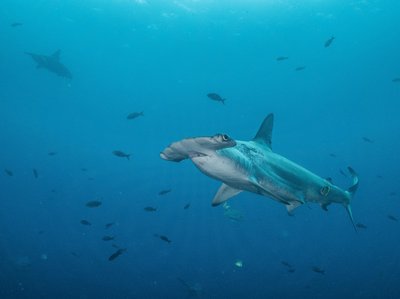
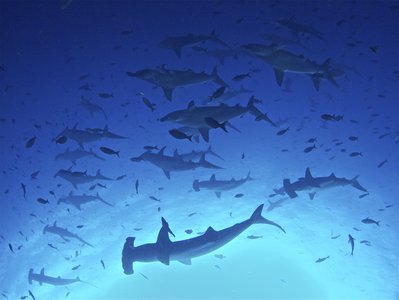
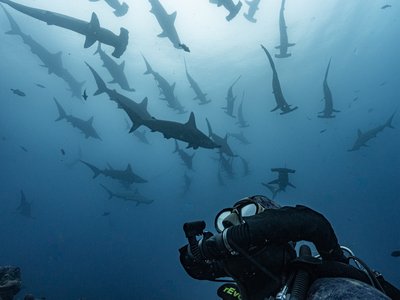
2) Therefore we have to keep up the fight against ‘the dark side’ until the very last pristine coral reef, fish spawning aggregation, shiver of scalloped hammerhead sharks or any other of the many amazing spectacles of nature, are still standing.
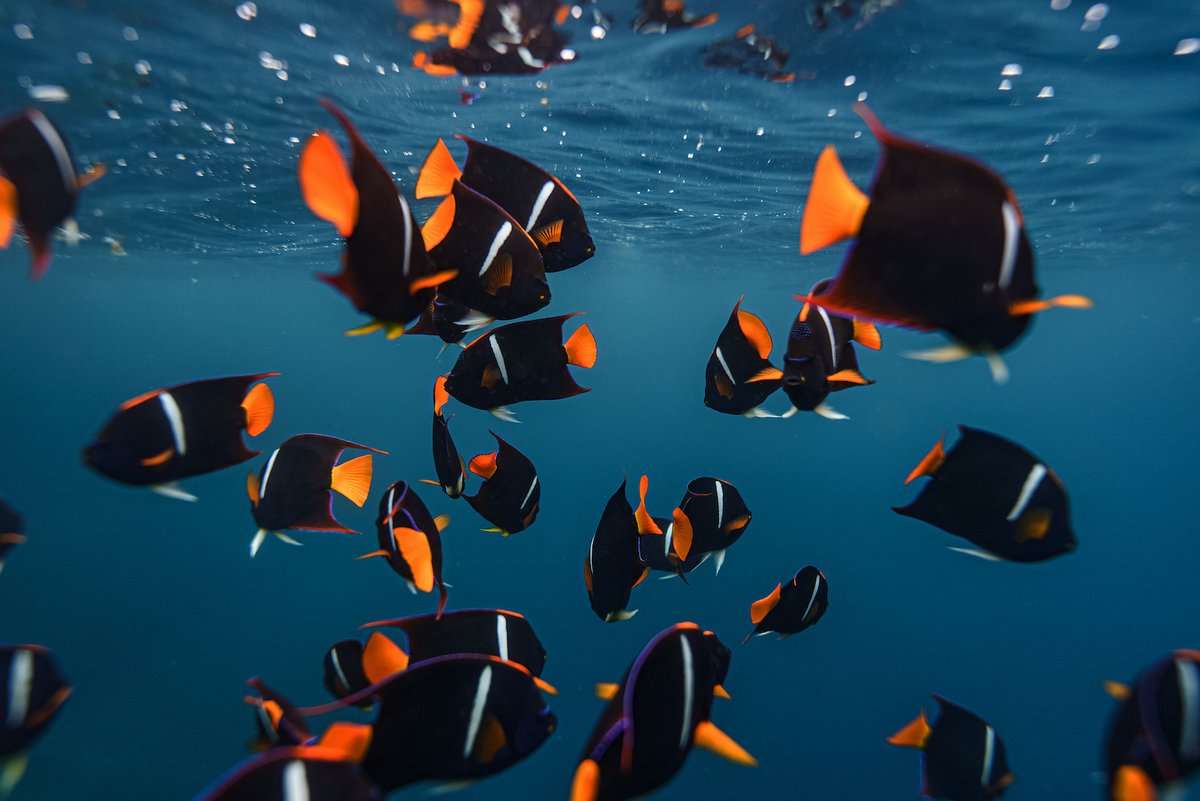
Despite all this doom and gloom, some parts of our oceans, somehow, continue to be miraculously in good shape. And when you submerge yourself in these waters, one can still enjoy a window into the ocean of the past where marine megafauna is the norm and not the exception.
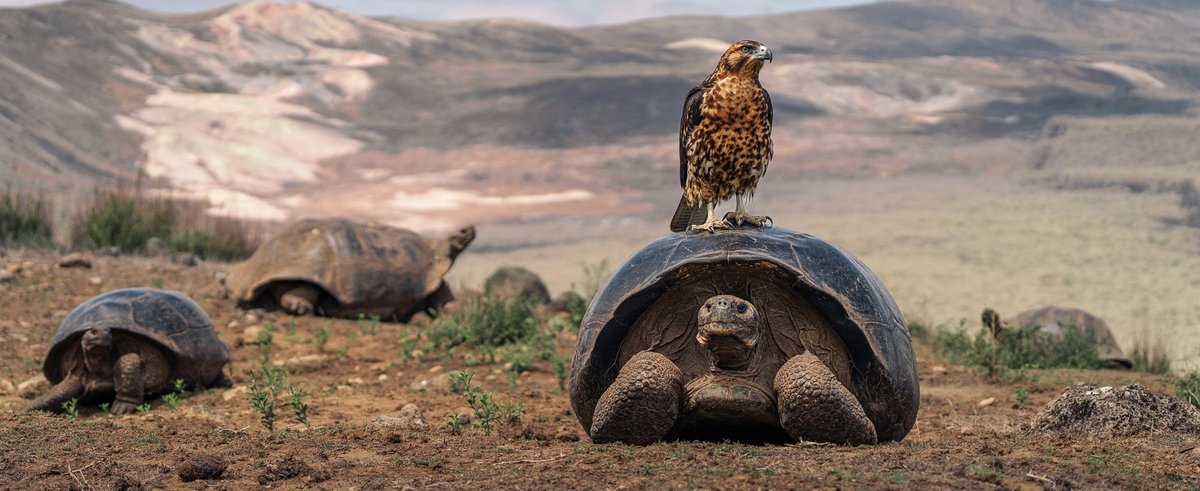
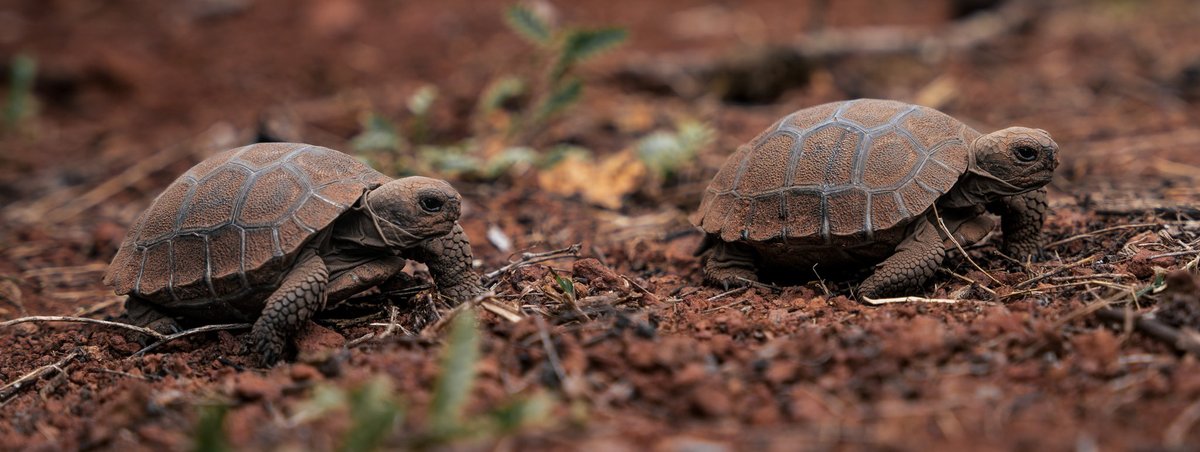
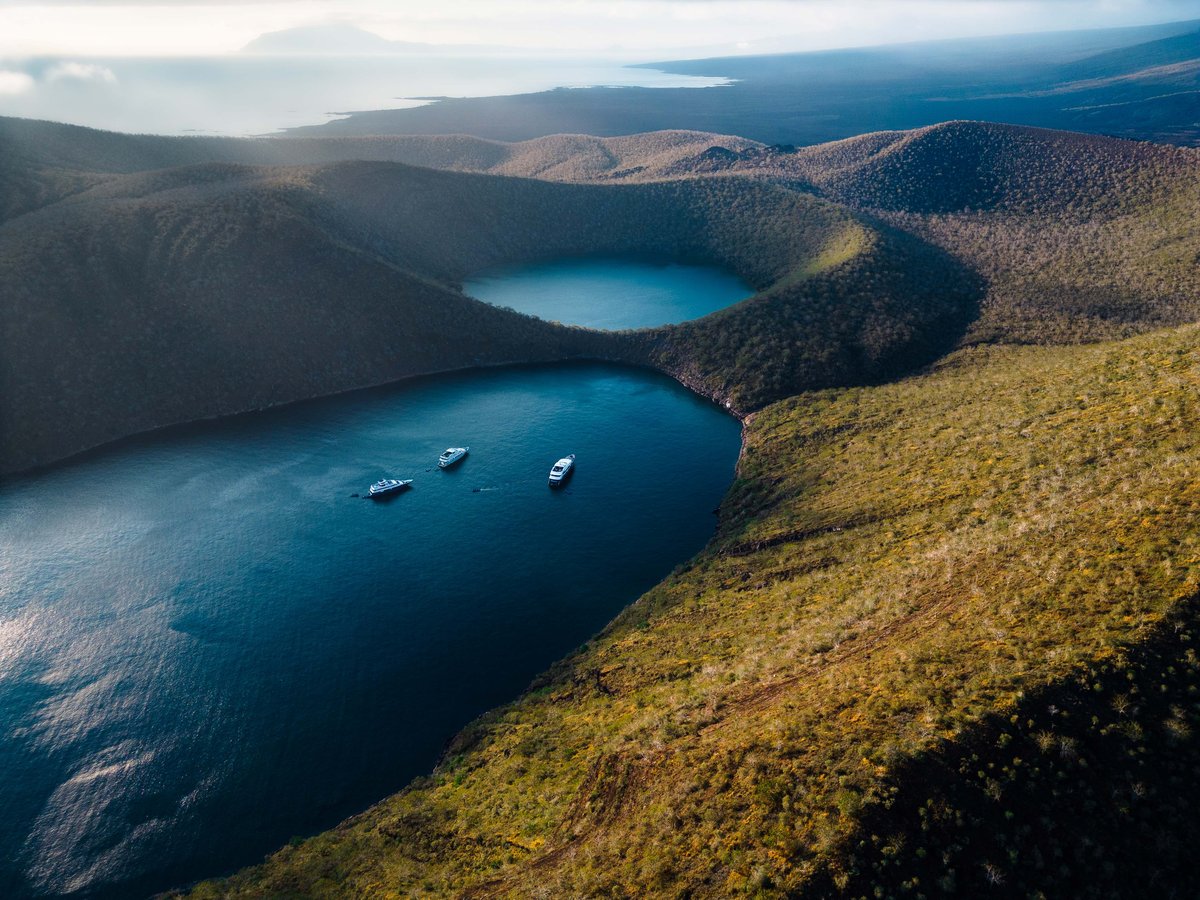
The highly isolated; late colonized and heavily protected Galapagos Archipelago in Ecuador is definitely one of the last true wilderness in our blue planet.
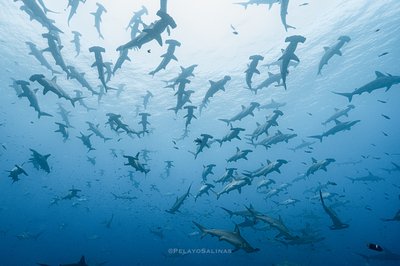
Pelayo Salinas de León/CDF
I have had the privilege to call the Galapagos home and my ‘offish’ for more than a decade. However, during all these years, from the ‘Galapagos bubble’ surrounded by hundreds of sharks and other marine megafauna, one gets exposed to so many alarming science-based reports on the state of our oceans, that being absolutely honest, most of the time it is very hard to maintain hope on the fate of our wonderful blue planet and all the species that live within. But when pessimism kicks in, and it looks like ‘the dark side’ is definitely going to win, it only takes a single dive at the crown jewel of Darwin and Wolf Islands, the sharkiest place on earth, to remind me why we should be hopeful: there are still many amazing spectacles of nature worth fighting for. We just have to remain hopeful and continue the fight with science based arguments, so the next generations can be as privileged as us to enjoy these glimpses of the ocean of the past.
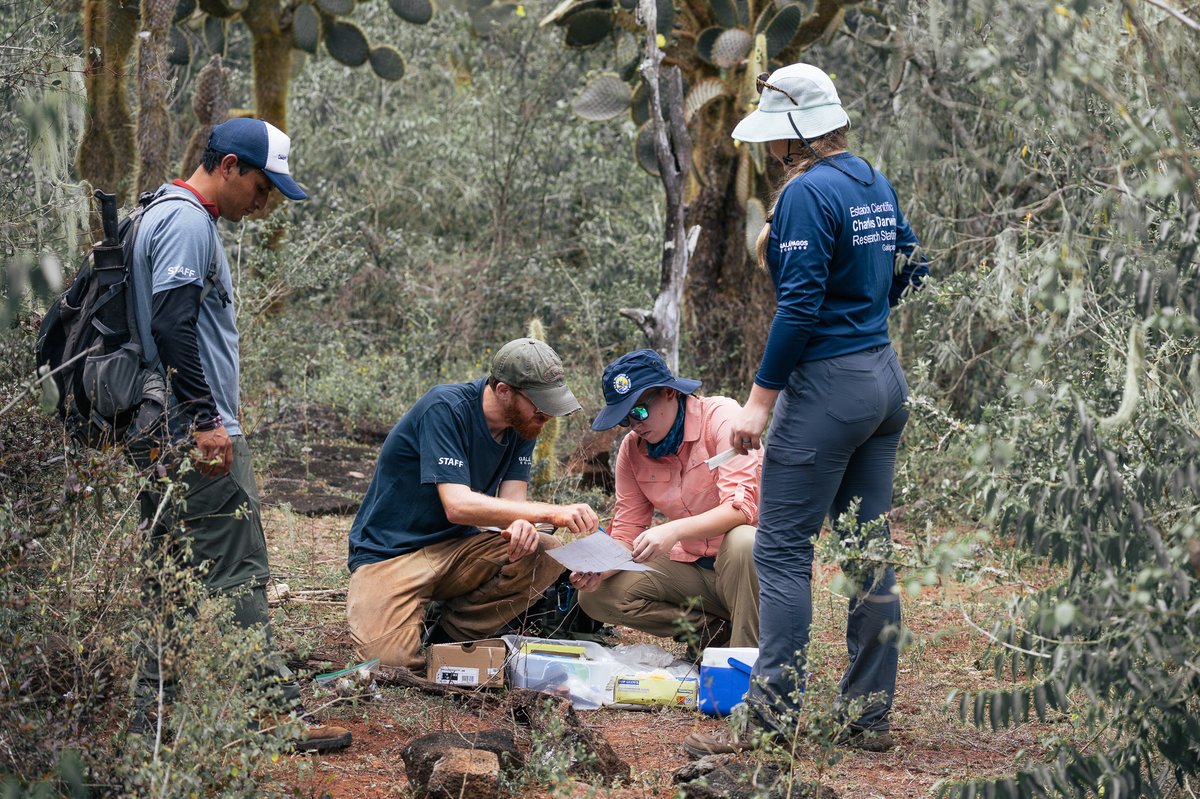
Pelayo Salinas / CDF
Pelayo Salinas CDF
Pelayo Salinas de León/CDF
Learn more about our shark ecology and conservation program