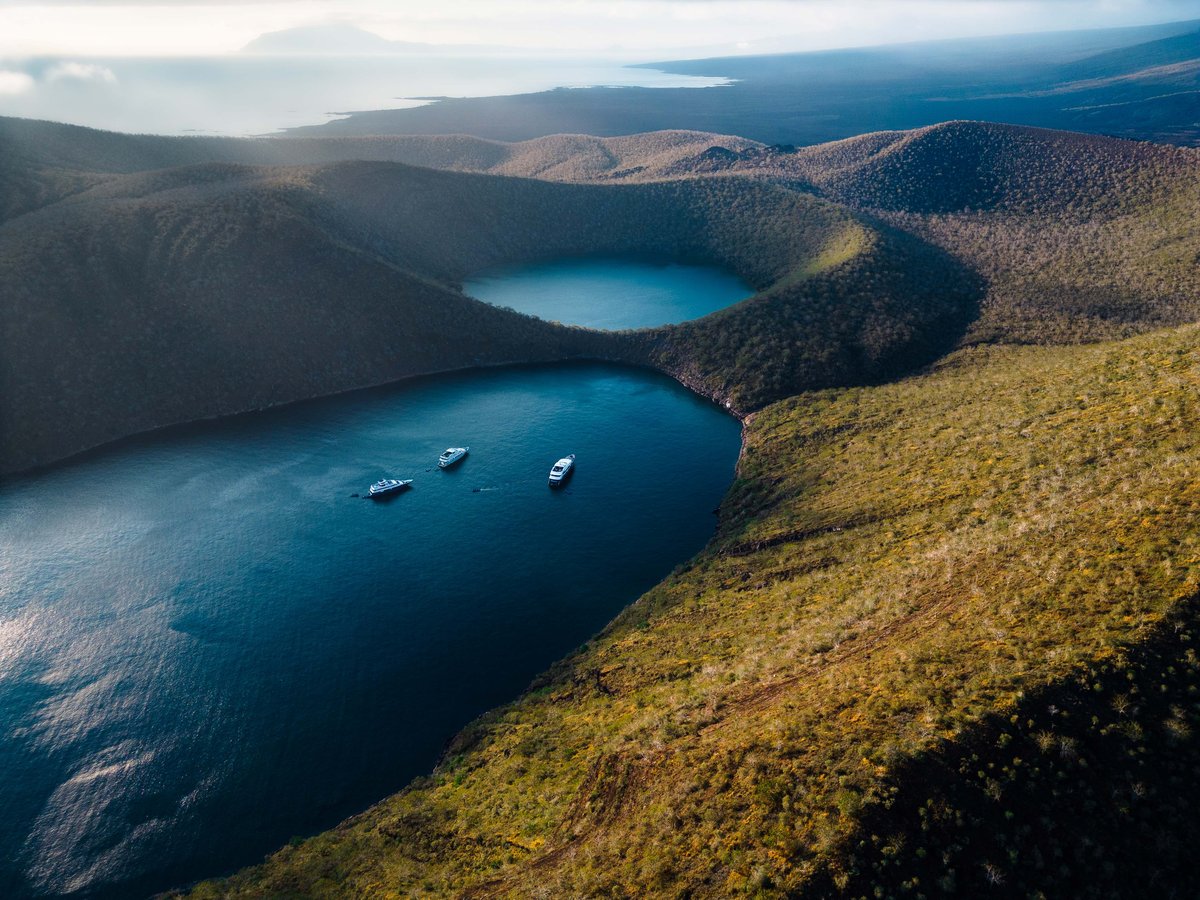

Windows to the 19th Century Ocean
Collected more than 130 years ago, these specimens continue to tell stories from the past. Today, some of the oldest specimens from Galápagos are safeguarded in the Marine Organisms Collection (MCCDRS) at the Charles Darwin Research Station (CDRS), where they continue to provide key information for understanding the biodiversity of the archipelago over time.
When we observe a specimen in a scientific collection, we are not simply looking at a preserved organism. We are standing before a unique record of the past: physical evidence of what a species was like in a specific place and moment in time. Each specimen is a window into the ocean of another era.
Carlos Espinosa/CDF
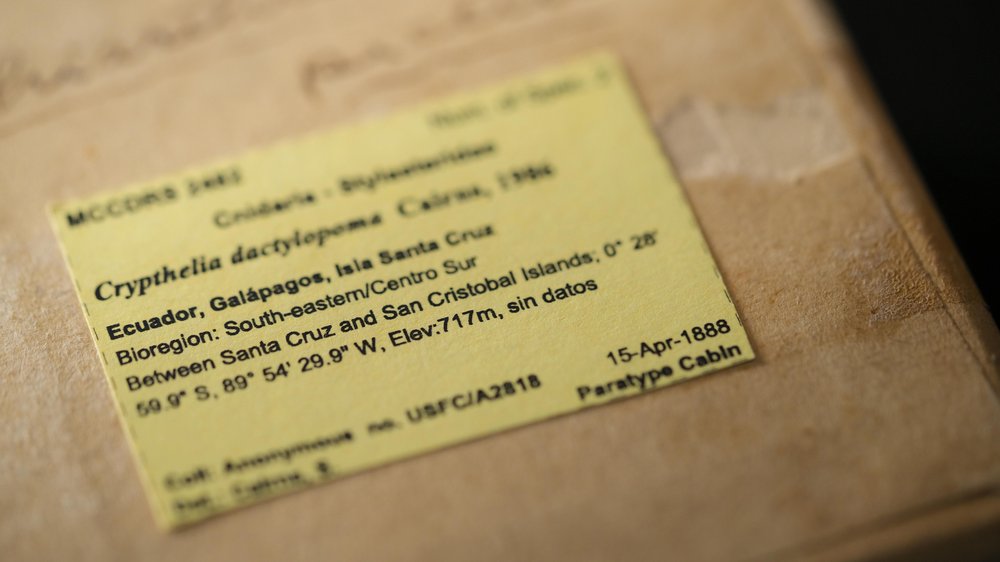
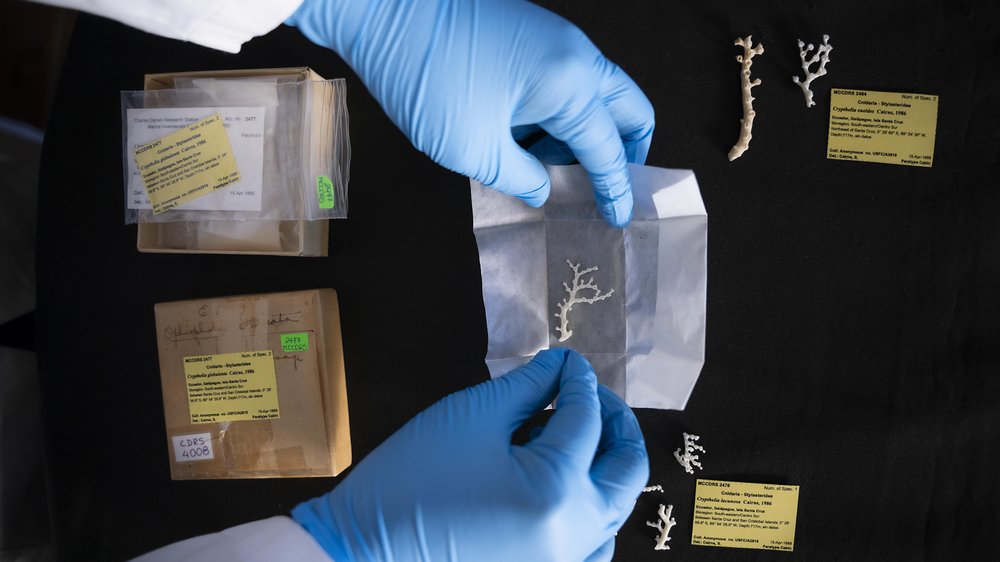
Among the oldest specimens preserved in the collection are five small corals from the genus Crypthelia: Crypthelia eueides, Crypthelia glebulenta, Crypthelia lacunosa, Crypthelia cymas, and Crypthelia dactylopoma. They were collected in 1888 between the islands of Santa Cruz and San Cristóbal during the expedition of the United States Fish Commission Steamer Albatross, the first vessel designed and built exclusively for marine scientific research.
At that time, marine exploration methods were still rudimentary. Large dredging nets were lowered to the seafloor to capture organisms, allowing these specimens to be collected at depths of more than 700 meters. They were later deposited and safeguarded at the Smithsonian Institution’s National Museum of Natural History, where they were preserved, cataloged, and identified 98 years later.
Carlos Espinosa/CDF
Working with these specimens feels, to me, like traveling through time. These small and fragile organisms hold information about the ocean of the nineteenth century. They represent complex forms of life adapted to extreme conditions and help us understand how marine ecosystems have evolved over time.
Despite being collected in the nineteenth century, these specimens remain highly relevant for modern science. They serve as reference material, support species identification, allow scientists to analyze changes in marine biodiversity, and provide information that informs conservation policies and actions. They also play a fundamental role as educational and outreach material.
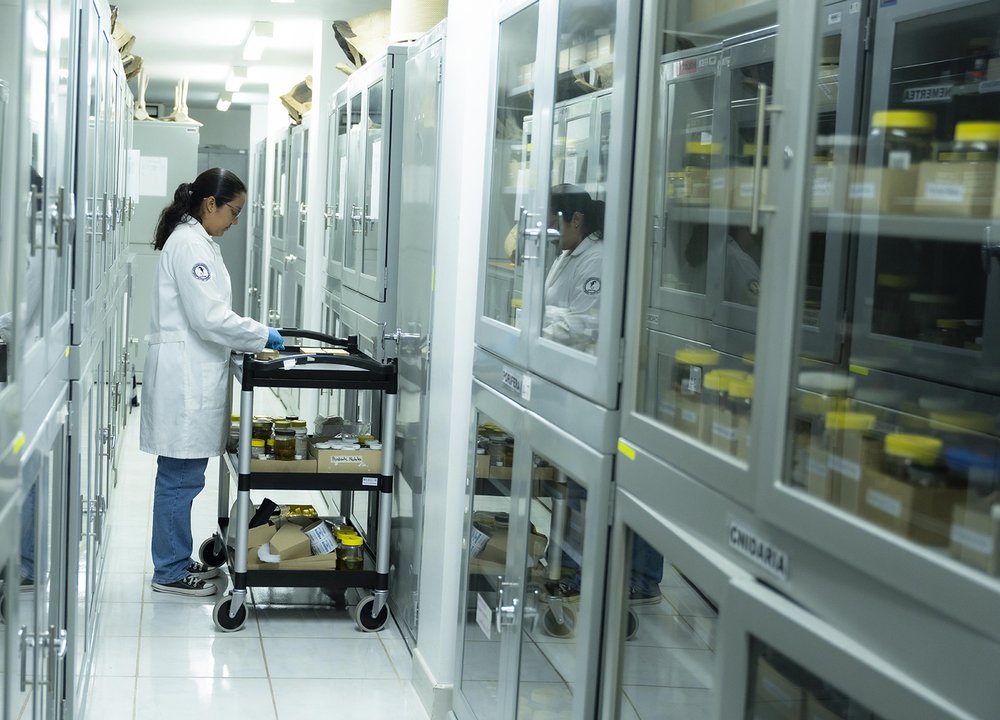
Over time, even preserved organisms can deteriorate. Our task is to prevent that natural wear from becoming a loss of valuable knowledge. For this reason, many of these specimens are kept in controlled environments suited to each organism. Preserving a specimen for more than a century does not happen by chance. It requires continuous effort to monitor, care for, and ensure that the information associated with each specimen remains accurate and complete.
Today, alongside physical preservation, we also rely on digital tools that allow us to store and share the information associated with each specimen. Platforms such as the DataZone of the Charles Darwin Research Station, together with complementary information such as photographic records, ensure that these organisms remain part of a key repository of knowledge about Galápagos and continue to be available for study. Their age does not make them obsolete; on the contrary, it makes them essential pieces for understanding both the past and the present of the ocean.
Carlos Espinosa/CDF
In Galápagos, preserving these records is a responsibility toward the islands and their future. Many marine species face increasing threats, and without specimens in scientific collections we would lose the biological, ecological, and geographical record of the organisms that once formed—and still form—part of the ocean surrounding our islands.
Maintaining the Marine Organisms Collection at the Charles Darwin Research Station depends on the support of people committed to protecting this natural heritage. With your support, we can ensure that these stories remain alive and continue to guide the conservation of Galápagos.
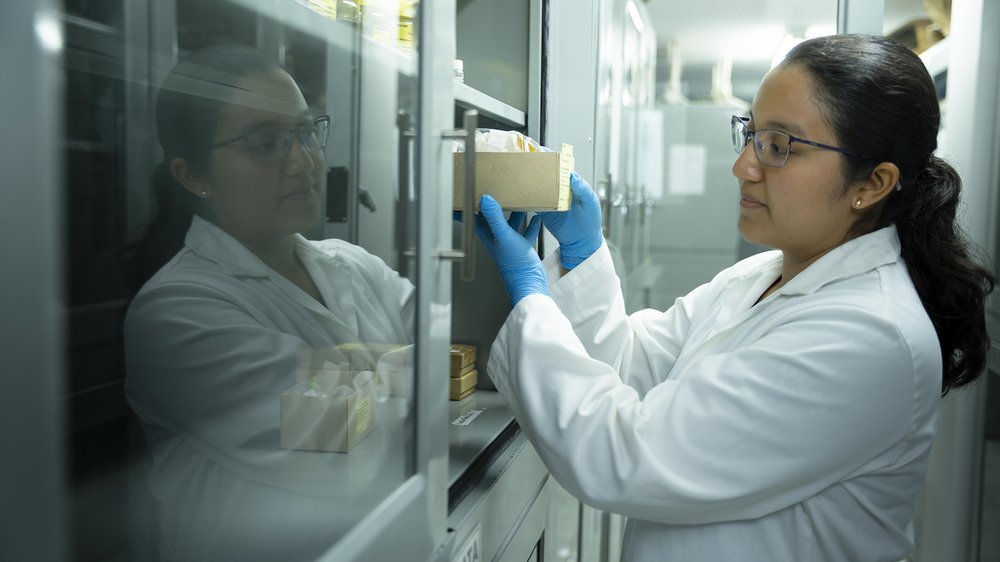
Carlos Espinosa/CDF
References
Cairns, S. D. (1986). Stylasteridae (Hydrozoa: Hydroida) of the Galápagos Islands (No. 426). Smithsonian Institution Press.
Allard, D. C. (1999). The origins and early history of the steamer Albatross, 1880–1887. Marine Fisheries Review, 61(4), 1–21. https://spo.nmfs.noaa.gov/sites/default/files/pdf-content/MFR/mfr614/mfr6141.pdf
Charles Darwin Foundation. (n.d.). Marine Collection of the Charles Darwin Research Station. https://www.darwinfoundation.org/es
Smithsonian National Museum of Natural History. (n.d.). Iziko Zoology Collections search. Smithsonian Institution. https://collections.nmnh.si.edu/search/iz/
Protect Galapagos, Impact the World
The impact you make on this small ecosystem of enormous biodiversity is part of a larger footprint you are leaving for the world's future. Join us on our mission to safeguard one of our planet’s most important natural treasures through science and conservation action by making a donation today. Thank you for making an impact with us.