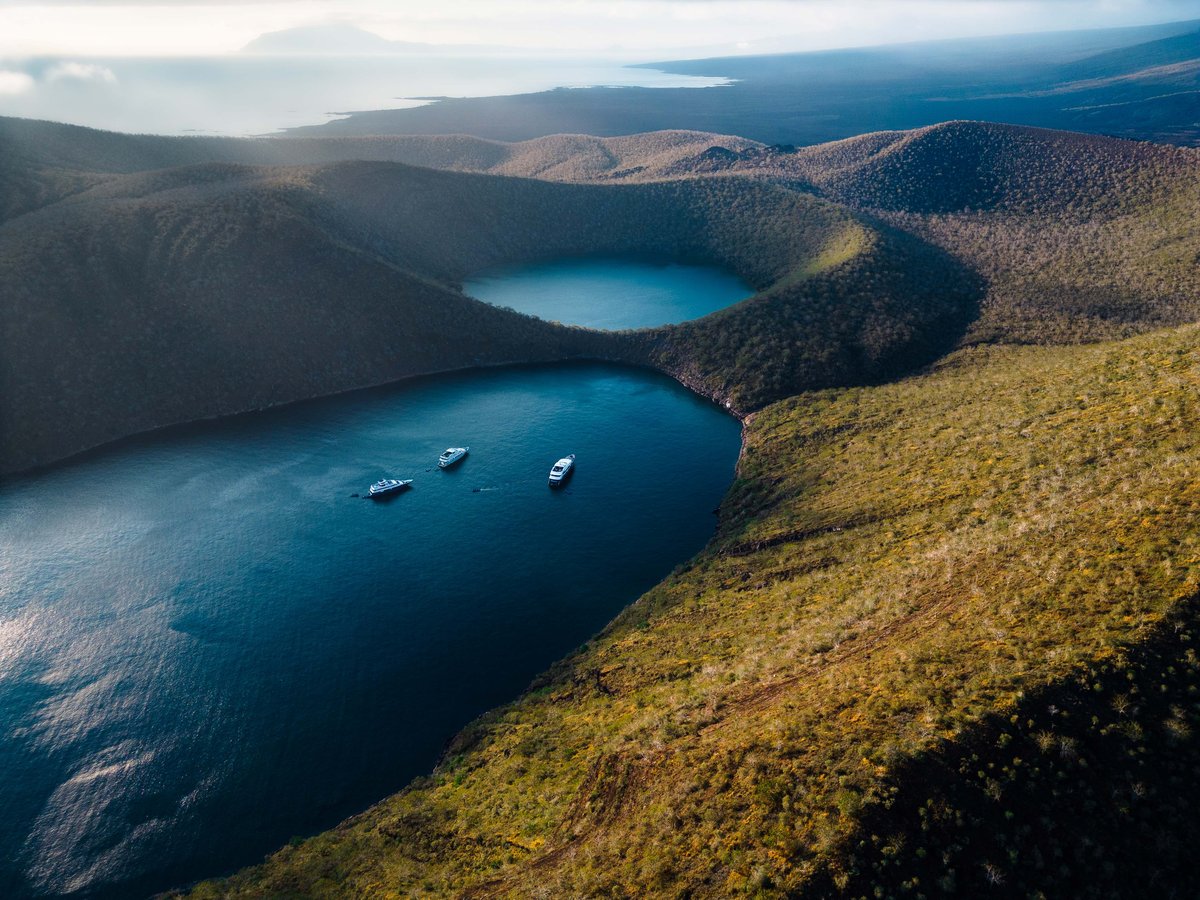

A Homecoming for Floreana
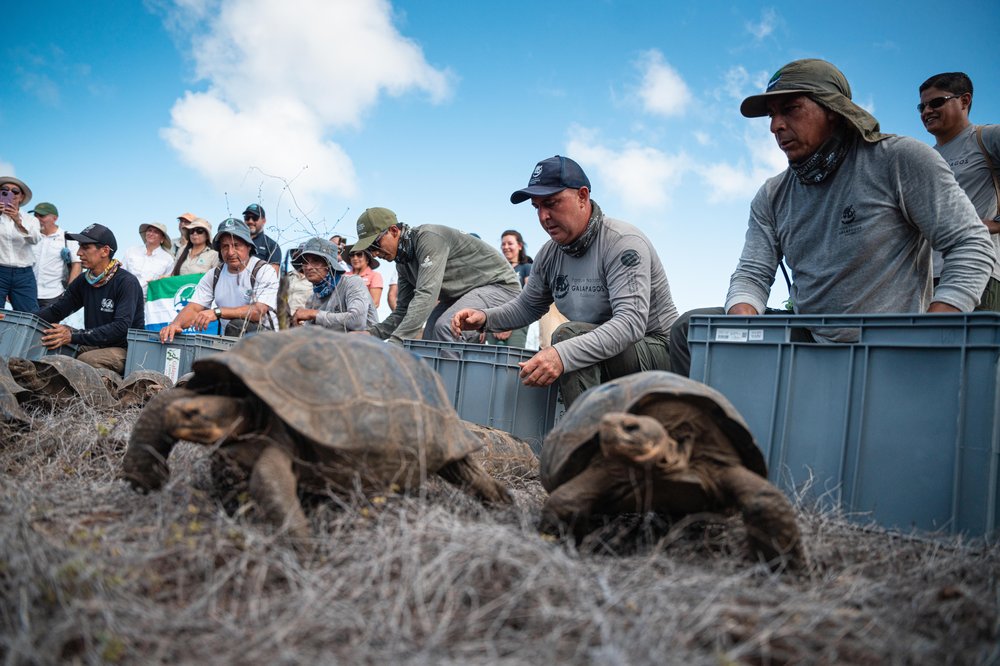
This February, after more than 180 years of absence, giant tortoises returned to Floreana Island.
Giant tortoises once played a central role in shaping the island’s ecosystems, but they have been gone for more than 180 years. Their return restores a key ecological function and represents an important step in the broader, long-term effort to rebuild what was lost.
To understand why this moment matters, it helps to look at how the lineage of the Floreana giant tortoise was ultimately recovered.
How a Lost Species Was Recovered
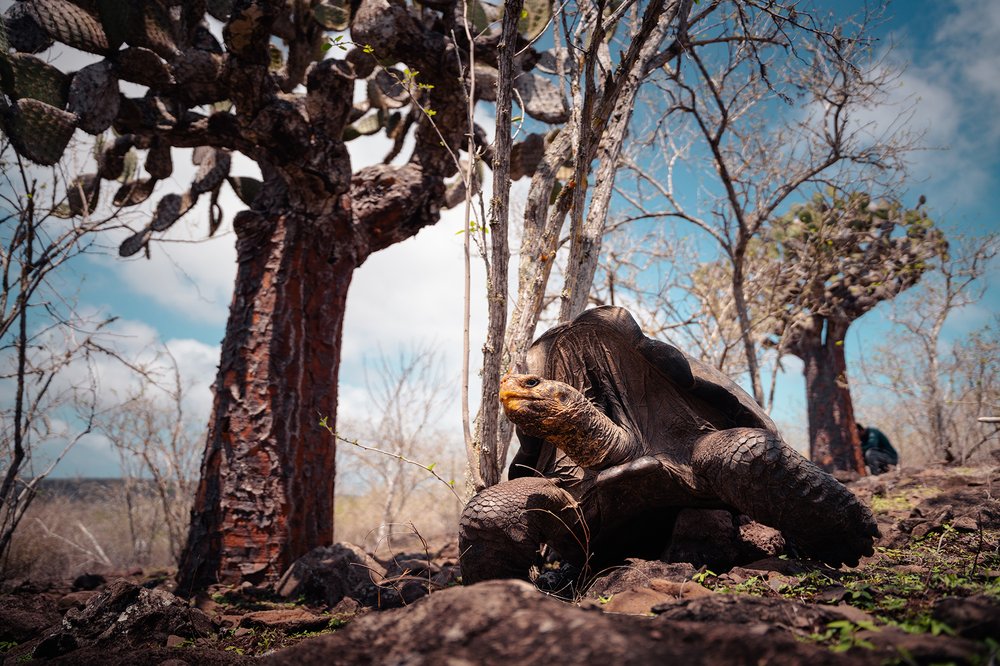
The Floreana giant tortoise was the first Galápagos tortoise species driven to extinction. By the mid-1800s, intensive exploitation by whalers and other seafarers, compounded by the impacts of introduced invasive species, had eliminated the tortoise from its home island. For more than a century, the lineage was presumed lost forever.
That changed in 2000. While surveying tortoise populations on Wolf Volcano on Isabela Island, Dr. James Gibbs, now with Galápagos Conservancy, and rangers from the Galápagos National Park Directorate identified tortoises with saddleback shells, an unusual trait for the native Wolf Volcano population.
Genetic testing confirmed a critical finding: these tortoises were hybrids carrying Floreana ancestry.
Historical records suggest that whalers moved tortoises between islands as a source of food, sometimes leaving animals behind. In this case, displaced Floreana tortoises appear to have survived on Isabela, interbred with tortoises endemic to Wolf Volcano, and preserved the genetic lineage long after the species disappeared from its native island.
Carlos Espinosa/CDF
This discovery launched a long-term effort by Galápagos Conservancy and the Galápagos National Park Directorate to recover the Floreana tortoise lineage. Adult tortoises were brought from Wolf Volcano in 2015 and then again in 2020 to join individuals already in captivity. Genetic screening by Galápagos Conservancy scientists and institutional partners enabled the design of a targeted breeding program to maximize Floreana ancestry in the offspring. Through selective breeding, the partners have produced a growing cohort, now numbering in the hundreds, intended for reintroduction to Floreana.
Preparing Tortoises for Their Return
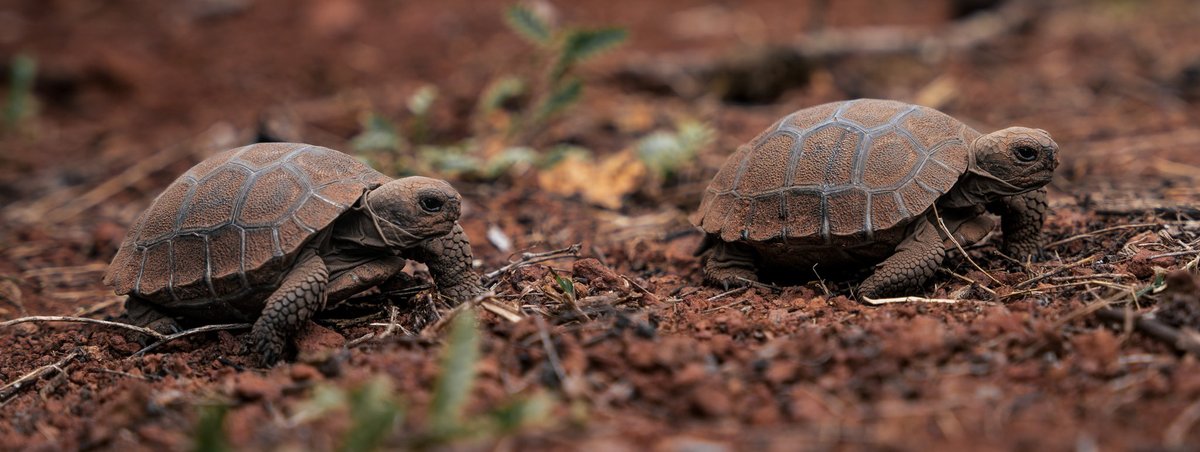
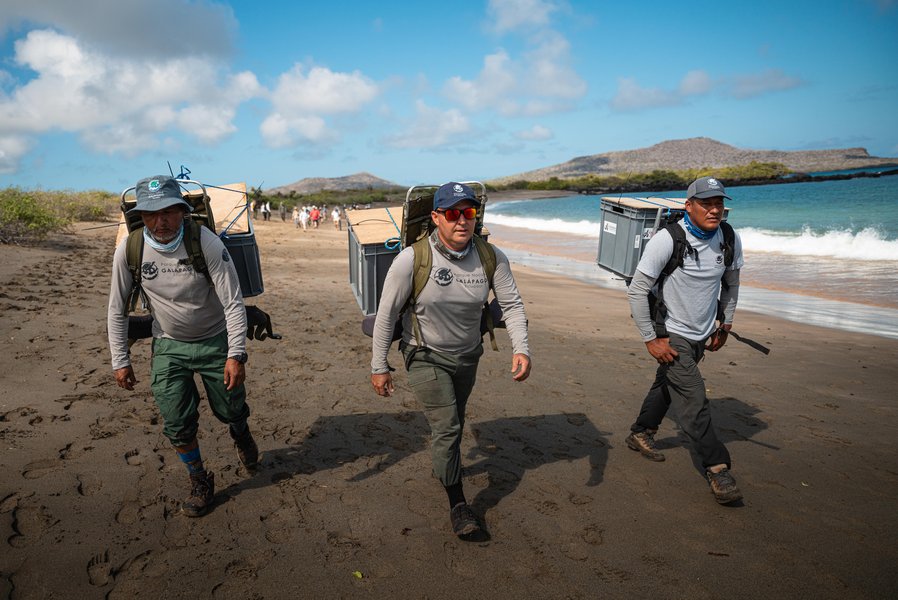
The individuals selected for release were raised under controlled conditions until they reached a size and age associated with high post-release survival. Generally, tortoises must be at least five to seven years old before they are large enough to withstand existing environmental pressures on their own. The first group returning to Floreana exceeds this threshold: the 158 tortoises released this February are all 12 to 14 years old.
The reintroduction is also timed to coincide with Floreana’s rainy season, when vegetation is most abundant and seasonal water sources are available. This timing ensures that newly released tortoises will have ample forage as they establish themselves on the island.
Carlos Espinosa/CDF
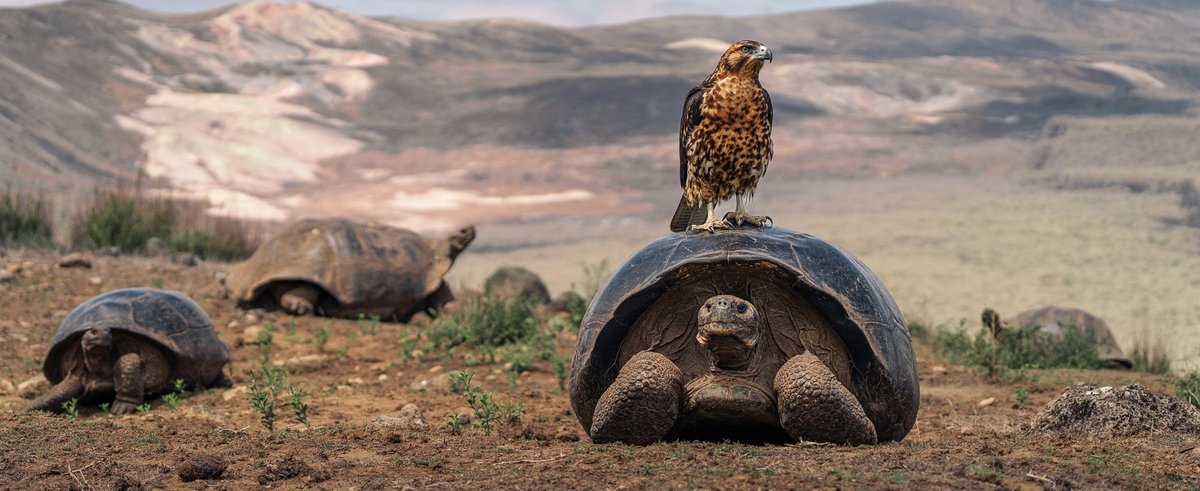
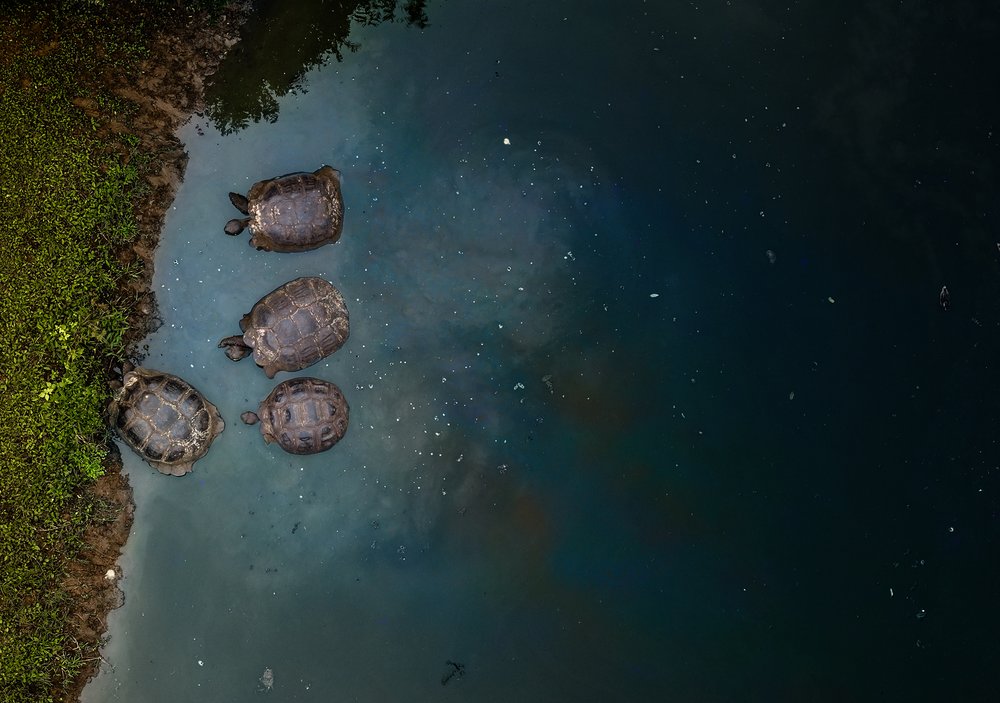
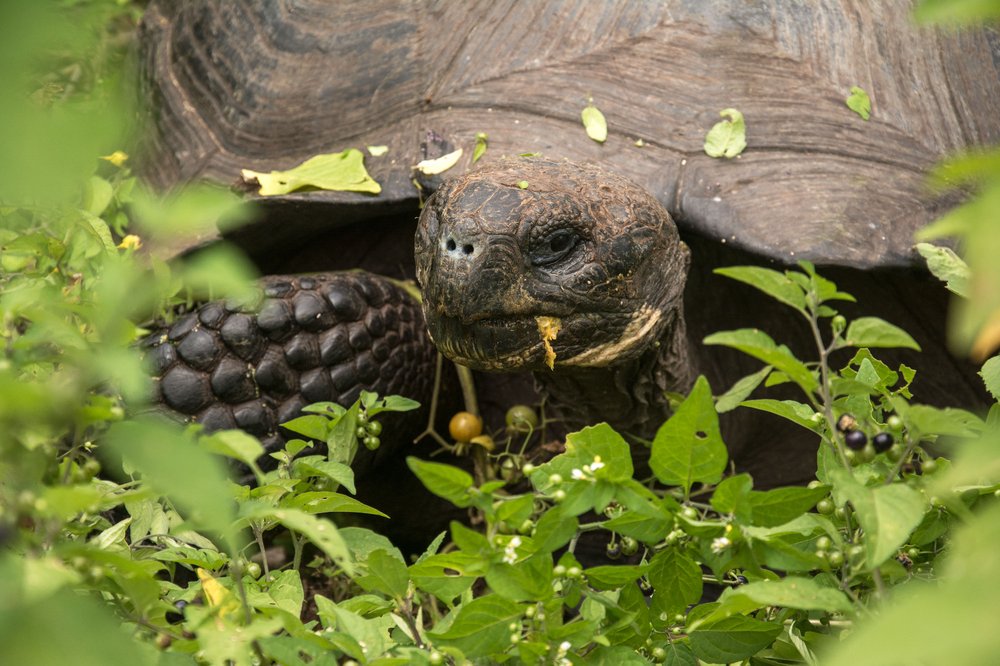
This careful preparation matters not only for the tortoises’ survival, but also for the ecological role they are returning to fulfill. Giant tortoises are ecosystem engineers. Through grazing, trampling, and seed dispersal, they shape vegetation, maintain open habitats, and support ecological processes that benefit many other species.
Reintroducing tortoises restores this ecological function after more than a century of absence. As tortoises move across the island, they are expected to support more diverse and resilient plant communities, with cascading benefits for birds, insects, and other native wildlife. Over time, their presence will help establish the ecological conditions needed for additional restoration efforts.
Monitoring and long-term commitment
All released tortoises are fitted with lightweight GPS transmitters, allowing scientists to monitor their movements and activity hourly over the coming years. Doing so will enable researchers to track tortoise habitat use, identify emerging risks, and respond quickly if intervention is needed.
Adult breeding tortoises will remain in captivity to continue producing offspring for future releases. As additional cohorts reach appropriate size and age, they will be released gradually across different areas of Floreana, supporting the island’s long-term ecological recovery.
Conservation Through Partnership
The return of giant tortoises to Floreana is part of the Floreana Ecological Restoration Project, led by the Galápagos National Park Directorate along with the Biosecurity and Quarantine Agency for Galápagos. It is co‑executed by Fundación Jocotoco, the Charles Darwin Foundation, and Island Conservation, with the support of several partner organizations, including Galapagos Conservancy, which is leading on the tortoise release.
Together, these partners are advancing one of the most ambitious island restoration efforts ever undertaken in Galápagos. The reintroduction of giant tortoises marks the first step in a broader plan that includes restoring habitats and, over time, reintroducing additional native species that once played critical roles on Floreana.
The return of tortoises to Floreana demonstrates what sustained, evidence-based conservation can achieve. It shows that even after more than a century, lost ecological processes can be restored through patience, science, and collective commitment.
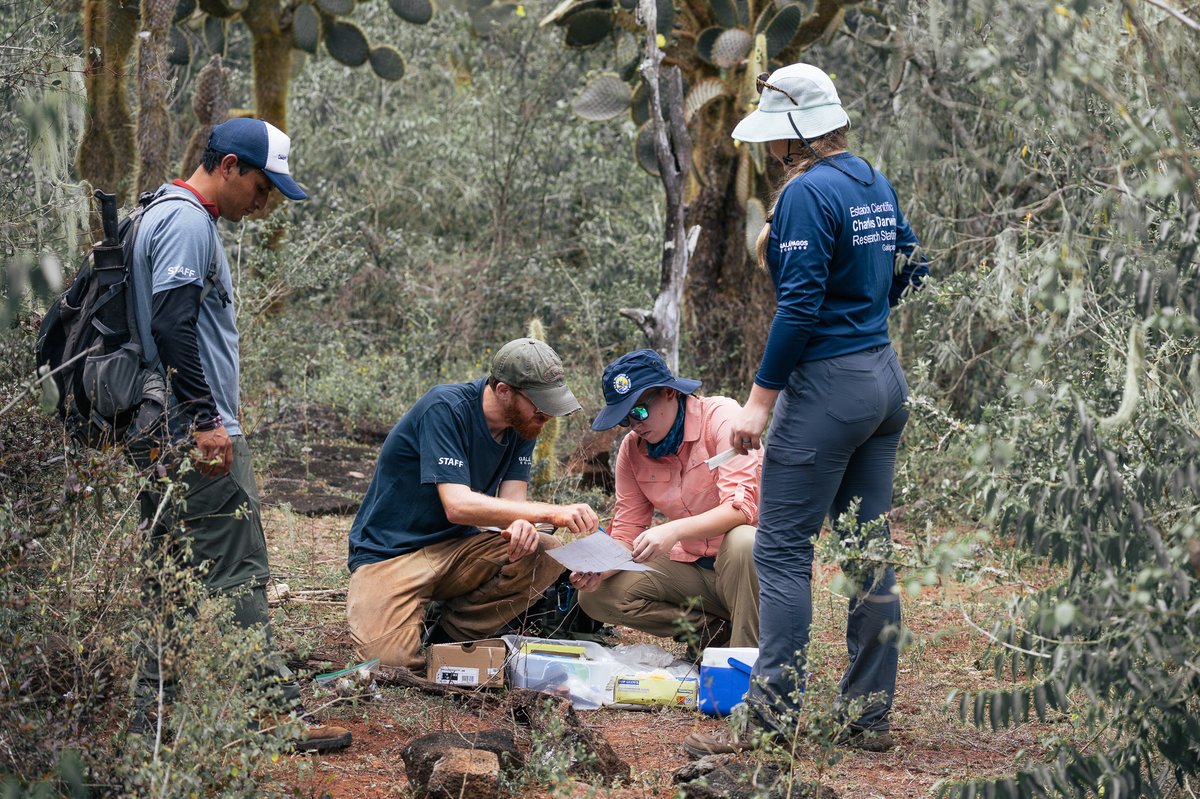
Carlos Espinosa/CDF
Carlos Espinosa/CDF
About the Project:
The project is led by Ecuador’s Ministry of Environment and Mines through the Galápagos National Park Directorate (GNPD) and the Galápagos Biosecurity and Quarantine Agency (ABG). It is co‑executed by Fundación Jocotoco, the Charles Darwin Foundation, and Island Conservation, with the support of several partner organizations, including Galapagos Conservancy, which is leading on the tortoise release. Working closely with the Floreana community and local and international allies, the project aims to achieve the island’s full ecological restoration through the eradication of three invasive mammal species, the restoration of habitats, and the reintroduction of 12 endemic species, restoring the ecological functionality and resilience of this unique island ecosystem.