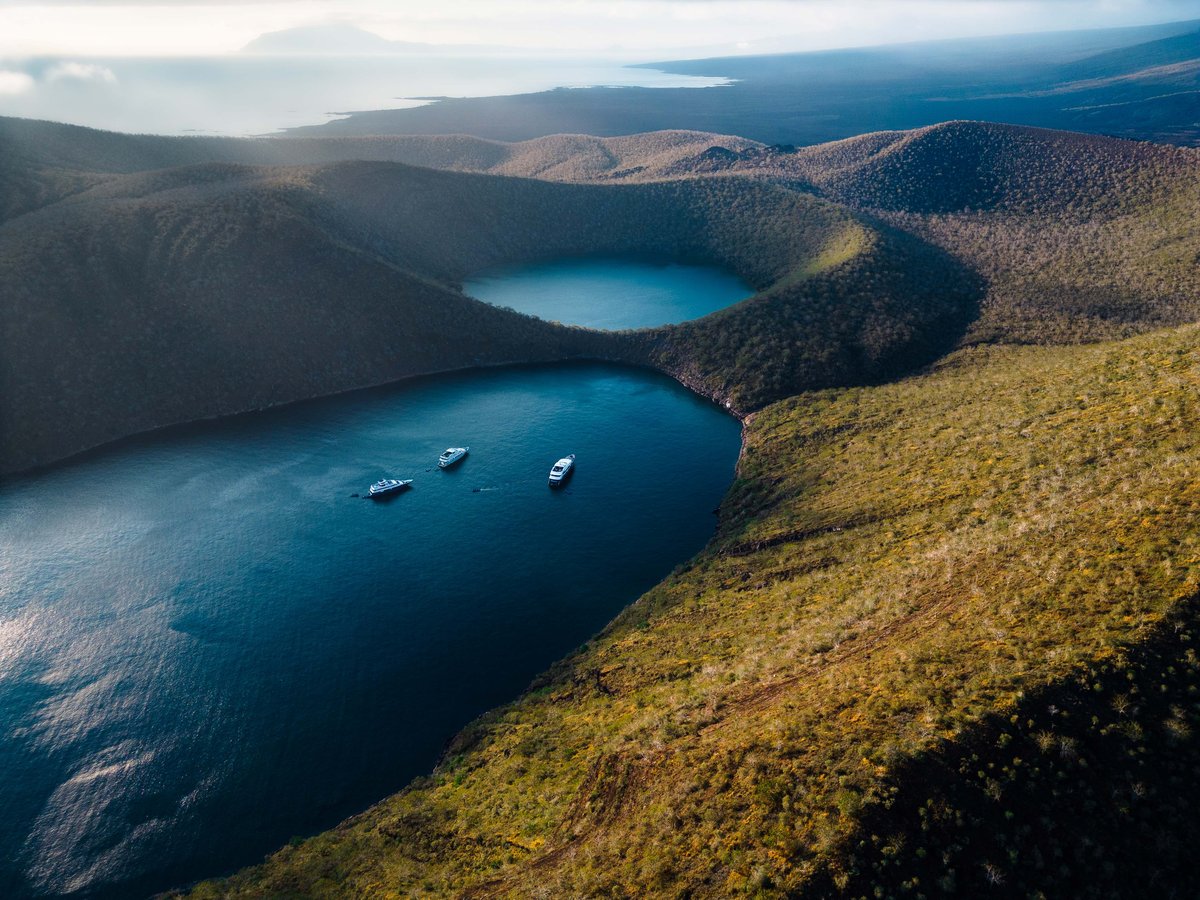

A key season for landbirds in Galápagos
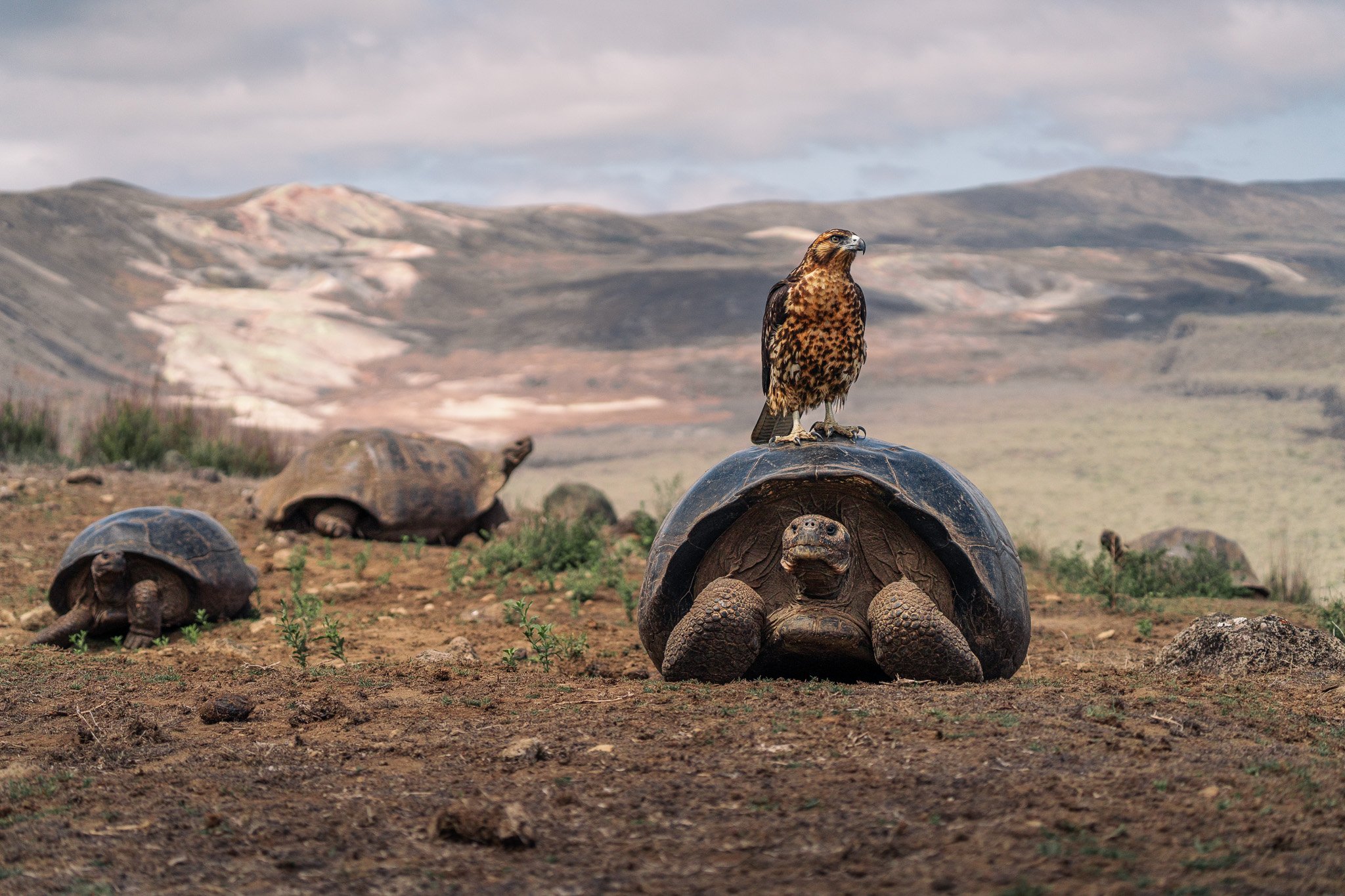
The bird breeding season is one of the most critical periods for the conservation of landbirds in the Galapagos Islands. Key phases of the breeding cycle, including nest building, egg laying, and chick rearing take place during these months, typically from January to April. The outcomes of these activities have a significant impact on population stability and, ultimately, the overall health of the ecosystem.
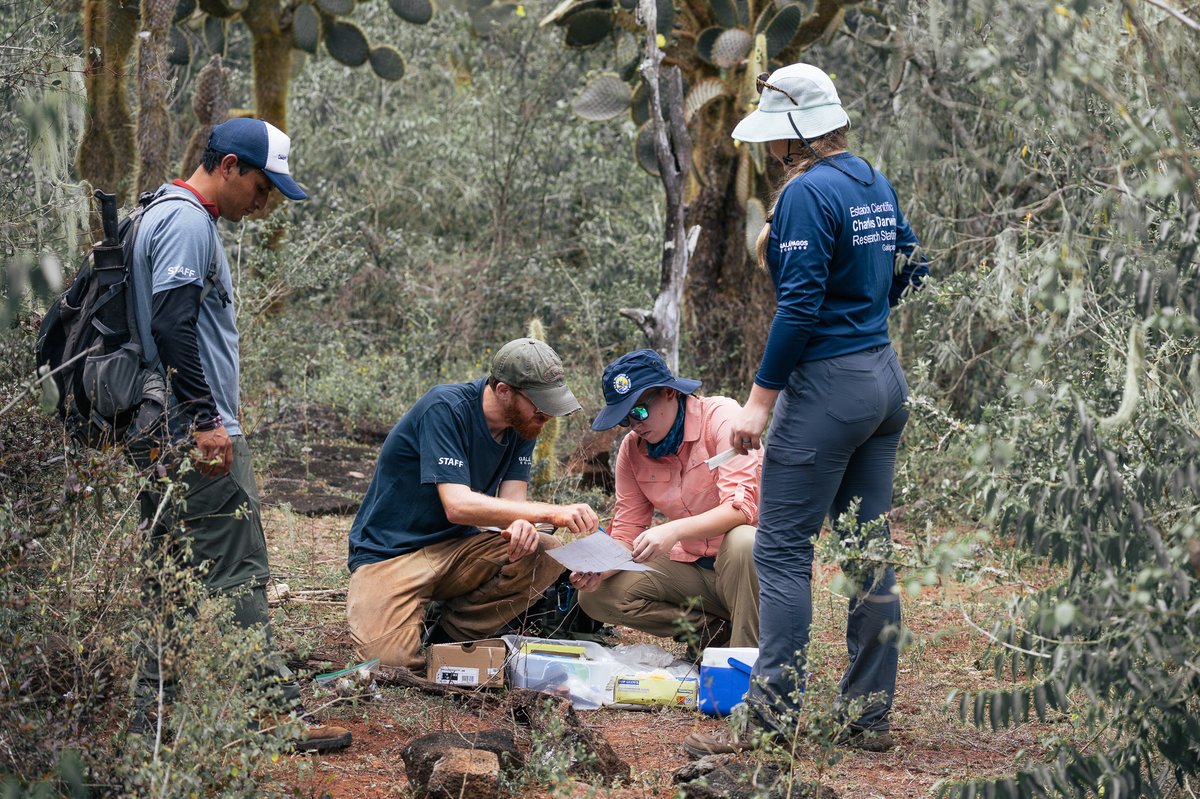
In this context, the Charles Darwin Foundation, in coordination with the Galápagos National Park Directorate, conducts continuous monitoring of priority species and implements experimental management actions based on scientific evidence. The aim of these interventions is to reduce identified threats and improve conditions for successful reproduction.
Mara Speece CDF
Mara Speece CDF
Alma Suarez CDF
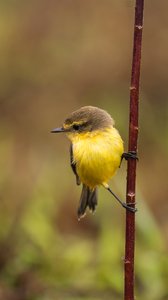
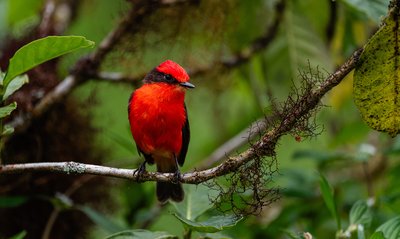
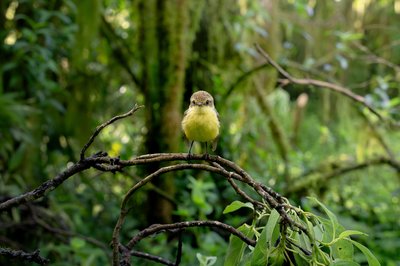
One of the main challenges is nesting failure caused by the parasitic avian vampire fly, Philornis downsi. The fly lays its eggs in bird nests, and its larvae feed on the blood and tissue of nestlings, often resulting in high mortality rates. To address this threat, the Landbird Conservation Project and the Philornis Project have tested and implemented innovative solutions, such as offering birds feathers or other nesting materials treated with a bird-safe insecticide. For example, feathers are popular with the Little Vermilion Flycatcher, which incorporates them into their nests. This helps to control the parasite without the need to access the nests, which are often out of reach.
As Birgit Fessl explains in our episode on The Station, “the birds basically do the work themselves; we don’t need to touch the nests or the birds, we just monitor how they’re doing.” This approach reduces stress on wildlife while maintaining effective parasite control and increasing nesting success.
Science and monitoring to protect key species
Preliminary results from the current season show encouraging trends. A higher number of breeding pairs and improved nesting success have been observed in several monitored species. In particular, the Little Vermilion Flycatcher population on Santa Cruz, which had been in decline prior to the implementation of targeted management actions in 2020, has shown signs of gradual recovery since then.
This positive development is closely linked to complementary habitat restoration efforts. Important forest areas have been restored by removing invasive plant species, such as blackberry, thereby improving access to essential food resources during the rearing of young birds. At the same time, the improved habitat structure has strengthened natural control processes, such as owls preying on rodents, reducing the need for further intervention.
Variability among species and locations remains a key factor. Each population responds differently to management strategies, requiring an adaptive approach and continuous monitoring to adjust interventions according to specific conditions. “You can’t apply a single method everywhere; it always has to be adapted to each species and location,” notes Birgit Fessl.
What’s next: key months to confirm results
Overall, the current bird breeding season shows that conservation efforts in the Galápagos are making significant progress. Although challenges remain, the trends observed so far point to a positive trajectory. Coordinated work among institutions, the use of innovative tools, and evidence-based management are all essential to ensuring the long-term sustainability of bird species in the archipelago.
It is important to note that, while these results are promising, the breeding season is still ongoing. Final data will be analyzed and consolidated once the reproductive period concludes. The coming months will be decisive in confirming these results and defining the next steps in conservation management.

Roberto Maldonado
Communications and Media Officer
Protect Galapagos, Impact the World
The impact you make on this small ecosystem of enormous biodiversity is part of a larger footprint you are leaving for the world's future. Join us on our mission to safeguard one of our planet’s most important natural treasures through science and conservation action by making a donation today. Thank you for making an impact with us.