Conservation through an Equity Lens on International Women’s Day
A few days ago, the news announced the recent inauguration of the oceanographic research vessel of the Royal Netherlands Institute for Sea Research, which was named Anna Weber-van Bosse (1852–1942), in honor of the first Dutch marine biologist to conduct research at sea. This recognition speaks volumes about the role women have played in the development of science, the arts, humanities, culture, business and industry throughout history—often without recognition or visibility. Today, however, women are gaining greater and more meaningful visibility in these and many other fields, a change that has been made possible in part by the achievements of women who fought for better working conditions and the right to vote in the early twentieth century.
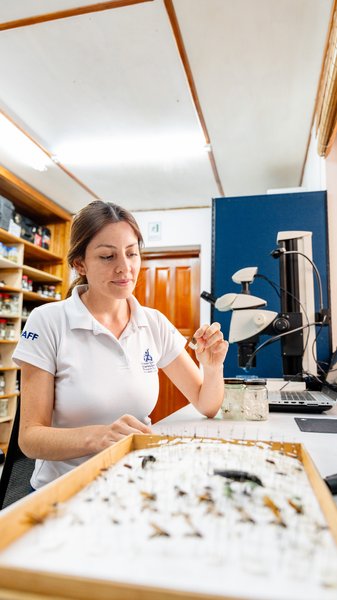
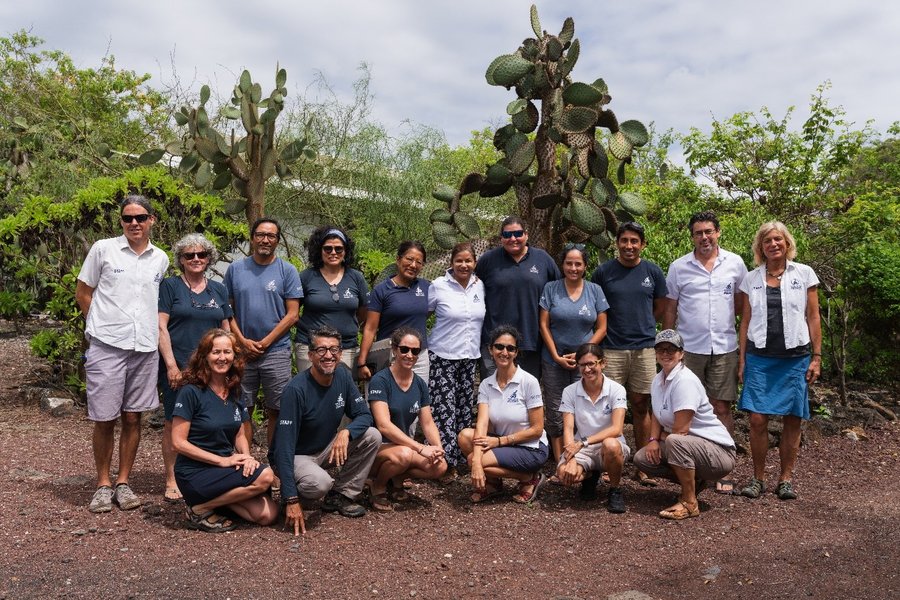
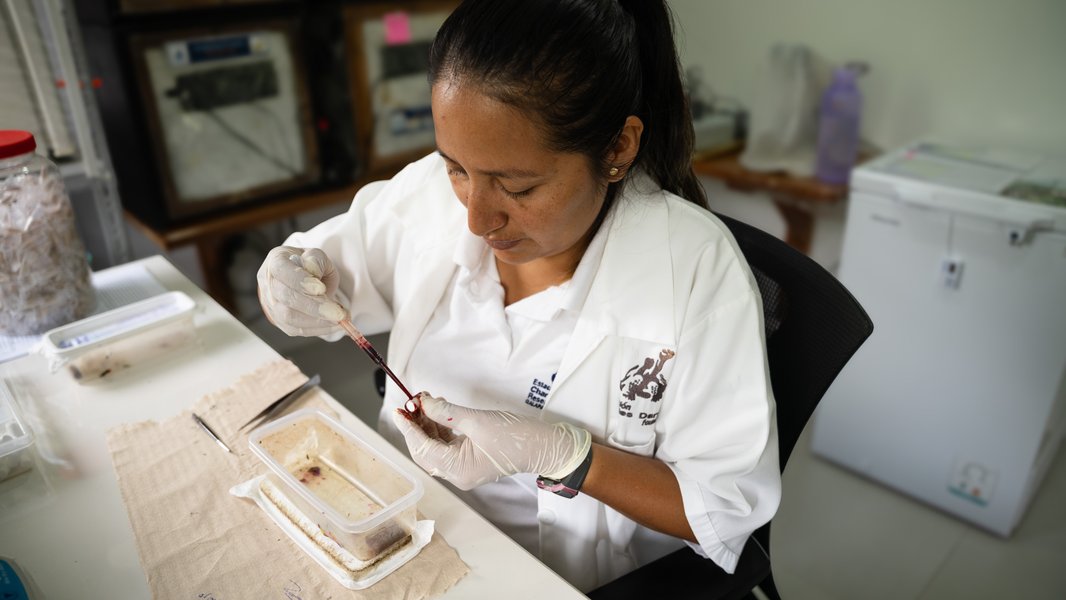
The role of women in key spaces such as science and conservation in Galápagos has been fundamental. For more than six decades, the Charles Darwin Foundation has promoted scientific research and conservation actions that today serve as a global benchmark, where the presence and contributions of several generations of women have been central. As we commemorate International Women’s Day, we recognize the work of women—both in scientific roles and in operational and administrative areas—who contribute every day to conserving and protecting this natural treasure.
As a diverse and inclusive institution, the Charles Darwin Foundation promotes a vision of science and action for Galápagos that asks not only what kind of science is conducted or what actions are implemented, but also who generates this knowledge and how it is shared among communities, generations, and sectors of society. This perspective also reflects the evolution of conservation science. For decades, conservation efforts focused primarily on protecting specific species or resources. Today, however, we understand that conservation requires a deeper understanding of the complex relationships between people and nature.
Through the socio-ecological systems approach, it is recognized that social, environmental, and economic dynamics are deeply interconnected. In places like Galápagos—where human communities inhabit unique ecosystems—this perspective is particularly relevant. Understanding how men and women interact with their environment makes it possible to design conservation strategies that are more equitable, effective, and sustainable.
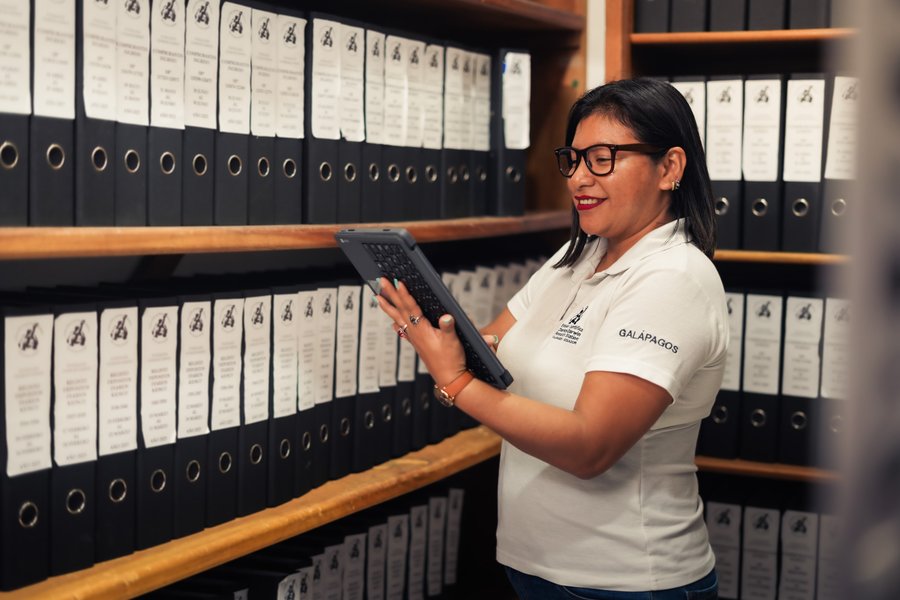
To better understand this premise, it is important to recognize how gender equality and equity intersect with other social categories—such as class and ethnicity—that influence access to, use of, and management of natural systems. Likewise, understanding complementary gender roles provides a deeper understanding of how men and women inhabit and interact with ecosystems. Existing evidence suggests that key conservation outcomes are best achieved through practices and policies that promote gender equity, supported by inclusive leadership among all individuals involved in sustainable resource management and community decision-making.
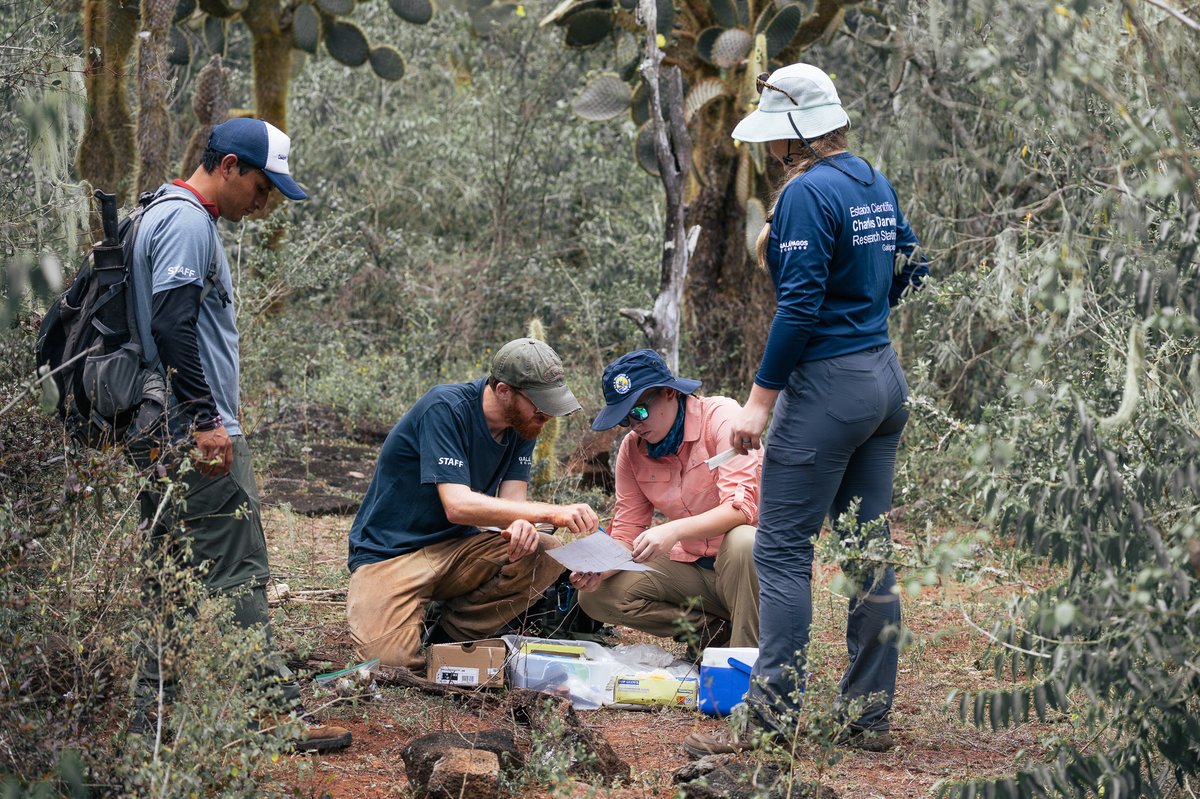
Mara Speece / CDF
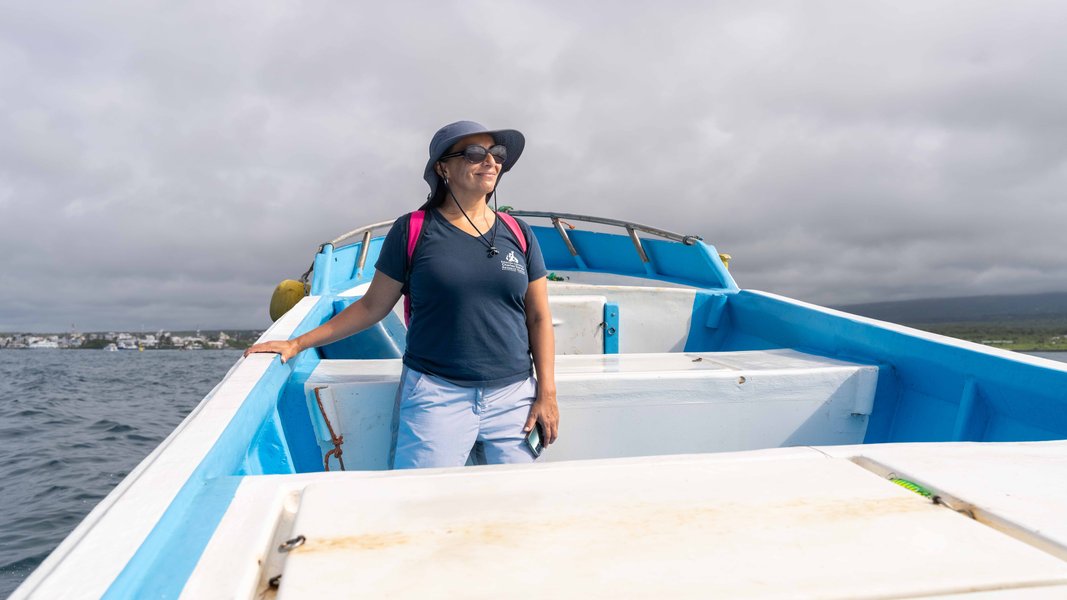
Addressing gender equality and equity is not only a matter of social justice—it is also a strategic necessity for governance and the comprehensive management of natural and social systems. This perspective strengthens society’s ability to adapt to local and global shocks such as climate change, pandemics, and other crises. Evidence shows that conservation outcomes and sustainable ecosystem and sectors management—such as in small-scale fisheries—are strengthened when women and men participate actively and equitably as leaders and managers for their communities and resources governance. Within this same framework, and as an example, we argue that despite small-scale fisheries have traditionally been considered a male-dominated sector, both women and men play extremely important roles throughout the entire fish value chain. However, women’s contributions in this sector have often remained invisible and poorly understood.
The recent publication of the article “Navigating women´s stories in the Galapagos small-scale fisheries” (Páez et al., 2026) represents a first step toward understanding how women balance their various responsibilities—both in the productive dimension of the fishery sector and in their family and caregiving roles. This study, conducted by five female researchers, documents how the boundaries between traditionally “female” and “male” roles are fluid and dynamic as women navigate expectations in both the domestic sphere—historically associated with women—and the productive roles typically assigned to men in fisheries.
In Galápagos, where the relationship between society and nature is particularly close, advancing toward more inclusive societies also means advancing toward more effective conservation. When women and men participate equitably in decision-making and resource management, communities become more resilient and conservation outcomes more robust and lasting. Recognizing, making visible, and strengthening women’s leadership in all the spaces where they contribute should not be seen only as an ethical aspiration—it is an investment in the future of societies, in the health of ecosystems, and in the well-being of the people who depend on them.
On this International Women’s Day, we honor all the women who, from different fields and roles at CDF, contribute to understanding, protecting, and sustaining the extraordinary natural and human richness of Galápagos. Their work not only expands scientific knowledge but also inspires new generations—women and men alike—to commit to caring for our planet.
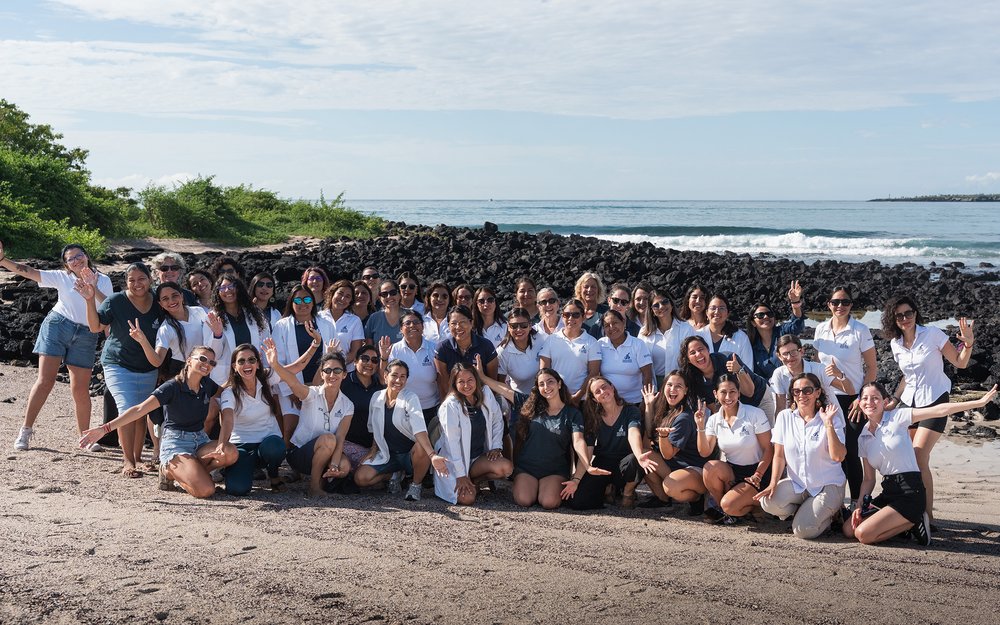
Camilo Cruz/CDF
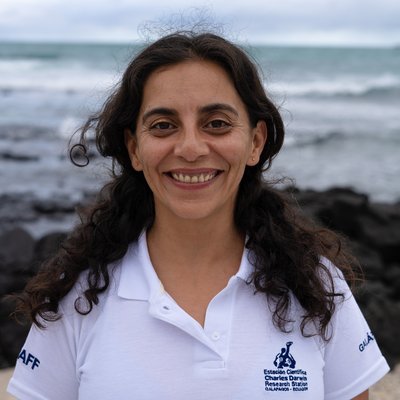
Carolina Páez
Senior Researcher in Social Sciences and Fisheries
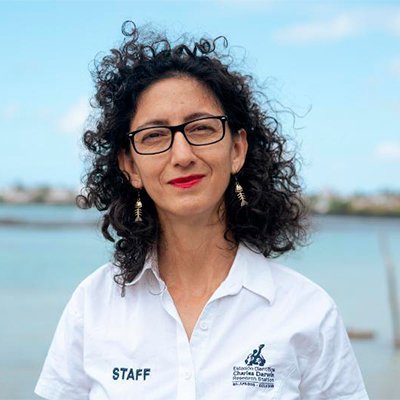
María José Barragán Paladines
Science Director