Memories of a Shared Effort that Changed the Vision of Science and Conservation
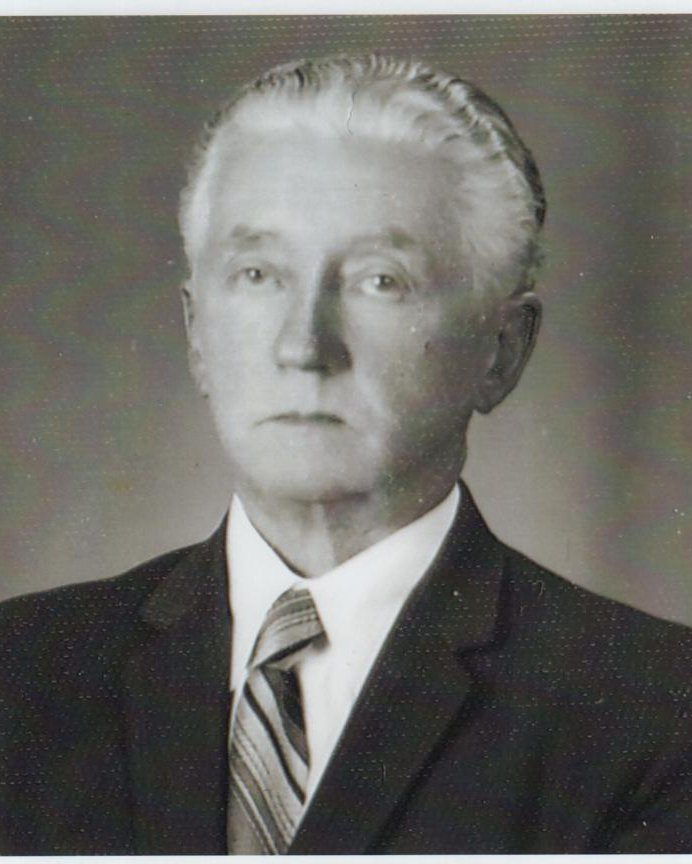
The history of science and conservation in Ecuador has a decisive chapter that began to take shape in the Galápagos Islands in the mid-twentieth century. In this remote corner of the world, an initiative emerged that would transform the relationship between science and nature: the Charles Darwin Foundation (CDF). In this process, the name of Cristóbal Bonifaz stands out as one of the Ecuadorians — representative of the Ecuadorian State before the diplomatic delegation in Paris — who, together with national and international scientists and other global organizations, helped turn an aspiration into reality.
Rashid Cruz/CDF
The awakening of a global awareness
In the 1950s, the Galápagos were already facing concrete threats: the arrival of settlers who introduced crops and seeds, some of which later became invasive species, and growing pressures that put the archipelago’s unique biodiversity at risk. From Europe and the United States, the international scientific community began to strongly advocate for the protection of these extraordinary islands.
In 1957, UNESCO approved the proposal to establish a scientific station in Galápagos that would bring together researchers of different nationalities to study and explore its flora and fauna in order to protect them. However, international support alone was not enough. The initiative required the commitment of the Ecuadorian State, which understood its importance and made possible the creation of the CDF. It was at this moment that Cristóbal Bonifaz assumed a key role.
A bridge between Ecuador and the world
Ambassador Bonifaz, connected to the historic Hacienda Guachalá in Cayambe, came from a tradition of local leadership with strong political connections at the national level. His vision, however, went beyond that. He understood that Ecuador needed to open itself to science and to take responsibility for conserving its natural heritage.
The Foundation was established in Brussels in 1959, and Cristóbal Bonifaz joined as one of its founding members, providing national legitimacy to a project with a global vocation. Bonifaz was at the forefront of conservation debates in South America and maintained constant communication with leading naturalist organizations around the world. His participation helped build a bridge between the international vision and the local priorities that shaped this initiative.
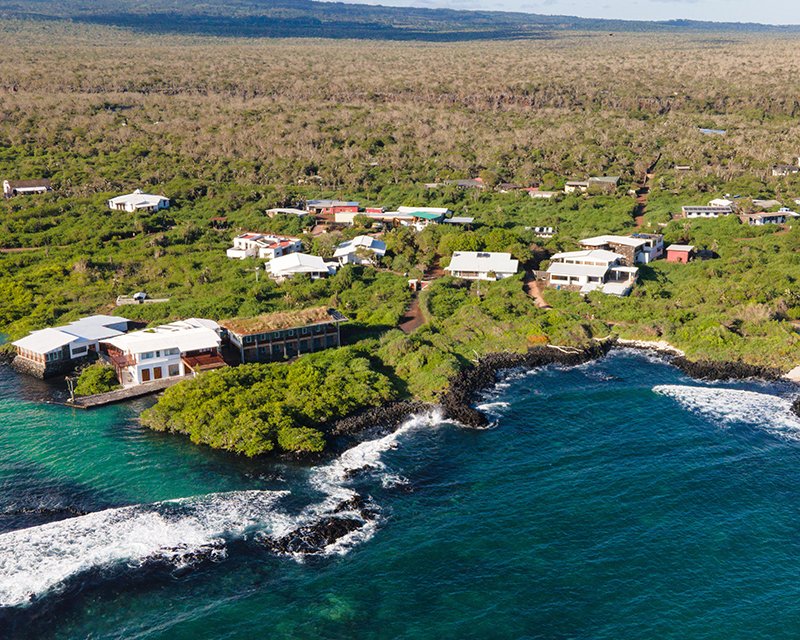
That same year, the Ecuadorian State declared Galápagos its first National Park, a decisive step for its conservation. Between 1960 and 1963, efforts were carried out to establish the research station on Santa Cruz Island. Bonifaz took part in this process, which culminated in 1964 when the Charles Darwin Research Station opened its doors and marked the beginning of a new chapter for the islands.
The Cristóbal Bonifaz Fund: recovered memory
Cristóbal Bonifaz was a member of the CDF Executive Council, its Vice President, and its representative in Quito until his death in 1979. From that position, he played a decisive role in the institutional consolidation of the Foundation in Ecuador.
The Bonifaz Fund brings together years of correspondence, reports, and documents that reflect his work of representation, his strategic vision, and his involvement in the challenges that marked the Foundation’s early years. These archives make it possible to understand the process of establishing and strengthening both the CDF and the Galápagos National Park, as well as the discussions related to human presence in the archipelago.
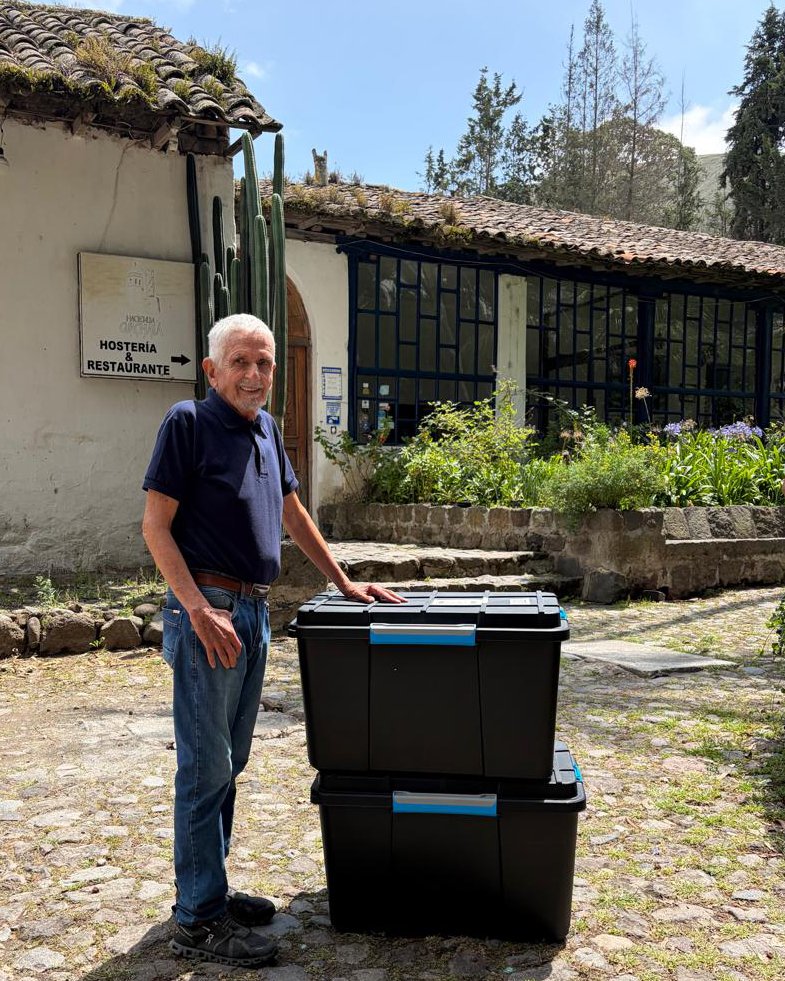
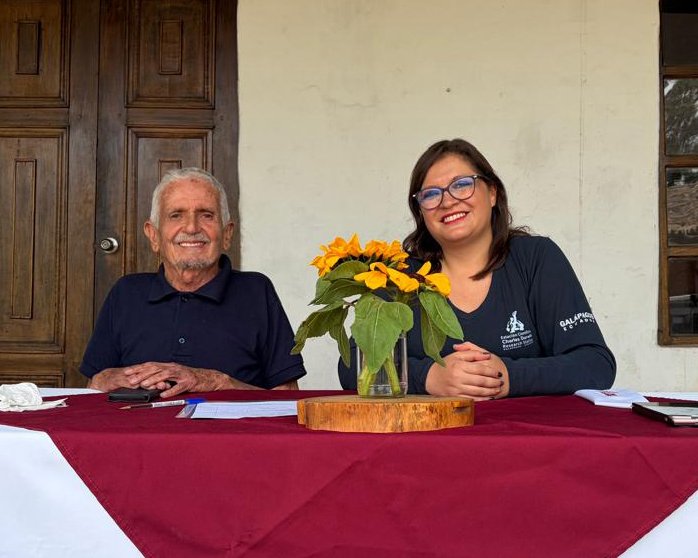
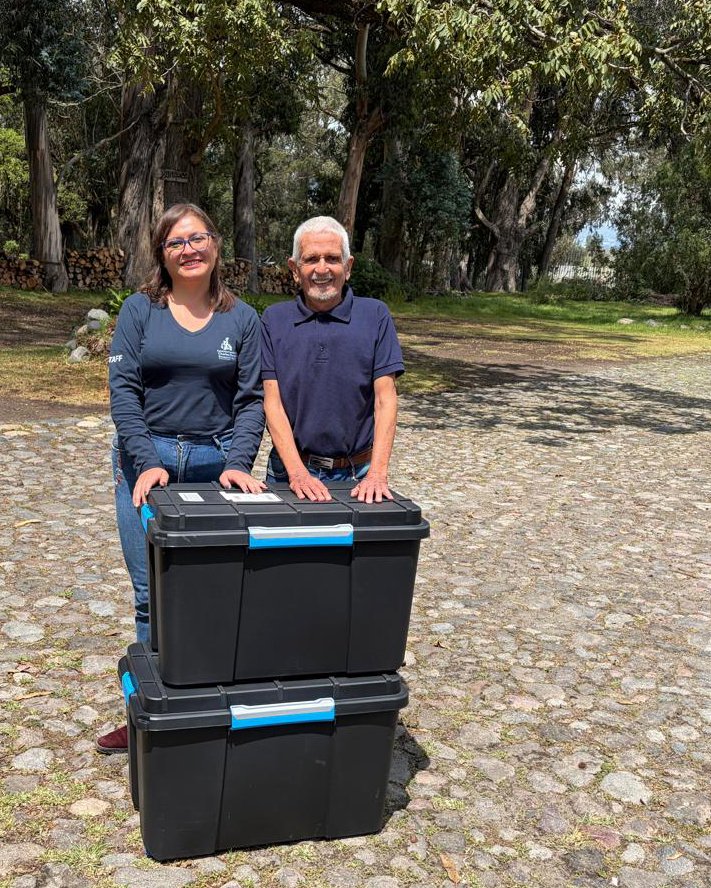
Decades later, Bonifaz’s figure regained prominence. In January 2026, the Charles Darwin Foundation received the donation of the Fund, which had been carefully preserved and safeguarded by his son, Diego Bonifaz, at Hacienda Guachalá. The Foundation sent a team to carry out the delicate process of transferring the documents to the islands. The collection includes nearly 2,700 pages of historical, personal, and professional documents, as well as photographs and related materials.
Andrea Miniguano/CDF
Andrea Miniguano/CDF
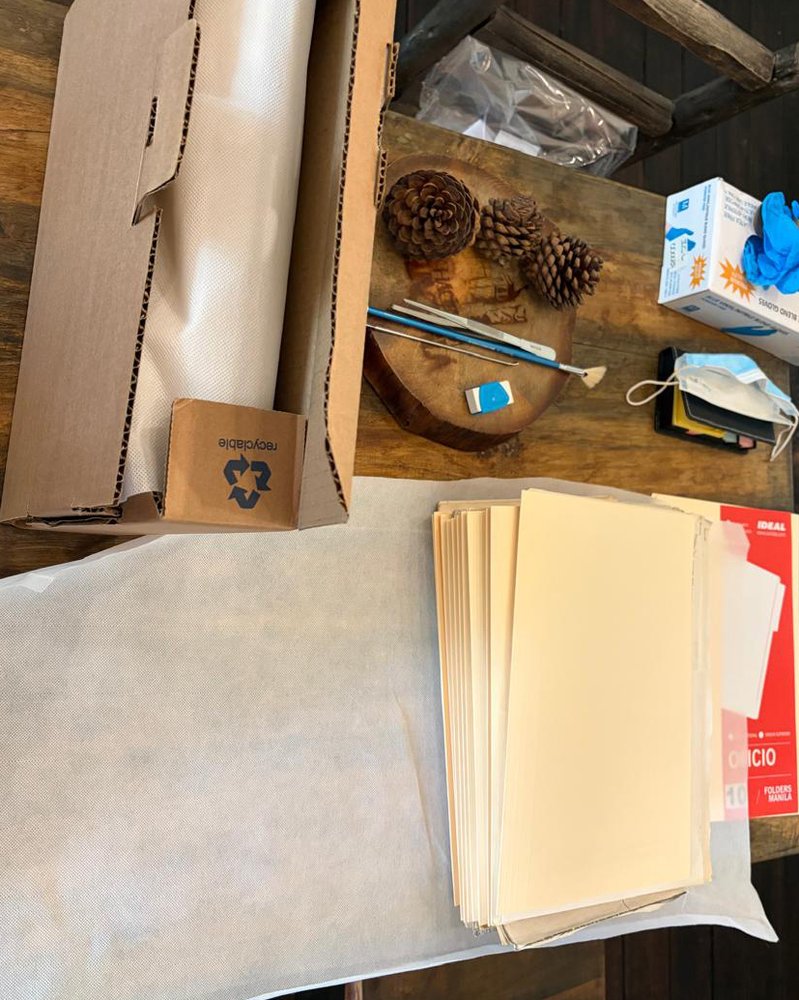
Andrea Miniguano, head of the CDF’s Library, Archive, and Museum, received the documents and led the technical process, which included cleaning, preventive conservation, and specialized packaging for their transfer to Galápagos. There, they are safeguarded in the Historical Archive and will be made available to the public once the digitization process is completed. The arrival of this fund is not only an act of documentary preservation; it is the recovery of a memory directly connected to the CDF´s origins.
The received documents include administrative records, intellectual production, correspondence, meeting minutes, scientific articles, presidential decrees related to reserves, and letters and writings by Bonifaz. They show that science and conservation do not arise from a single isolated gesture, but from collective work built over time.
Shared effort
The story of Cristóbal Bonifaz and the Charles Darwin Foundation is, in essence, the story of a shared effort over time. In the face of current environmental challenges, remembering this legacy is not an exercise in nostalgia, but a guide. It reminds us that conservation is a common task and that science thrives when it is sustained by community.
Archivo-CDF/Fondo Cristóbal Bonifaz
Andrea Miniguano/CDF
Andrea Miniguano/CDF
The Charles Darwin Foundation continues to research, educate, and protect. At its origin lies the decision of one Ecuadorian, Cristóbal Bonifaz, and of many scientists who understood that Galápagos deserved a future.