Results
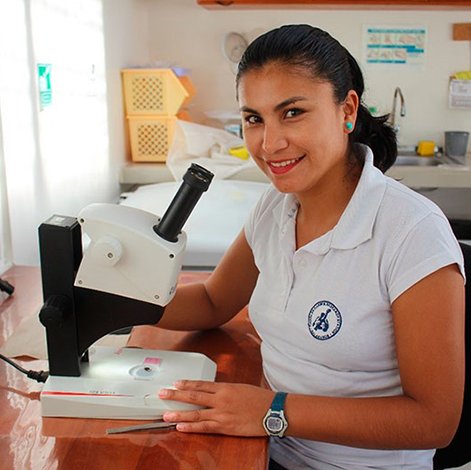
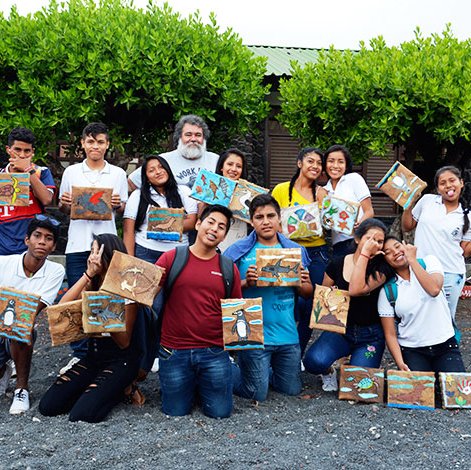
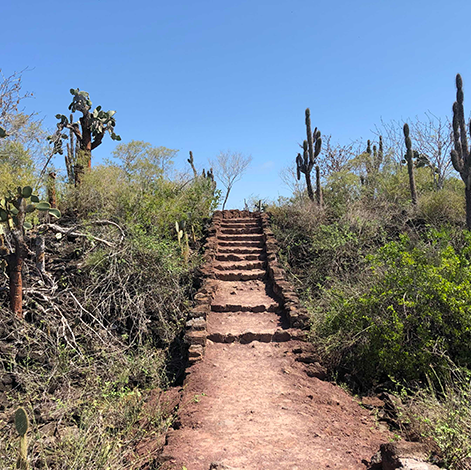
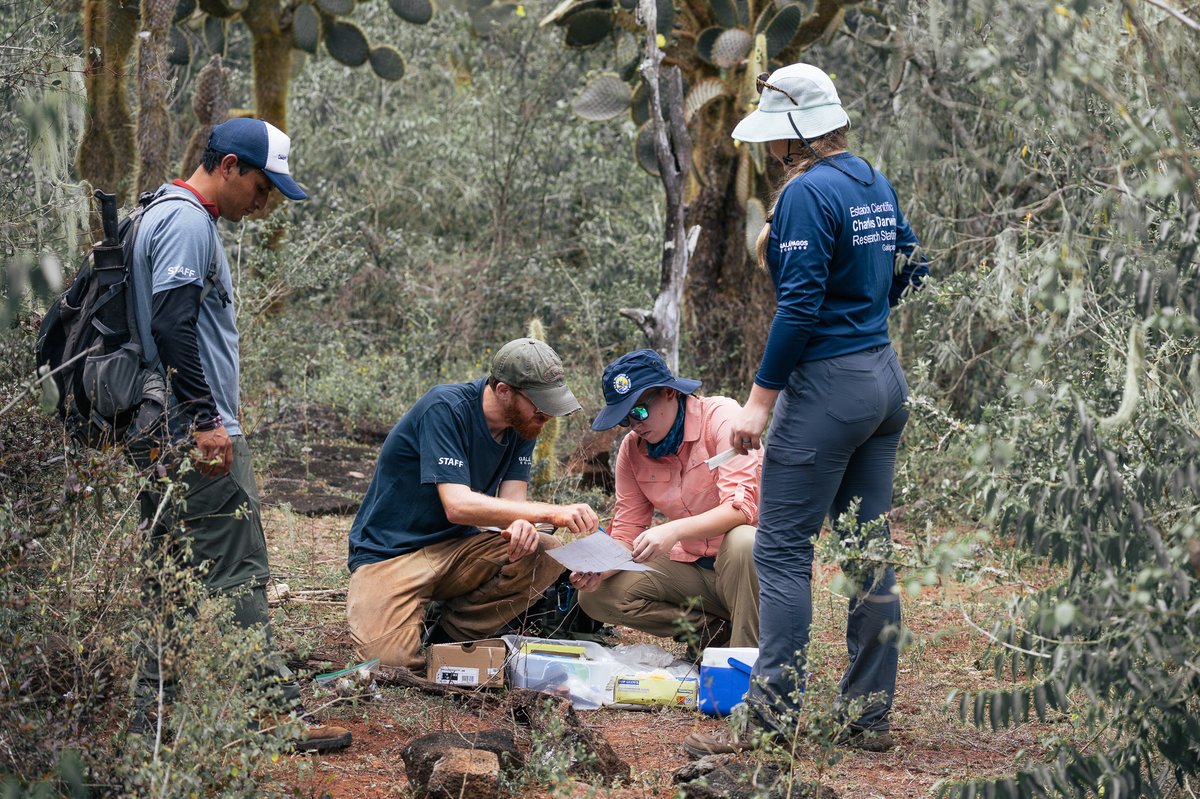
The Galápagos Islands face a growing threat from invasive species that endanger native biodiversity. Classical biological control, using natural enemies to regulate these species, offers a sustainable and safe way to restore ecological balance and protect this unique ecosystem.
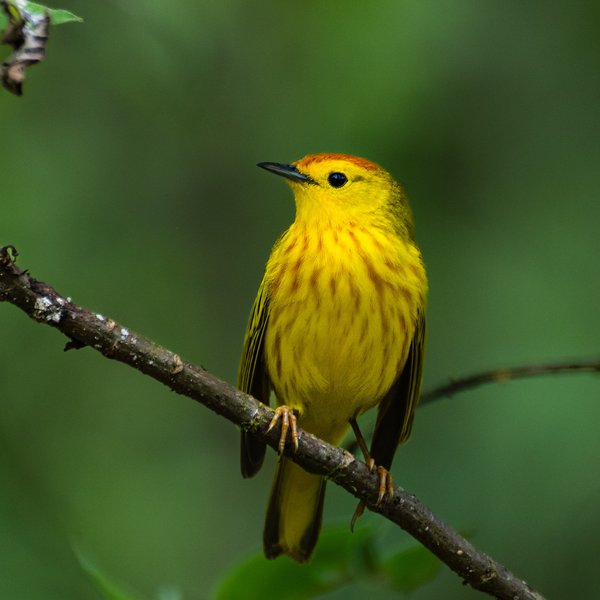
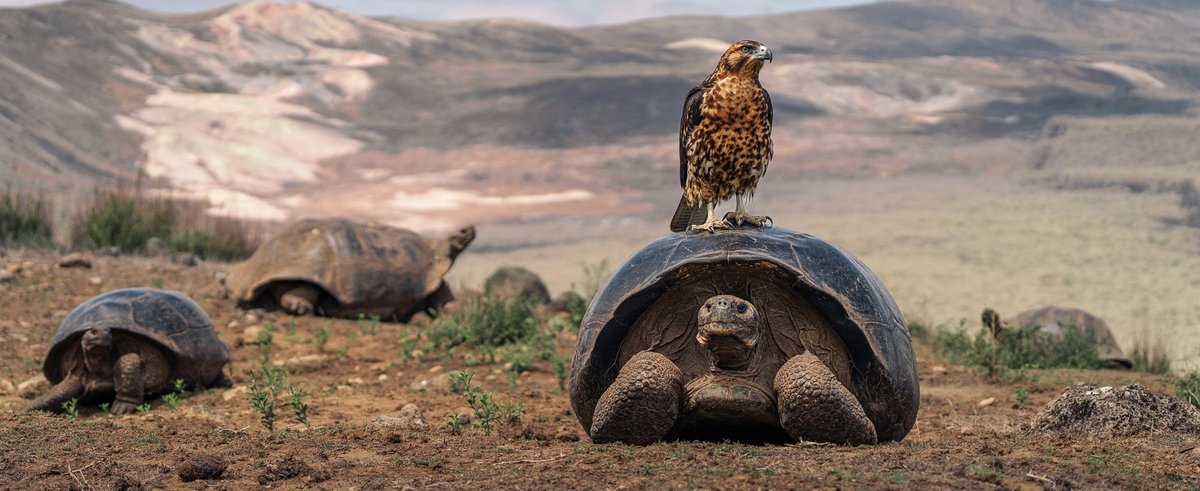
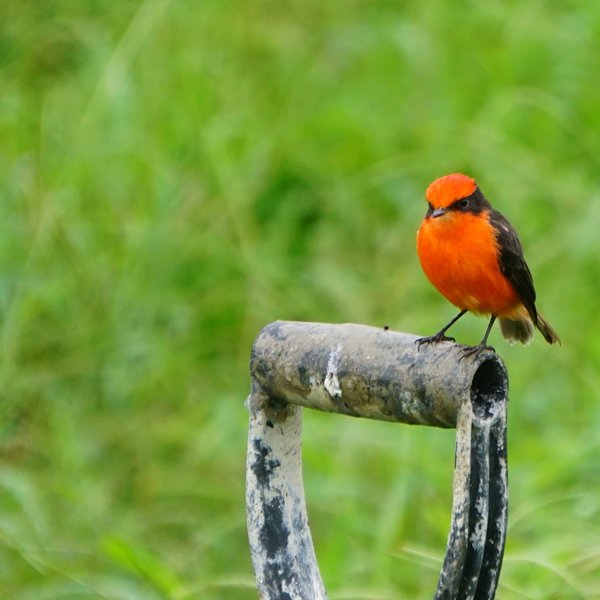
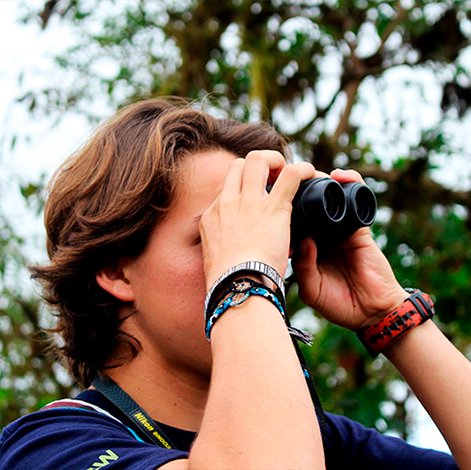
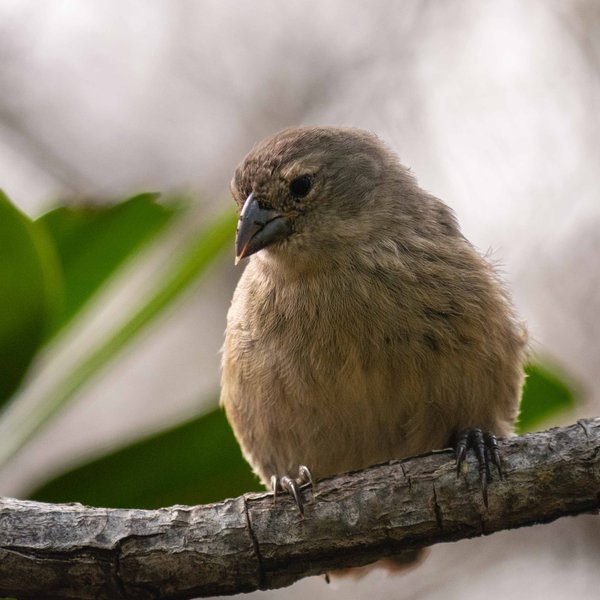
Beneath Galápagos’ iconic birds lies a hidden story of health and survival. A new study reveals the presence of viruses in landbird populations, offering the first baseline of disease risk in these unique species. Discover why monitoring “invisible diseases” is essential to protecting the future of Galápagos biodiversity.
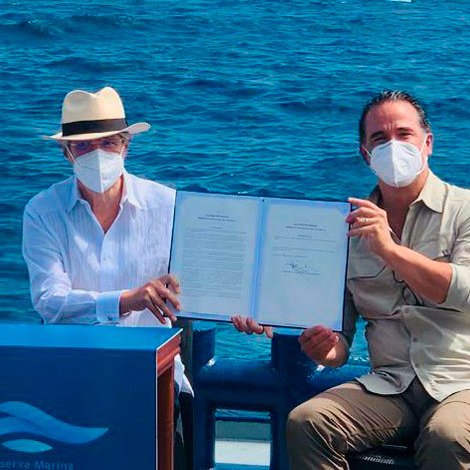

Meet the charming Galapagos penguin—the only wild penguin north of the equator and one of the most endangered. Discover how science, conservation, and your support through symbolic adoption can help protect this unique species. Click to learn how you can make a real difference for penguins and the planet.
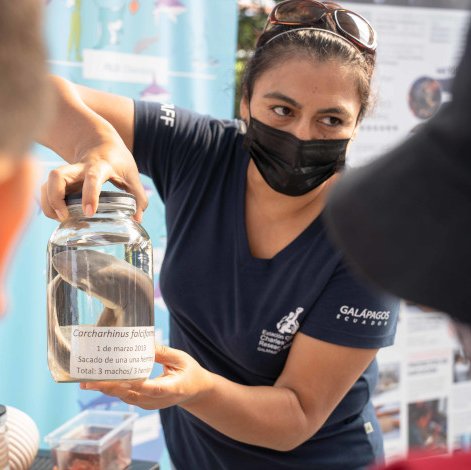
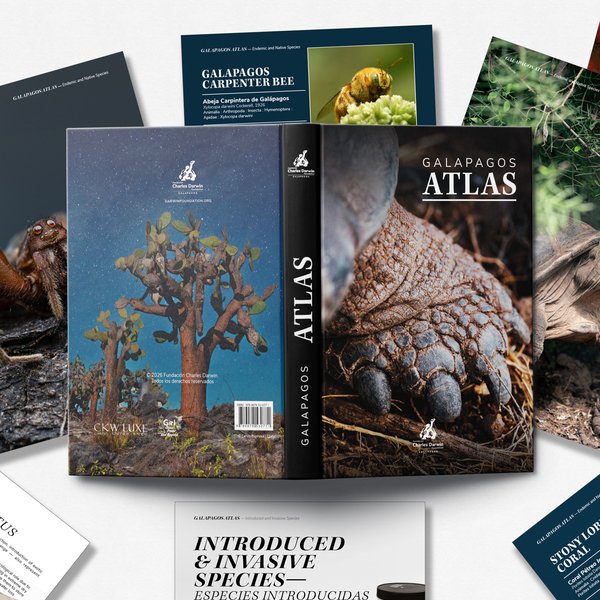
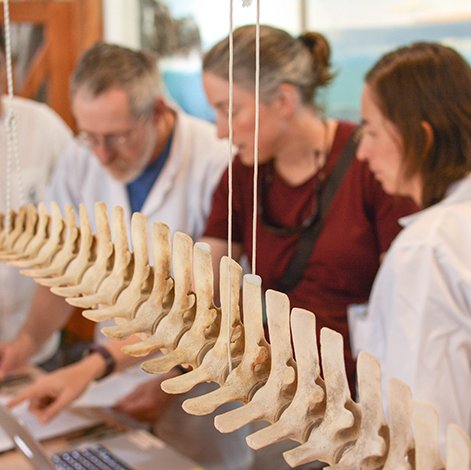
Explore a wealth of resources from the Charles Darwin Foundation available for download. From annual reports to research journals, species identification guides to educational texts like the Galapagos Atlas, our publications provide valuable insights into conservation efforts and biodiversity in the Galapagos Islands. Dive into our comprehensive collection today!
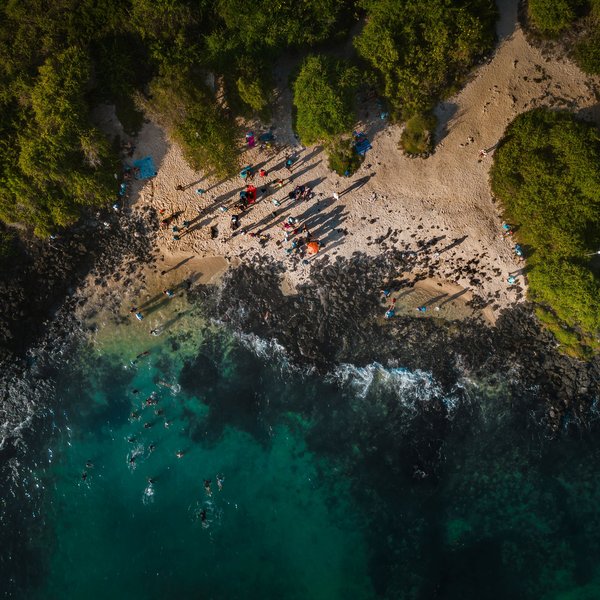
Learn how to explore the Galapagos Islands responsibly. Our FAQs cover their volcanic origins, unique wildlife, and how every visit can help protect this extraordinary ecosystem.
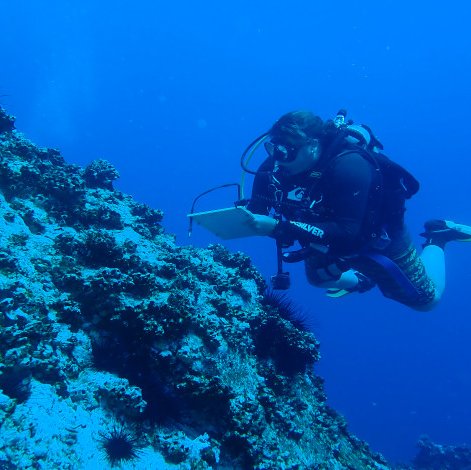
The CDF joins the Island-Ocean Connection Challenge to Implement Community-Based Monitoring and Safeguard Island Ecosystems
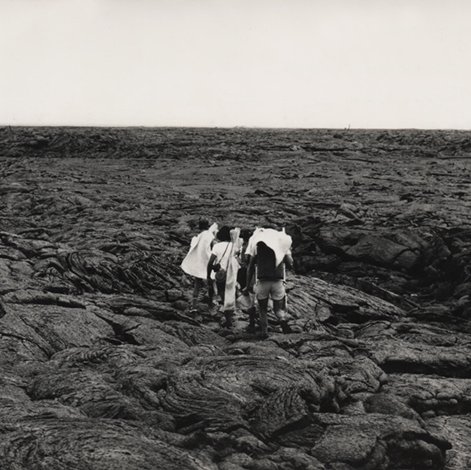

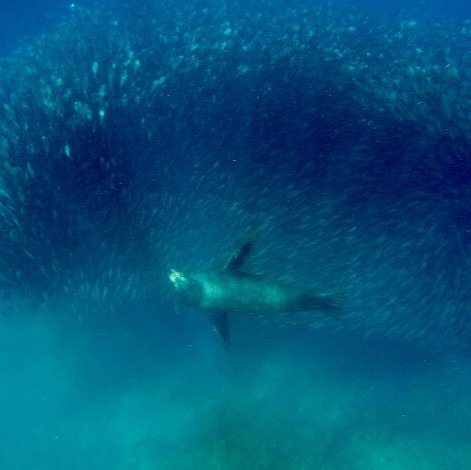
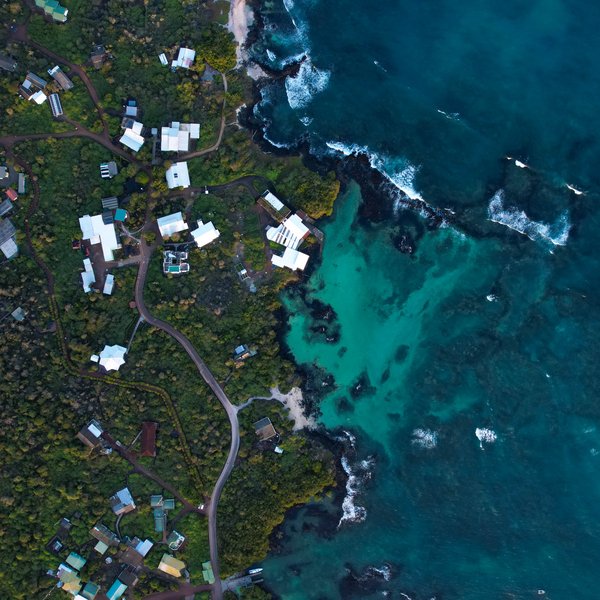
Discover the mission, vision, and impact of the Charles Darwin Foundation. Dedicated to preserving the Galapagos Islands through groundbreaking scientific research and conservation initiatives since 1964.