Results
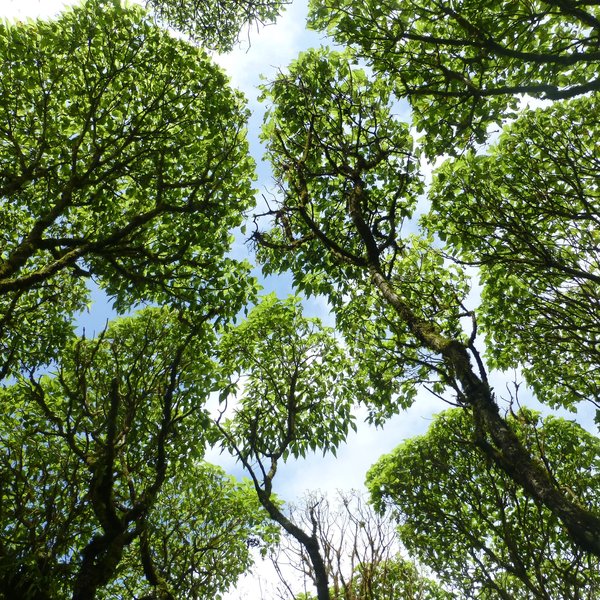
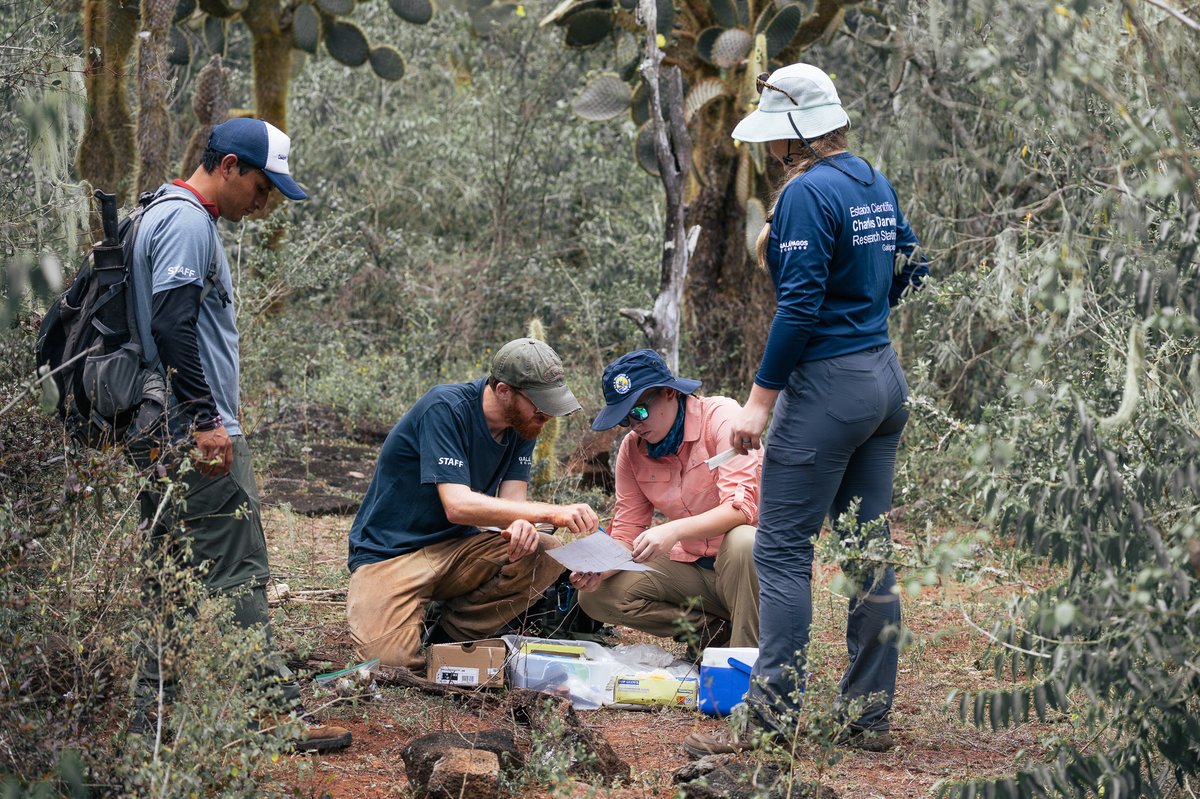
Scalesia forests once thrived on the Galapagos Islands, forming a unique humid ecosystem for plants, insects, giant tortoises and birds. Today, only 1% of the forests’ original distribution remains, with several endemic species, including the Scalesia themselves, struggling to survive. We are working to restore this important habitat and given the rapid rate of forest loss, it is a race against time.
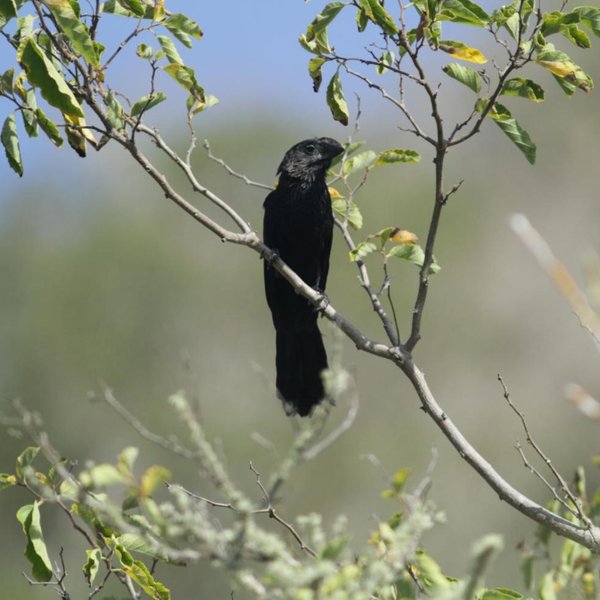
The smooth-billed ani is considered to be the most damaging introduced bird species in Galapagos. Hannah Rickets, at Galapagos Conservation Trust, spoke to PhD student Cristian Poveda about his research into this challenging species.
The smooth-billed ani is considered to be the most damaging introduced bird species in Galapagos. Hannah Rickets, at Galapagos Conservation Trust, spoke to PhD student Cristian Poveda about his research into this challenging species.
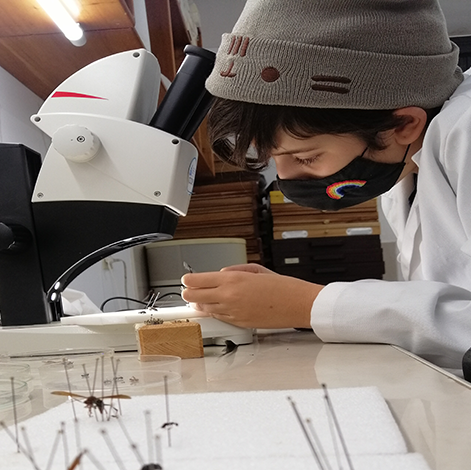
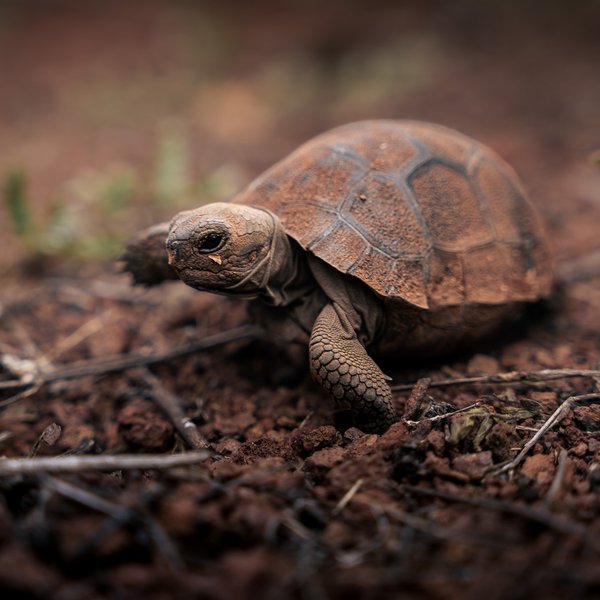
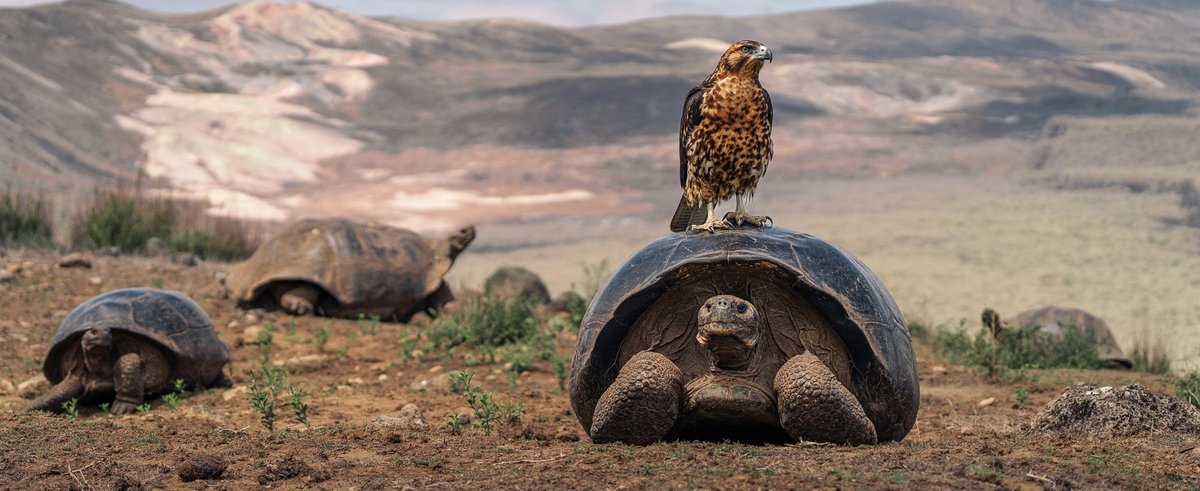
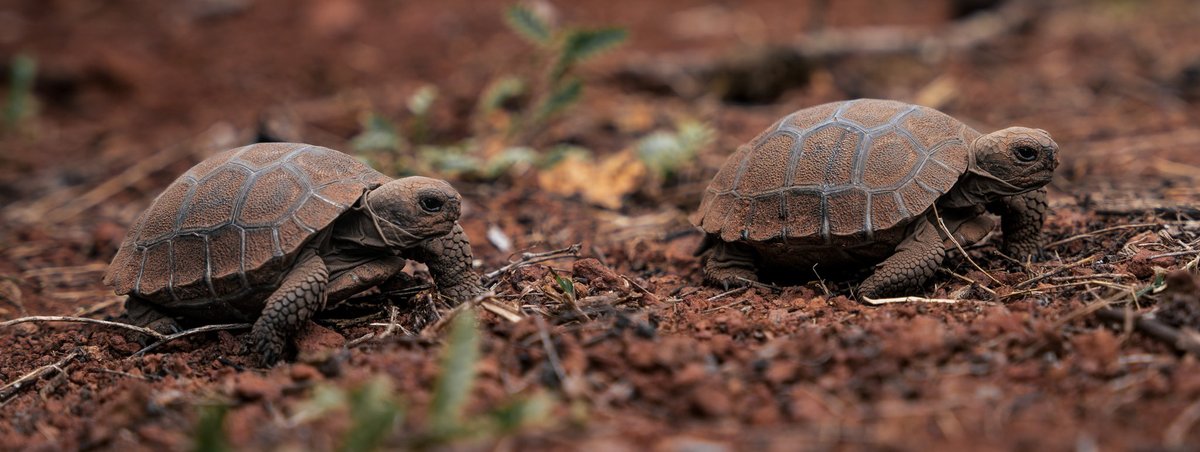
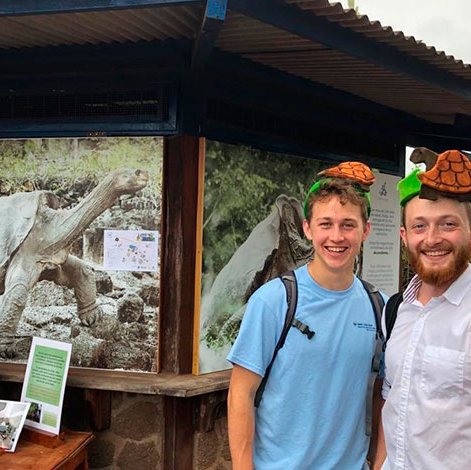
What can giant tortoises teach us about health, science, and hope?
Follow researcher Gislayne Mendoza from her roots in San Cristóbal to the rugged landscapes of Galapagos. Her story unveils surprising virus discoveries, the power of local science, and why protecting these ancient creatures means protecting the delicate balance between wildlife, people, and planet.
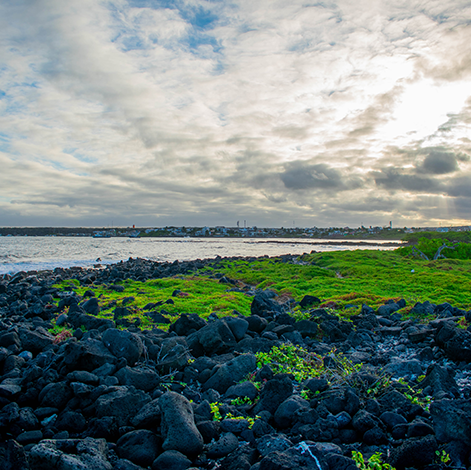
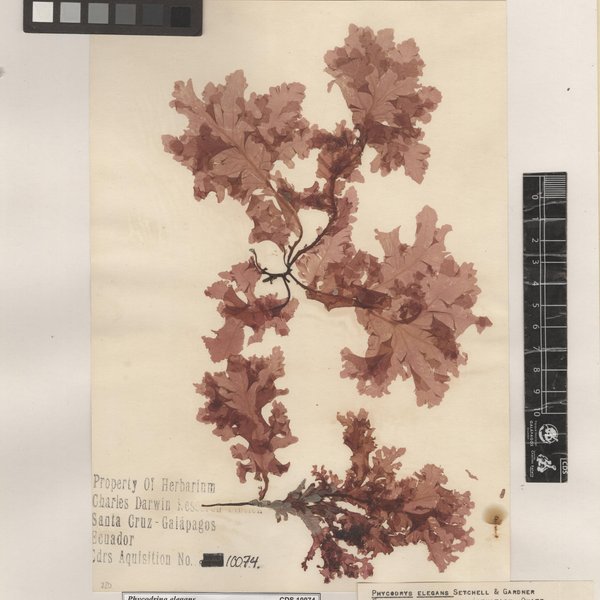
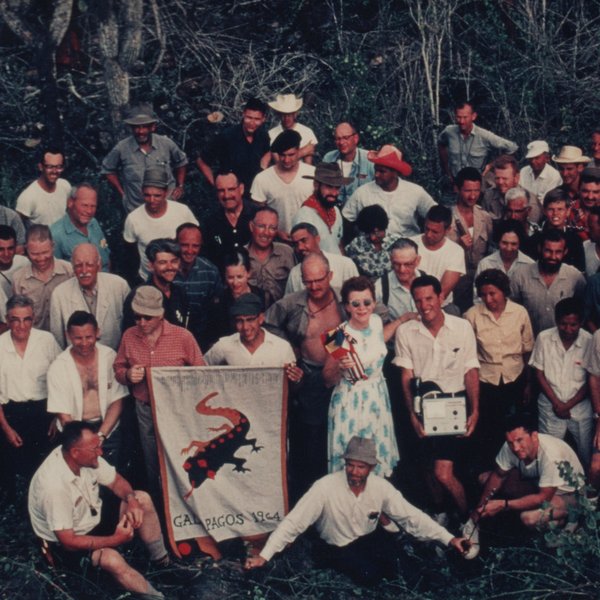
Discover the Charles Darwin Foundation, established in 1959 to protect the Galapagos Islands' fragile ecosystem. As the oldest and largest science and conservation organization in the archipelago, our Research Station leads efforts to preserve this unique environment through groundbreaking research and conservation milestones.