Results
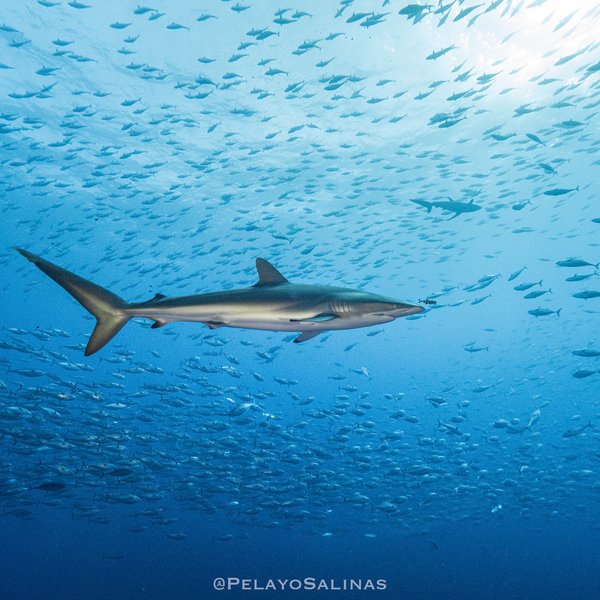
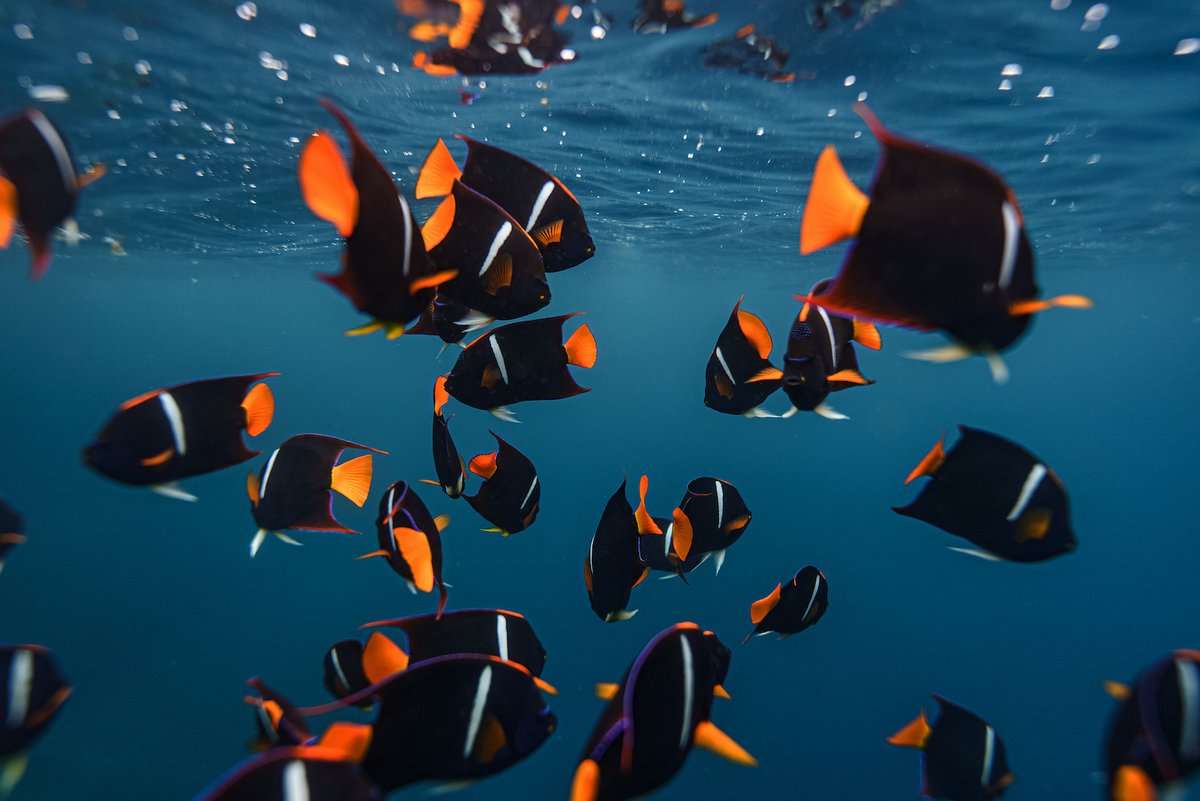
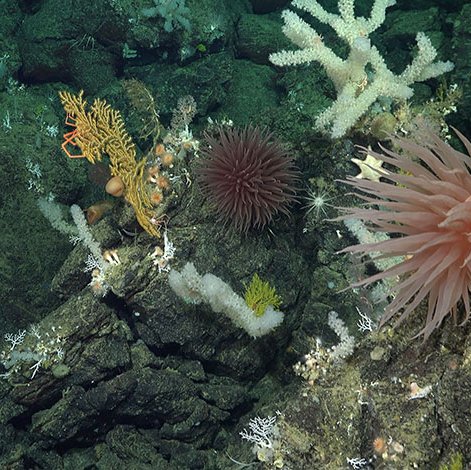
Dive into a powerful reflection on ocean decline—and the surprising places where hope still thrives. This story journeys from centuries-old seas teeming with life to today’s threatened oceans, revealing why Galápagos remains a living window into the past. Discover why witnessing these wonders fuels the fight to protect our blue planet.
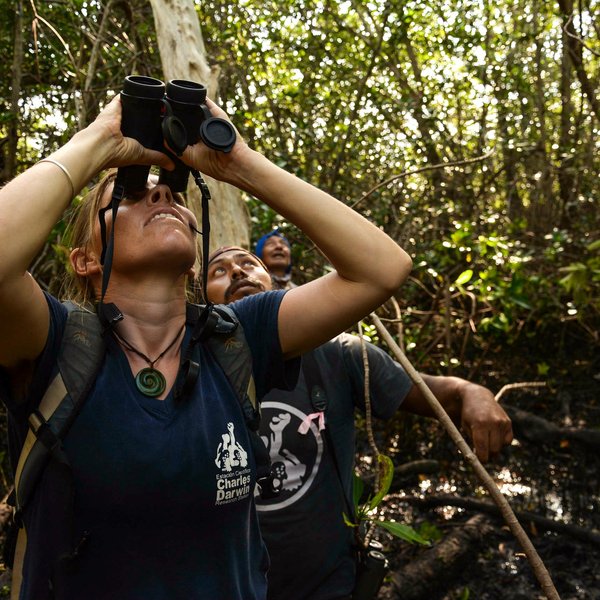
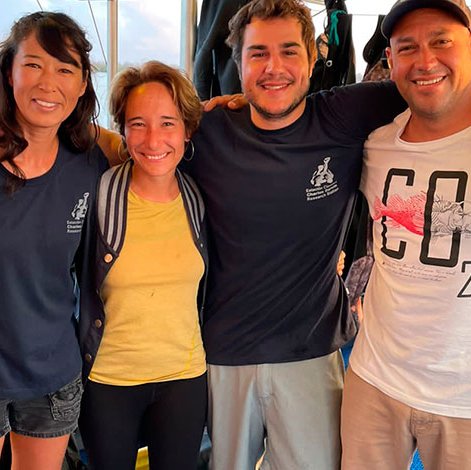
Since its inception in 1971, our Scholarship Program has enabled over 250 students from Galapagos to complete their education and pursue careers in conservation.
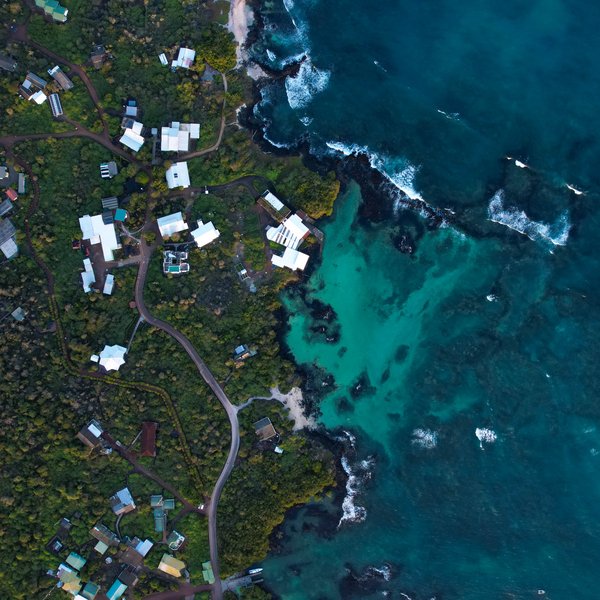
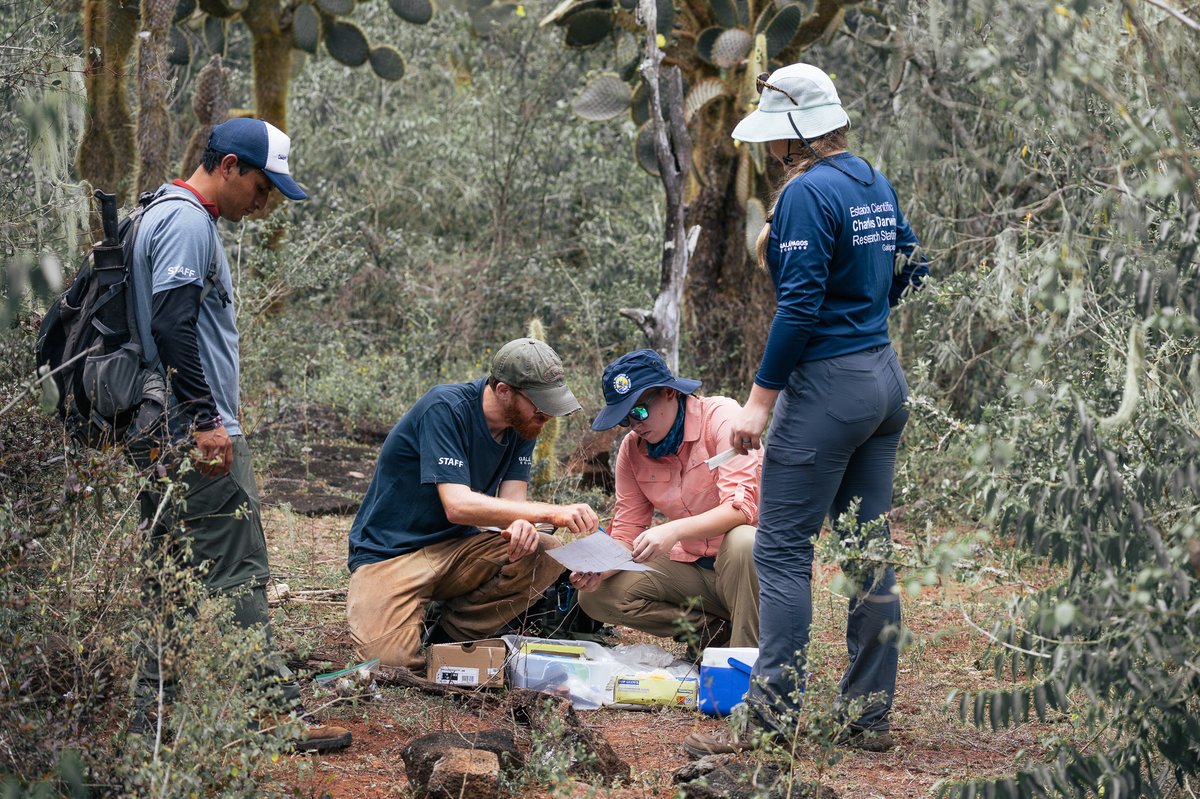
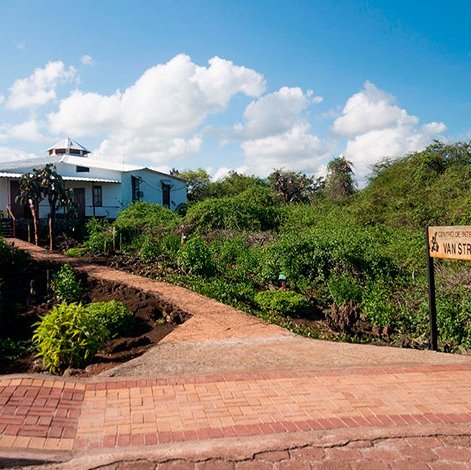
Inaugurated in 1964 as a base for scientists conducting their research on Galapagos, the Charles Darwin Research Station on Santa Cruz Island welcomes all visitors to discover how our scientific research and conservation actions ensure we safeguard one of the world’s most important natural treasures for future generations.
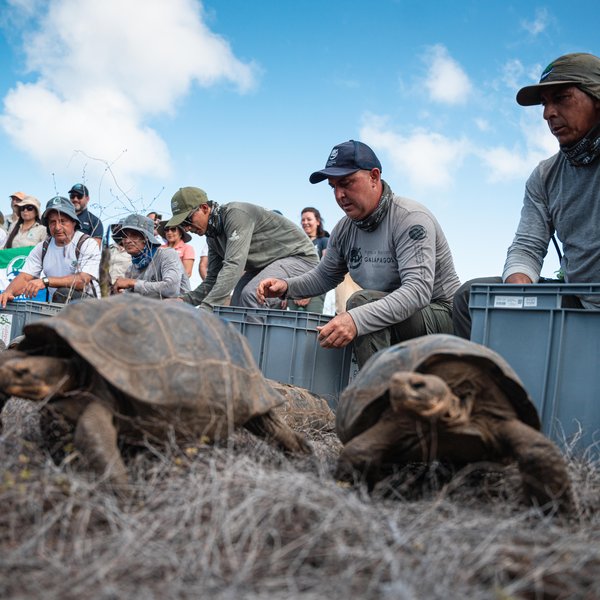
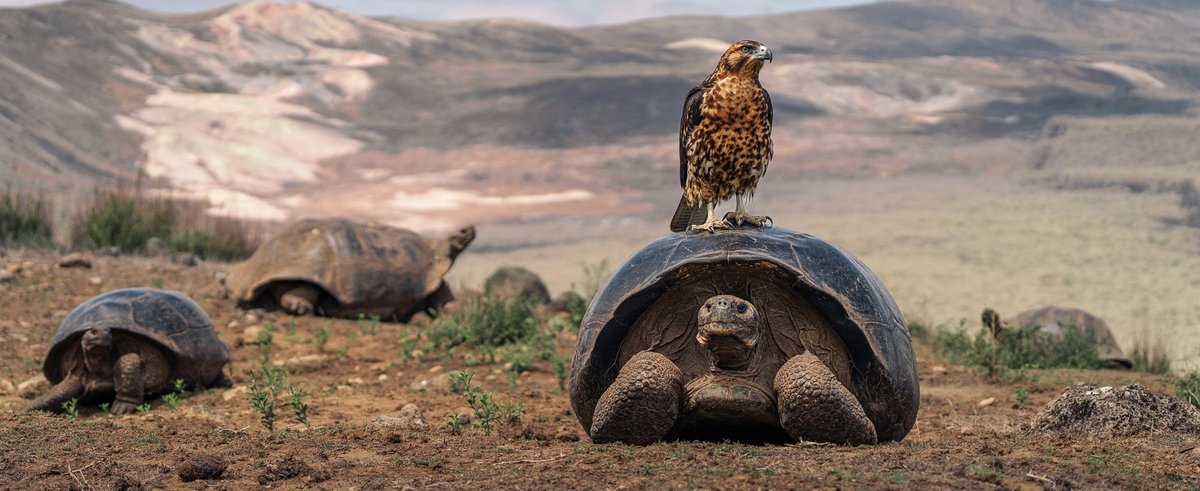
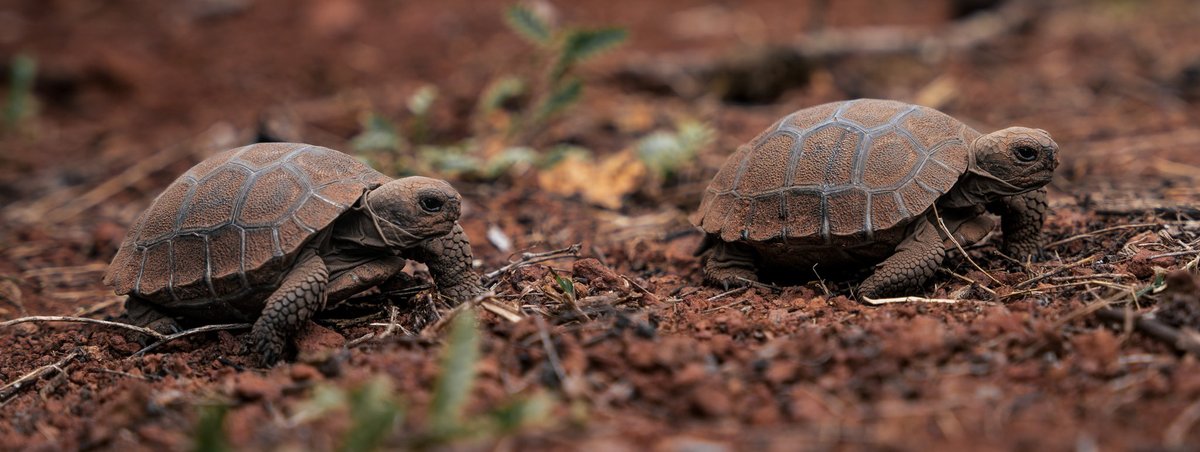
After more than 180 years, 158 endangered giant tortoises have returned to Floreana Island, marking a historic milestone in the Galápagos’ largest restoration effort. Discover how science, community leadership, and global collaboration are bringing back a lost lineage—and rebuilding an entire ecosystem from the ground up.
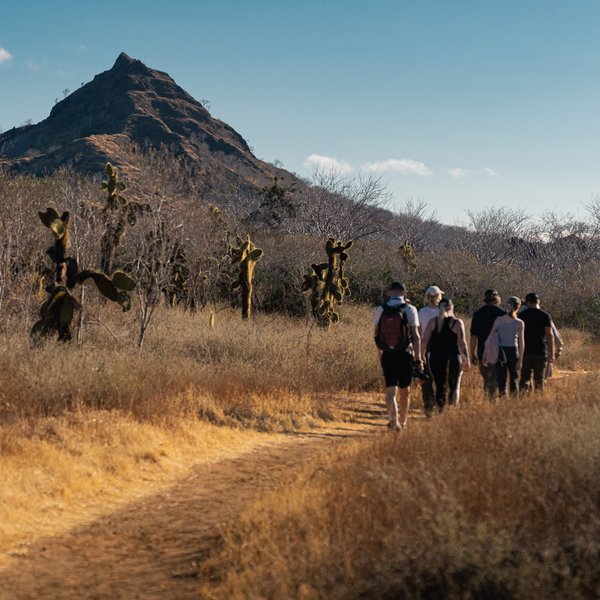
While the Galapagos Islands remain one of the best-conserved destinations in the world, they are faced with numerous challenges that are derived from growth in tourism and local population. The Charles Darwin Foundation is investigating how sustainable practices across multiple sectors such as urban planning and energy can mitigate these impacts while enhancing local community well-being through the health of the islands' socio-ecosystems.
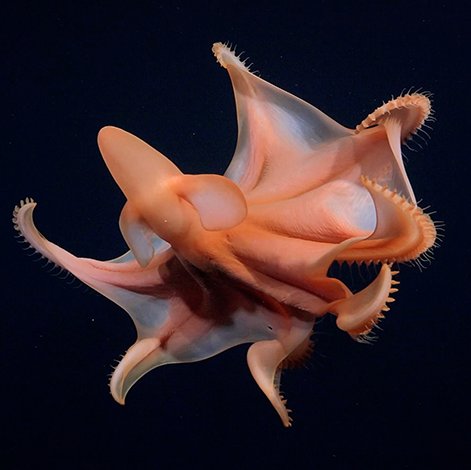
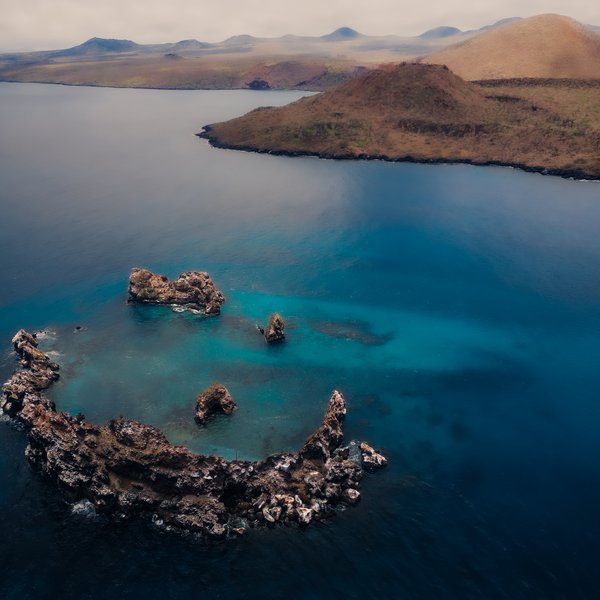
Floreana Island, heavily impacted by introduced species and biodiversity loss, now hosts one of Galápagos’ most ambitious restoration efforts. With a small community and 54 species still threatened, the Floreana Ecological Restoration Project aims to recover the island’s ecological balance through the removal of invasive species and the return of native wildlife.