Results
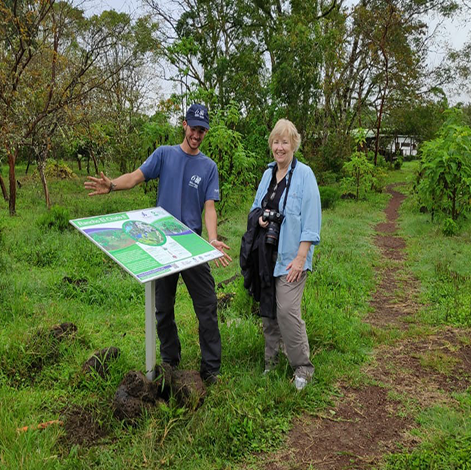

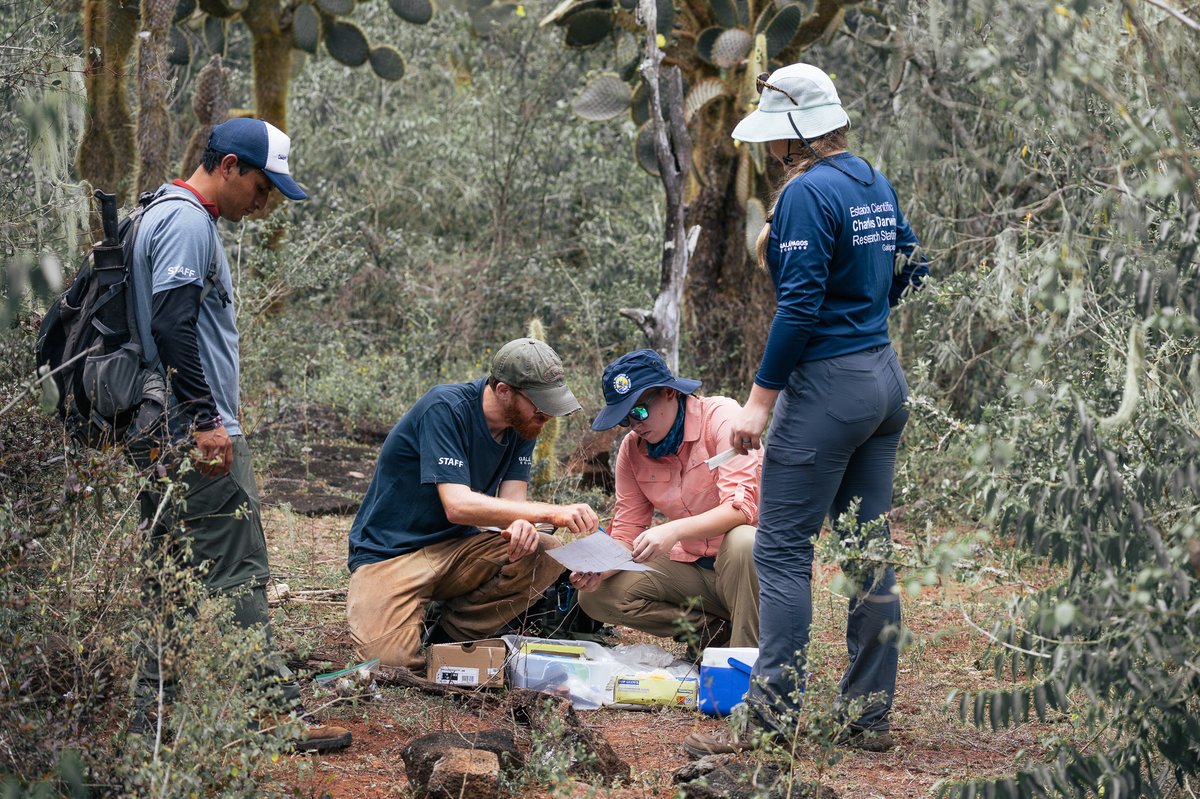
In Galapagos, 83% of the landmass falls within the arid zone. Restoring plant communities in this zone is challenging and slow, and natural regeneration in severely degraded areas is very limiting. Our scientists work to restore the arid habitat across various islands in the archipelago, notably Baltra Island, which has undergone significant human alteration, and special use sites such as garbage dumps and quarries on inhabited islands.
In Galapagos, 83% of the landmass falls within the arid zone. Restoring plant communities in this zone is challenging and slow, and natural regeneration in severely degraded areas is very limiting. Our scientists work to restore the arid habitat across various islands in the archipelago, notably Baltra Island, which has undergone significant human alteration, and special use sites such as garbage dumps and quarries on inhabited islands.
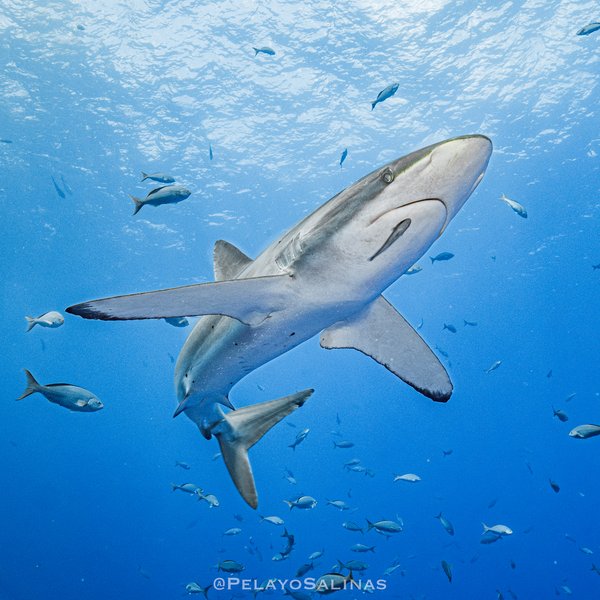
Silky shark's record-breaking migration of more than 27,000 km on the Tropical Eastern Pacific sheds light on urgent conservation need
Silky shark's record-breaking migration of more than 27,000 km on the Tropical Eastern Pacific sheds light on urgent conservation need
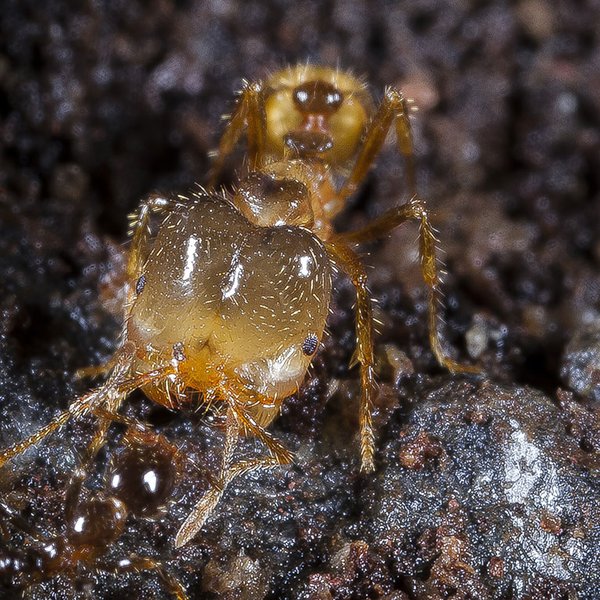
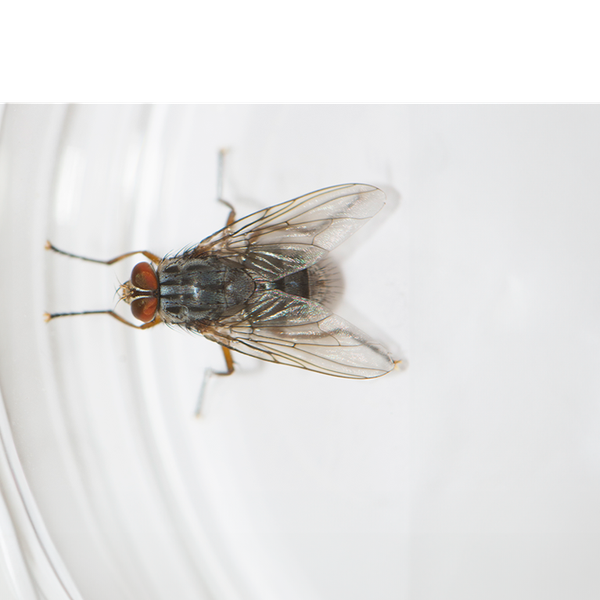
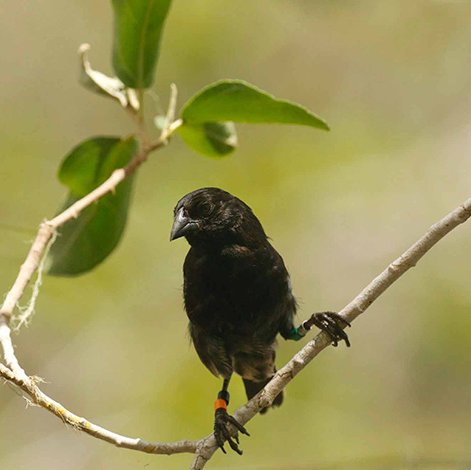
In a race against time, our scientists are working hard to find ways to control the avian vampire fly (Philornis downsi), an invasive parasitic fly that is affecting the survival of the unique small landbirds of the Galapagos Islands, including the iconic Darwin’s finches.
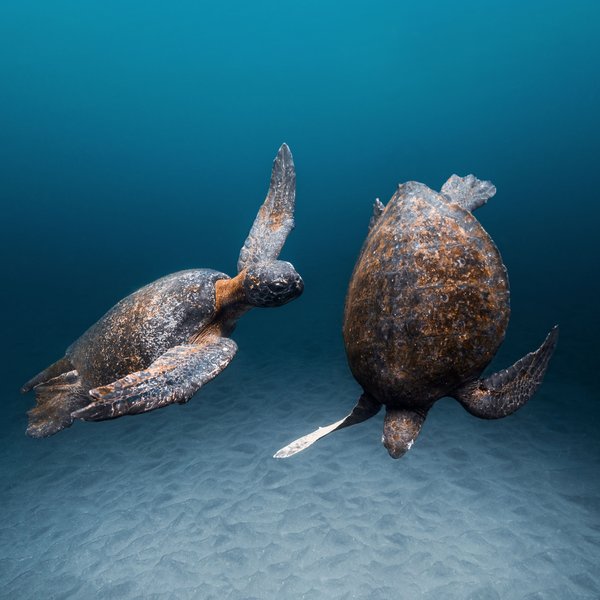
Important feeding and nesting sites for the endangered East Pacific green turtle in Galapagos are increasingly threatened by tourism, marine traffic and climate change. Our research is helping to identify the key areas where sea turtles are most vulnerable, and to develop solutions to protect them in the long term.




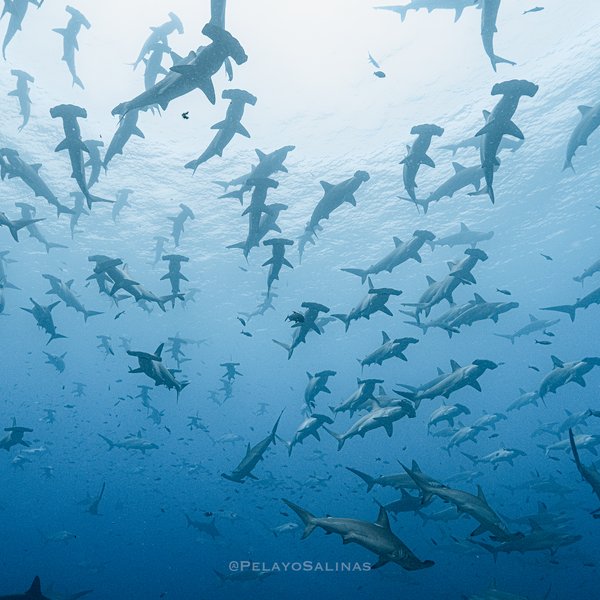
A groundbreaking study across seven marine protected areas in the Eastern Tropical Pacific reveals thriving shark and predator populations in remote island MPAs like Galapagos and Malpelo, while coastal reserves are severely depleted. Discover what this means for ocean protection, why it matters, and the urgent actions scientists recommend.

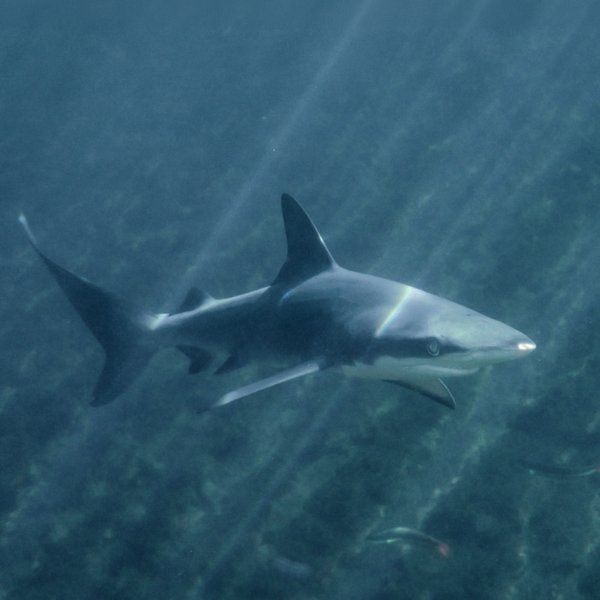
Galápagos sharks do not all behave the same. Hammerheads form large schools, whitetip reef sharks rest on reefs, tiger sharks repeatedly return to key feeding areas, and whale sharks undertake long migrations. Understanding these different behaviors helps protect critical habitats, migration routes, and supports more effective conservation strategies for each species.