Results

Join the Pristine Galapagos Society and become part of the history books of the Galapagos Islands
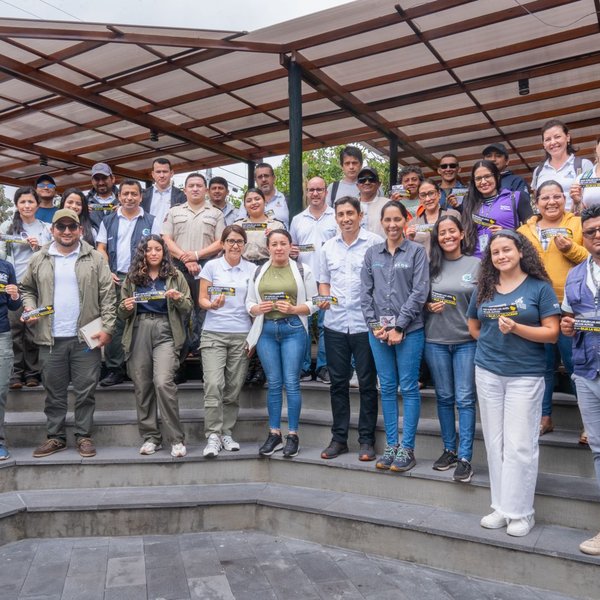
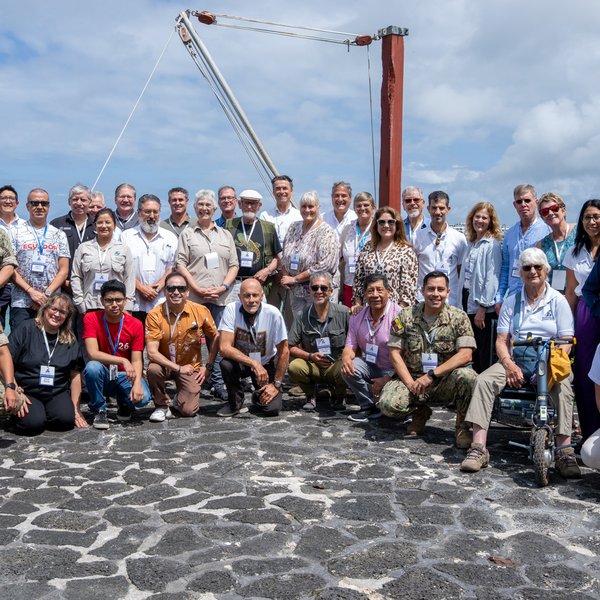
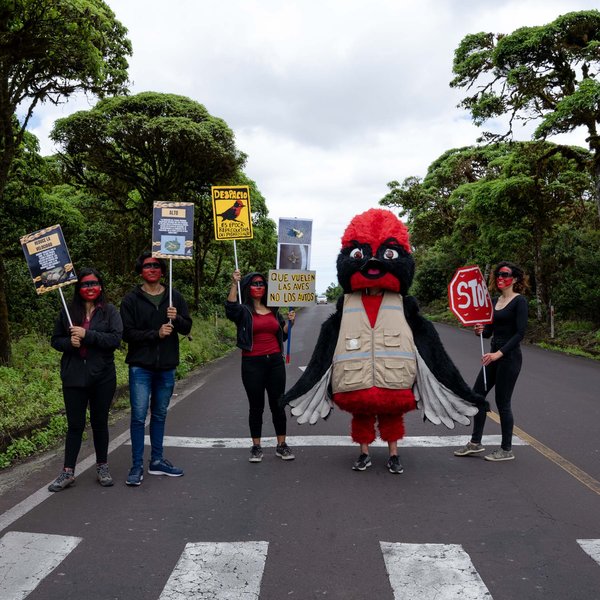
In a joint effort to protect the unique biodiversity of the islands, representatives from the public and private sectors, NGOs, transport cooperatives, and local governments gathered to understand the factors and solutions to reduce bird mortality on the roads of Galápagos caused by vehicles, the road connecting Puerto Ayora to the Itabaca Channel is of great importance as it passes through protected and productive areas of the island.

The Charles Darwin Foundation has appointed Dr. Harvey V. Fineberg to its Board of Directors, effective 1 January 2026. He brings extensive leadership experience in global health, academia, and philanthropy, including senior roles at the Gordon and Betty Moore Foundation, Harvard University, and the U.S. National Academy of Medicine.
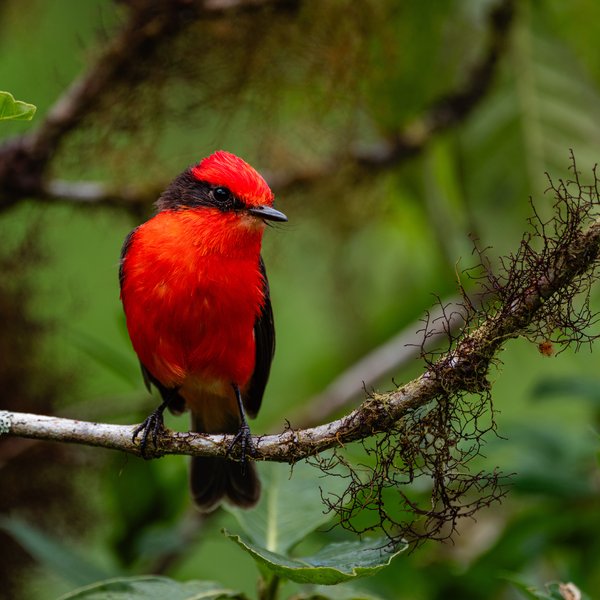
New DNA research reveals that Galápagos Vermilion Flycatchers are not one species, but a mosaic of long-isolated island lineages. By uncovering hidden genetic diversity, scientists are reshaping conservation priorities and taxonomic understanding—find out how evolution, extinction, and restoration efforts intersect across the archipelago.
In a joint effort to protect the unique biodiversity of the islands, representatives from the public and private sectors, NGOs, transport cooperatives, and local governments gathered to understand the factors and solutions to reduce bird mortality on the roads of Galápagos caused by vehicles, the road connecting Puerto Ayora to the Itabaca Channel is of great importance as it passes through protected and productive areas of the island.
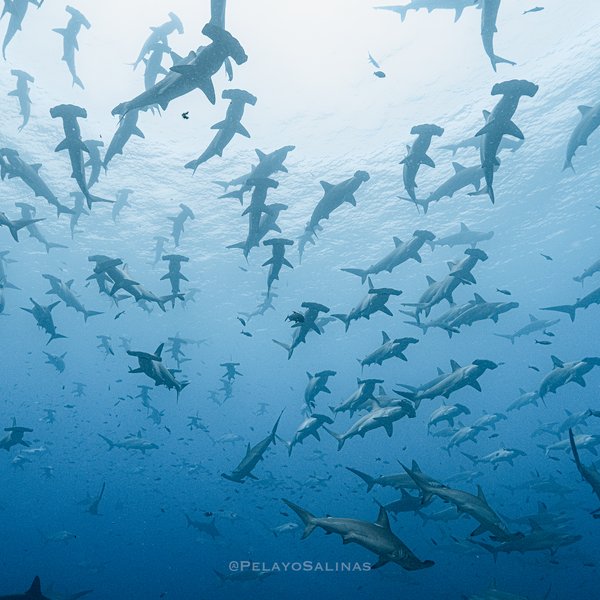
A groundbreaking study across seven marine protected areas in the Eastern Tropical Pacific reveals thriving shark and predator populations in remote island MPAs like Galapagos and Malpelo, while coastal reserves are severely depleted. Discover what this means for ocean protection, why it matters, and the urgent actions scientists recommend.
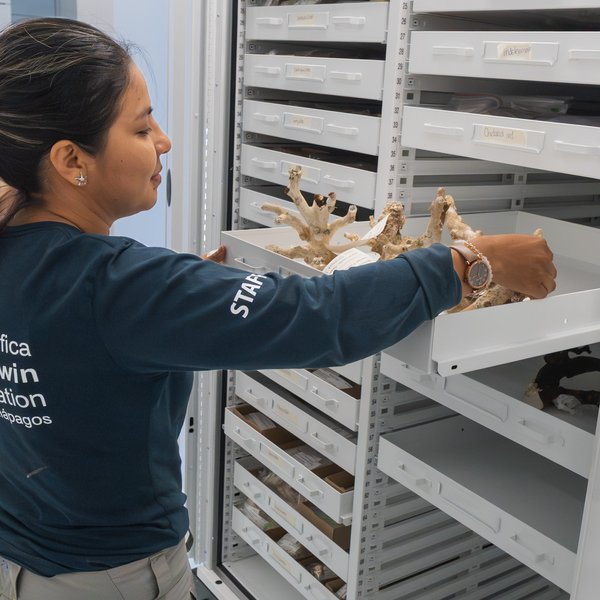
The Charles Darwin Foundation is home to the largest Natural History Collections of endemic, native and introduced species of Galapagos in Ecuador, with more than 135,000 specimens and 7,500 species across four Collections: Marine, Vertebrate, Terrestrial Invertebrate and a Herbarium.
At the Charles Darwin Foundation, we believe that sustainable conservation depends on the involvement of the local community. Our goal is to inspire future generations of local conservation leaders, and embed conservation and sustainable development in the local culture.

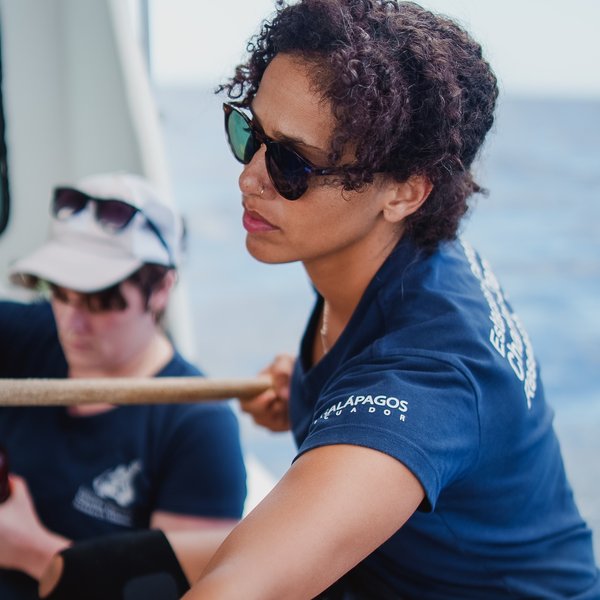
Come work for the Charles Darwin Foundation in Galapagos! Explore our current vacancies and find your place in protecting this extraordinary archipelago.