Results
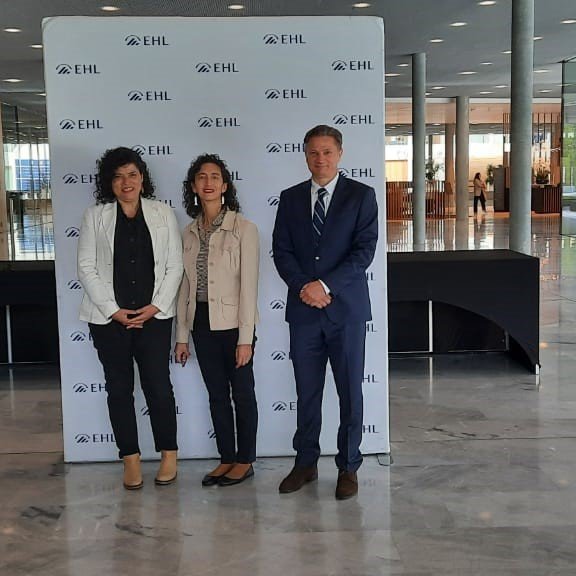
The Charles Darwin Foundation strengthens academic collaborations in Lausanne and Zurich, Switzerland
Since its inception in 1971, our Scholarship Program has enabled over 250 students from Galapagos to complete their education and pursue careers in conservation.
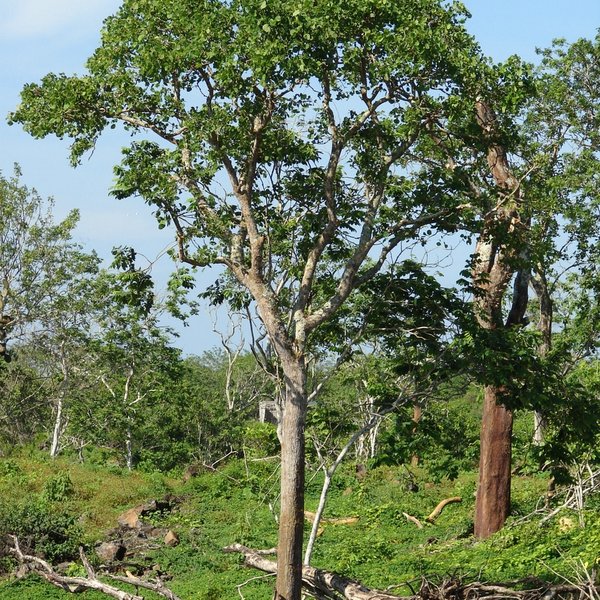
October 3, 2023, marks the beginning of the implementation phase of the Floreana Ecological Restoration Project, the largest and most ambitious restoration initiative currently underway in the Galapagos Islands.
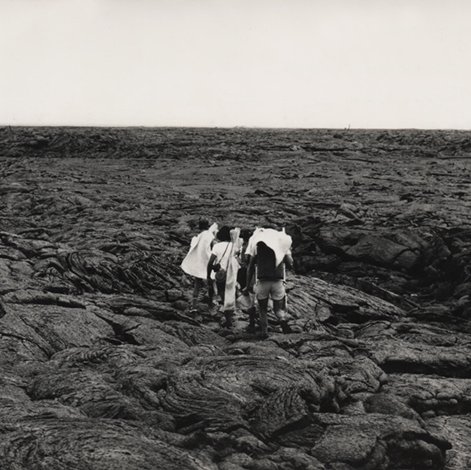
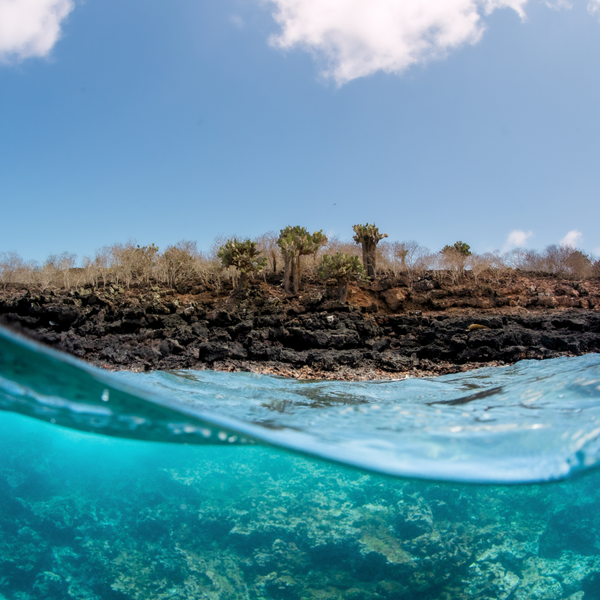
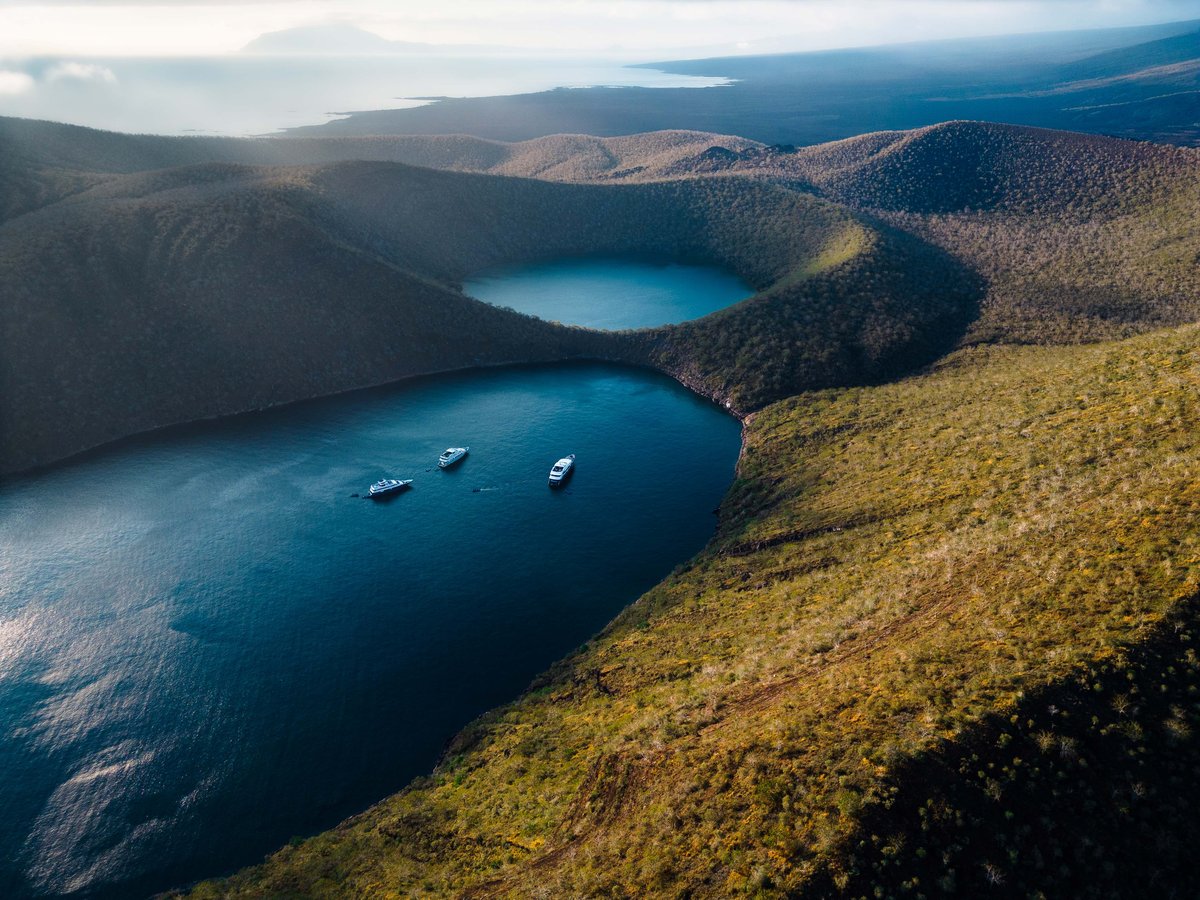
Explore the Galapagos Islands' volcanic beginnings, unique biodiversity, and the global conservation efforts led by the Charles Darwin Foundation to protect them.
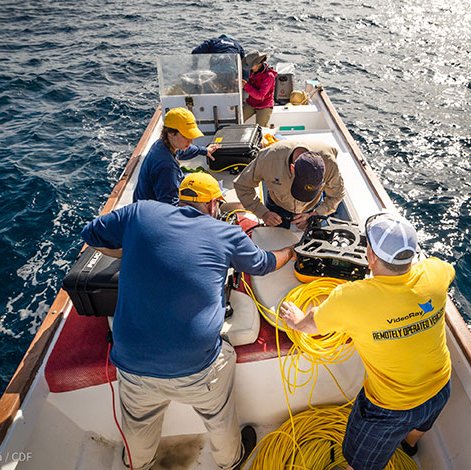
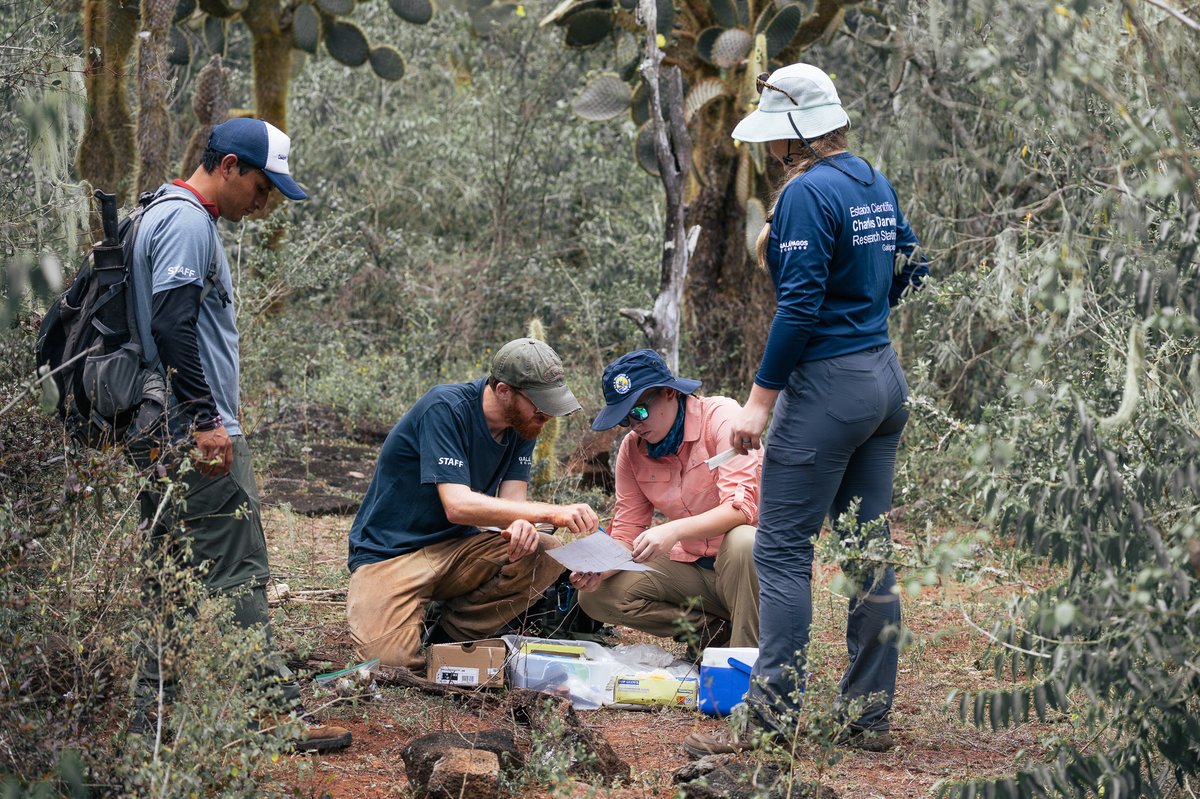
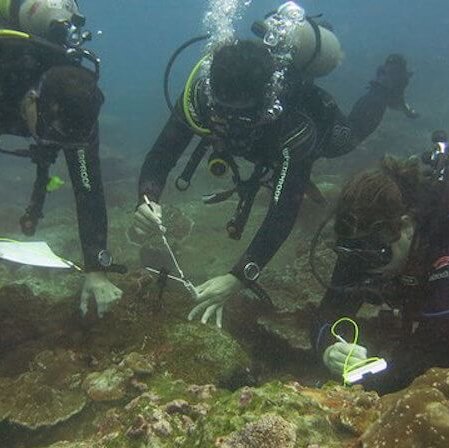
A scientific team led by the Charles Darwin Foundation (CDF) and the California Academy of Sciences (CAS), in collaboration with the Galapagos National Park Directorate (GNPD) has confirmed that Rhizopsammia wellingtoni—a solitary coral thought to be lost for a generation— is alive and clinging to Galapagos’ underwater cliffs.
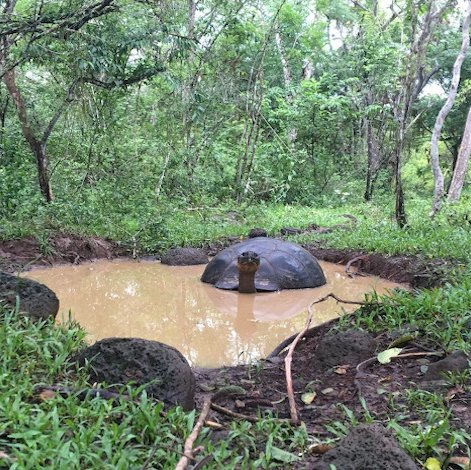
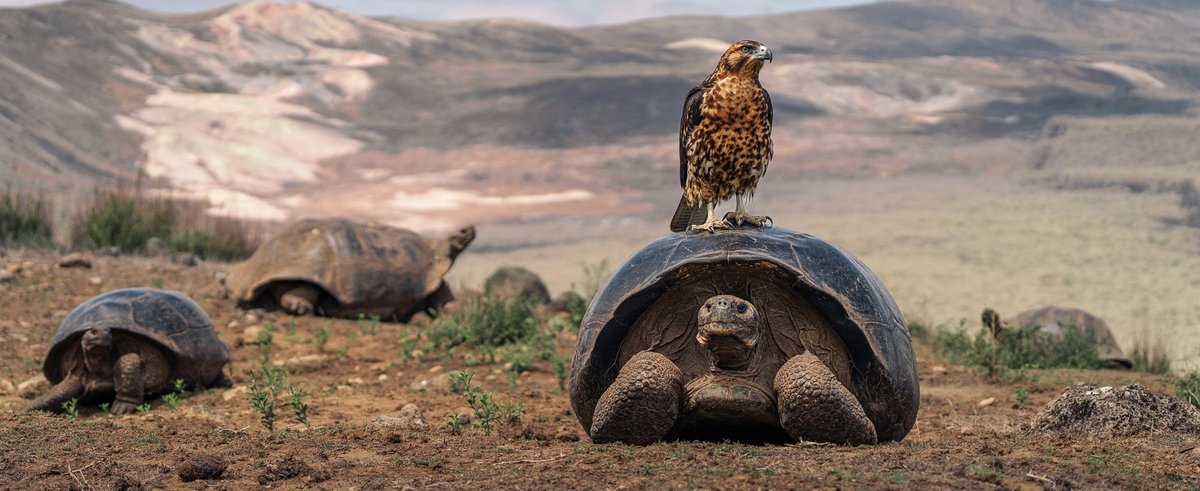
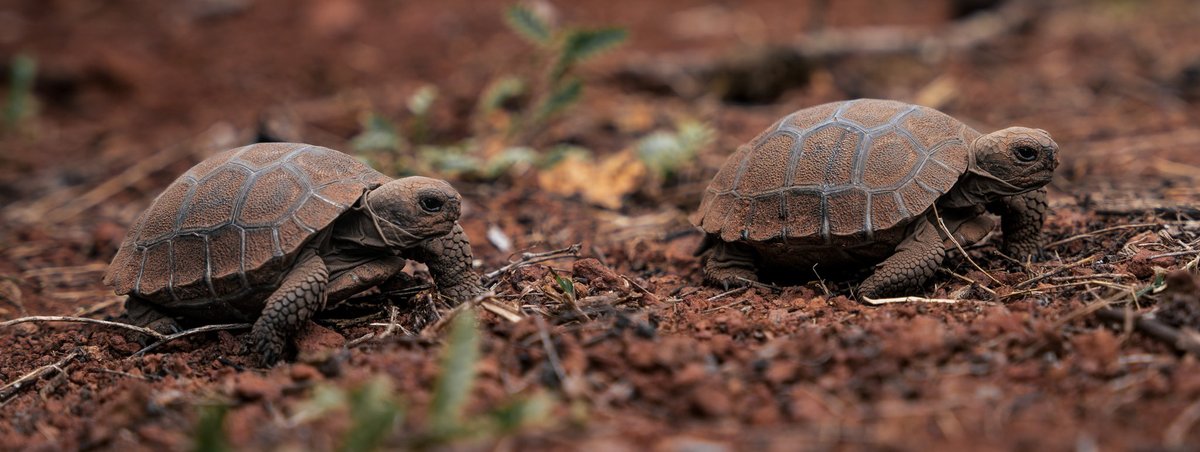
After more than 180 years, 158 endangered giant tortoises have returned to Floreana Island, marking a historic milestone in the Galápagos’ largest restoration effort. Discover how science, community leadership, and global collaboration are bringing back a lost lineage—and rebuilding an entire ecosystem from the ground up.
Local expertise meets global science: the first complete genome of endangered sea cucumber advances marine conservation in Galápagos
The Charles Darwin Foundation has appointed Dr. Harvey V. Fineberg to its Board of Directors, effective 1 January 2026. He brings extensive leadership experience in global health, academia, and philanthropy, including senior roles at the Gordon and Betty Moore Foundation, Harvard University, and the U.S. National Academy of Medicine.
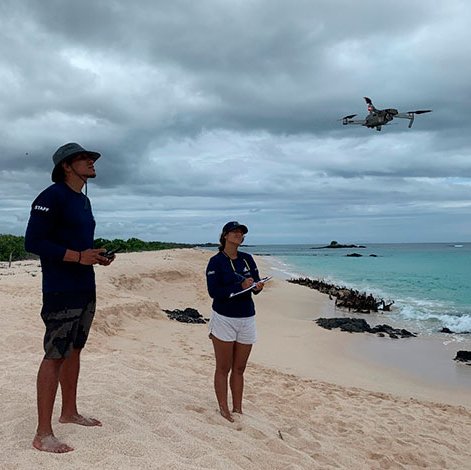
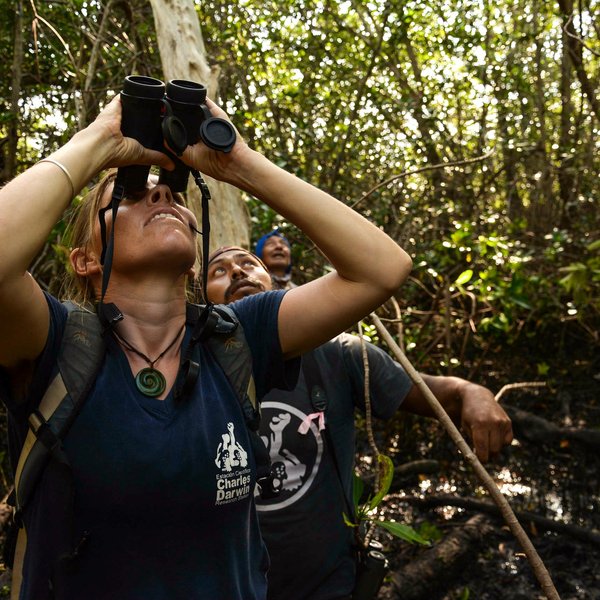
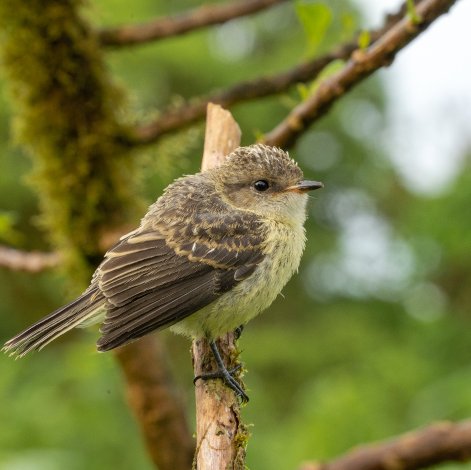
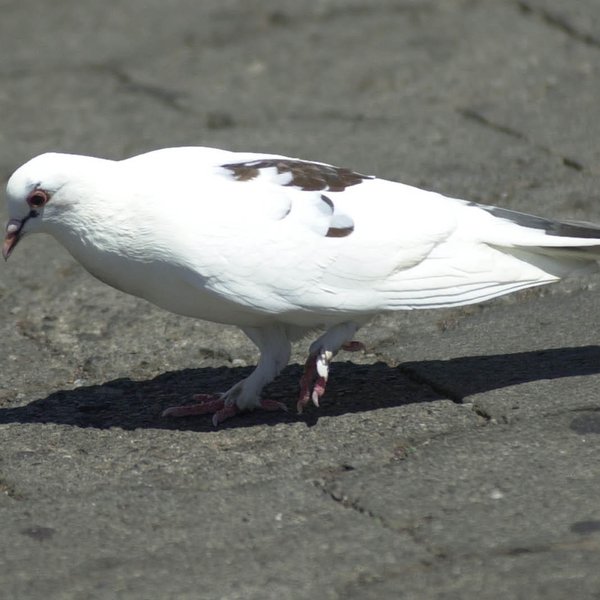
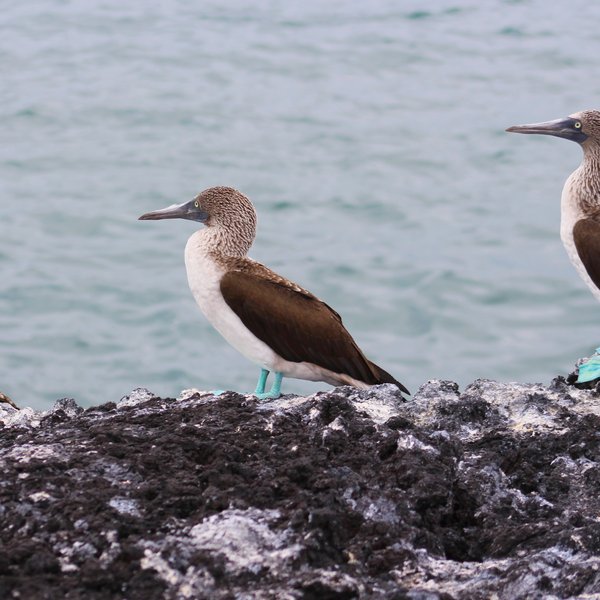
This year’s breeding season brought record success for the Little Vermilion Flycatcher with 39 fledglings, while the Critically Endangered Mangrove Finch continues to be a conservation priority. Discover how science, habitat restoration, and innovation are reshaping the future of Galápagos birds—and why this season marks a breakthrough in conservation.