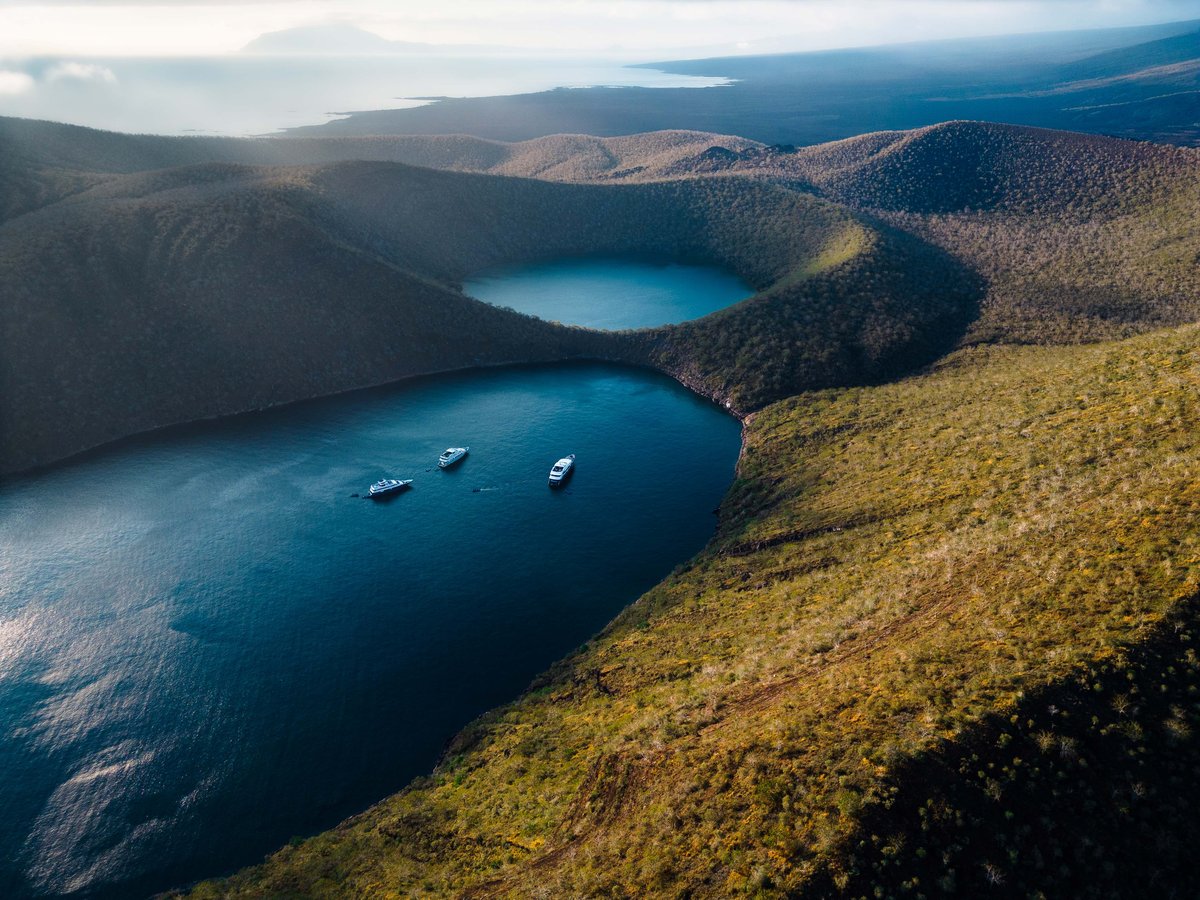
Results
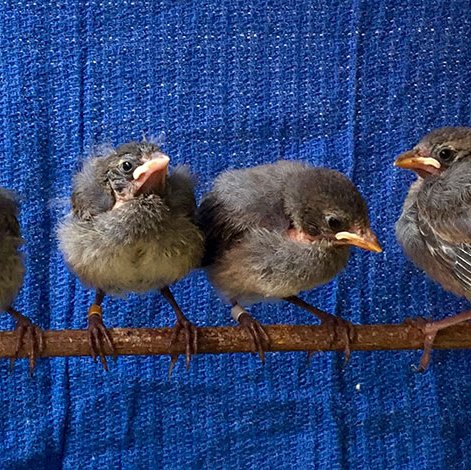
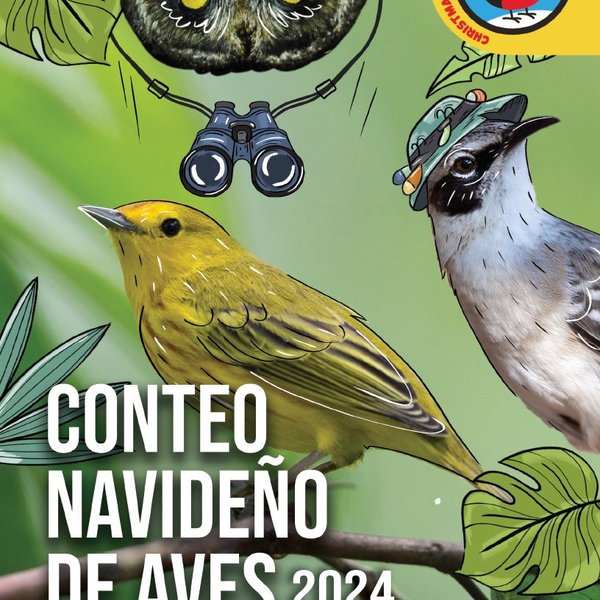
Discover the Galapagos Christmas Bird Count Sticker Collector's Book, created by the Charles Darwin Foundation to engage youth in bird conservation. Learn about native bird species and download this educational resource today
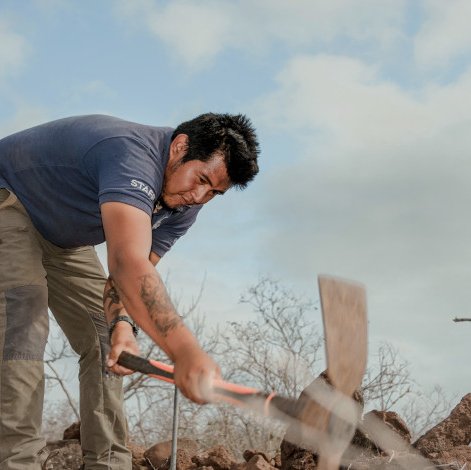
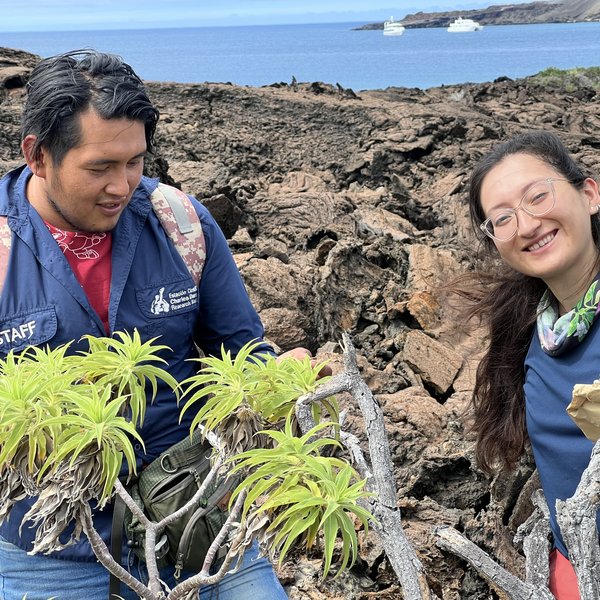
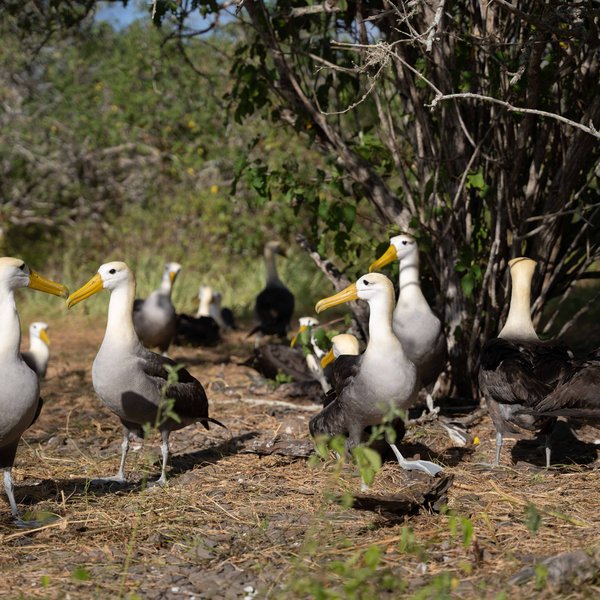
Lessons from the Field: A Five-Day Expedition with Galapagos Waved Albatross on Española Island
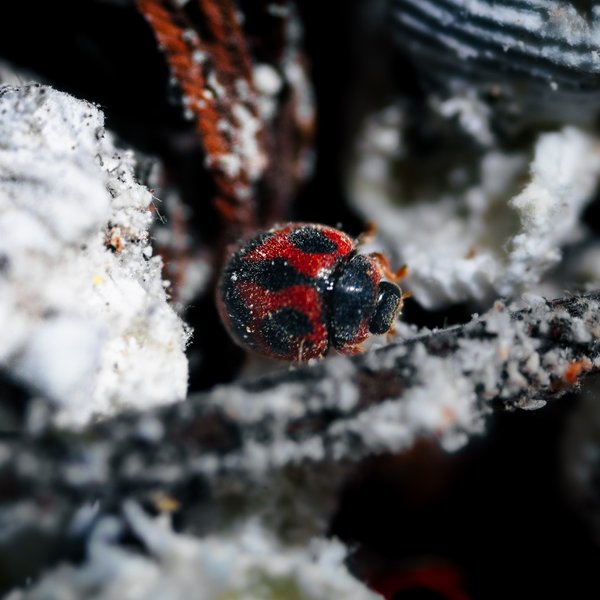
In the heart of the Galapagos Islands, a tiny, unexpected hero emerged in 2002 that would change the course of conservation. The Australian ladybug (Novius cardinalis), small in size but immensely effective, became a crucial ally in the fight against an invasive insect that threatened to devastate the endemic flora of these islands. This is the story of how science, innovation, and nature itself came together to help preserve one of the most valuable biological treasures on the planet.

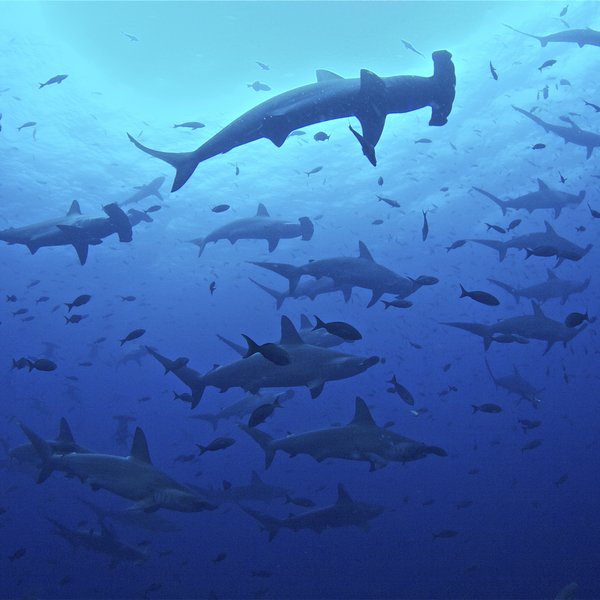
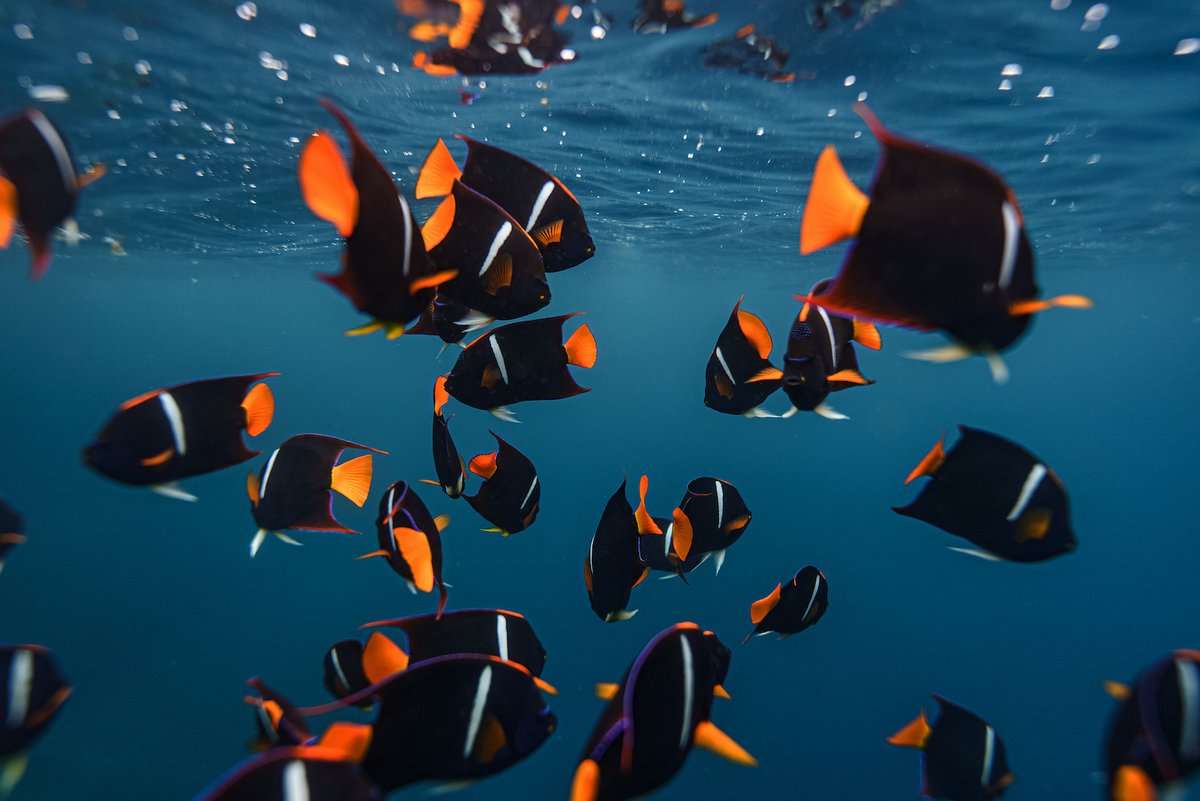
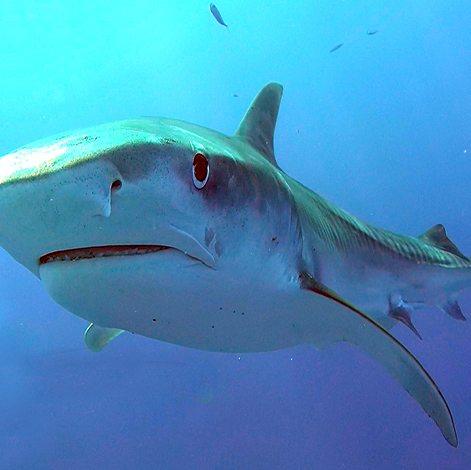
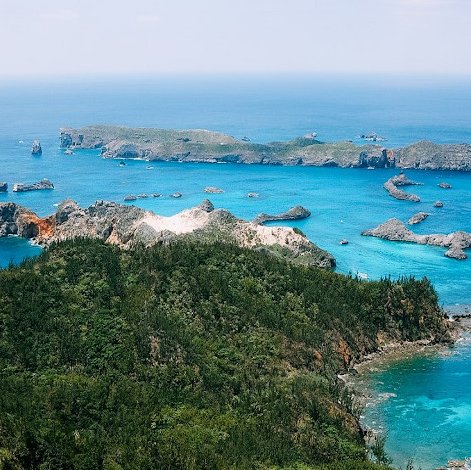
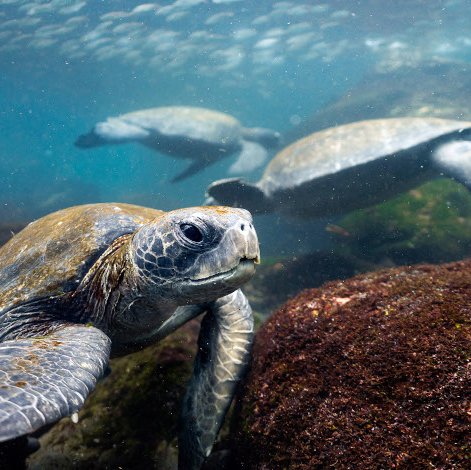
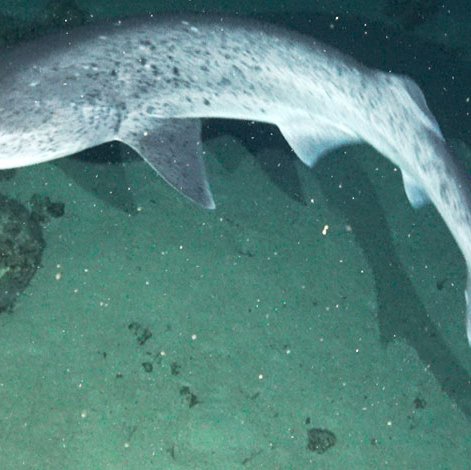
From the heart of the Galapagos, discover how science, community, and conservation unite to protect sharks, turtles, seabirds, and more. Explore the threats, the efforts, and how you can help safeguard our shared blue planet.
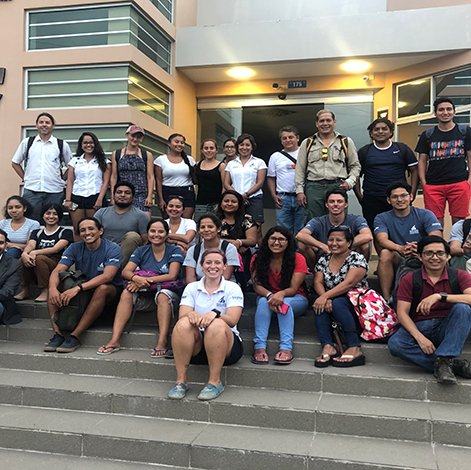
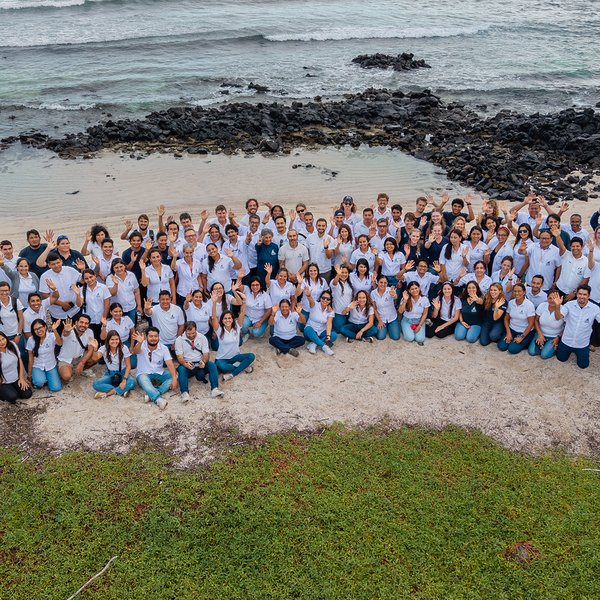
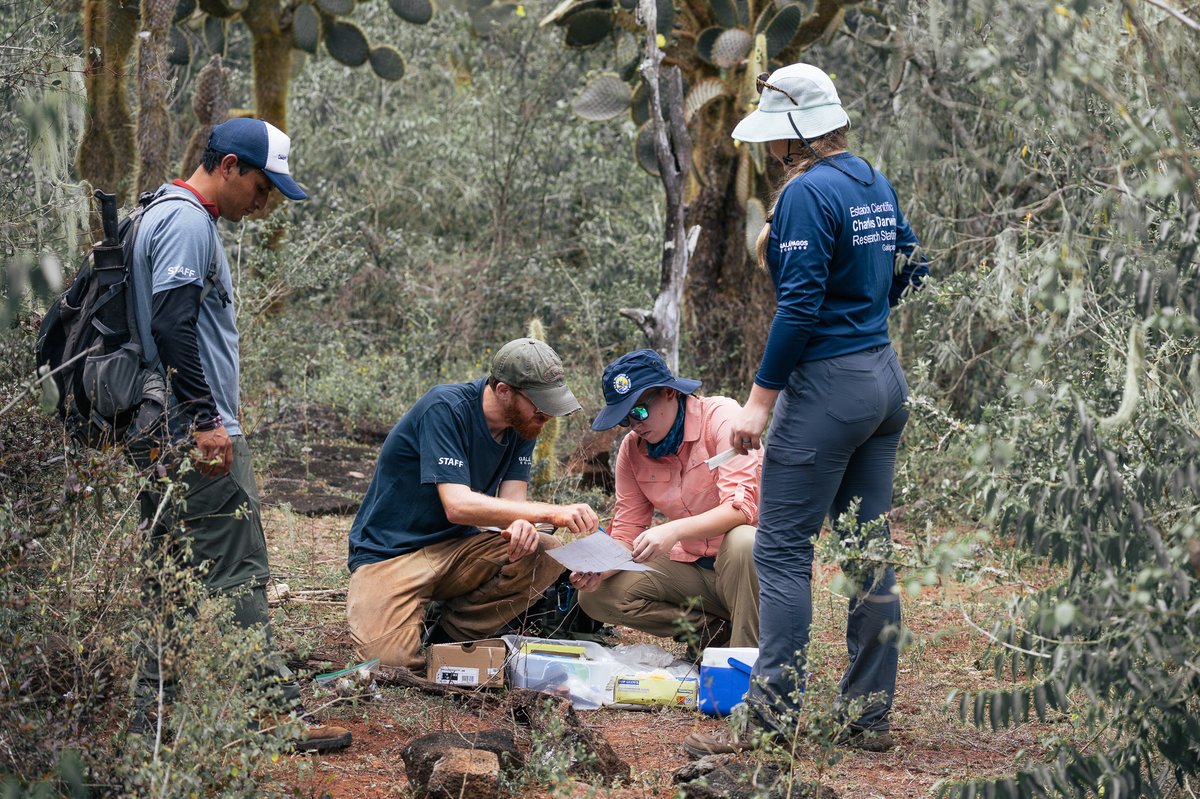
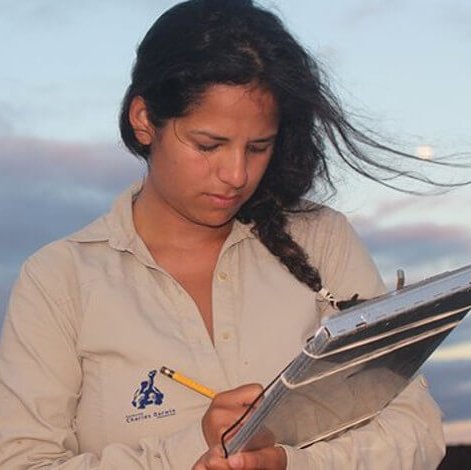
At the Charles Darwin Foundation, our success hinges on the dedication and expertise of our remarkable team. Our people share a deep passion for conservation and a commitment to safeguarding the extraordinary biodiversity of the Galápagos Islands.