Results
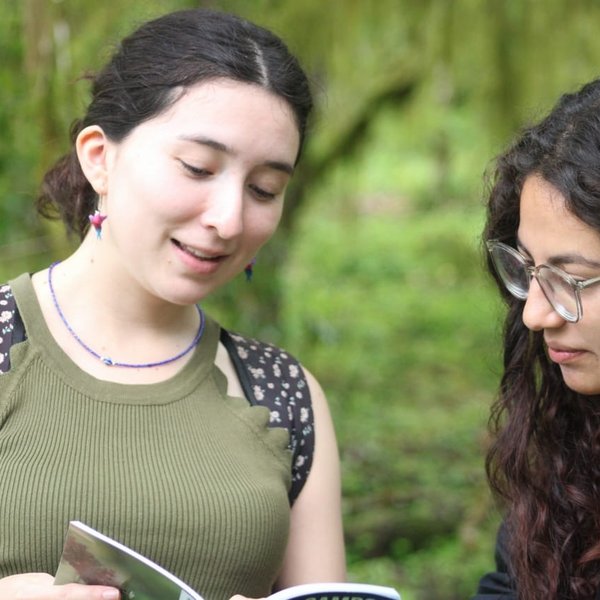
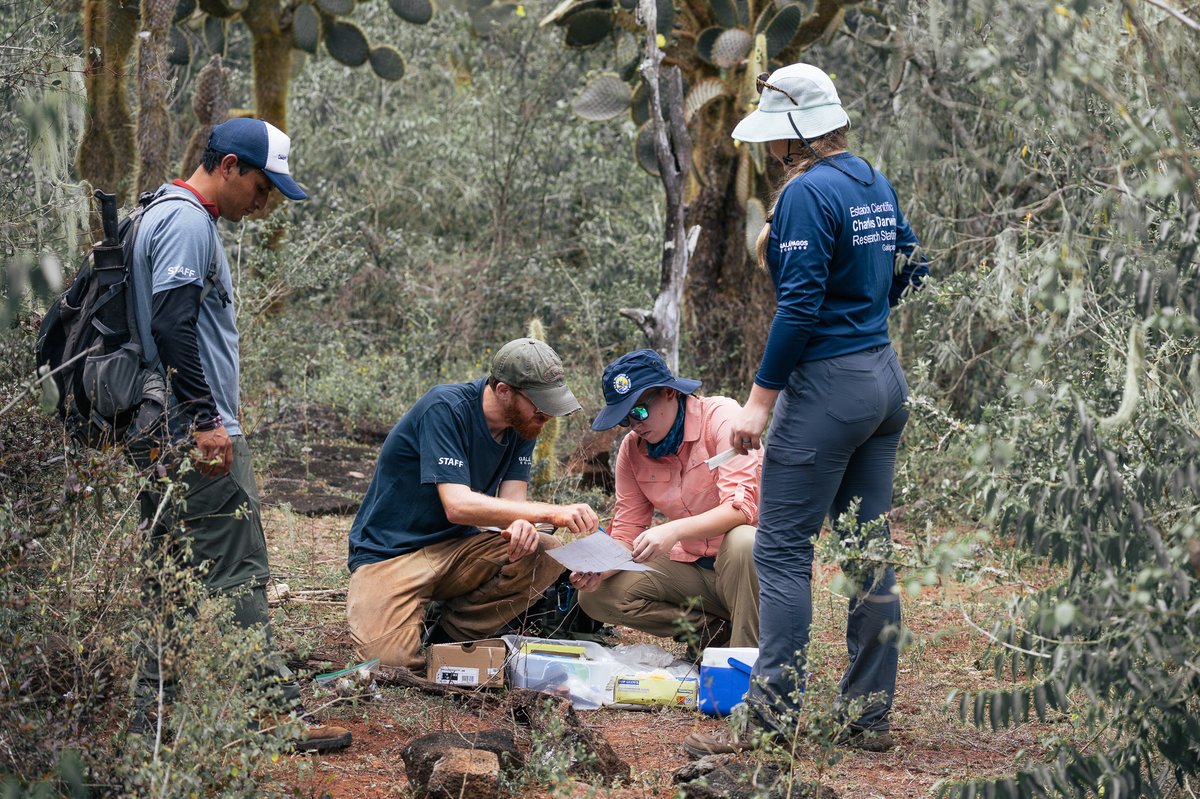
Today, I find myself here, by the sea, writing about my experience living on an island. It all started when I was searching for an opportunity, and I found a living dream instead: volunteering in the Galápagos. I applied to the Landbird Conservation Program of the Charles Darwin Foundation and had the privilege of becoming part of their team.Today, I find myself here, by the sea, writing about my experience living on an island. It all started when I was searching for an opportunity, and I found a living dream instead: volunteering in the Galápagos. I applied to the Landbird Conservation Program of the Charles Darwin Foundation and had the privilege of becoming part of their team.
Today, I find myself here, by the sea, writing about my experience living on an island. It all started when I was searching for an opportunity, and I found a living dream instead: volunteering in the Galápagos. I applied to the Landbird Conservation Program of the Charles Darwin Foundation and had the privilege of becoming part of their team.Today, I find myself here, by the sea, writing about my experience living on an island. It all started when I was searching for an opportunity, and I found a living dream instead: volunteering in the Galápagos. I applied to the Landbird Conservation Program of the Charles Darwin Foundation and had the privilege of becoming part of their team.
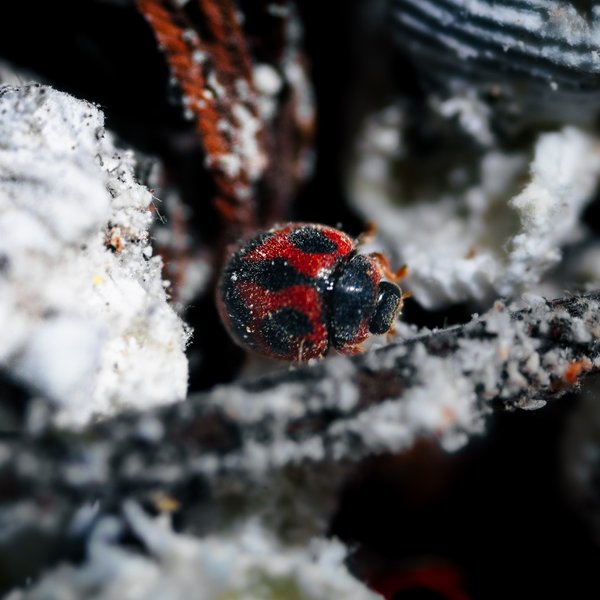
In the heart of the Galapagos Islands, a tiny, unexpected hero emerged in 2002 that would change the course of conservation. The Australian ladybug (Novius cardinalis), small in size but immensely effective, became a crucial ally in the fight against an invasive insect that threatened to devastate the endemic flora of these islands. This is the story of how science, innovation, and nature itself came together to help preserve one of the most valuable biological treasures on the planet.
In the heart of the Galapagos Islands, a tiny, unexpected hero emerged in 2002 that would change the course of conservation. The Australian ladybug (Novius cardinalis), small in size but immensely effective, became a crucial ally in the fight against an invasive insect that threatened to devastate the endemic flora of these islands. This is the story of how science, innovation, and nature itself came together to help preserve one of the most valuable biological treasures on the planet.
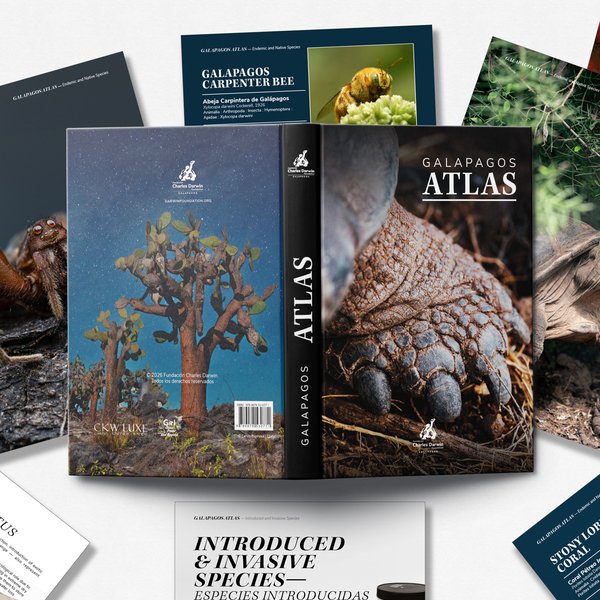
Explore a wealth of resources from the Charles Darwin Foundation available for download. From annual reports to research journals, species identification guides to educational texts like the Galapagos Atlas, our publications provide valuable insights into conservation efforts and biodiversity in the Galapagos Islands. Dive into our comprehensive collection today!

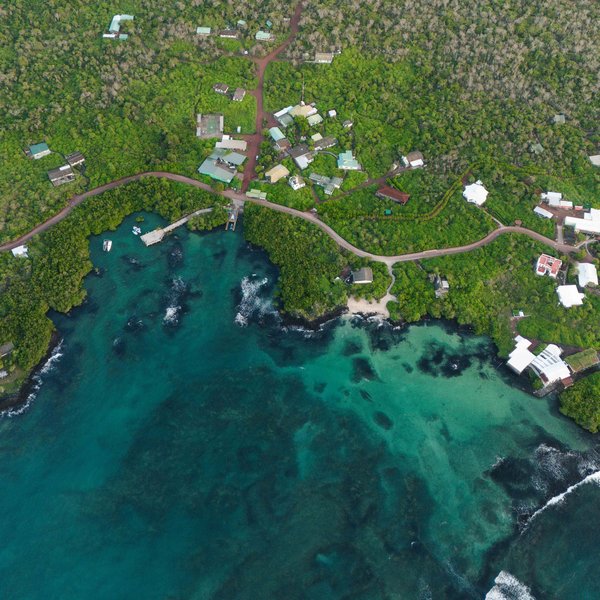
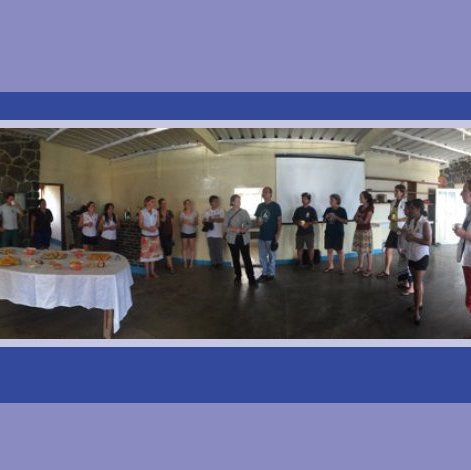
A special year deserves a special celebration. The Charles Darwin Foundation (CDF) opens its doors in collaboration with the Galapagos National Park (GNP), our strategic partner with whom we have worked hand in hand for 65 years.
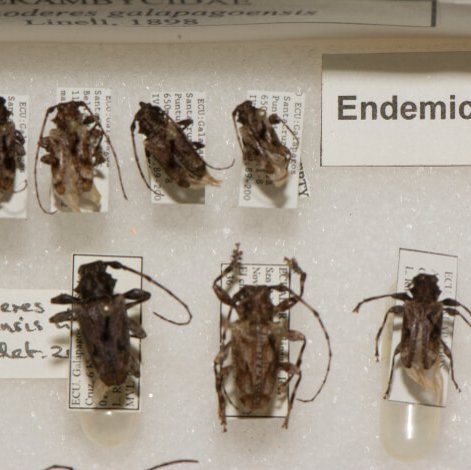
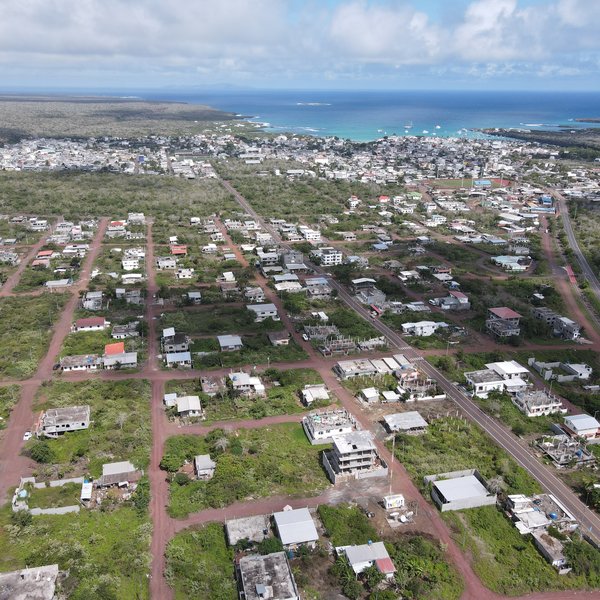
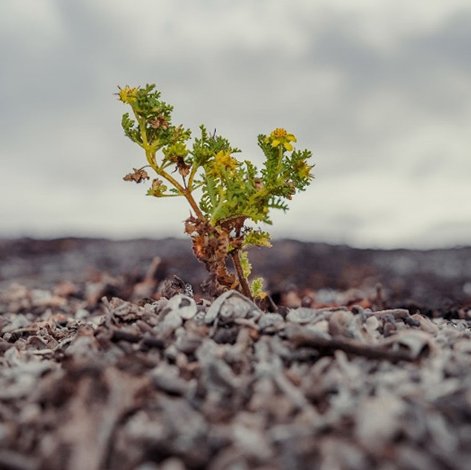
While a mere 3% of the Galapagos Islands are home to people, our presence in this small fraction of the archipelago has put the native vegetation at risk. Our restoration program in urban and rural areas engages the local community in conservation and restoration efforts to secure the long-term health of these unique ecosystems.
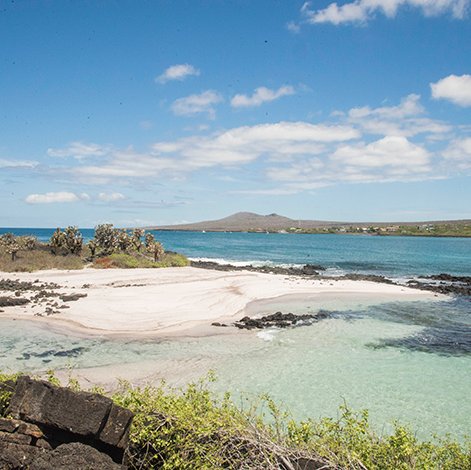
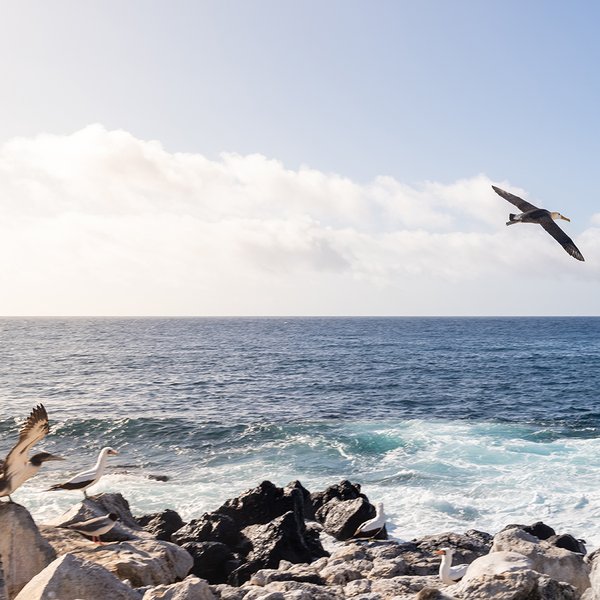
Possibly best known for its remoteness, giant tortoises and links with Charles Darwin, the Galápagos Islands—600 miles off the Ecuadorian coast—are also home with the magnificent Waved Albatross (Phoebastria irrorate), a huge bird that nests there and raises its young during nine months of the year. The largest bird in the Islands, it is the only albatross that lives in the tropics.