Results
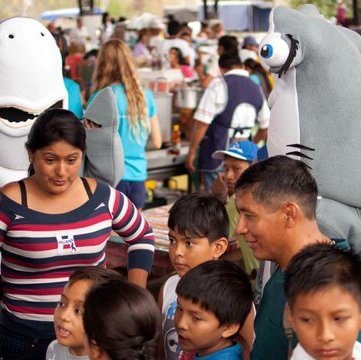
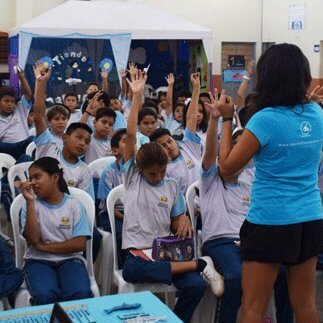

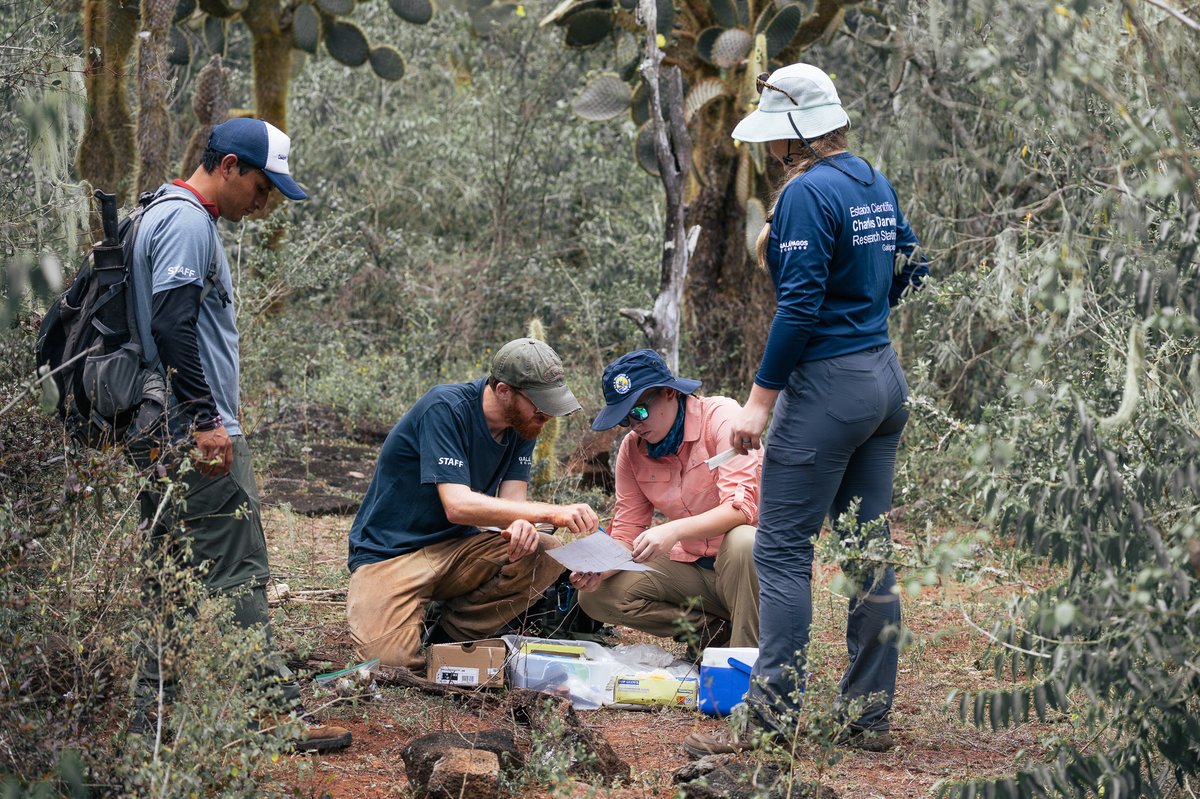
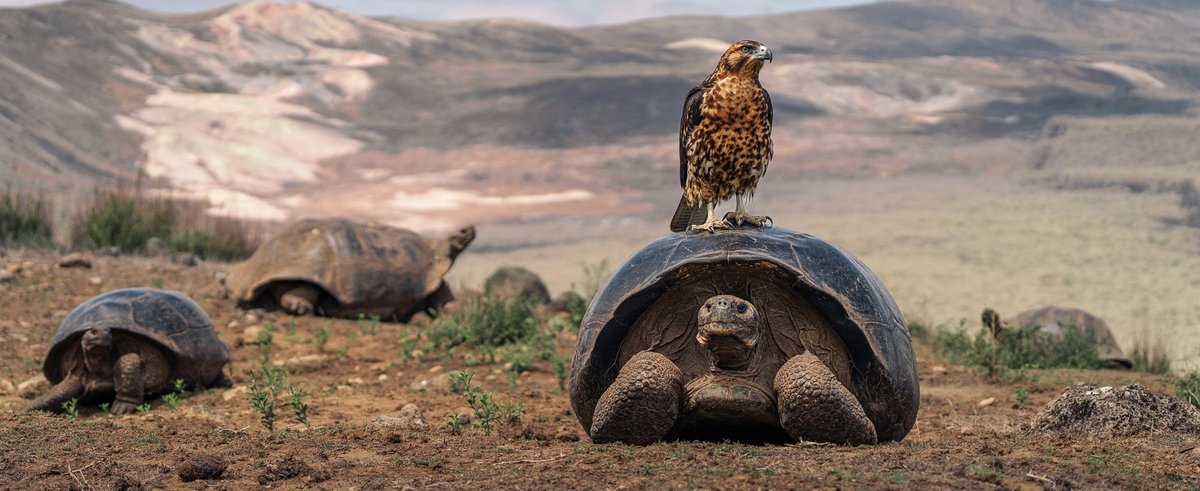
Discover the Charles Darwin Foundation, established in 1959 to protect the Galapagos Islands' fragile ecosystem. As the oldest and largest science and conservation organization in the archipelago, our Research Station leads efforts to preserve this unique environment through groundbreaking research and conservation milestones.
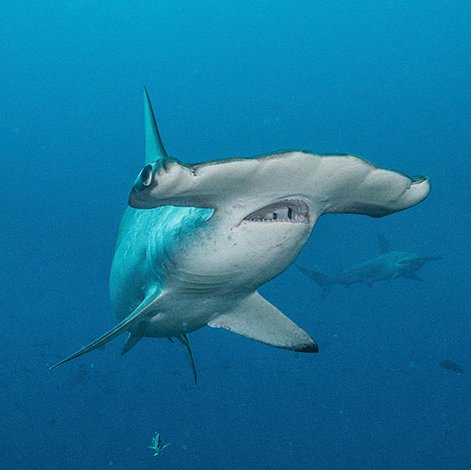
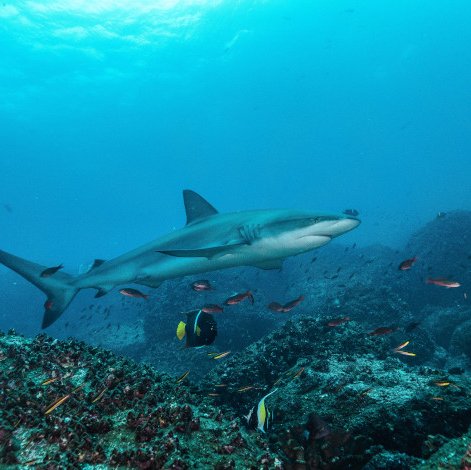
A groundbreaking study across seven marine protected areas in the Eastern Tropical Pacific reveals thriving shark and predator populations in remote island MPAs like Galapagos and Malpelo, while coastal reserves are severely depleted. Discover what this means for ocean protection, why it matters, and the urgent actions scientists recommend.
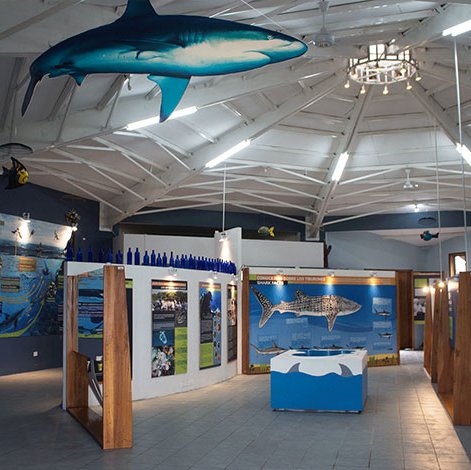

Travel to the Galapagos Islands and help protect these iconic places. Discover the Charles Darwin Foundation's essential travel tips for responsible tourism.
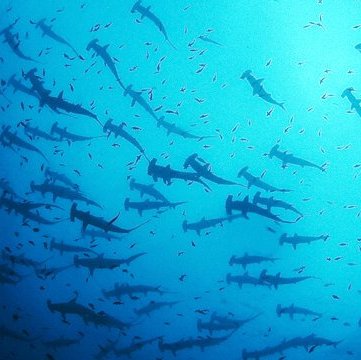

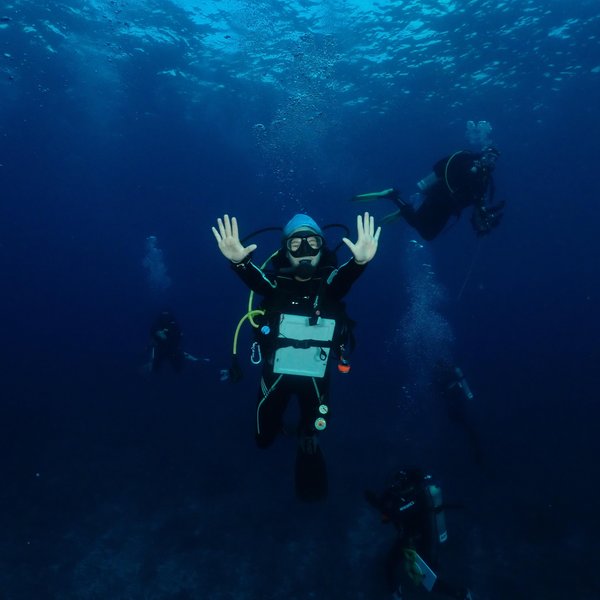
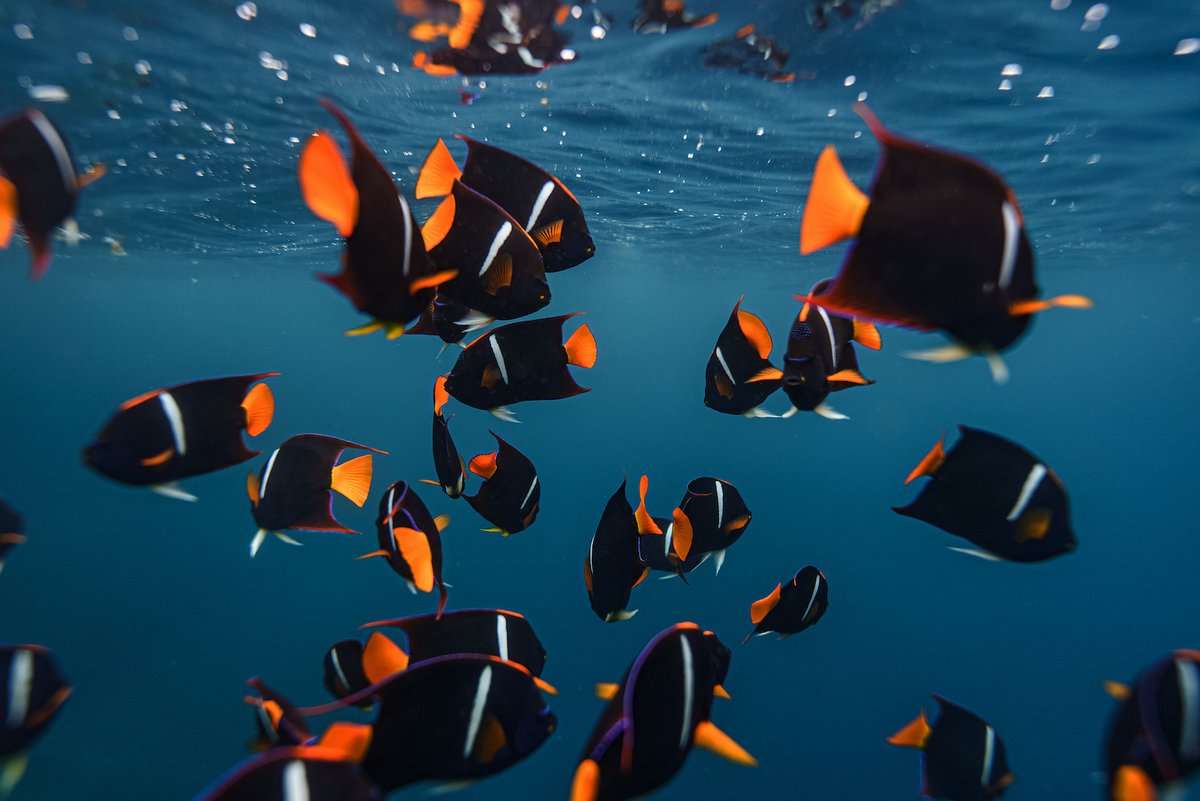
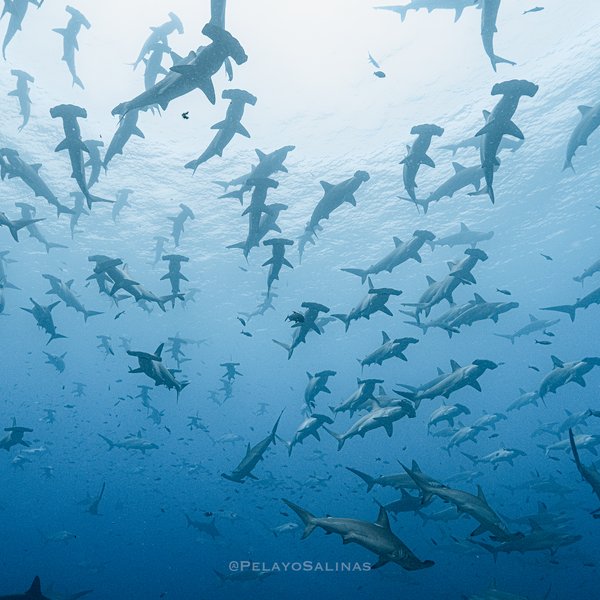
In the remote northern islands of Darwin and Wolf, science reveals a dramatic seasonal pulse beneath the waves. A new Charles Darwin Foundation study shows fish biomass triples in the cold season—driven by migrating scalloped hammerhead sharks. Discover how ocean currents shape one of Earth’s richest marine refuges.
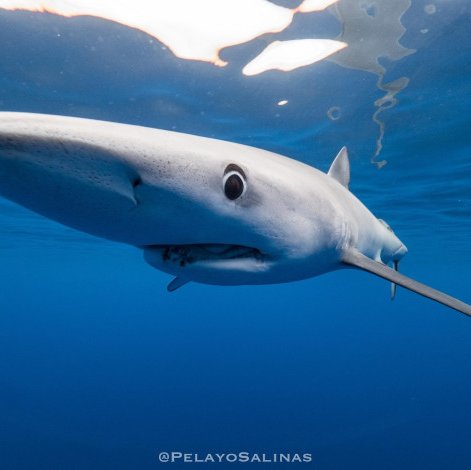
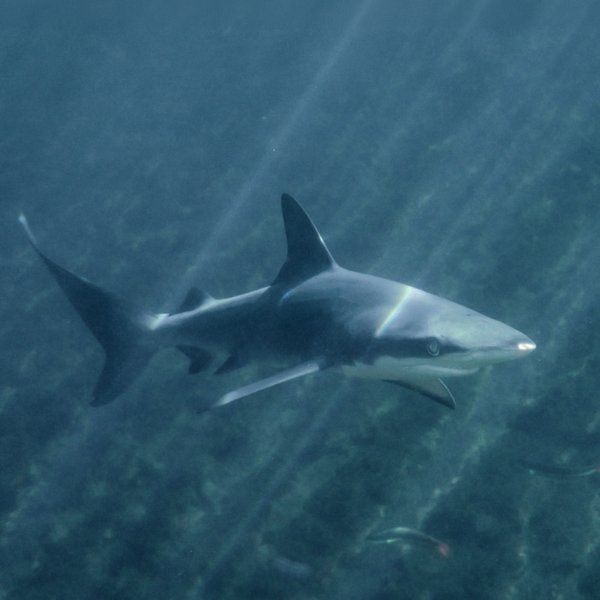
Galápagos sharks do not all behave the same. Hammerheads form large schools, whitetip reef sharks rest on reefs, tiger sharks repeatedly return to key feeding areas, and whale sharks undertake long migrations. Understanding these different behaviors helps protect critical habitats, migration routes, and supports more effective conservation strategies for each species.
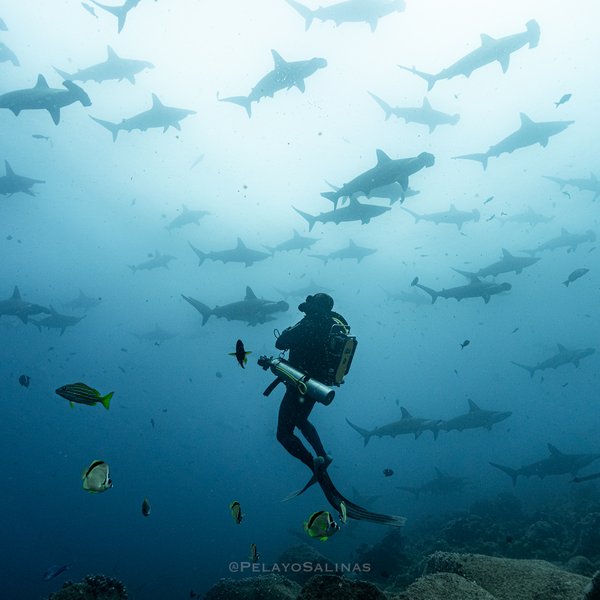
Scientists from the Charles Darwin Foundation’s shark ecology and conservation program and collaborators, have published what is likely the first-ever scientifically recorded birthing migration for the critically endangered scalloped hammerhead shark (Sphyrna lewini).
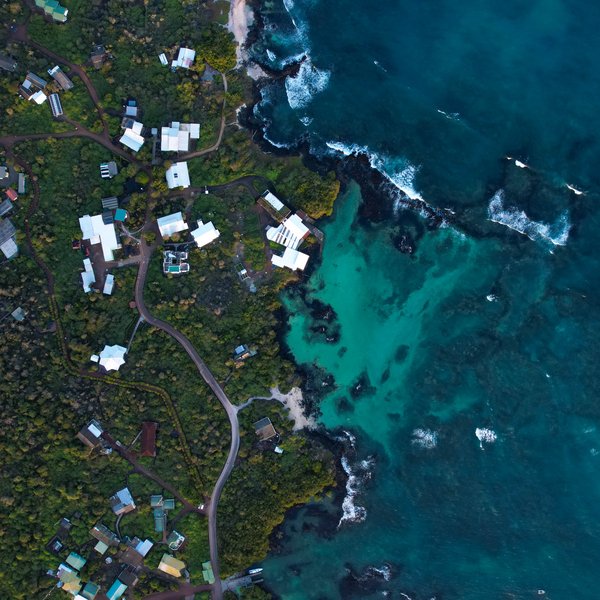
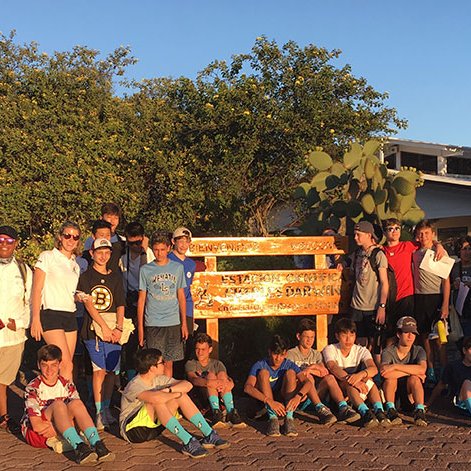
Inaugurated in 1964 as a base for scientists conducting their research on Galapagos, the Charles Darwin Research Station on Santa Cruz Island welcomes all visitors to discover how our scientific research and conservation actions ensure we safeguard one of the world’s most important natural treasures for future generations.
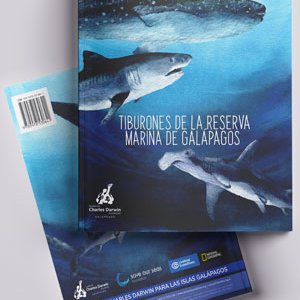
Field guide for kids to identify sharks of the Galapagos Marine Reserve.
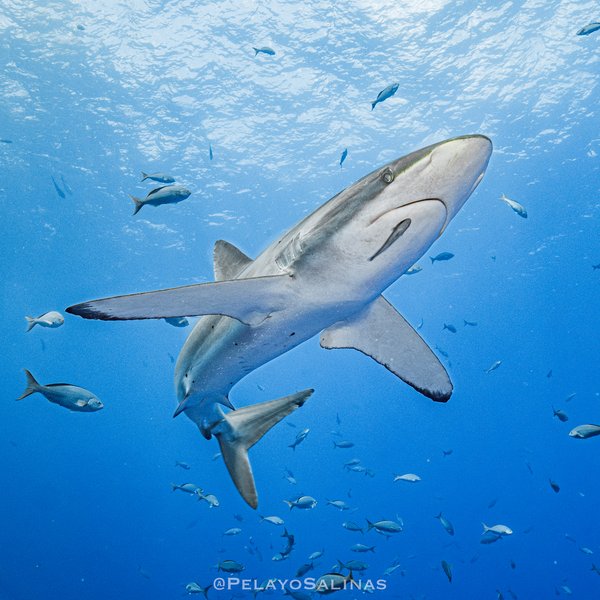
Satellite tagging reveals that silky sharks spend nearly half their time outside Eastern Tropical Pacific marine reserves, exposing them to intense industrial fishing. Tracking 40 sharks from Galápagos, researchers uncover critical gaps in MPA networks and call for expanded protections to better safeguard this vulnerable, wide-ranging species in the region.