Results
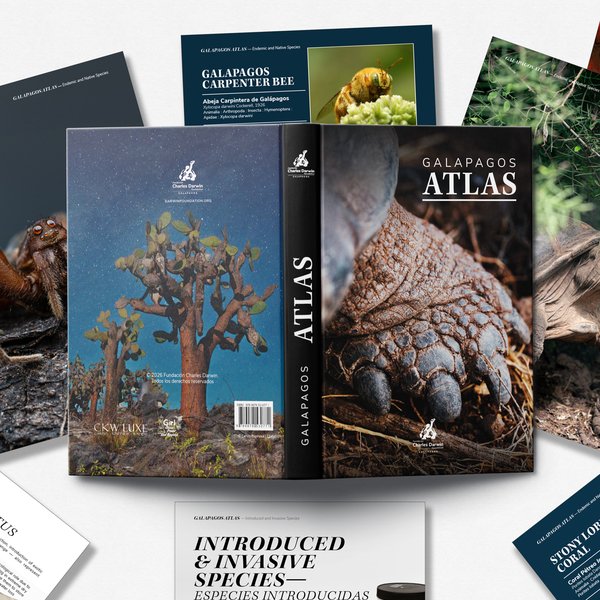
The Galapagos Atlas maps 69 endemic, native and invasive species across 309 pages — CDF's reference guide to Galapagos biodiversity.
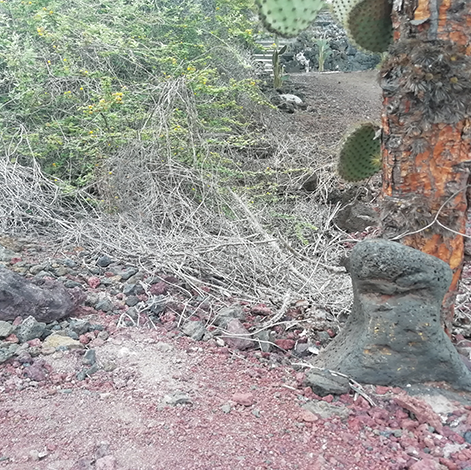

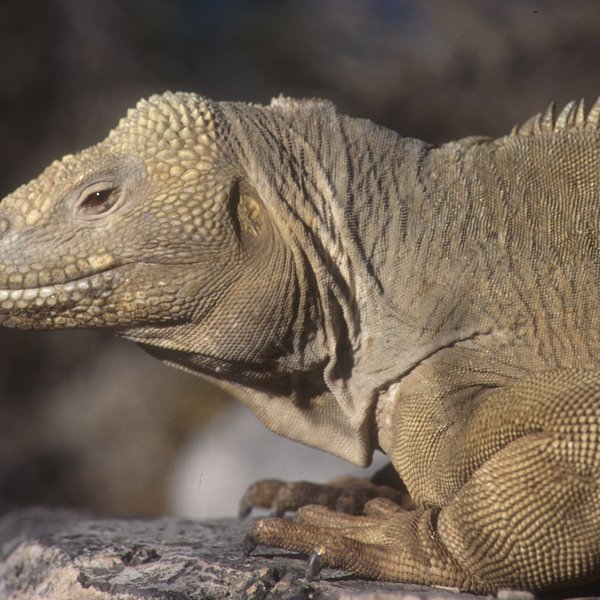
Discover how the Galápagos land iguana recovery program began. From the 1932 translocation to the leadership of Howard and Heidi Snell, this article shows how scientific research, captive breeding, and habitat restoration made possible one of the world's most successful conservation stories.
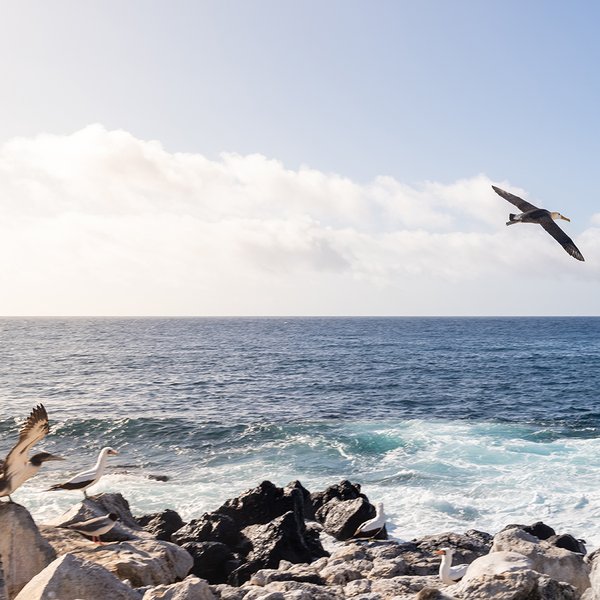
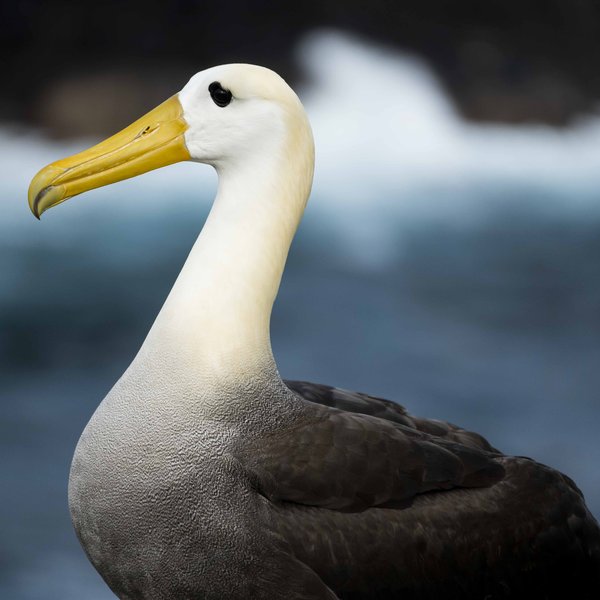
Possibly best known for its remoteness, giant tortoises and links with Charles Darwin, the Galápagos Islands—600 miles off the Ecuadorian coast—are also home with the magnificent Waved Albatross (Phoebastria irrorate), a huge bird that nests there and raises its young during nine months of the year. The largest bird in the Islands, it is the only albatross that lives in the tropics.
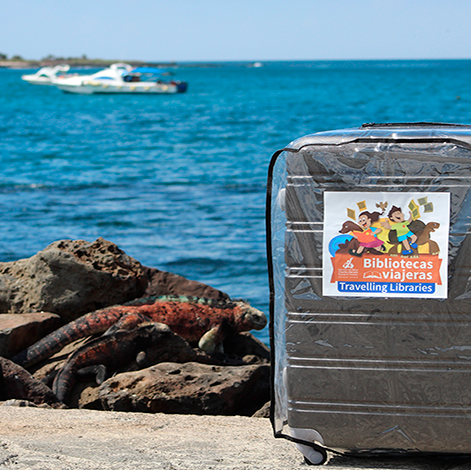
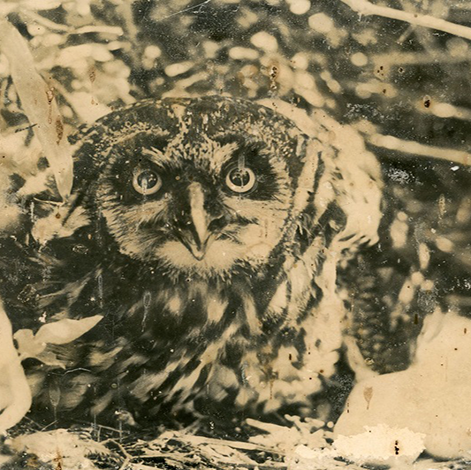
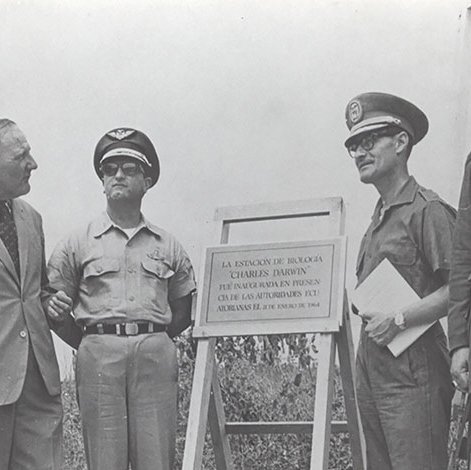
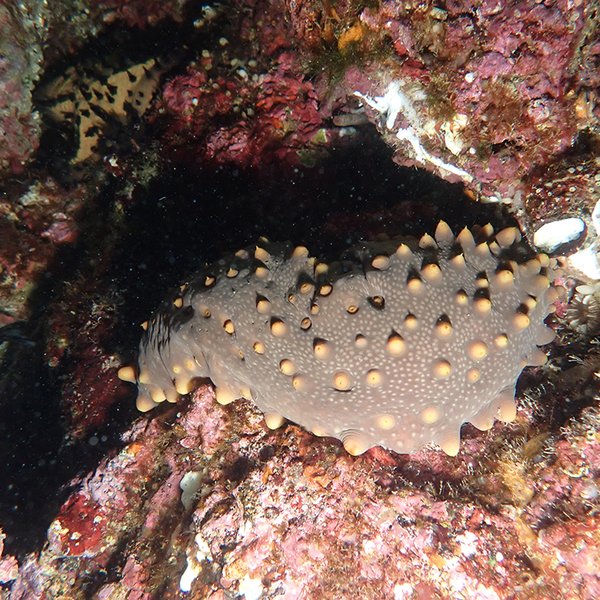
Local expertise meets global science: the first complete genome of endangered sea cucumber advances marine conservation in Galápagos
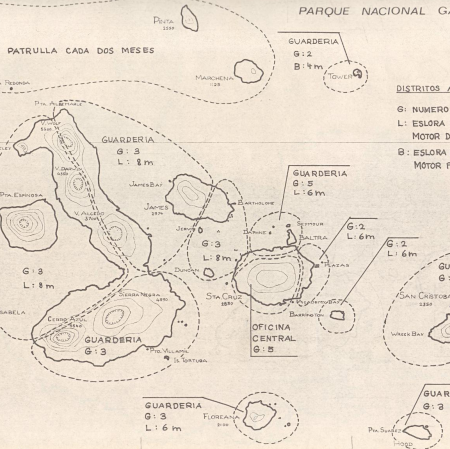
The 1973 Master Plan for the Protection and Use of Galapagos National Park was the first comprehensive planning framework for managing the archipelago. It introduced zoning, strengthened scientific research, and formalized collaboration with the Charles Darwin Research Station, laying the foundations for modern conservation in the Galapagos Islands.

The Eastern Tropical Pacific conceals extraordinary, vast deep-ocean ecosystems, plunging from oceanic islands to depths of 3,800 meter, most of which remain largely unexplored, presenting real challenges for effective protection and management. Despite their significance, these ecosystems are poorly understood and subject to persistent threats, including overfishing, climate change, pollution, and the prospect for deep-sea mining.