Results
Carlos Espinosa/CDF
Carlos Espinosa/CDF
Carlos Espinosa/CDF
Carlos Espinosa/CDF
Carlos Espinosa/CDF
Carlos Espinosa/CDF

Carlos Espinosa/CDF
Carlos Espinosa/CDF
Carlos Espinosa/CDF
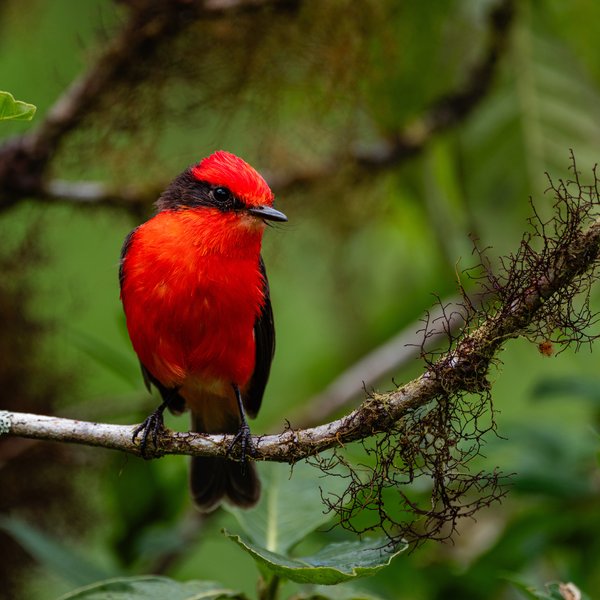
Mara Speece CDF
A key season for Landbirds in Galápagos
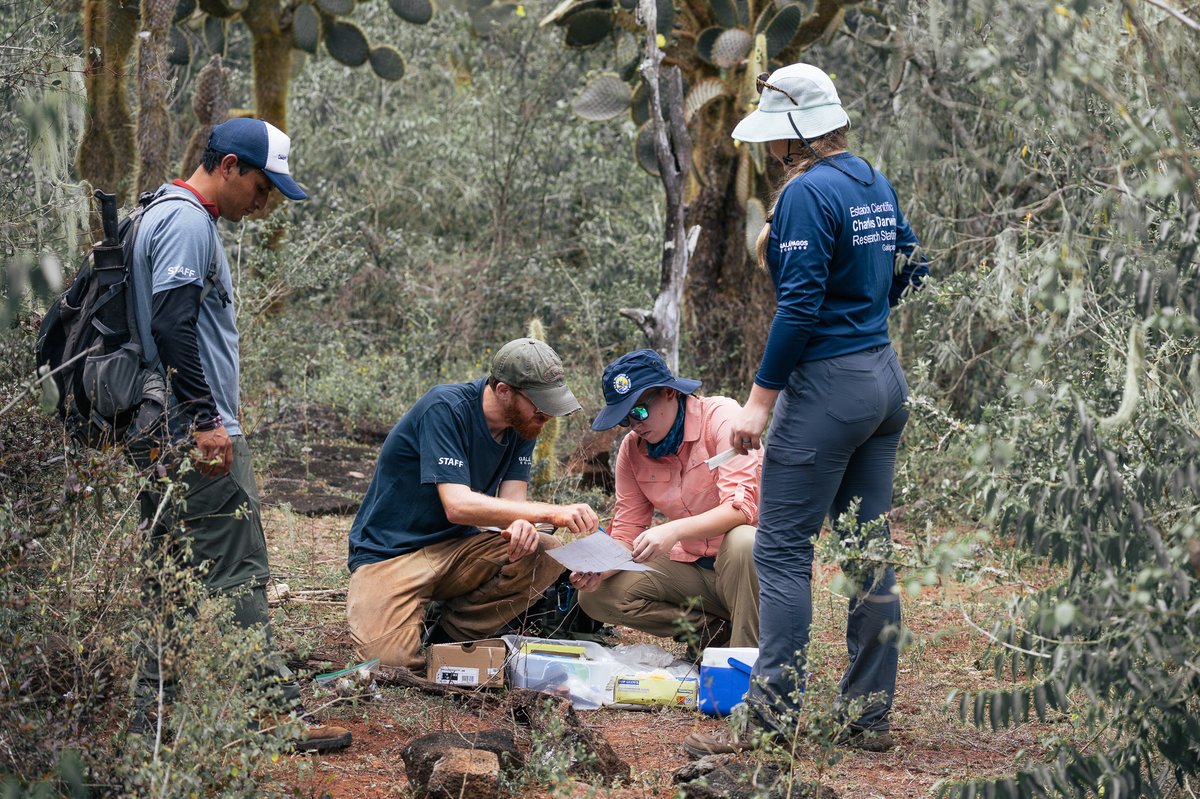
The Galápagos landbird breeding season (January–April) is critical for conservation. Monitoring and adaptive management, including innovative control of Philornis downsi, are improving nesting success. Early results show population recovery in key species, supported by habitat restoration. Ongoing data collection will determine long-term effectiveness and guide future conservation strategies.
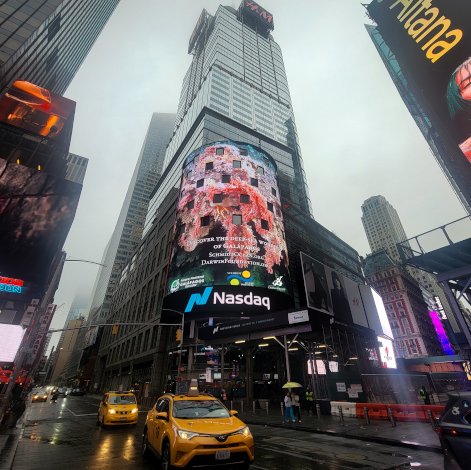
CDF raises awareness about ocean conservation in Times Square
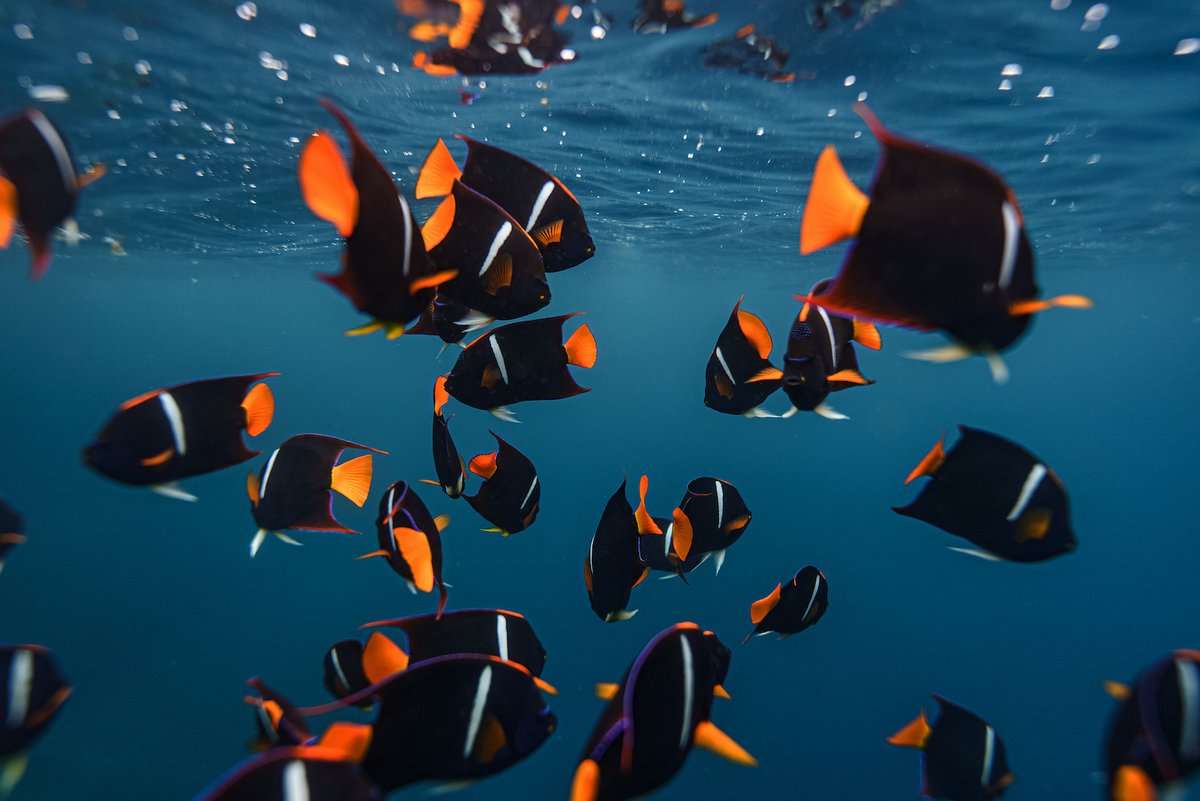
The Charles Darwin Foundation raises awareness about ocean conservation in Times Square
Carlos Espinosa/CDF