Results
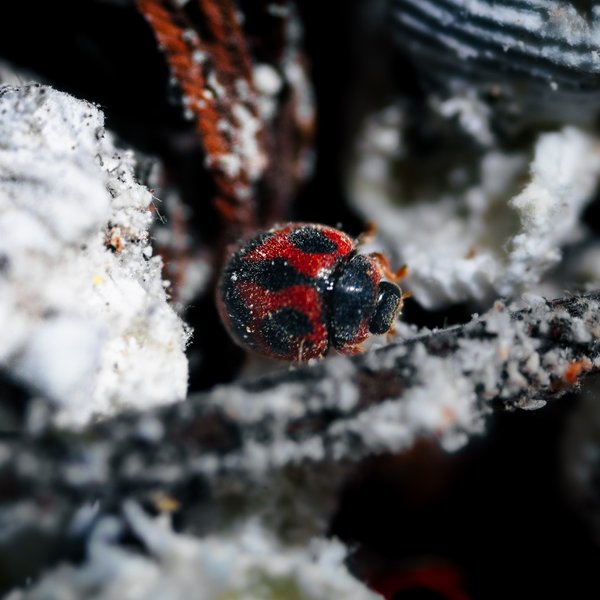
In the heart of the Galapagos Islands, a tiny, unexpected hero emerged in 2002 that would change the course of conservation. The Australian ladybug (Novius cardinalis), small in size but immensely effective, became a crucial ally in the fight against an invasive insect that threatened to devastate the endemic flora of these islands. This is the story of how science, innovation, and nature itself came together to help preserve one of the most valuable biological treasures on the planet.
In the heart of the Galapagos Islands, a tiny, unexpected hero emerged in 2002 that would change the course of conservation. The Australian ladybug (Novius cardinalis), small in size but immensely effective, became a crucial ally in the fight against an invasive insect that threatened to devastate the endemic flora of these islands. This is the story of how science, innovation, and nature itself came together to help preserve one of the most valuable biological treasures on the planet.
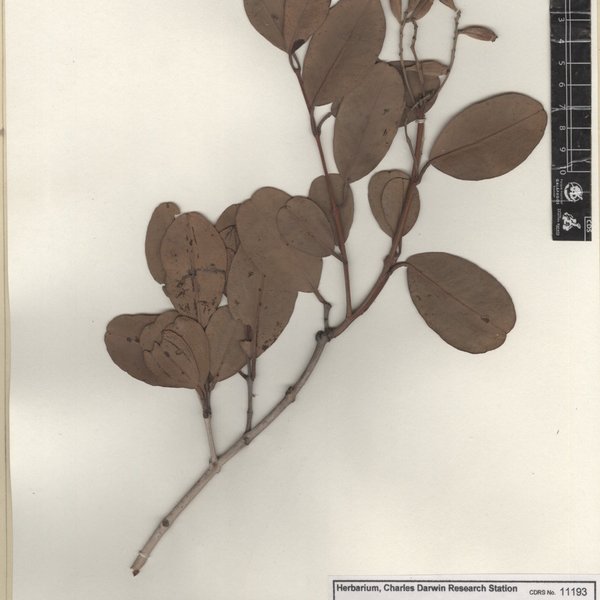


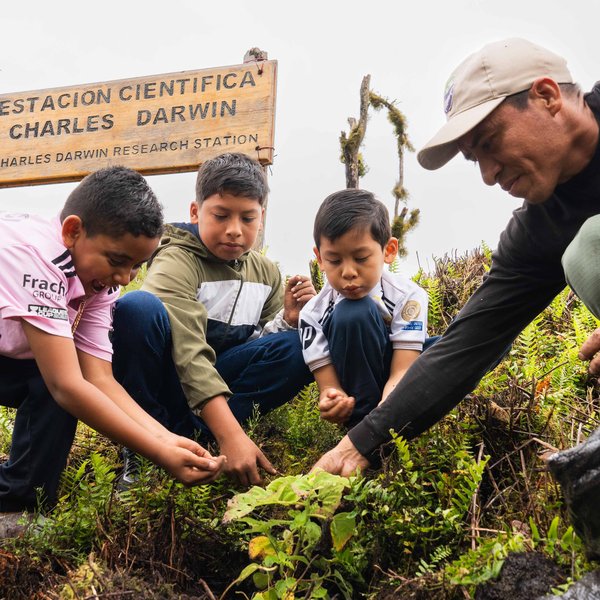
Discover the revival of Isabela Island’s historic Children’s Forest, a once-forgotten sanctuary of the endangered Scalesia cordata. From its origins with Don Jacinto to today’s community-led restoration, this story reconnects generations through conservation, memory, and hope. Click to explore how a beloved forest is coming back to life.
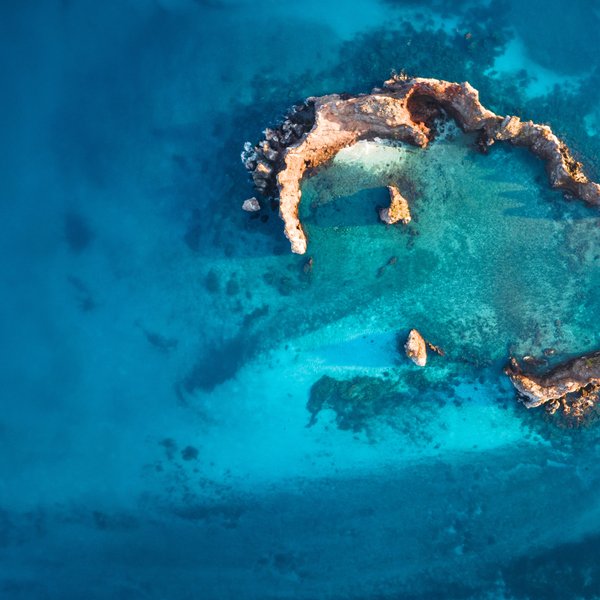
The Charles Darwin Foundation will attend the third UN Ocean Conference and the One Ocean Science Congress in Nice, co-hosting and speaking at events across the Blue and Green Zones. Join us as we highlight marine science, regional collaboration, and urgent action for ocean conservation.
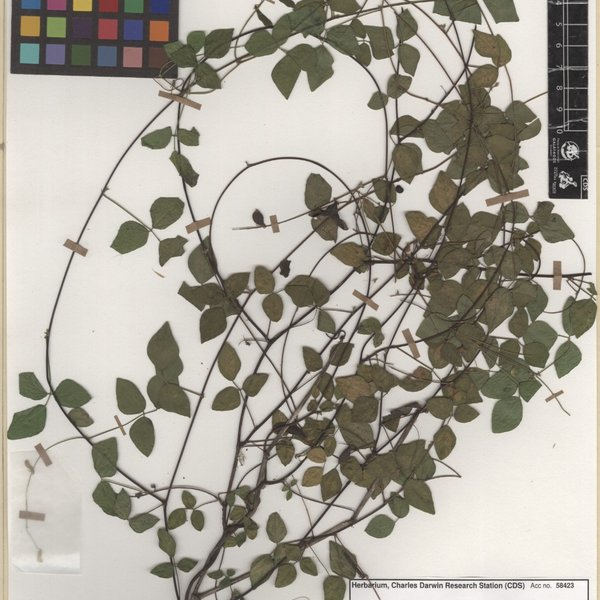
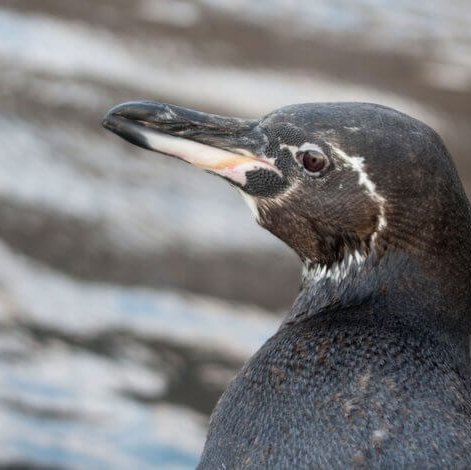
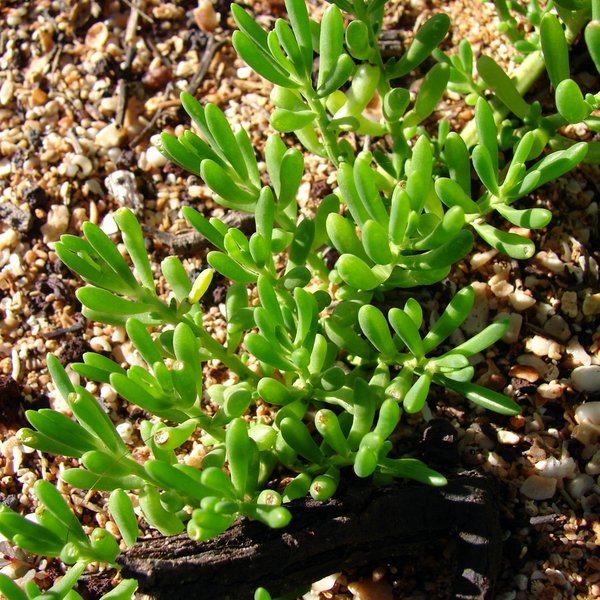
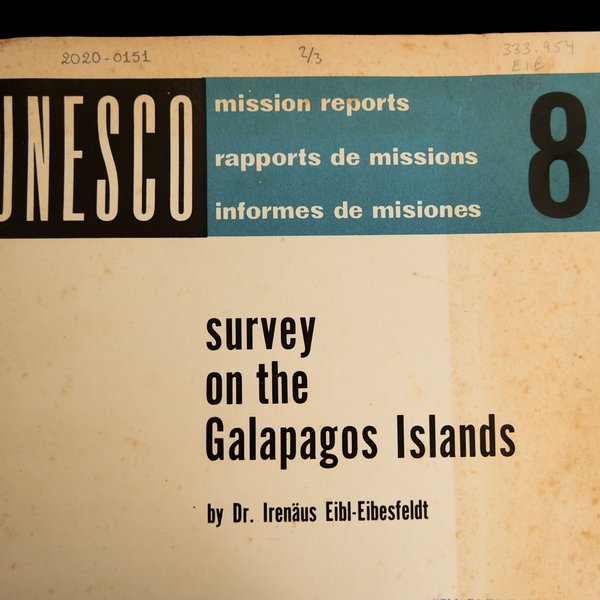
The conservation of Galápagos began in the 1950s, when scientists first raised concerns about threats to the islands’ unique biodiversity. This period led to the creation of the Charles Darwin Foundation and the Galápagos National Park in 1959.