Results
Scientists Discover a Novel Herpesvirus in Galapagos Pink Land Iguana
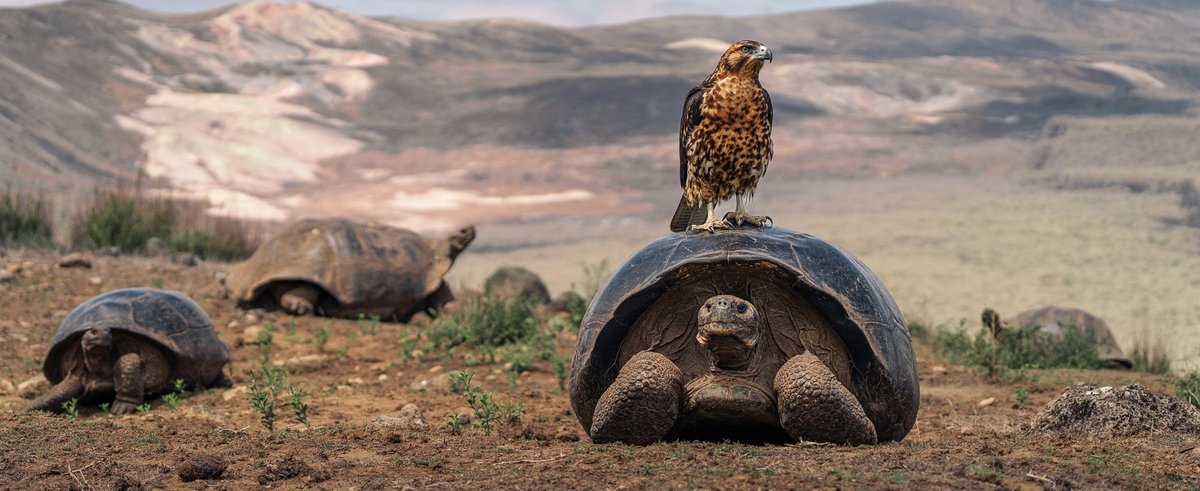
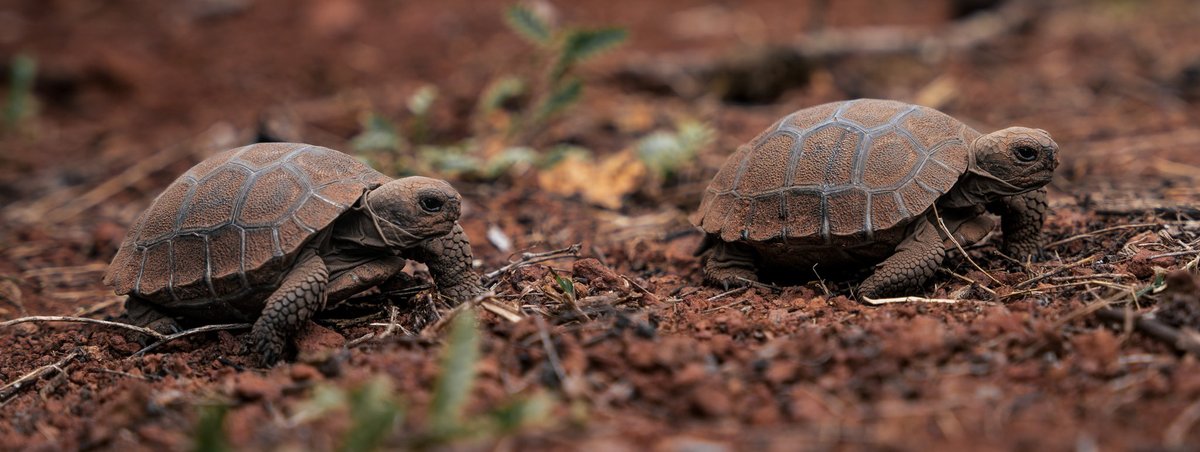
Two groundbreaking studies led by Stephen Blake, Ph.D., assistant professor of biology at Saint Louis University and Sharon L. Deem, DVM, Director of Saint Louis Zoo Institute for Conservation Medicine, in collaboration with the Charles Darwin Foundation (CDF) and teams of multidisciplinary scientists shed light on crucial aspects of the conservation of two critically endangered giant tortoise species endemic to the Island of Santa Cruz, Chelonoidis porteri and Chelonoidis donfaustoi. Both studies offer valuable insights into the challenges these emblematic species face and the strategies needed to ensure their survival in the face of potential future habitat alteration and climate change.
The world conservation movement and the Galapagos Islands lost a passionate supporter, pioneering conservationist, mentor and friend with the death of Dr. Craig George MacFarland in April 2025.
Dr. Syuzo Itow, a Japanese botanist and professor at Nagasaki University, was a key figure in the study of Galápagos. He researched the Scalesia forests, helped secure long-term support for botanical work at the Charles Darwin Foundation, and in 2005 founded the Japanese Association of Friends of Galápagos (JAGA), fostering scientific and cultural exchange between Japan, Galápagos, and the Ogasawara Islands.
Floreana, the first inhabited island in Galapagos, faces significant environmental challenges due to both direct and indirect human impacts. However, thanks to the coordinated efforts of its community, research groups, local and international conservation organizations, authorities, protected area managers, and donors, it has become a symbol of collective action and hope for the restoration of the archipelago’s biodiversity.
Join the Pristine Galapagos Society and become part of the history books of the Galapagos Islands
Floreana, the first inhabited island in Galapagos, faces significant environmental challenges due to both direct and indirect human impacts. However, thanks to the coordinated efforts of its community, research groups, local and international conservation organizations, authorities, protected area managers, and donors, it has become a symbol of collective action and hope for the restoration of the archipelago’s biodiversity.