Results
Ushering in a new chapter for ocean governance ratification of the BBNJ agreement.
Galápagos faces increasing tourism pressures that threaten its unique ecosystems. This report reviews seven international case studies to identify effective visitor-management tools—such as quotas, zoning, monitoring, and community engagement—and evaluates their relevance for Galápagos.
- Date:
- 2025
- Language:
- English
Floreana Island’s past is a gripping tale of utopian dreams undone by invasive species that devastated its wildlife and community. Today, its residents are leading one of the world’s most ambitious restoration efforts—reviving ecosystems, returning lost species, and reshaping their future. Discover the real drama behind Eden and Floreana’s remarkable comeback.
As threats to oceans intensify, bridging science and policy is key to protecting migratory species. This piece explores how UN conventions like CMS translate research into action, spotlighting efforts to uplist the Critically Endangered scalloped hammerhead shark and strengthen international conservation through collaboration, evidence, and policy innovation.
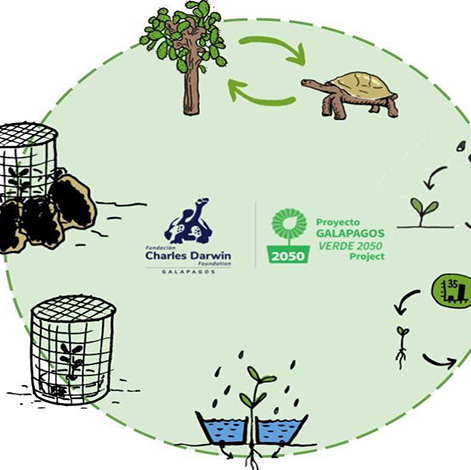
Find our the latest ecological restoration milestones of CDF's Galapagos Verde 2050 team in Floreana Island and how it is contributig to...
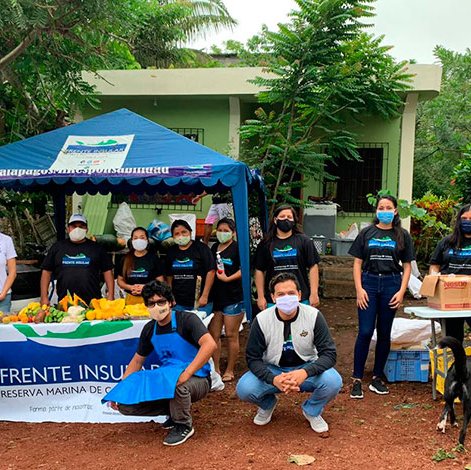
At the Charles Darwin Foundation, we believe that sustainable conservation depends on the involvement of the local community. Our goal is to inspire future generations of local conservation leaders, and embed conservation and sustainable development in the local culture.
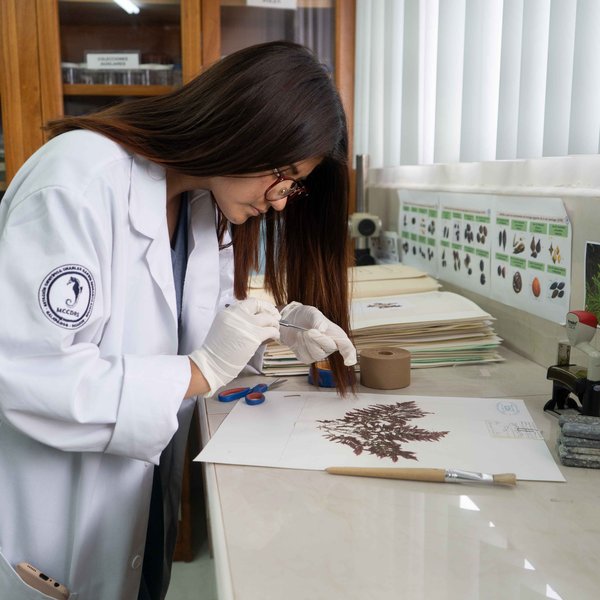
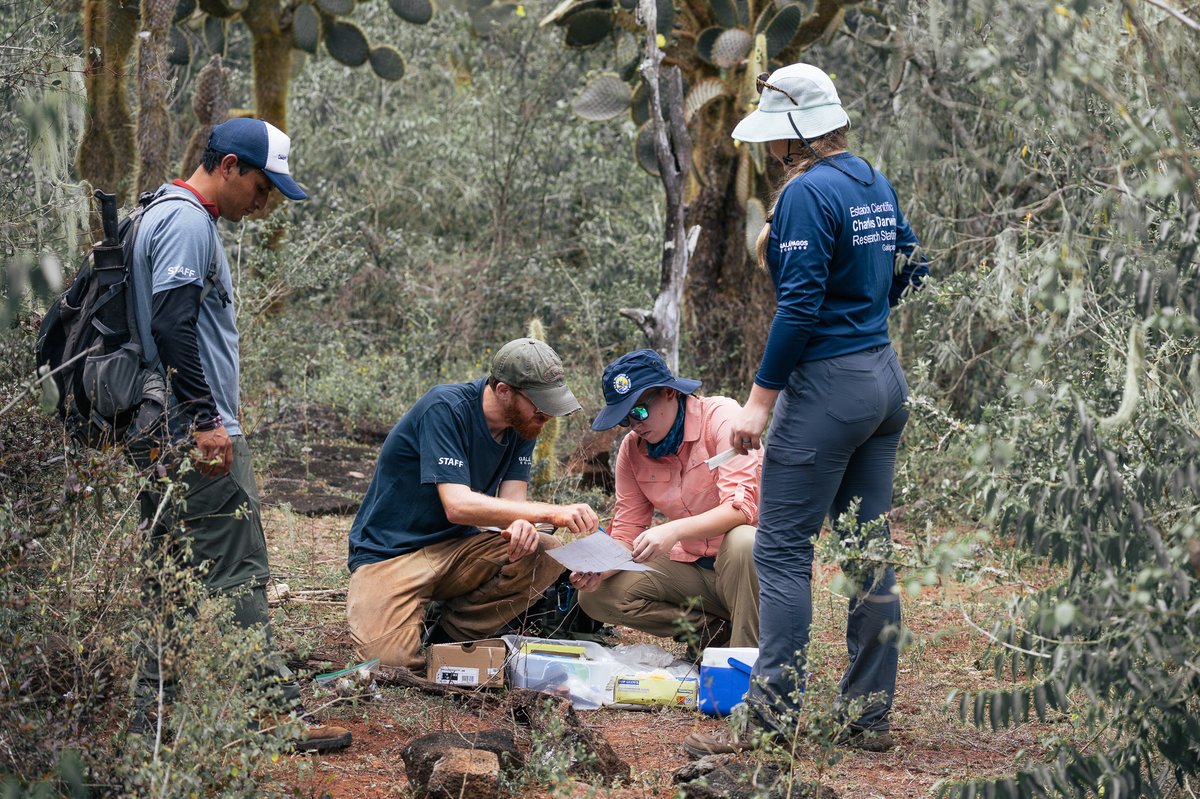
In November 2020, I joined the Galapagos Verde 2050 (GV2050) team during an exciting time. The team had just returned from an expedition to Punta Manzanillo on Española Island, where they had rediscovered a small population of Lecocarpus lecocarpoides, a species thought to be locally extinct. With 50 precious seeds collected, I was given a mission: to use these seeds to help recover the only population of this endangered species on the island.