Results
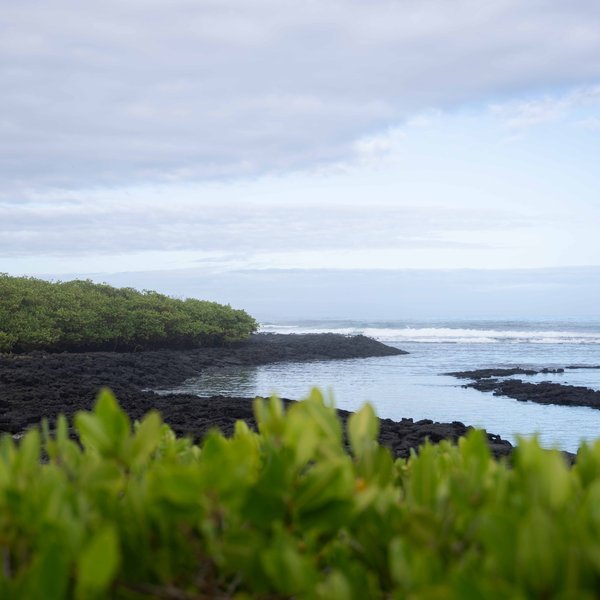
Scientists from the Charles Darwin Foundation (CDF) have, for the first time, assessed the conservation status of mangrove ecosystems in the Galápagos Islands using the Red List of Ecosystems methodology developed by the International Union for Conservation of Nature (IUCN). The study concludes that this ecosystem is classified as Vulnerable, underscoring the urgency of its conservation. The full report is available in the EcoEvoRxiv repository.
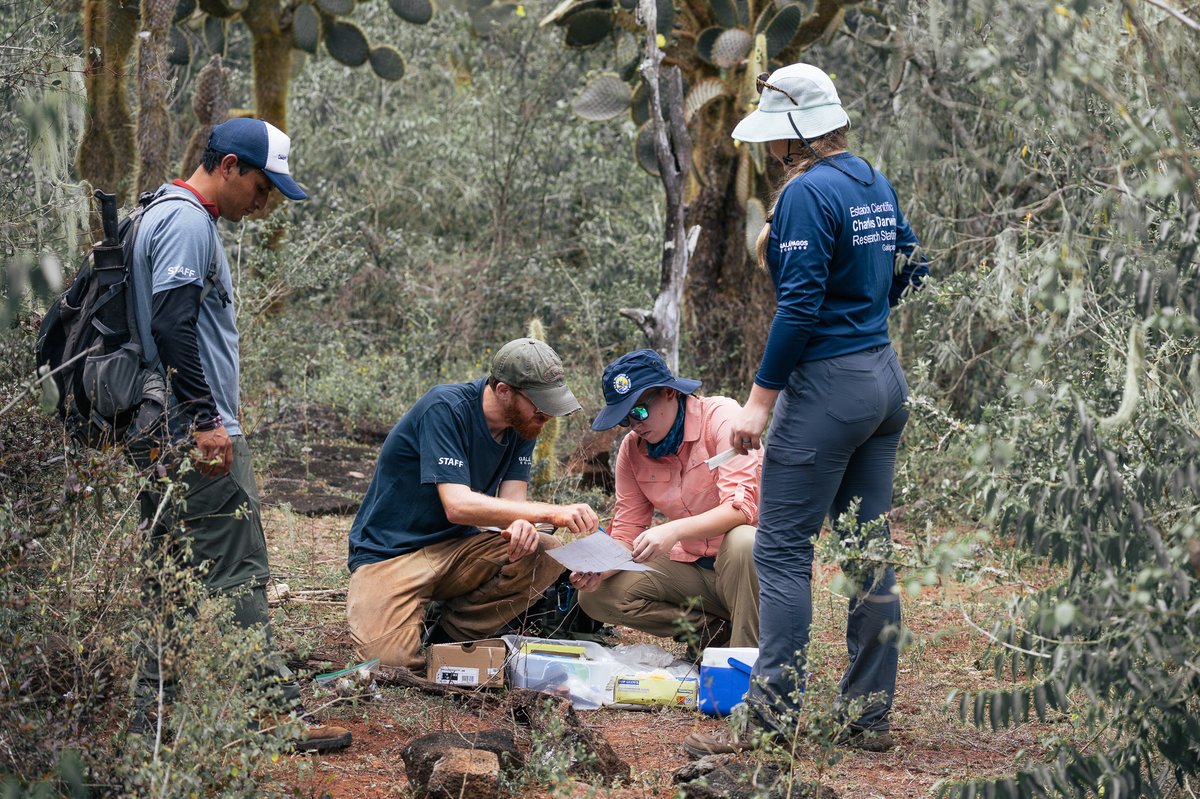
Today, I find myself here, by the sea, writing about my experience living on an island. It all started when I was searching for an opportunity, and I found a living dream instead: volunteering in the Galápagos. I applied to the Landbird Conservation Program of the Charles Darwin Foundation and had the privilege of becoming part of their team.Today, I find myself here, by the sea, writing about my experience living on an island. It all started when I was searching for an opportunity, and I found a living dream instead: volunteering in the Galápagos. I applied to the Landbird Conservation Program of the Charles Darwin Foundation and had the privilege of becoming part of their team.
Scientists from the Charles Darwin Foundation (CDF) have, for the first time, assessed the conservation status of mangrove ecosystems in the Galápagos Islands using the Red List of Ecosystems methodology developed by the International Union for Conservation of Nature (IUCN). The study concludes that this ecosystem is classified as Vulnerable, underscoring the urgency of its conservation. The full report is available in the EcoEvoRxiv repository.
A groundbreaking study across seven marine protected areas in the Eastern Tropical Pacific reveals thriving shark and predator populations in remote island MPAs like Galapagos and Malpelo, while coastal reserves are severely depleted. Discover what this means for ocean protection, why it matters, and the urgent actions scientists recommend.
Silky shark's record-breaking migration of more than 27,000 km on the Tropical Eastern Pacific sheds light on urgent conservation need
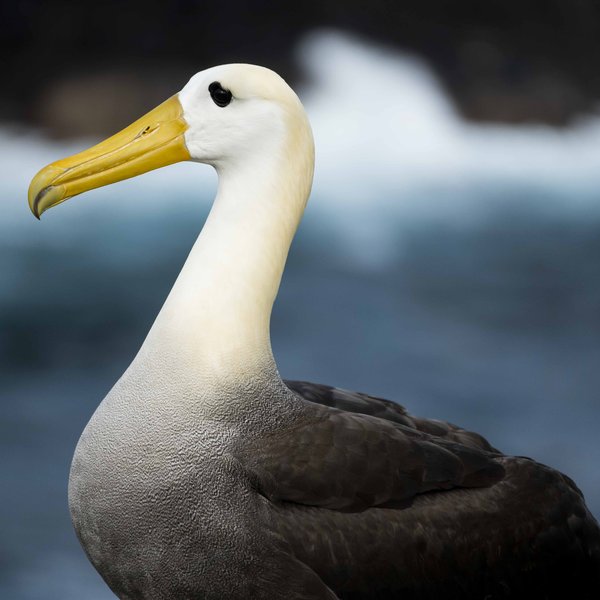
Lessons from the Field: A Five-Day Expedition with Galapagos Waved Albatross on Española Island
Researchers from the Charles Darwin Foundation and the Galapagos National Park have published the first confirmed record of a white shark in Ecuadorian waters. The encounter, roughly ninety kilometers west of Wolf Island and outside the Galapagos Marine Reserve (GMR), marks an unusual sighting of this species in the Eastern Tropical Pacific, where sightings south of Mexico's coastline are exceptionally rare.
The Board of the Charles Darwin Foundation for the Galapagos Islands (“CDF”) is pleased to announce the appointment of Lúcia G. Lohmann, Andrew Balfour, and Mary C. Pearl to its Board of Directors, with immediate effect. Each new member brings unique expertise and a deep commitment to CDF’s mission of safeguarding the Galapagos Islands through science and conservation.