Results
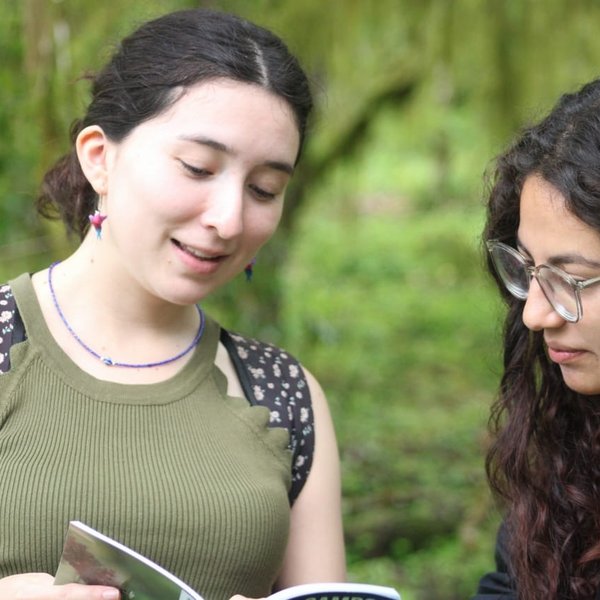
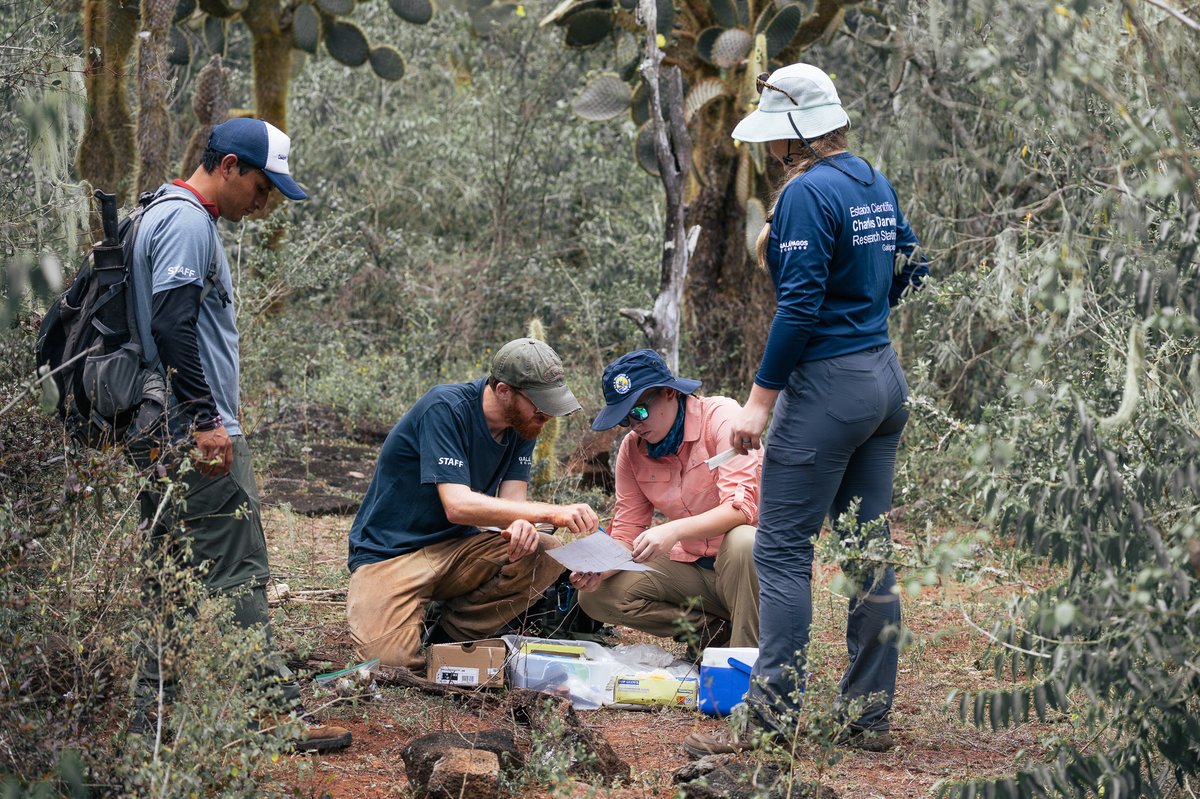
Today, I find myself here, by the sea, writing about my experience living on an island. It all started when I was searching for an opportunity, and I found a living dream instead: volunteering in the Galápagos. I applied to the Landbird Conservation Program of the Charles Darwin Foundation and had the privilege of becoming part of their team.Today, I find myself here, by the sea, writing about my experience living on an island. It all started when I was searching for an opportunity, and I found a living dream instead: volunteering in the Galápagos. I applied to the Landbird Conservation Program of the Charles Darwin Foundation and had the privilege of becoming part of their team.
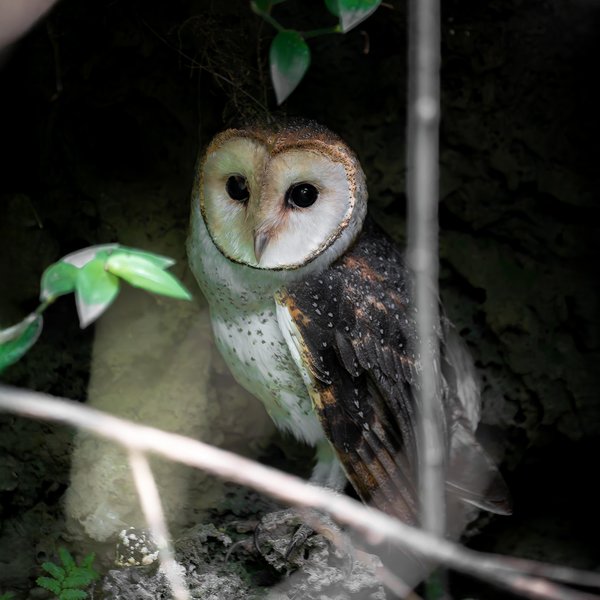
With a heart-shaped face and silent wings, the Galapagos barn owl is a quiet force of balance in the archipelago’s ecosystems. Endemic to the Islands, this elusive predator controls invasive rodent populations, supporting the survival of critically endangered species and ongoing ecological restoration. In the shadows of lava tunnels and forest canopies, it hunts with precision—and reminds us that even the smallest wings can carry the weight of conservation.
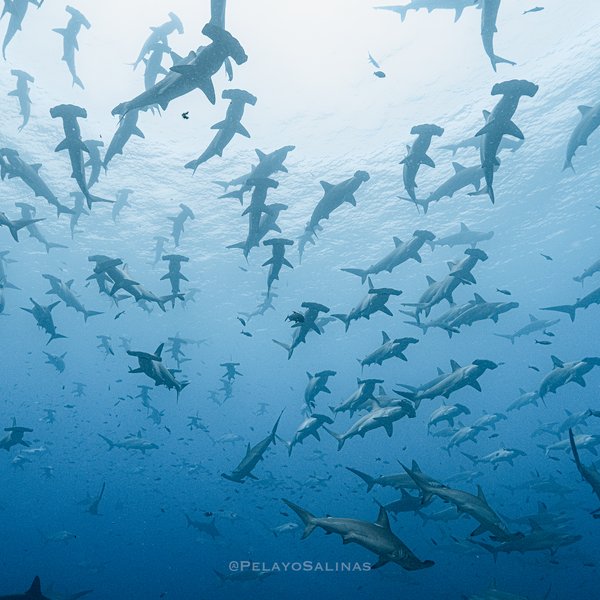
A groundbreaking study across seven marine protected areas in the Eastern Tropical Pacific reveals thriving shark and predator populations in remote island MPAs like Galapagos and Malpelo, while coastal reserves are severely depleted. Discover what this means for ocean protection, why it matters, and the urgent actions scientists recommend.
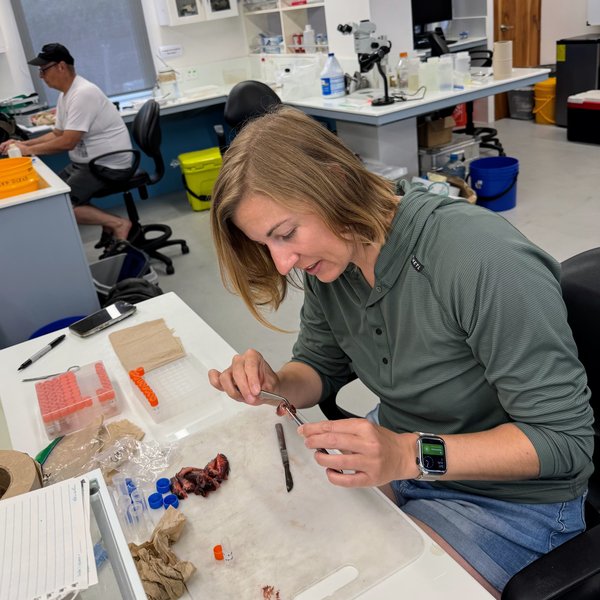
Savanna Barry, a collaborating scientist joined the Charles Darwin Foundation to study invasive frogs, restore endangered Scalesia forests, and dive into coral reef research. From field transects to fish dissections, these field notes reveal the science, mentorship, and conservation challenges shaping the future of the Galápagos.
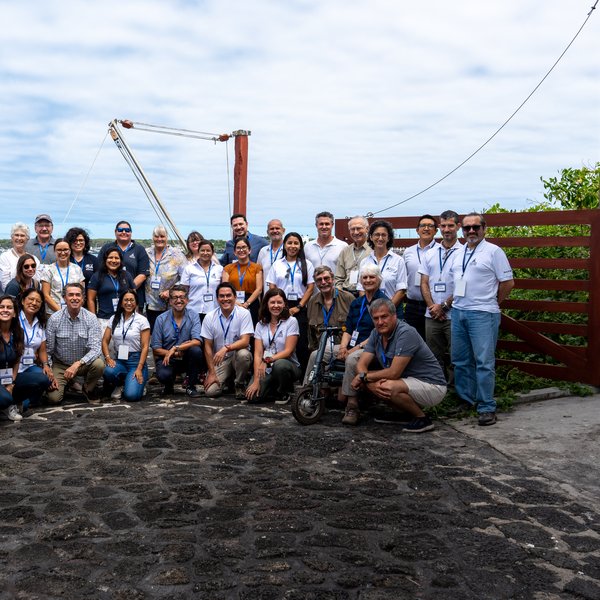
The Charles Darwin Foundation’s 2025 Impact Report highlights a year of scientific discoveries, conservation milestones, ecological restoration, and institutional growth across Galápagos. From species recoveries to new research infrastructure and large-scale restoration efforts, discover how science, collaboration, and local capacity are shaping a more resilient future for the archipelago.
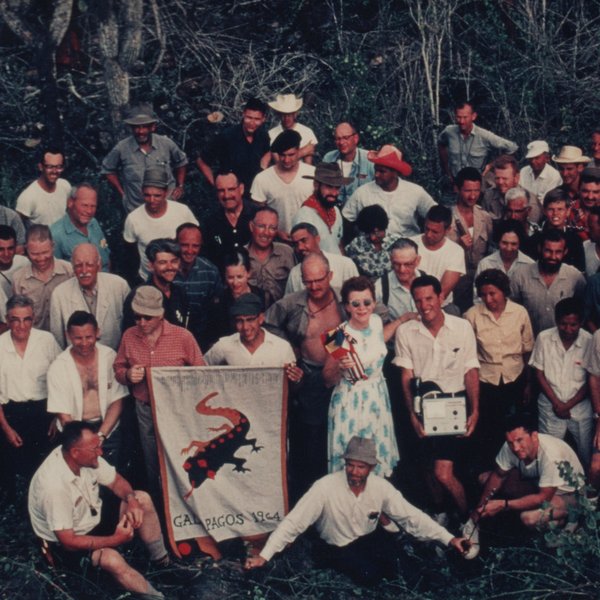
Discover the Charles Darwin Foundation, established in 1959 to protect the Galapagos Islands' fragile ecosystem. As the oldest and largest science and conservation organization in the archipelago, our Research Station leads efforts to preserve this unique environment through groundbreaking research and conservation milestones.
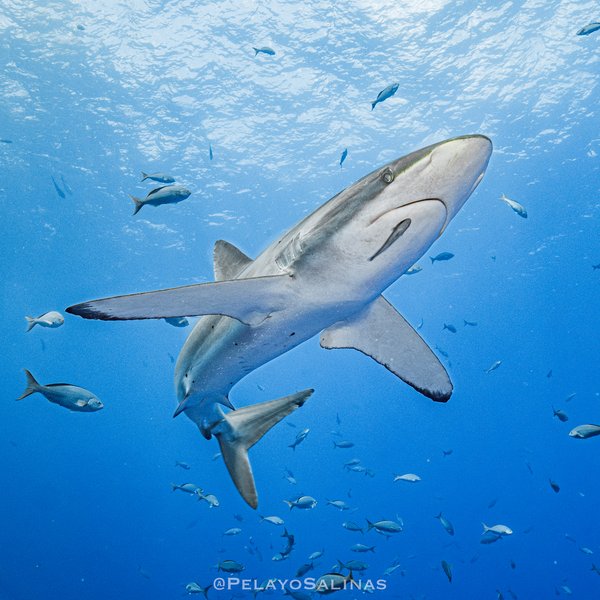
Silky shark's record-breaking migration of more than 27,000 km on the Tropical Eastern Pacific sheds light on urgent conservation need
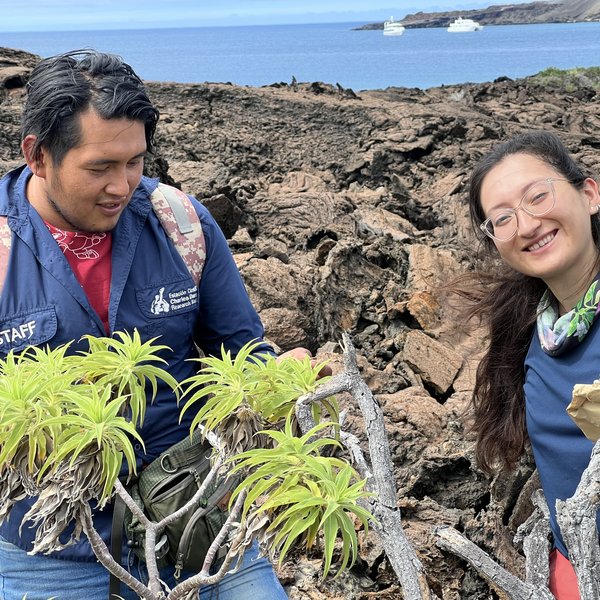
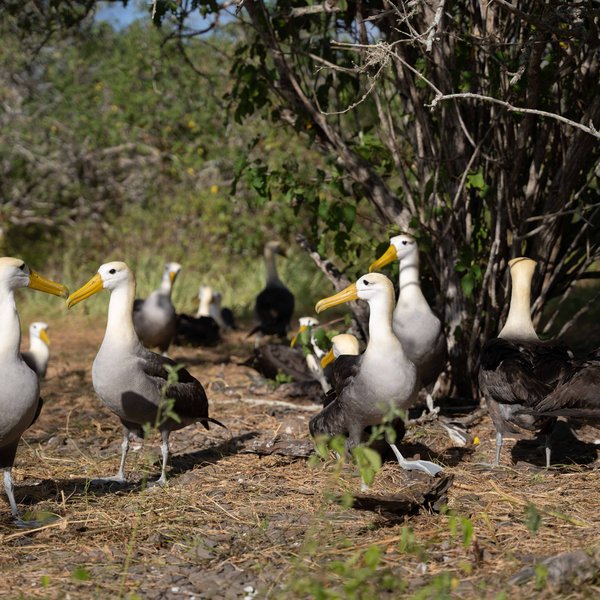
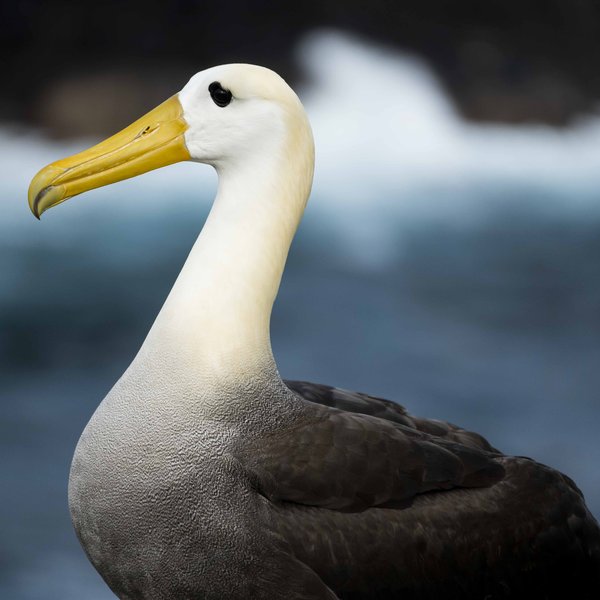
Lessons from the Field: A Five-Day Expedition with Galapagos Waved Albatross on Española Island

Phil van Haarlem was truly a force of nature. In celebration of his life, and to honour his time with us over the last 10 years, we have asked colleagues and friends to tell us their unique experience with Phil, whom we miss dearly.
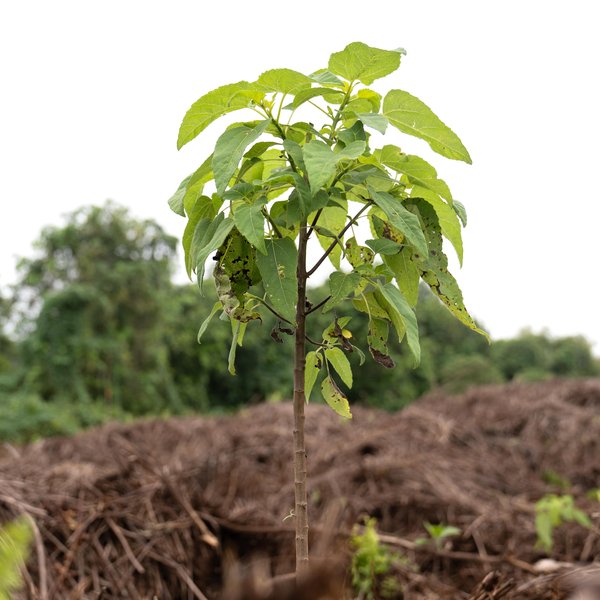
Park rangers from the Galapagos National Park Directorate (GNPD), in collaboration with scientists from the Charles Darwin Foundation (CDF), have discovered two new areas of Scalesia cordata on Sierra Negra volcano, located in southern Isabela Island. This discovery marks a significant milestone in the ongoing efforts to preserve this critically endangered species, which has seen its natural habitat severely reduced.
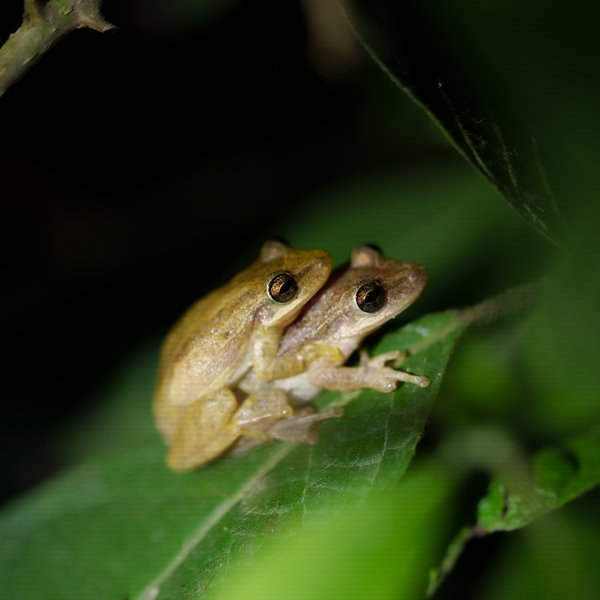
The Charles Darwin Foundation (CDF) is pleased to unveil the Galapagos Introduced Species Dashboard, the first open-access digital repository of information about species introduced to the Galapagos Islands.
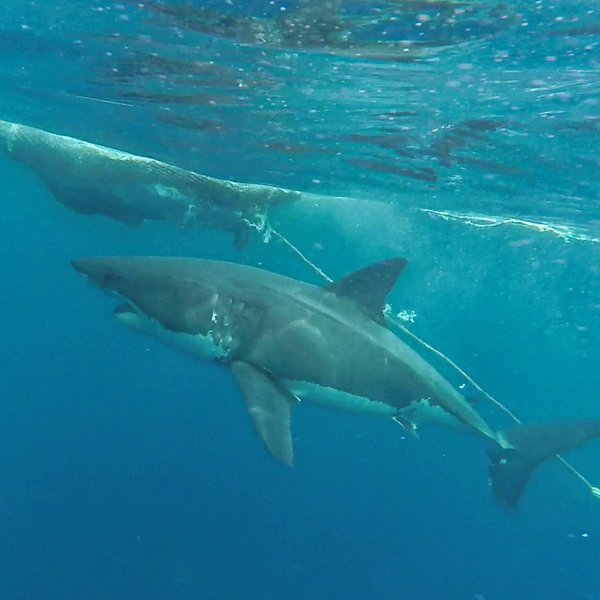
Researchers from the Charles Darwin Foundation and the Galapagos National Park have published the first confirmed record of a white shark in Ecuadorian waters. The encounter, roughly ninety kilometers west of Wolf Island and outside the Galapagos Marine Reserve (GMR), marks an unusual sighting of this species in the Eastern Tropical Pacific, where sightings south of Mexico's coastline are exceptionally rare.