Results
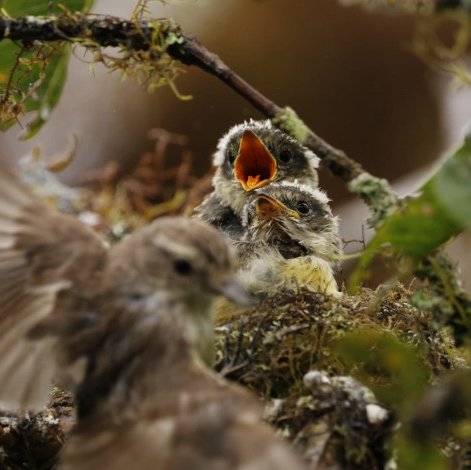
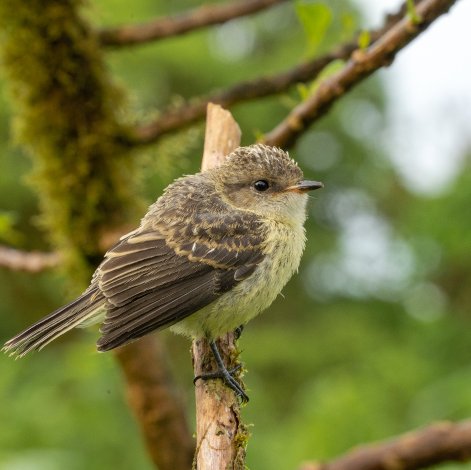
12 Little Vermilion Flycatcher chicks fledge the nest, in most successful nesting season yet in Santa Cruz Island
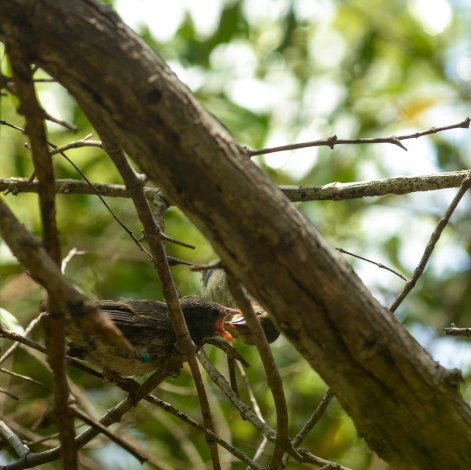
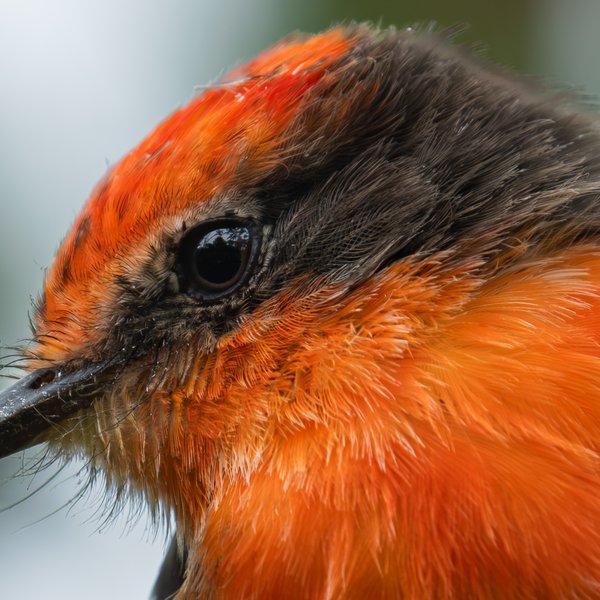
After more than a decade of conservation work, researchers have documented 56 fledglings so far in 2026 — with more nests still active
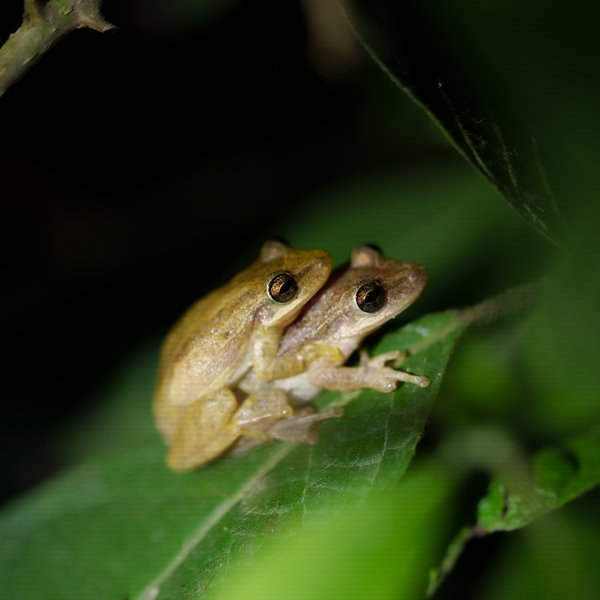
The Charles Darwin Foundation (CDF) is pleased to unveil the Galapagos Introduced Species Dashboard, the first open-access digital repository of information about species introduced to the Galapagos Islands.
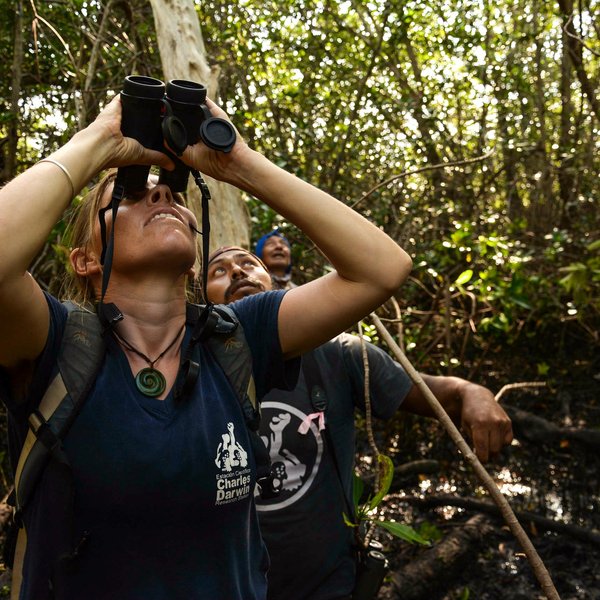
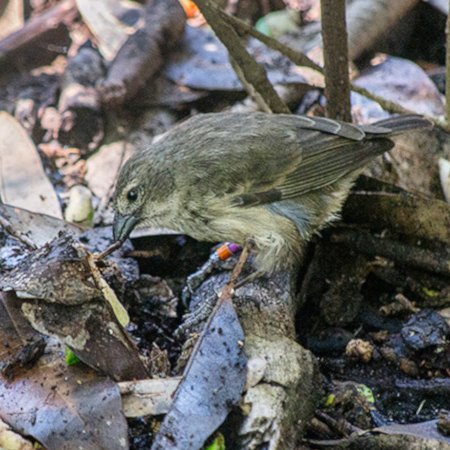
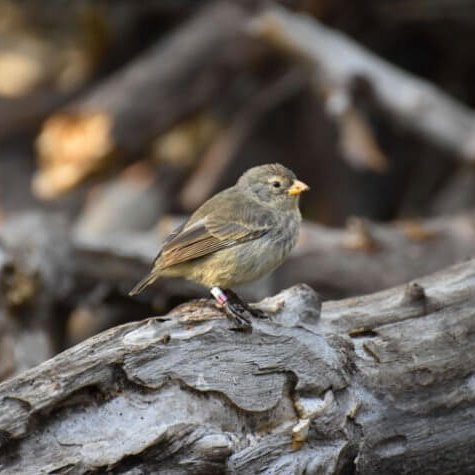
It is estimated that 20% of the populations of small landbirds found on the Galapagos Islands are declining or have gone locally extinct. Our scientists work to ensure the long-term conservation of small Galapagos landbird populations for the health of the islands’ ecosystems at large.
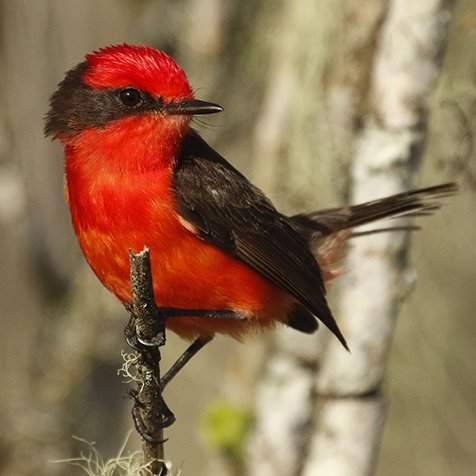
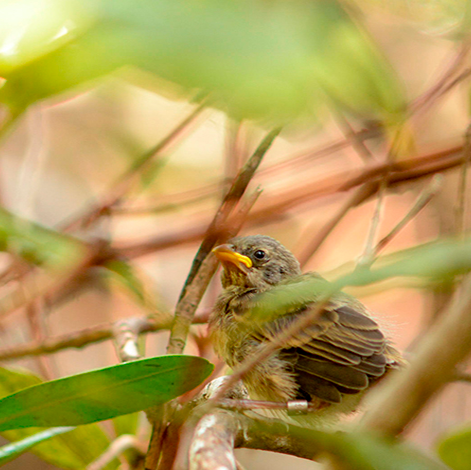
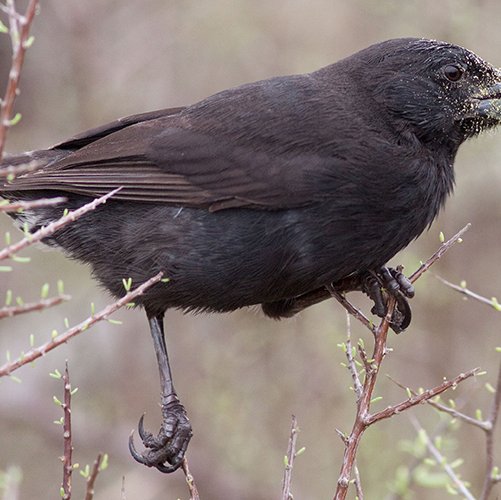
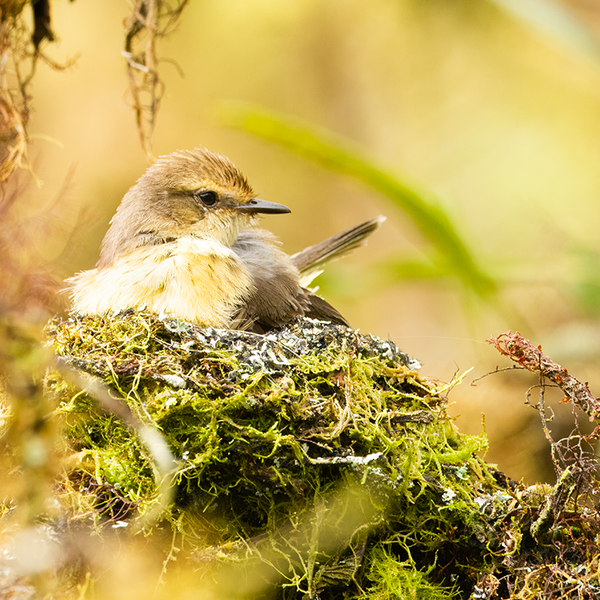
Record Year for Vermilion Flycatcher Season and Advances in the Recovery of the Mangrove Finch
October 3, 2023, marks the beginning of the implementation phase of the Floreana Ecological Restoration Project, the largest and most ambitious restoration initiative currently underway in the Galapagos Islands.
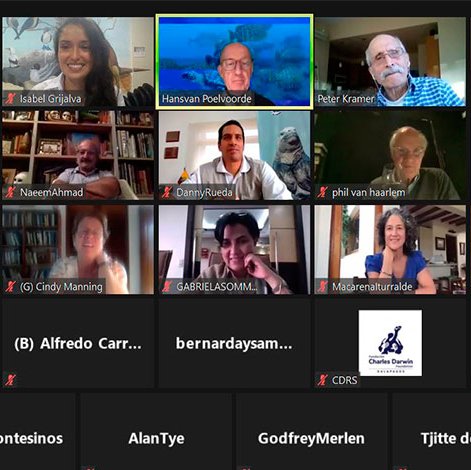
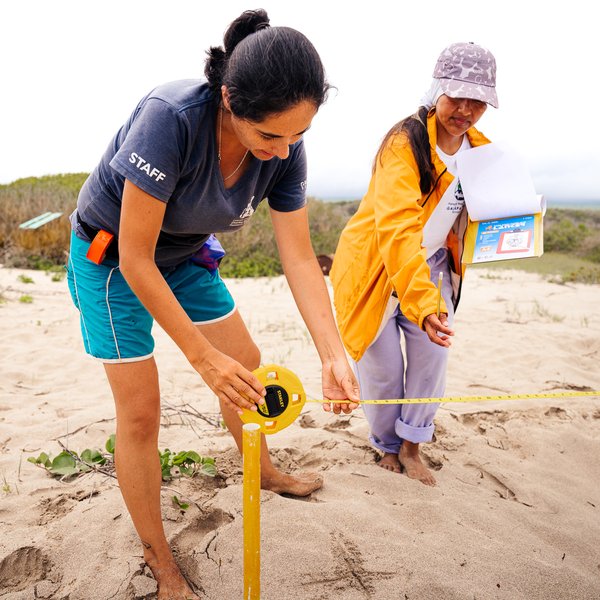
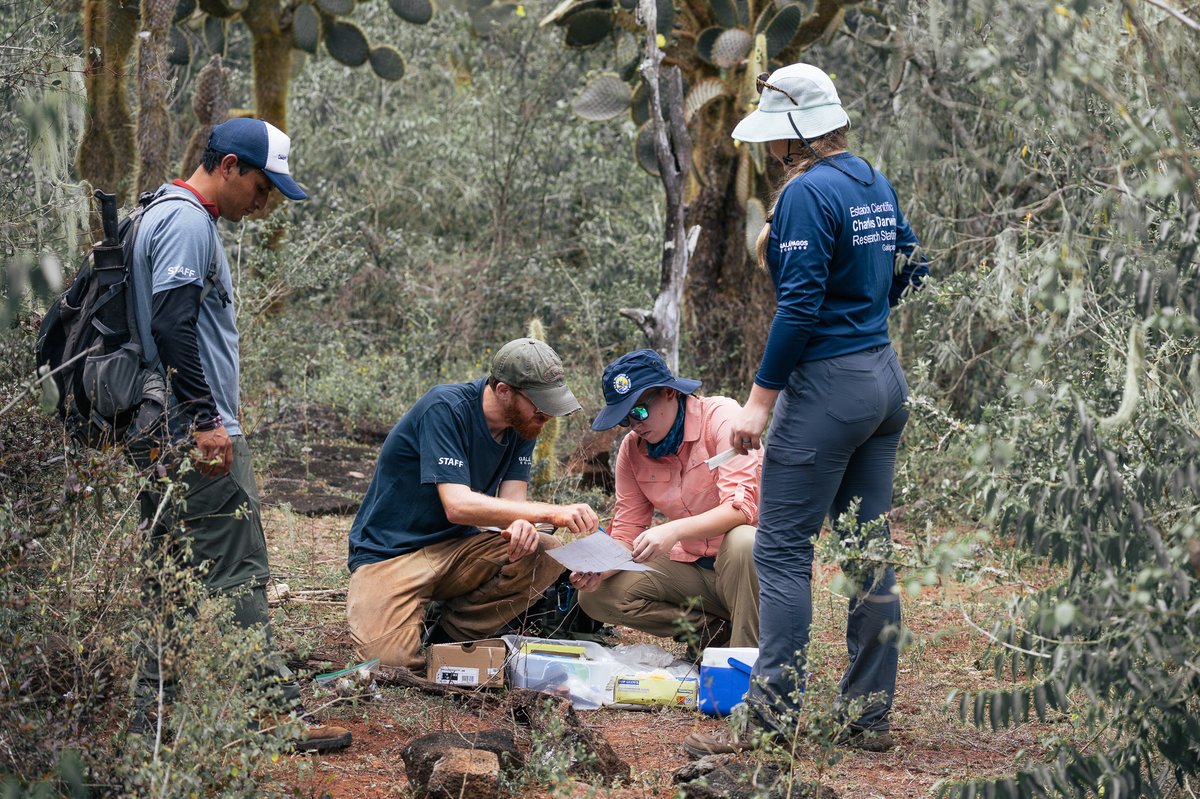
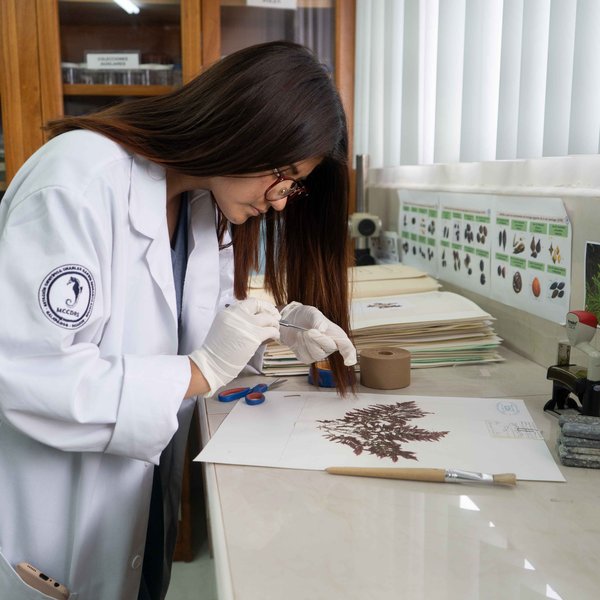
On February 11, we celebrate the International Day of Women and Girls in Science, a day to recognize the importance of strengthening female participation in science, especially in places like the Galapagos Islands. This archipelago, iconic for global conservation, has become a living laboratory where women and men work together to protect this unique ecosystem. The women of Galapagos, with their talent and dedication, demonstrate that conservation is stronger when everyone joins forces.
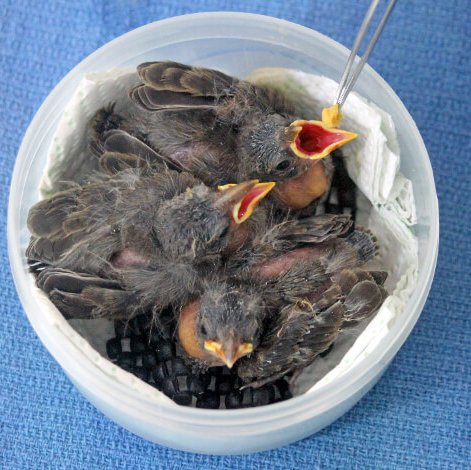
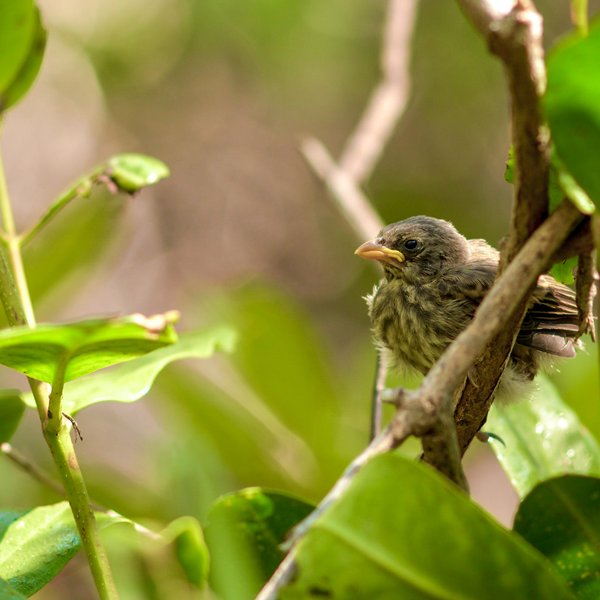
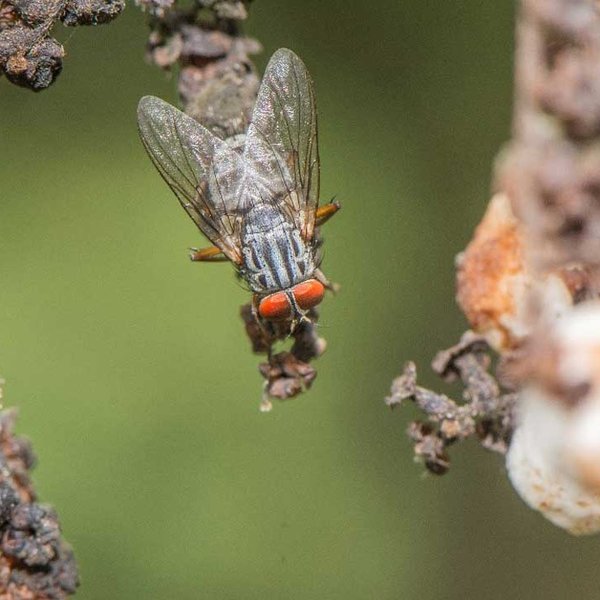
Scientists in Galápagos are tracing the origin of the invasive avian vampire fly to find a safe, long-term solution. This story follows a decade-long scientific journey into biological control—where patience, precaution, and nature itself may offer new hope for endemic birds on the brink.
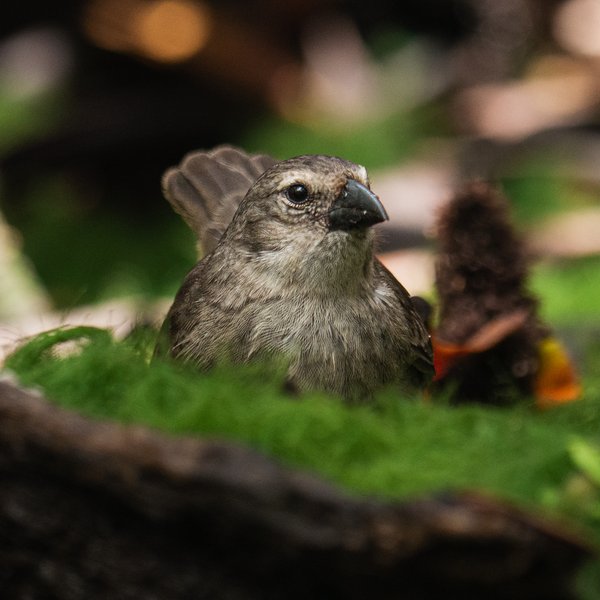
Scientists in Galápagos have recorded the most successful breeding season ever for the critically endangered Mangrove Finch, one of the world’s rarest birds. Discover how years of conservation work, innovative nest-protection strategies, and collaboration are offering new hope for this species’ survival in the remote mangrove forests of Isabela Island.