Results

Wolf, Kup, and Pinta are three detection dogs donated by the Charles Darwin Foundation to Ecuador’s National Police to strengthen efforts against illegal trafficking of protected species in Galápagos. Trained to detect biological material, these dogs represent an innovative conservation and control tool for safeguarding the archipelago’s biodiversity.

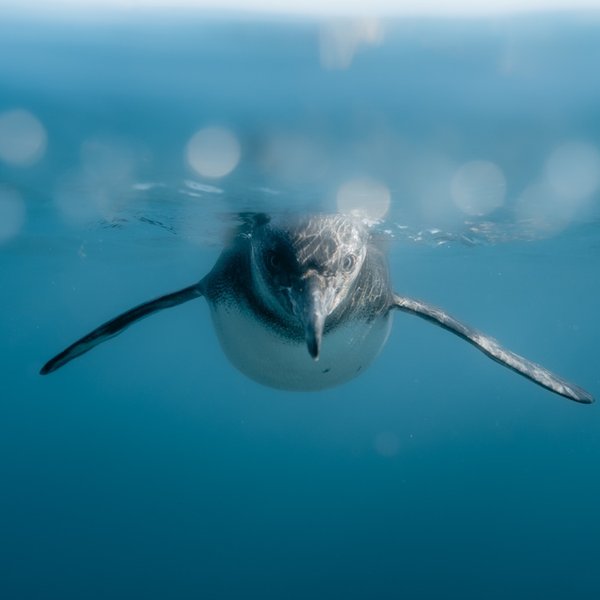
Meet the charming Galapagos penguin—the only wild penguin north of the equator and one of the most endangered. Discover how science, conservation, and your support through symbolic adoption can help protect this unique species. Click to learn how you can make a real difference for penguins and the planet.
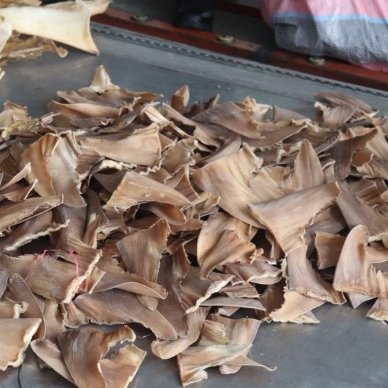
The seizure of 22,000 shark fins highlights contradictions in Ecuador’s shark trade. Although legal exports declined after CITES restrictions, shark landings remain high, much of the meat appears in domestic markets under different labels, and concerns over traceability, illegal trade, and fisheries governance continue to grow.
Together, we can ensure that the Galapagos Islands remain a beacon of biodiversity and scientific inspiration. Donate today!

At Quinta Playa, one of Galápagos’ most important sea turtle nesting sites, every hatchling faces a remarkable journey. Through rare photographs and firsthand experiences, discover the hidden challenges—from rising tides and predators to life beneath the sand—and the dedicated conservation work helping protect the vulnerable East Pacific green turtle.
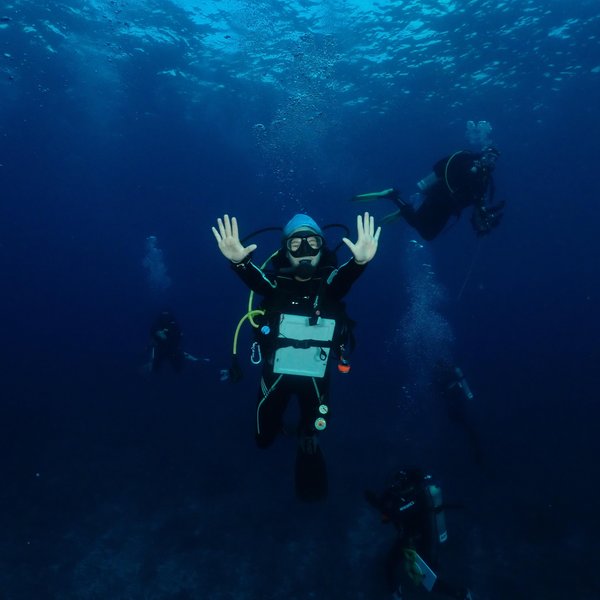
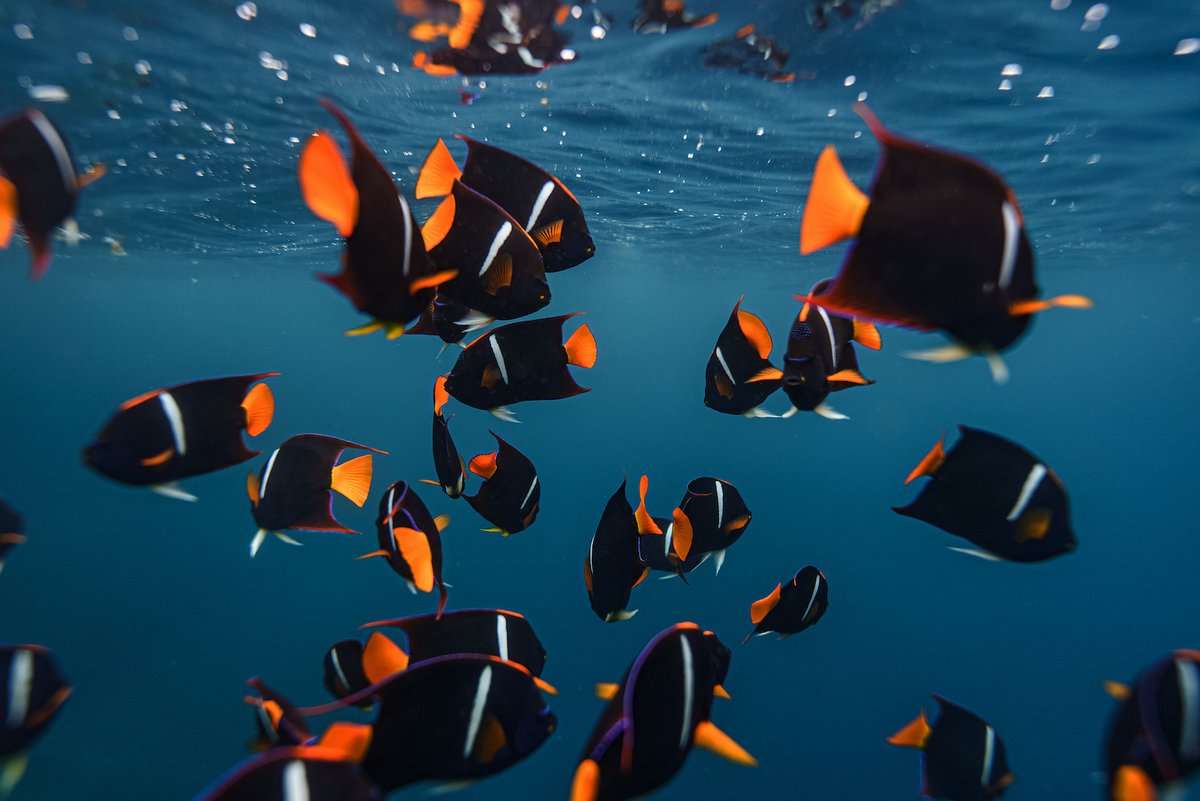
In the remote northern islands of Darwin and Wolf, science reveals a dramatic seasonal pulse beneath the waves. A new Charles Darwin Foundation study shows fish biomass triples in the cold season—driven by migrating scalloped hammerhead sharks. Discover how ocean currents shape one of Earth’s richest marine refuges.
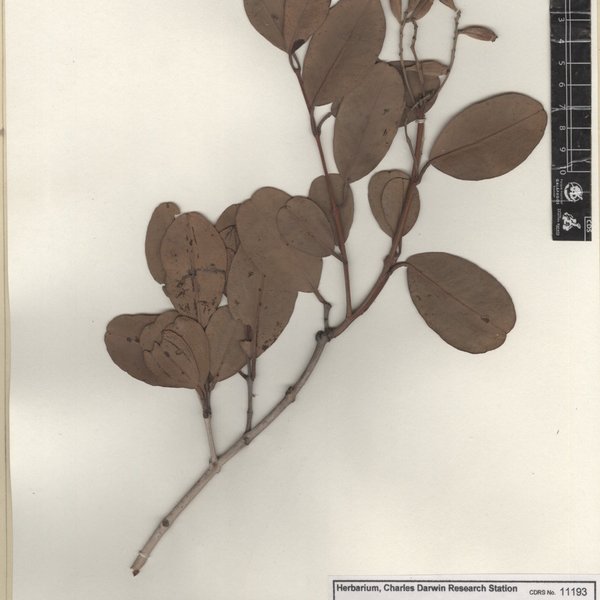
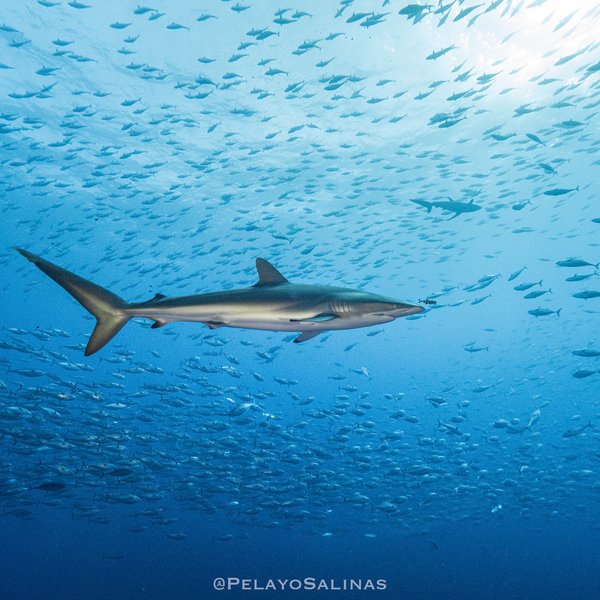
Dive into a powerful reflection on ocean decline—and the surprising places where hope still thrives. This story journeys from centuries-old seas teeming with life to today’s threatened oceans, revealing why Galápagos remains a living window into the past. Discover why witnessing these wonders fuels the fight to protect our blue planet.
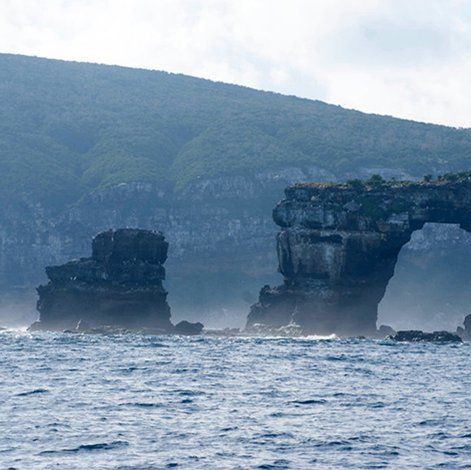
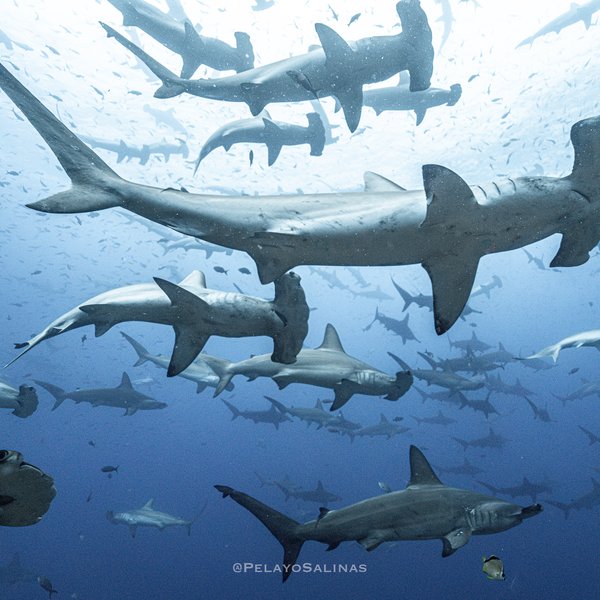
Sharks that migrate across oceans need global cooperation to survive. The Charles Darwin Foundation has joined the CMS Sharks Memorandum of Understanding as a Cooperating Partner, strengthening science-based conservation from Galápagos to the Eastern Tropical Pacific. Discover how this partnership advances research, policy, and collaboration to protect migratory sharks worldwide.
Leave a lasting legacy for Galapagos. Include the Charles Darwin Foundation in your will--free and in your control. Join the Pristine Society.
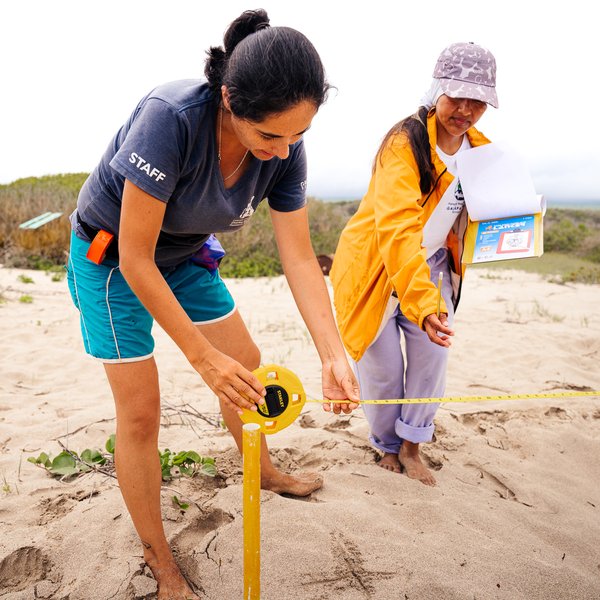
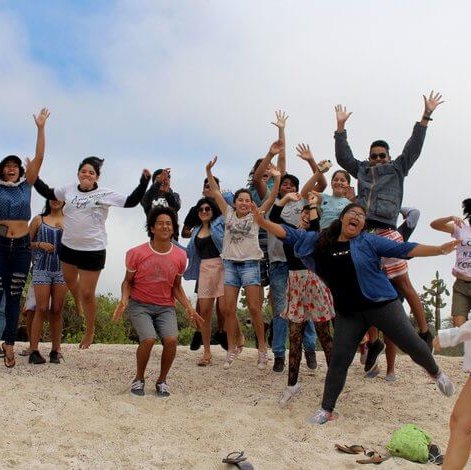
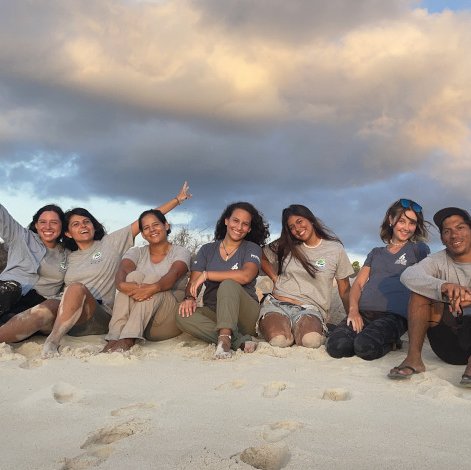
On February 11, we celebrate the International Day of Women and Girls in Science, a day to recognize the importance of strengthening female participation in science, especially in places like the Galapagos Islands. This archipelago, iconic for global conservation, has become a living laboratory where women and men work together to protect this unique ecosystem. The women of Galapagos, with their talent and dedication, demonstrate that conservation is stronger when everyone joins forces.
On February 11, we celebrate the International Day of Women and Girls in Science, a day to recognize the importance of strengthening female participation in science, especially in places like the Galapagos Islands. This archipelago, iconic for global conservation, has become a living laboratory where women and men work together to protect this unique ecosystem. The women of Galapagos, with their talent and dedication, demonstrate that conservation is stronger when everyone joins forces.
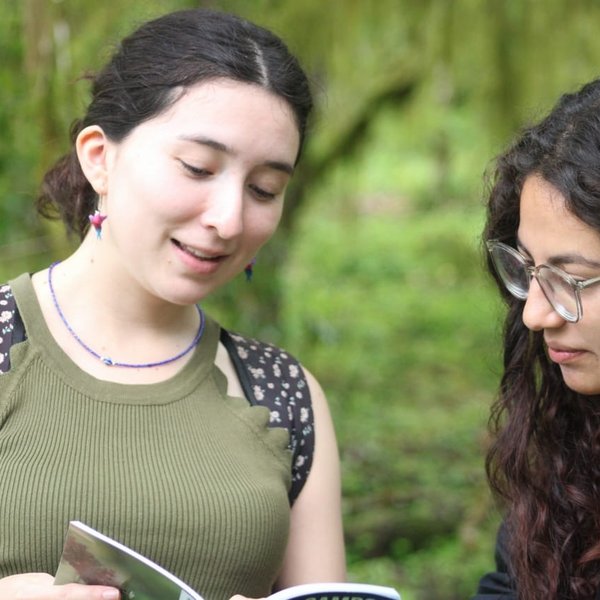
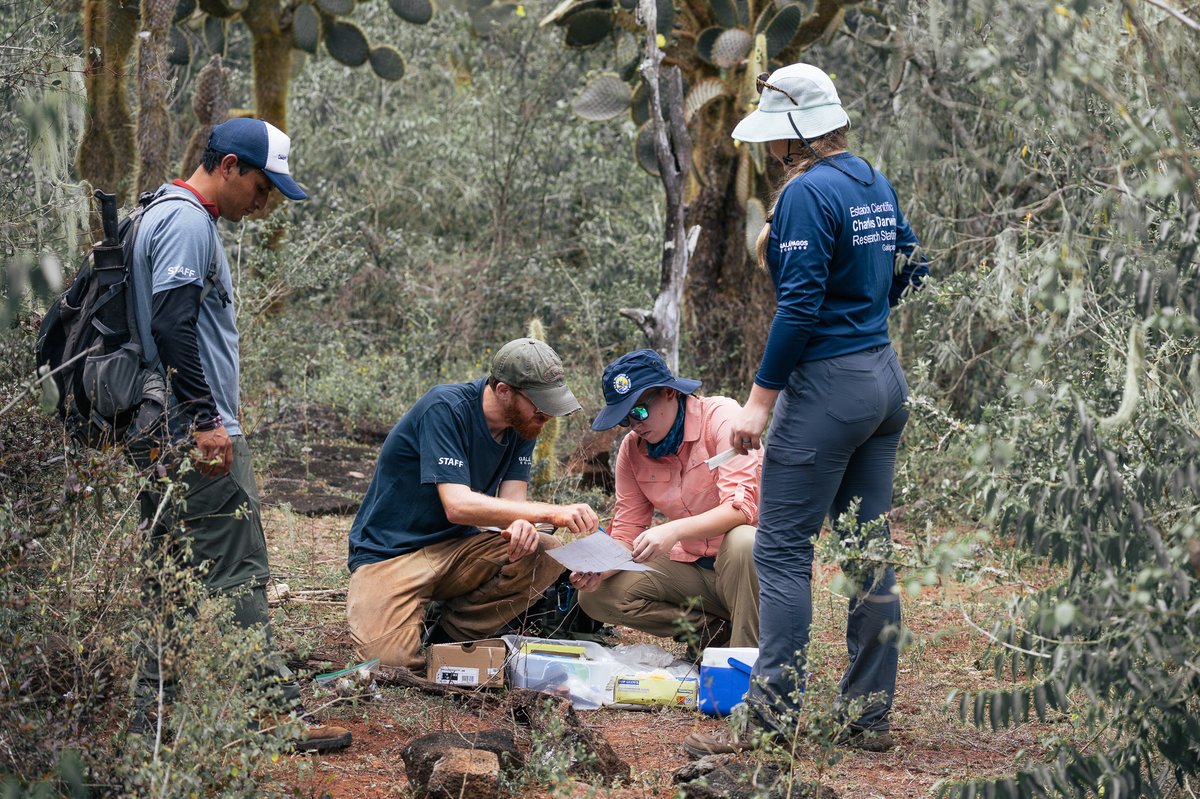
Today, I find myself here, by the sea, writing about my experience living on an island. It all started when I was searching for an opportunity, and I found a living dream instead: volunteering in the Galápagos. I applied to the Landbird Conservation Program of the Charles Darwin Foundation and had the privilege of becoming part of their team.Today, I find myself here, by the sea, writing about my experience living on an island. It all started when I was searching for an opportunity, and I found a living dream instead: volunteering in the Galápagos. I applied to the Landbird Conservation Program of the Charles Darwin Foundation and had the privilege of becoming part of their team.