Results
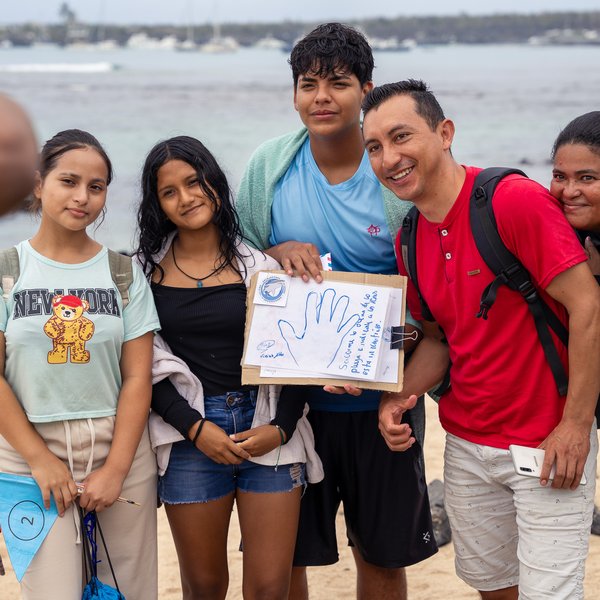
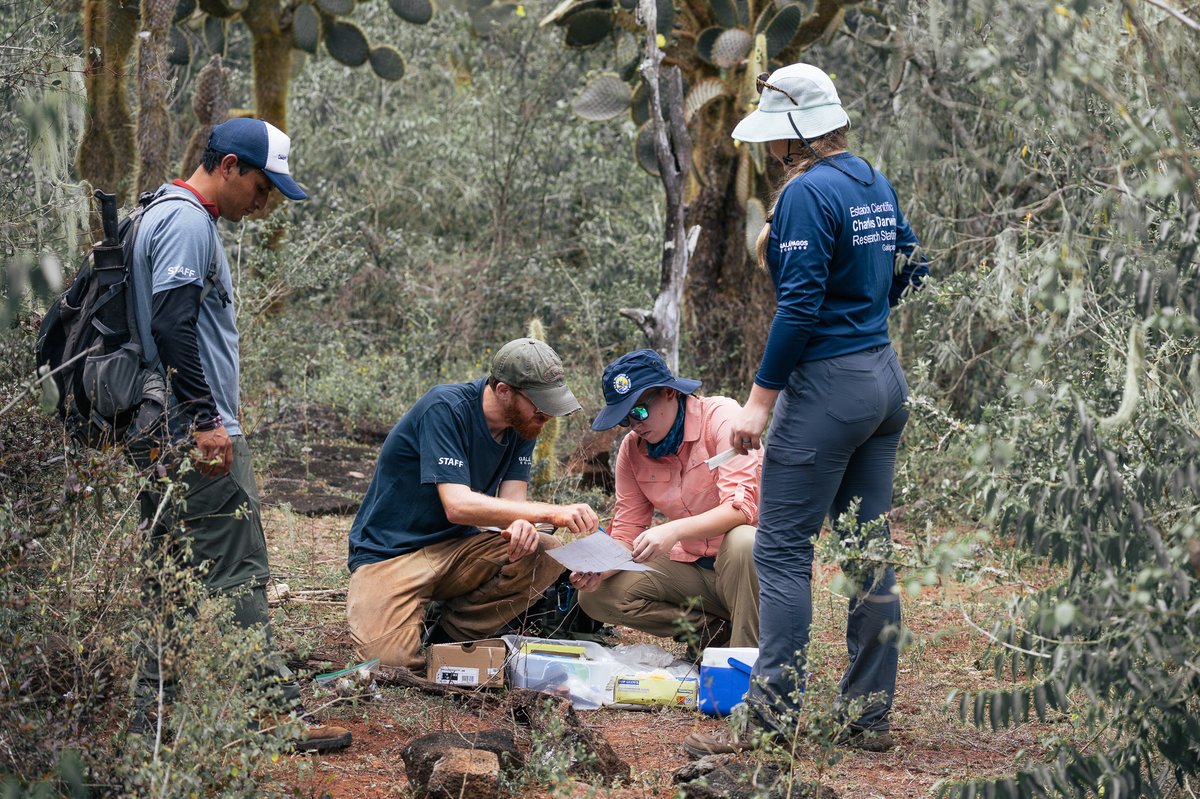
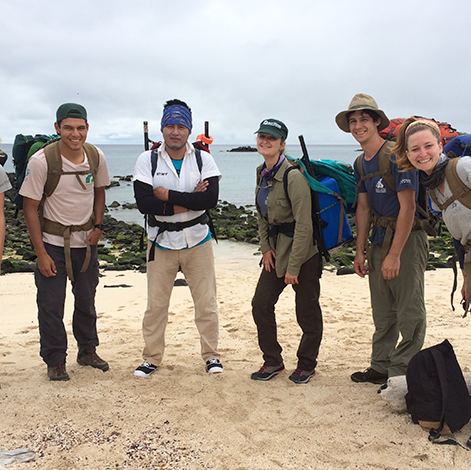
Have you ever thought about what you could do to help nature and people live in harmony? Environmental education offers a simple yet powerful answer. It acts as a bridge that connects learning with action, inspiring us to care for our planet through small steps that, when combined, lead to significant change.
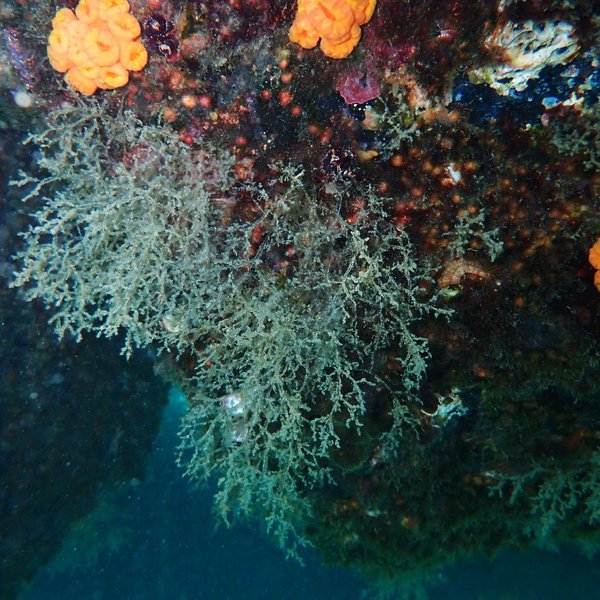
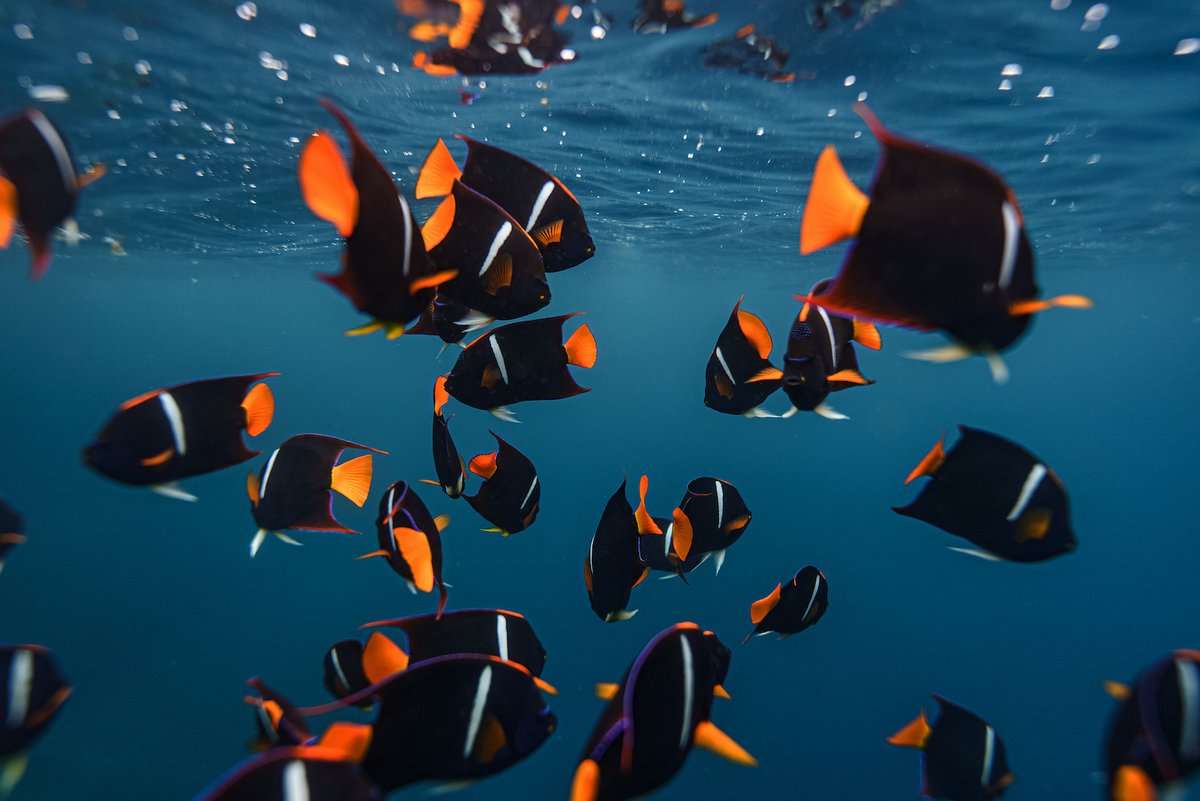
The introduction of alien species is arguably the most important driver of biodiversity loss for oceanic islands. Our work seeks to evaluate the effects of alien invasive species, climate change, and other anthropogenic pressures on the biodiversity of the Galapagos Marine Reserve and the Eastern Tropical Pacific in order to better sustain coastal communities and prevent marine species extinction.
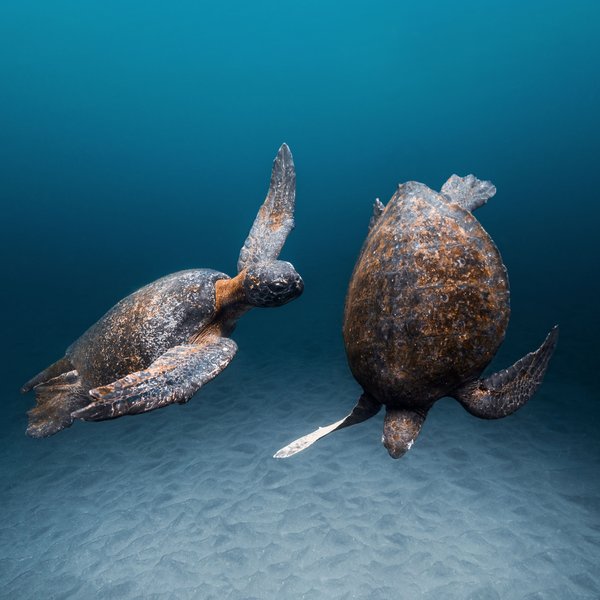
Important feeding and nesting sites for the endangered East Pacific green turtle in Galapagos are increasingly threatened by tourism, marine traffic and climate change. Our research is helping to identify the key areas where sea turtles are most vulnerable, and to develop solutions to protect them in the long term.
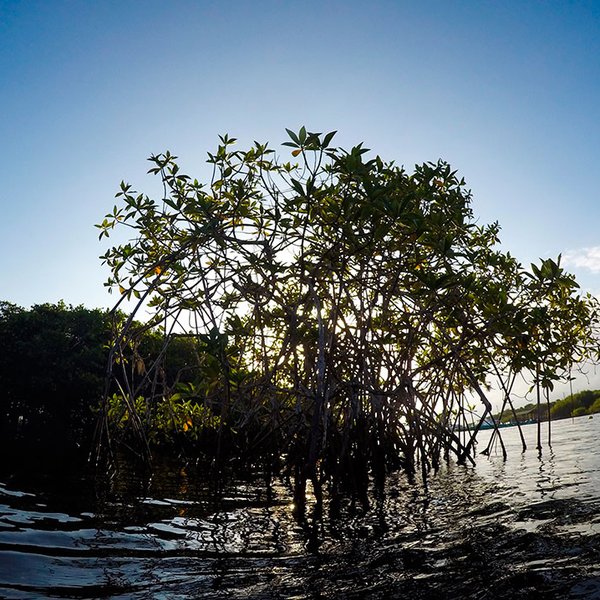
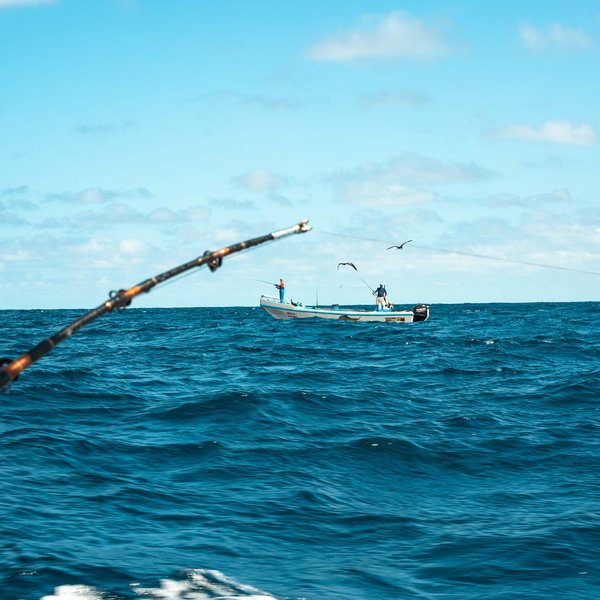
Discover how Galápagos waters fuel Ecuador’s economy and fight climate change. A groundbreaking study by CDF and partners reveals the immense value of marine ecosystems—from carbon-storing mangroves to booming tourism and fishing industries. Learn why protecting these waters is essential for sustainable development and global conservation efforts.
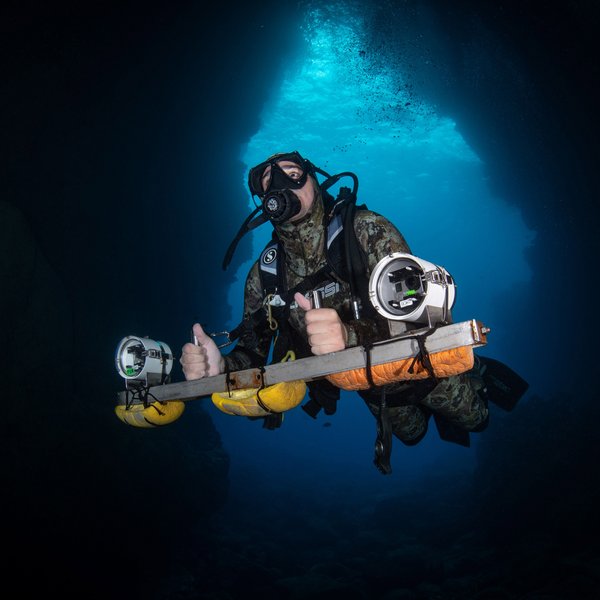
Sharks have thrived on our planet for over 400 million years. Yet overfishing has drastically reduced global shark populations, with many shark species now threatened with extinction. Our scientific work seeks to inform conservation measures, so sharks are better protected in Galapagos and the Eastern Tropical Pacific.
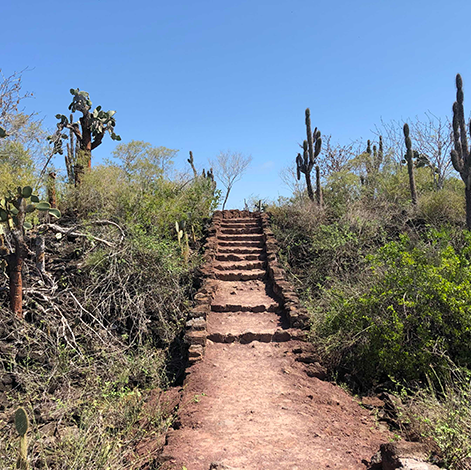
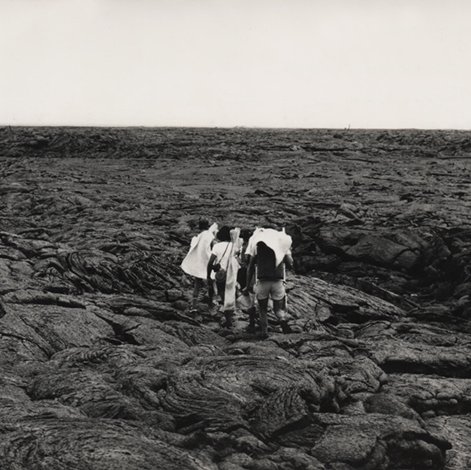
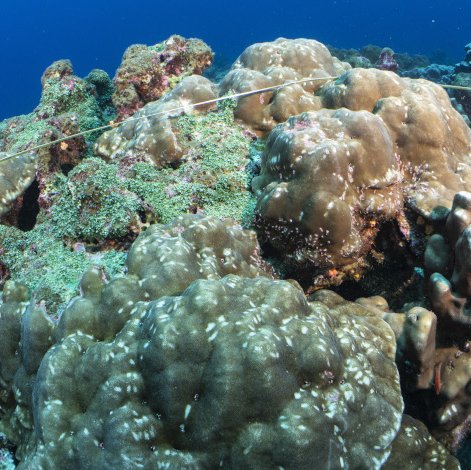
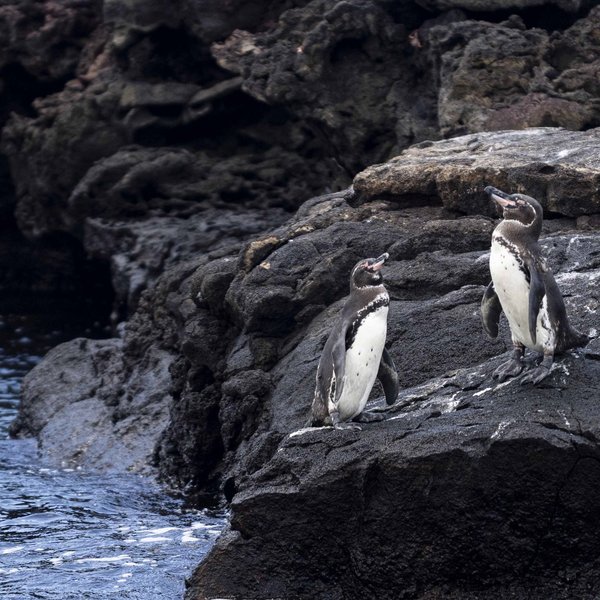
Galapagos penguins, flightless cormorants, waved albatross, and flamingos are among the most iconic birds in Galapagos. Yet, these sentinel species are all classified as threatened on the International Union for Conservation of Nature’s Red List, and face continued risk of population decline.
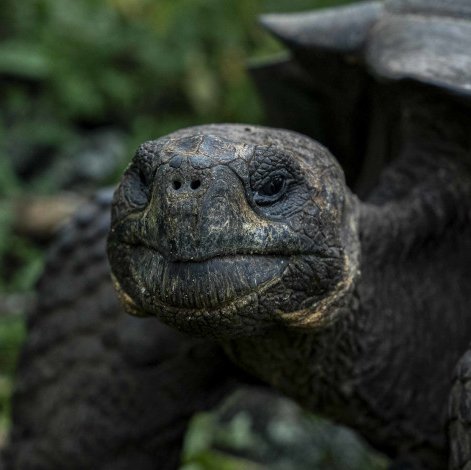
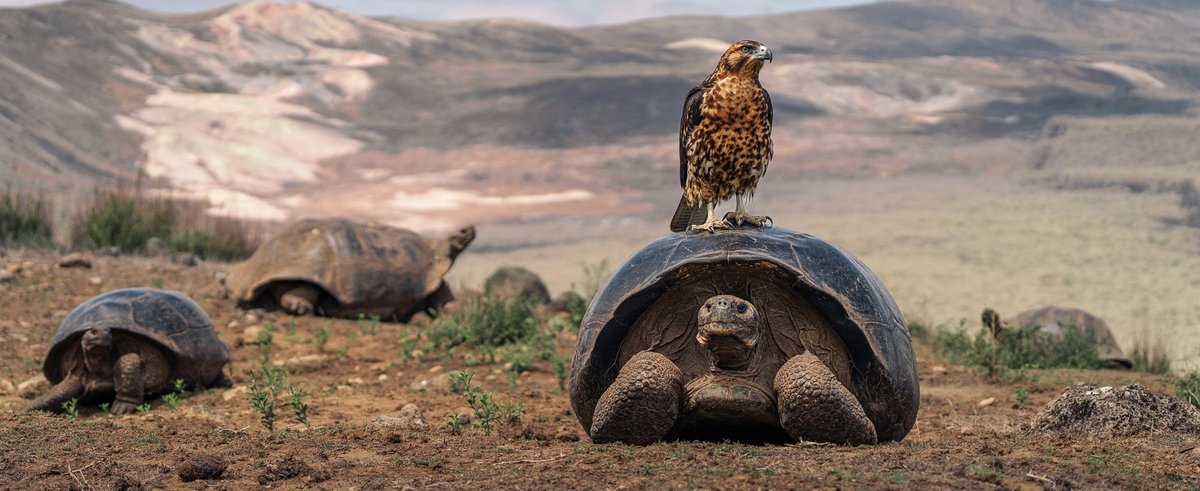
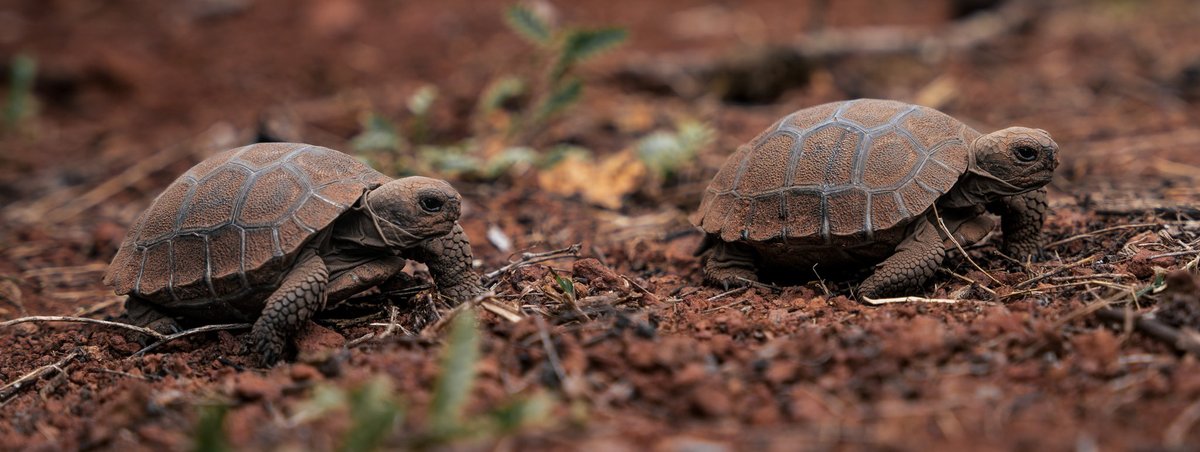
Two groundbreaking studies led by Stephen Blake, Ph.D., assistant professor of biology at Saint Louis University and Sharon L. Deem, DVM, Director of Saint Louis Zoo Institute for Conservation Medicine, in collaboration with the Charles Darwin Foundation (CDF) and teams of multidisciplinary scientists shed light on crucial aspects of the conservation of two critically endangered giant tortoise species endemic to the Island of Santa Cruz, Chelonoidis porteri and Chelonoidis donfaustoi. Both studies offer valuable insights into the challenges these emblematic species face and the strategies needed to ensure their survival in the face of potential future habitat alteration and climate change.
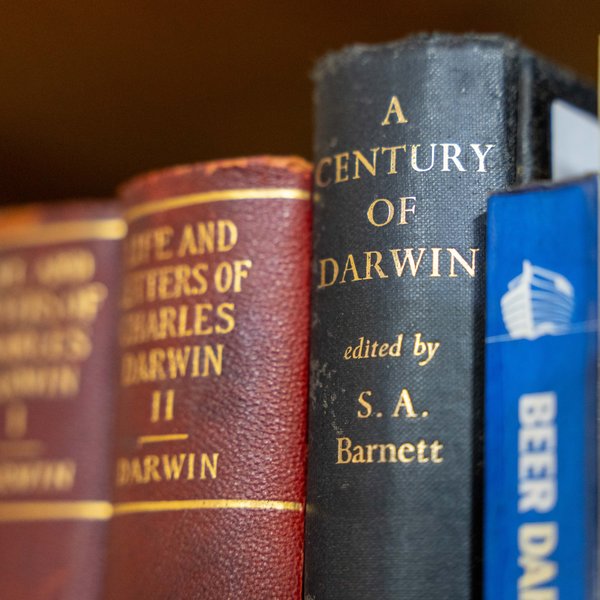
The G.T. Corley Smith Library at the Charles Darwin Foundation holds the world’s most comprehensive collection of publications on the Galápagos Islands. Its “Galápagos Collection” includes both scientific and grey literature, making it an invaluable resource for research and conservation. A digitization effort is underway to expand global access to this knowledge.
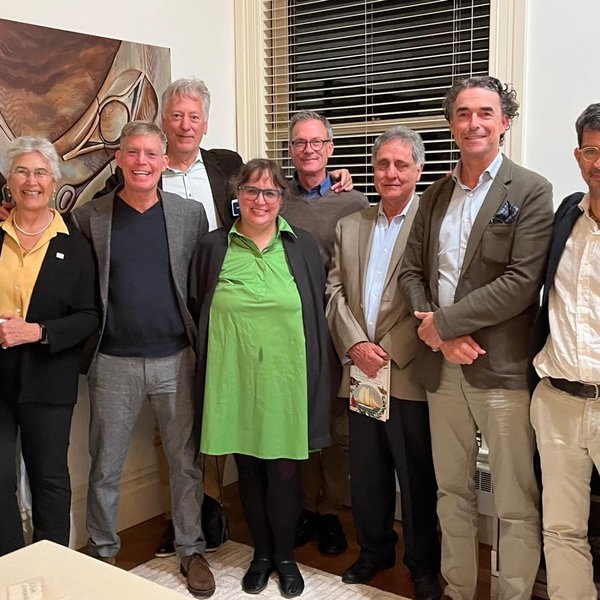
The Board of the Charles Darwin Foundation for the Galapagos Islands (“CDF”) is pleased to announce the appointment of Lúcia G. Lohmann, Andrew Balfour, and Mary C. Pearl to its Board of Directors, with immediate effect. Each new member brings unique expertise and a deep commitment to CDF’s mission of safeguarding the Galapagos Islands through science and conservation.
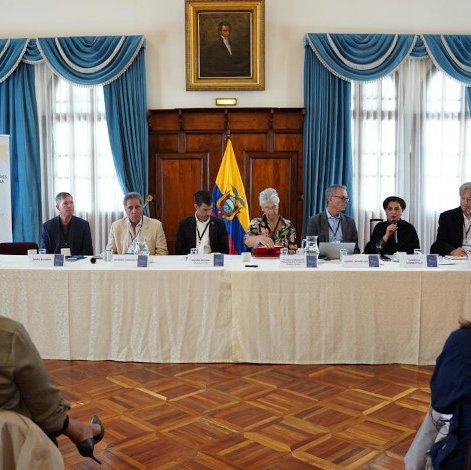
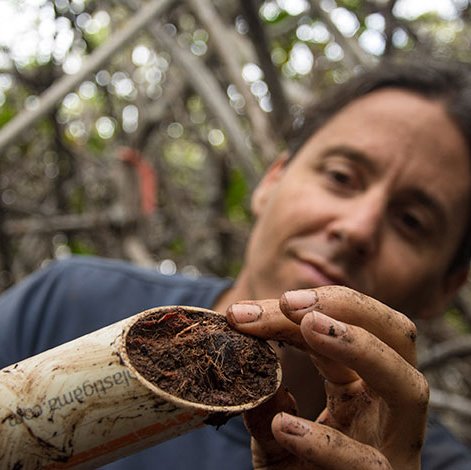
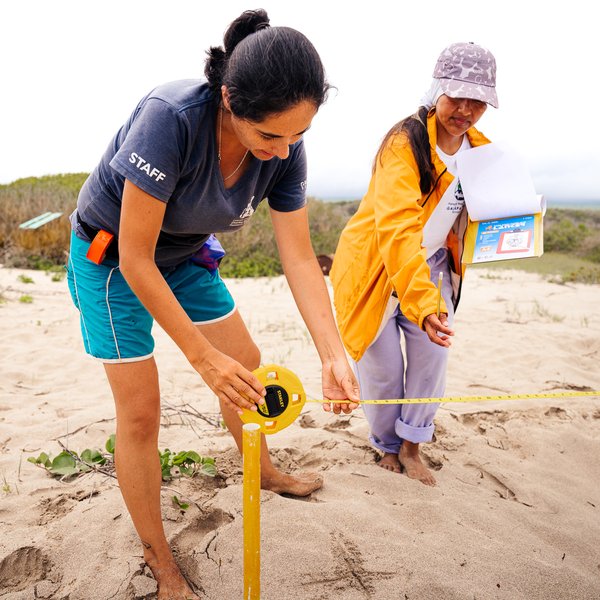
On February 11, we celebrate the International Day of Women and Girls in Science, a day to recognize the importance of strengthening female participation in science, especially in places like the Galapagos Islands. This archipelago, iconic for global conservation, has become a living laboratory where women and men work together to protect this unique ecosystem. The women of Galapagos, with their talent and dedication, demonstrate that conservation is stronger when everyone joins forces.
On February 11, we celebrate the International Day of Women and Girls in Science, a day to recognize the importance of strengthening female participation in science, especially in places like the Galapagos Islands. This archipelago, iconic for global conservation, has become a living laboratory where women and men work together to protect this unique ecosystem. The women of Galapagos, with their talent and dedication, demonstrate that conservation is stronger when everyone joins forces.