Results
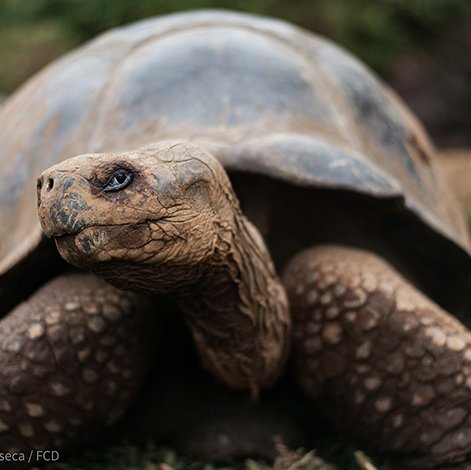
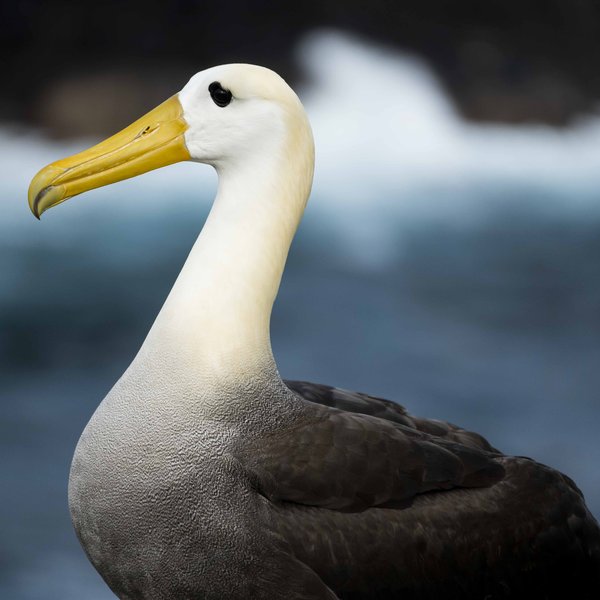
Possibly best known for its remoteness, giant tortoises and links with Charles Darwin, the Galápagos Islands—600 miles off the Ecuadorian coast—are also home with the magnificent Waved Albatross (Phoebastria irrorate), a huge bird that nests there and raises its young during nine months of the year. The largest bird in the Islands, it is the only albatross that lives in the tropics.
Floreana Island’s past is a gripping tale of utopian dreams undone by invasive species that devastated its wildlife and community. Today, its residents are leading one of the world’s most ambitious restoration efforts—reviving ecosystems, returning lost species, and reshaping their future. Discover the real drama behind Eden and Floreana’s remarkable comeback.
A scientific delegation from the Charles Darwin Foundation for the Galapagos Islands participated in the 12th annual meeting of the Commission of the South Pacific Regional Fisheries Management Organization (SPRFMO), which took place in Manta, Ecuador, between 29 January – 2 February 2024.
In an interview, renowned Galapagos volcanologist Dennis Geist tells us a bit more about the 2024 eruption and volcanic activity in Galapagos.
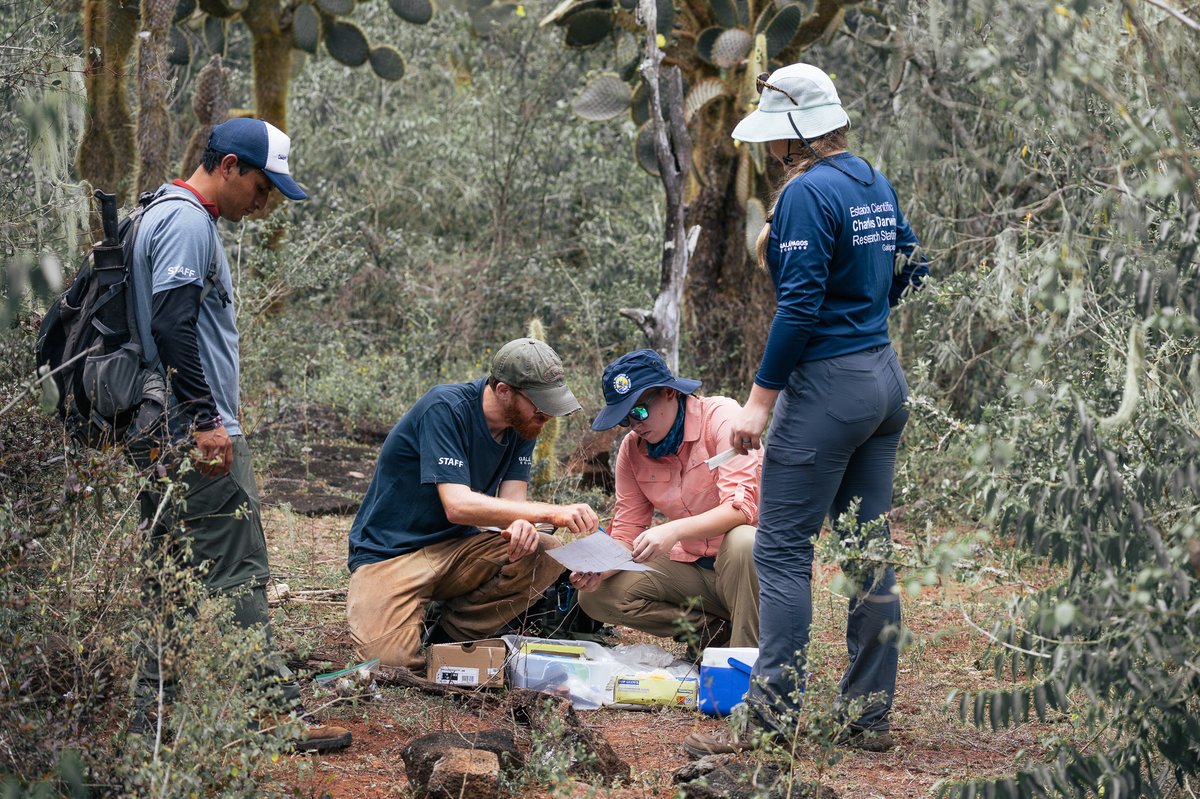
Find our the latest ecological restoration milestones of CDF's Galapagos Verde 2050 team in Floreana Island and how it is contributig to...
In November 2020, I joined the Galapagos Verde 2050 (GV2050) team during an exciting time. The team had just returned from an expedition to Punta Manzanillo on Española Island, where they had rediscovered a small population of Lecocarpus lecocarpoides, a species thought to be locally extinct. With 50 precious seeds collected, I was given a mission: to use these seeds to help recover the only population of this endangered species on the island.
Habla Tiburón is a project that aims to improve the long-term health of shark and ray populations in Ecuadorian waters while empowering fishing communities.
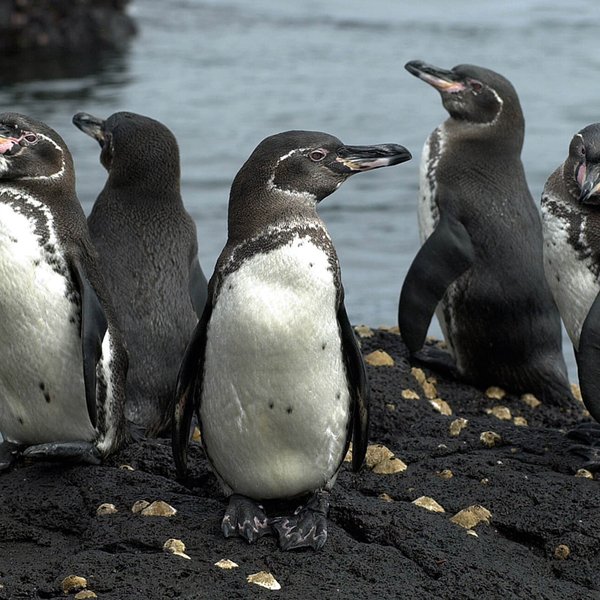
Galapagos penguins, flightless cormorants, waved albatross, and flamingos are among the most iconic birds in Galapagos. Yet, these sentinel species are all classified as threatened on the International Union for Conservation of Nature’s Red List, and face continued risk of population decline.
Ecologically, the ocean is one interconnected system. Yet international law has divided it into arbitrary maritime zones based on geopolitical interests. Our research seeks to improve transnational ocean governance and conservation outcomes in the Eastern Tropical Pacific, through collaboration with scientists, academics, practitioners, and decision-makers.