Results
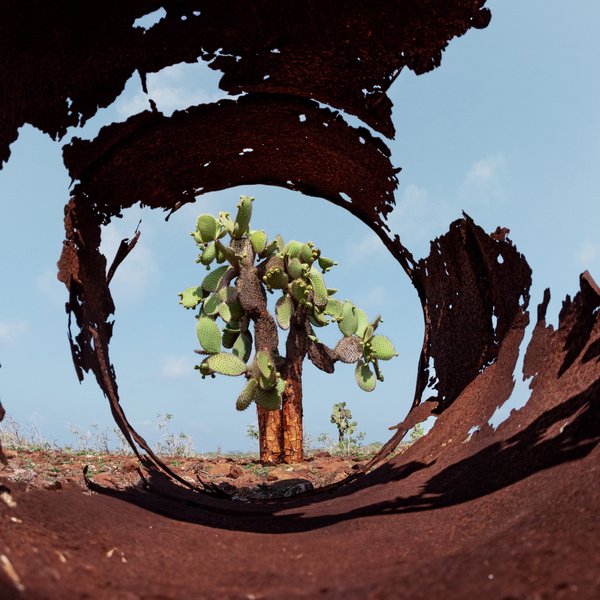
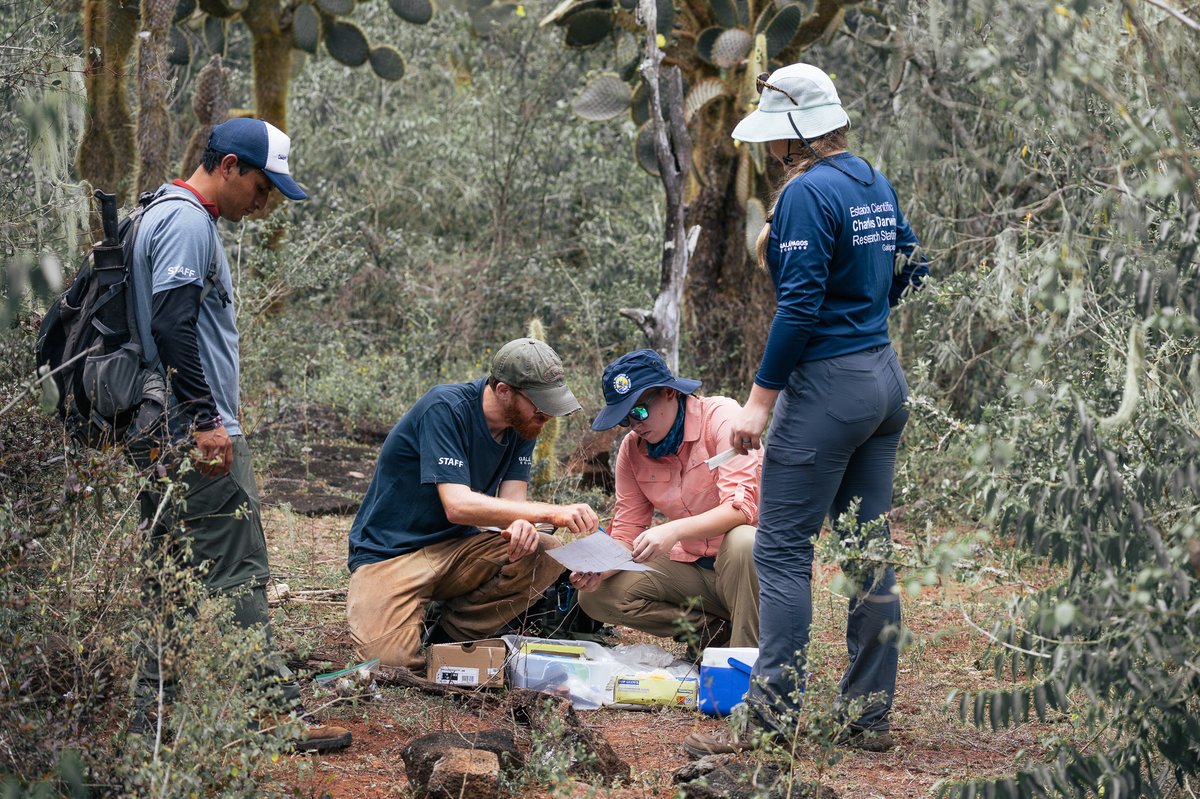
In Galapagos, 83% of the landmass falls within the arid zone. Restoring plant communities in this zone is challenging and slow, and natural regeneration in severely degraded areas is very limiting. Our scientists work to restore the arid habitat across various islands in the archipelago, notably Baltra Island, which has undergone significant human alteration, and special use sites such as garbage dumps and quarries on inhabited islands.
In Galapagos, 83% of the landmass falls within the arid zone. Restoring plant communities in this zone is challenging and slow, and natural regeneration in severely degraded areas is very limiting. Our scientists work to restore the arid habitat across various islands in the archipelago, notably Baltra Island, which has undergone significant human alteration, and special use sites such as garbage dumps and quarries on inhabited islands.
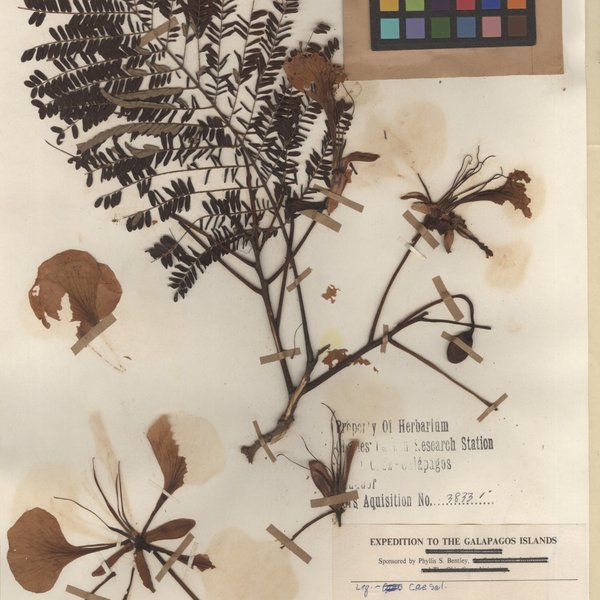
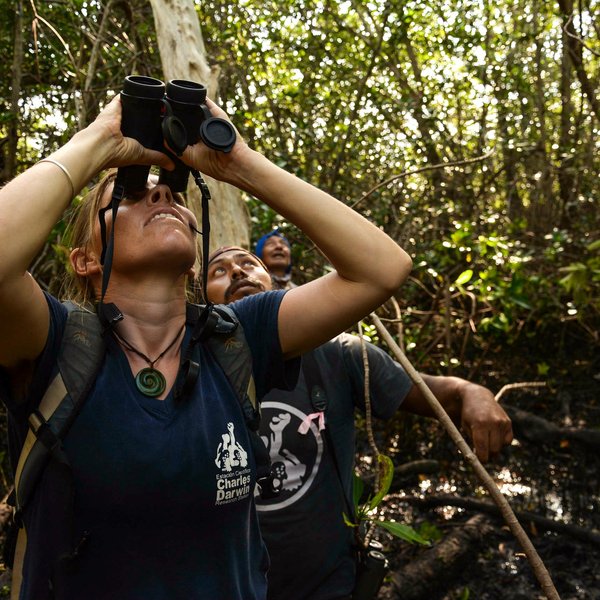
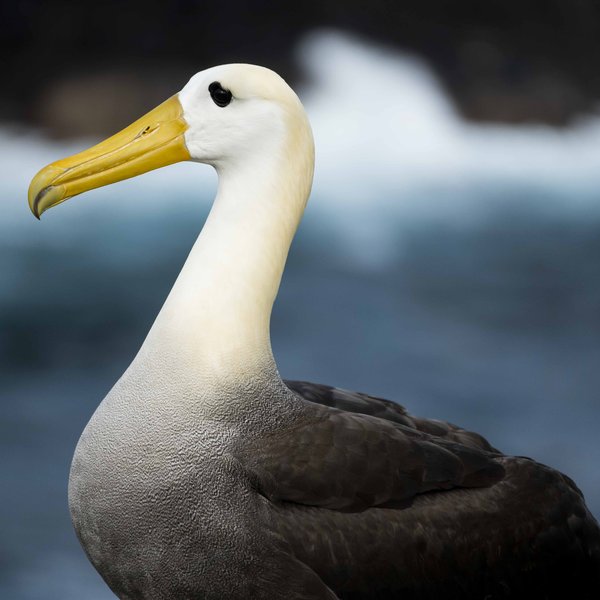
It is estimated that 20% of the populations of small landbirds found on the Galapagos Islands are declining or have gone locally extinct. Our scientists work to ensure the long-term conservation of small Galapagos landbird populations for the health of the islands’ ecosystems at large.
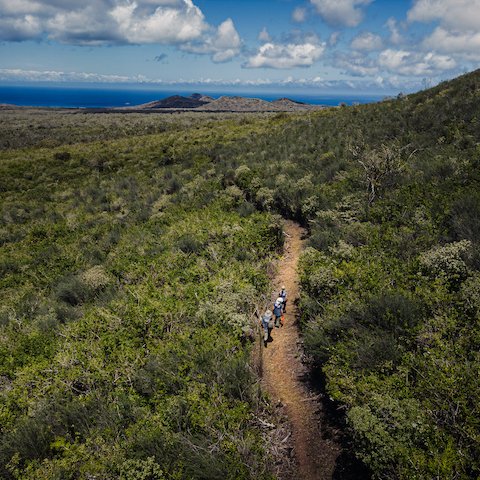
Floreana Island’s past is a gripping tale of utopian dreams undone by invasive species that devastated its wildlife and community. Today, its residents are leading one of the world’s most ambitious restoration efforts—reviving ecosystems, returning lost species, and reshaping their future. Discover the real drama behind Eden and Floreana’s remarkable comeback.