Results
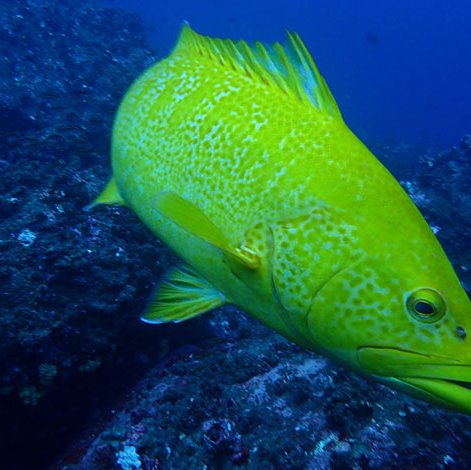
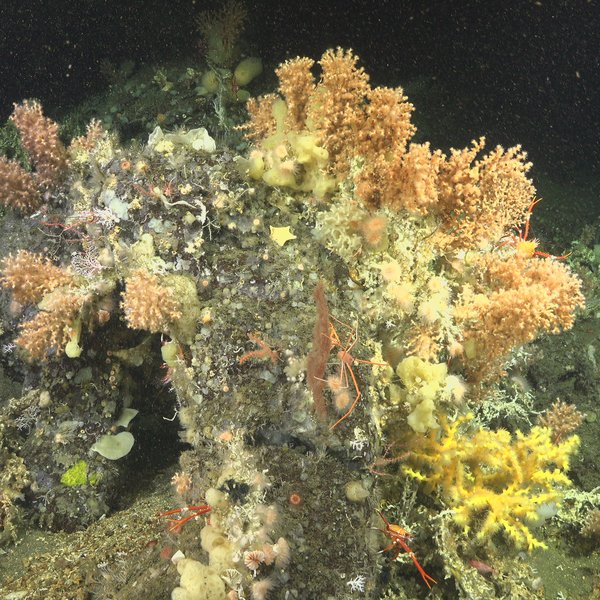
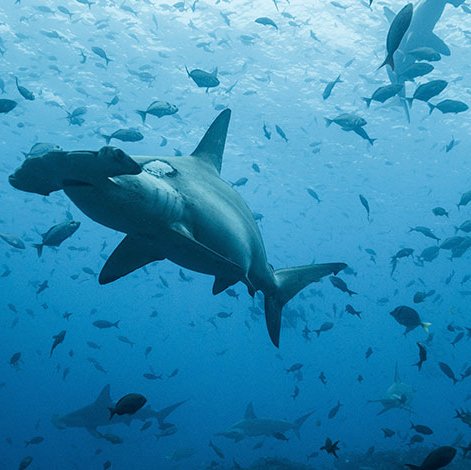
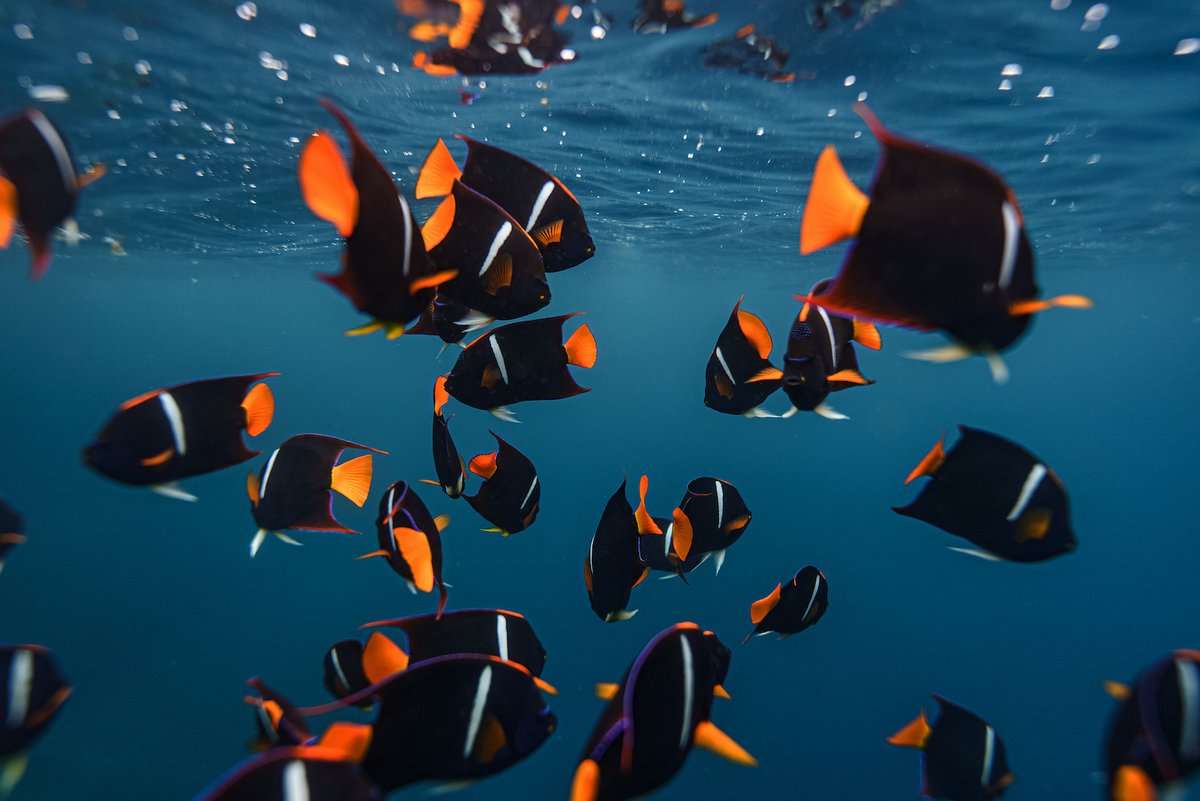
Scientists have uncovered a hidden collapse of Galápagos deep-sea corals, revealing a 1,000-year disappearance linked to ancient climate shifts. By reconstructing 117,000 years of ocean history, the study exposes the vulnerability—and resilience—of these unseen ecosystems, offering urgent insights into how climate change could reshape life in the deep ocean.
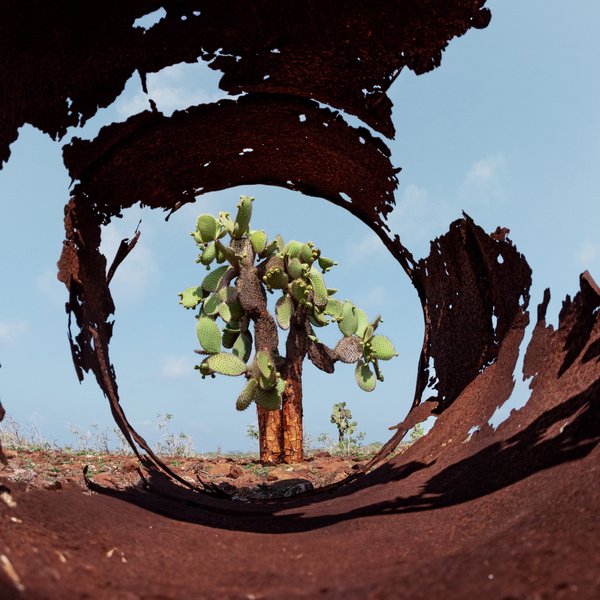
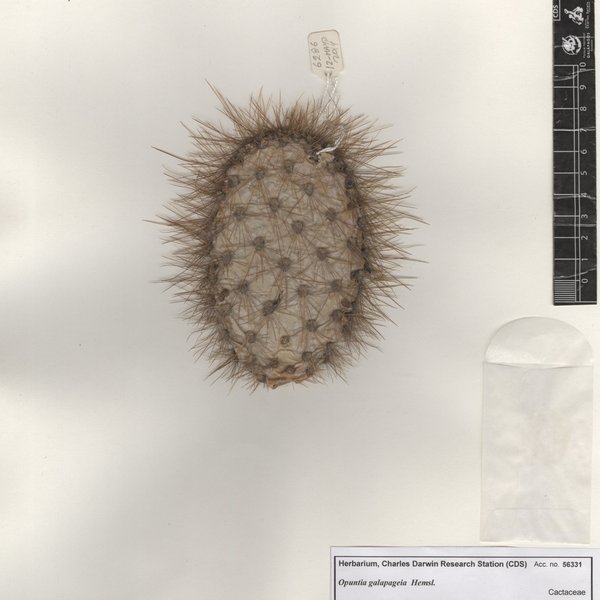
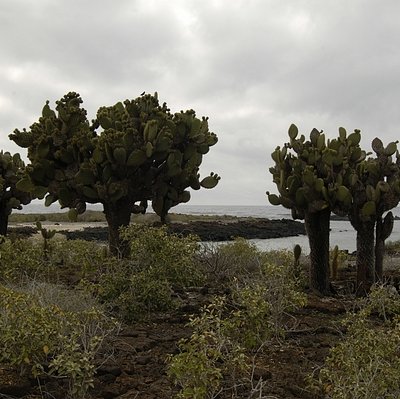
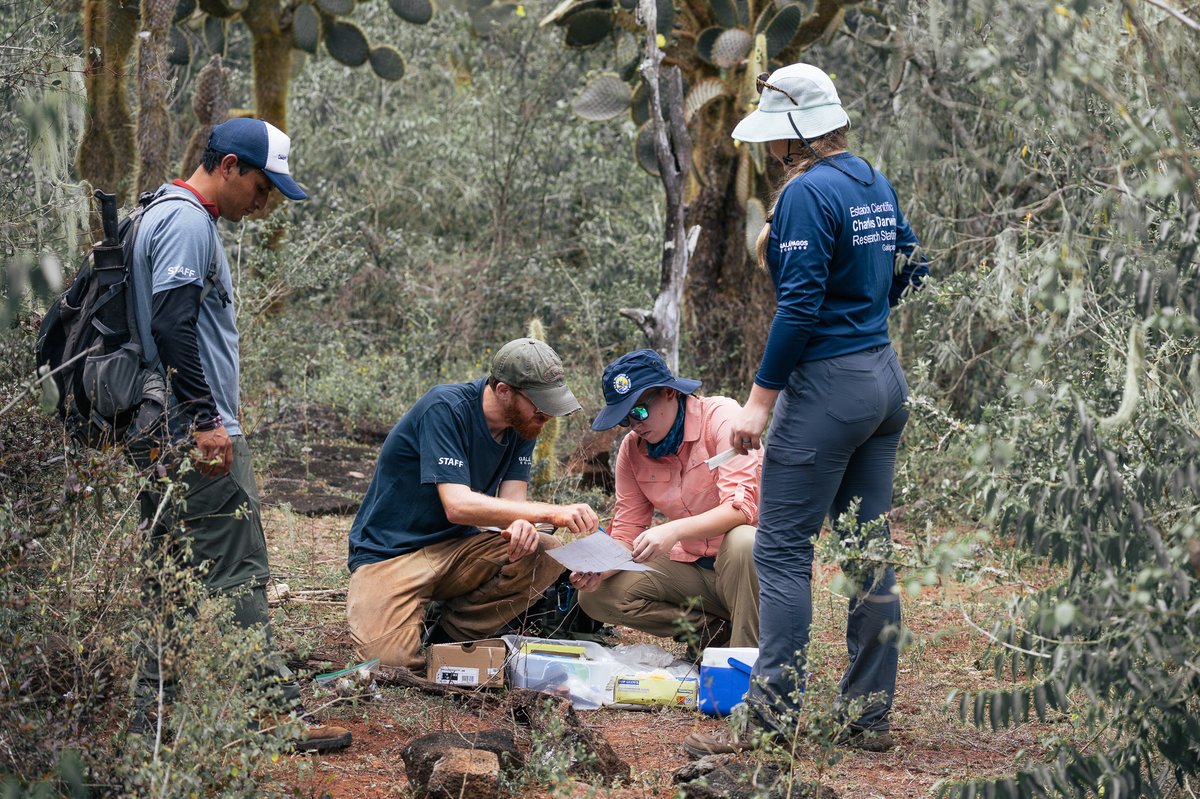
In Galapagos, 83% of the landmass falls within the arid zone. Restoring plant communities in this zone is challenging and slow, and natural regeneration in severely degraded areas is very limiting. Our scientists work to restore the arid habitat across various islands in the archipelago, notably Baltra Island, which has undergone significant human alteration, and special use sites such as garbage dumps and quarries on inhabited islands.
In Galapagos, 83% of the landmass falls within the arid zone. Restoring plant communities in this zone is challenging and slow, and natural regeneration in severely degraded areas is very limiting. Our scientists work to restore the arid habitat across various islands in the archipelago, notably Baltra Island, which has undergone significant human alteration, and special use sites such as garbage dumps and quarries on inhabited islands.