Results
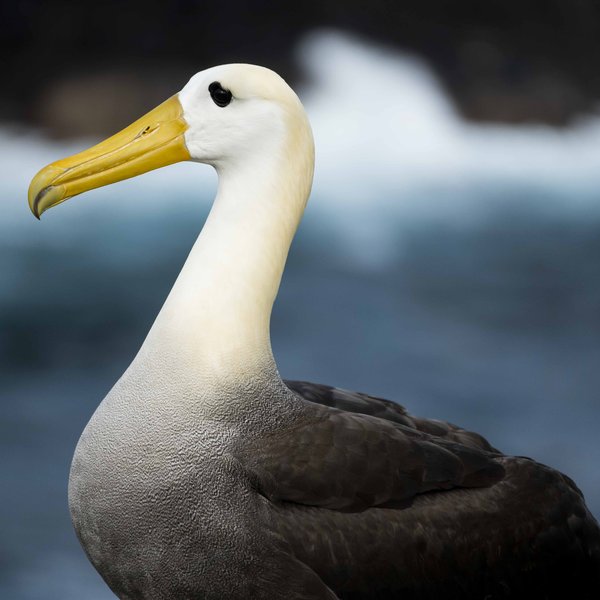
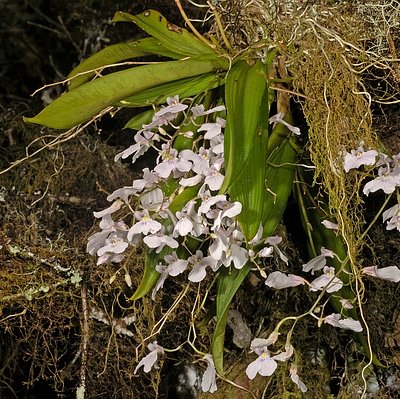
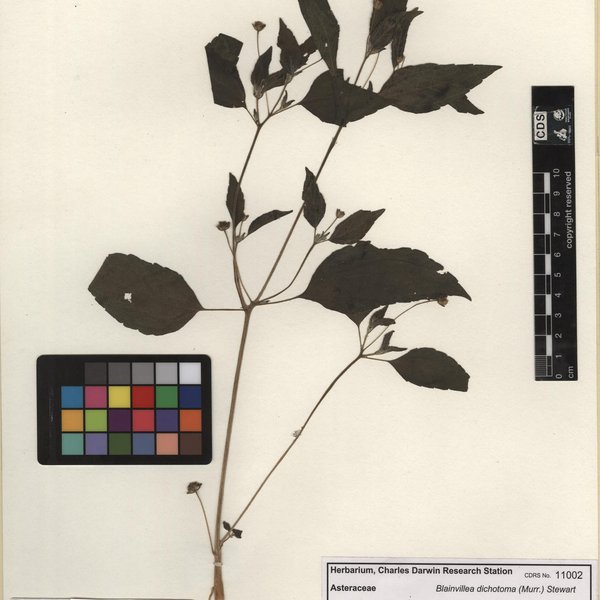
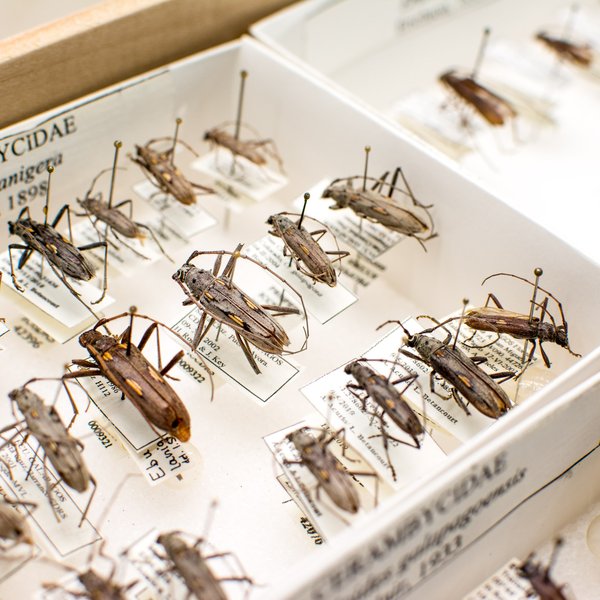
The Charles Darwin Research Station is home to the largest Natural History Collections of endemic, native and introduced species of the Galapagos Islands in Ecuador. It is also one of the largest in the world with over 135,000 specimens from more than 7,500 species.
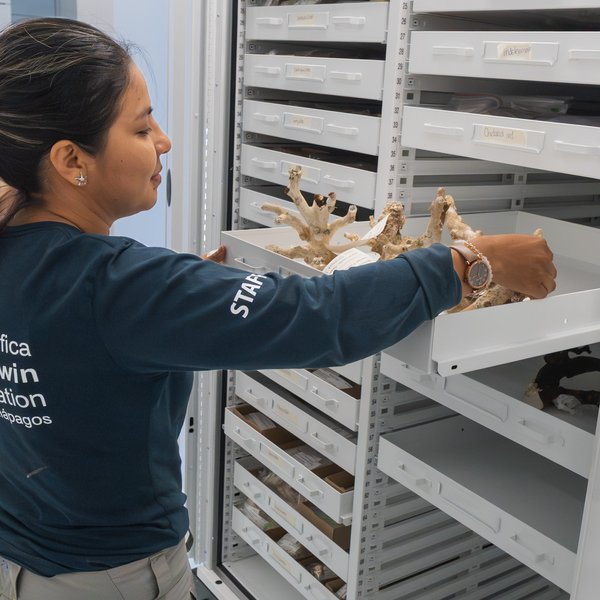
The Charles Darwin Foundation is home to the largest Natural History Collections of endemic, native and introduced species of Galapagos in Ecuador, with more than 135,000 specimens and 7,500 species across four Collections: Marine, Vertebrate, Terrestrial Invertebrate and a Herbarium.
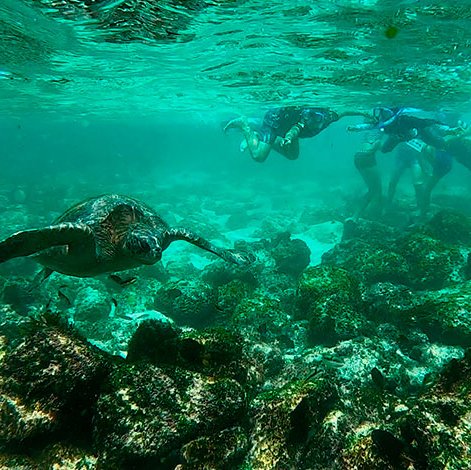

Wolf, Kup, and Pinta are three detection dogs donated by the Charles Darwin Foundation to Ecuador’s National Police to strengthen efforts against illegal trafficking of protected species in Galápagos. Trained to detect biological material, these dogs represent an innovative conservation and control tool for safeguarding the archipelago’s biodiversity.
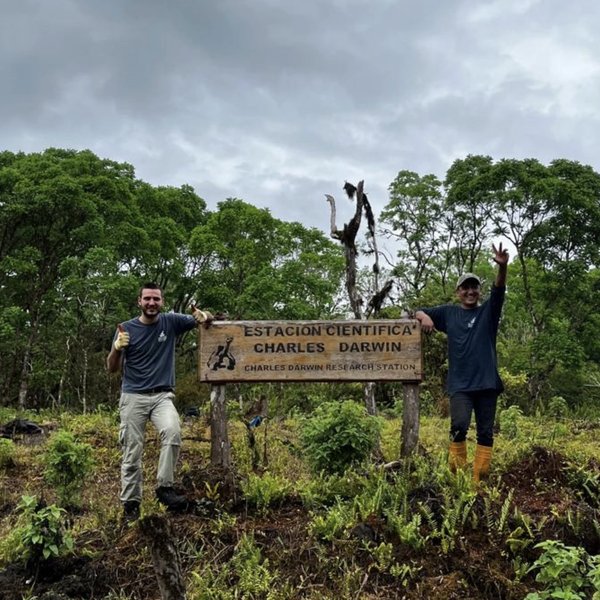
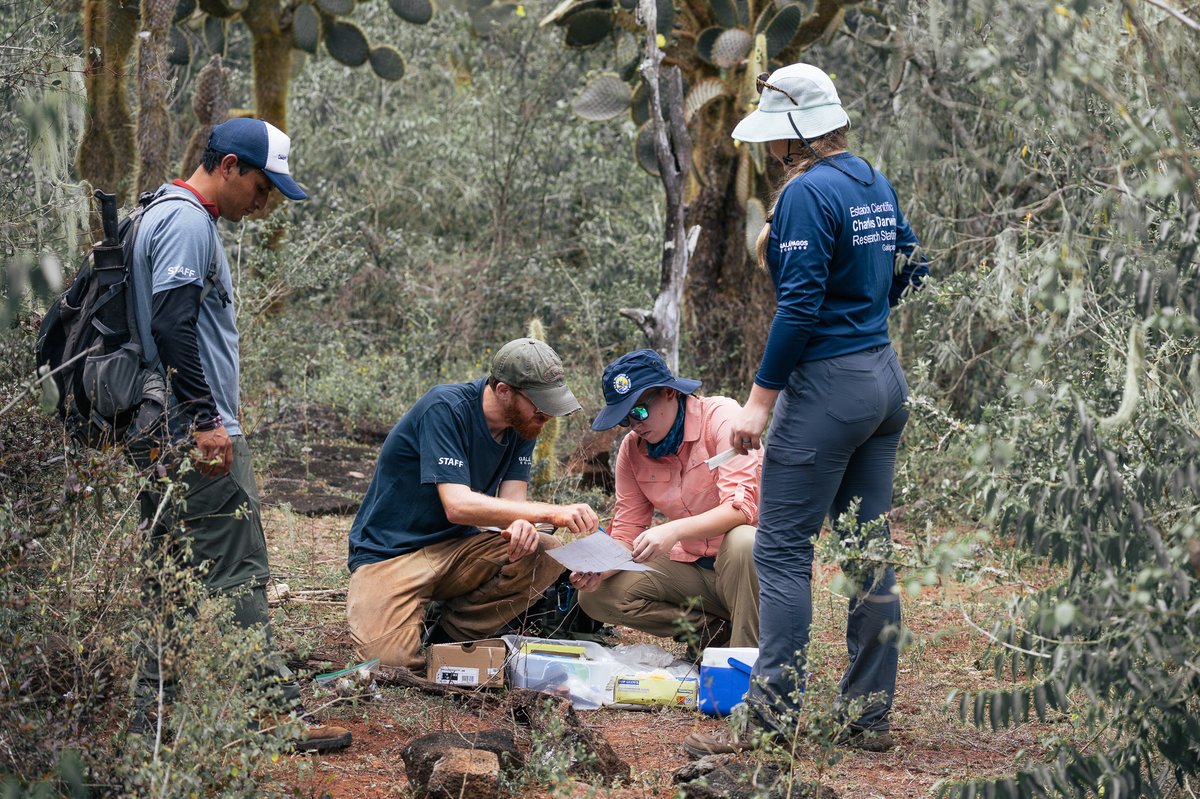
A volunteer’s journey helping restore the endangered Scalesia cordata forests of Isabela through science, fieldwork, and community collaboration.
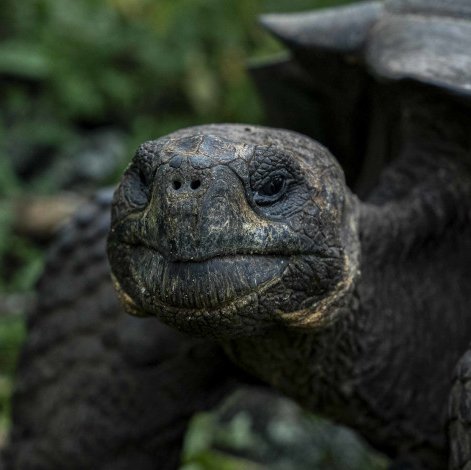
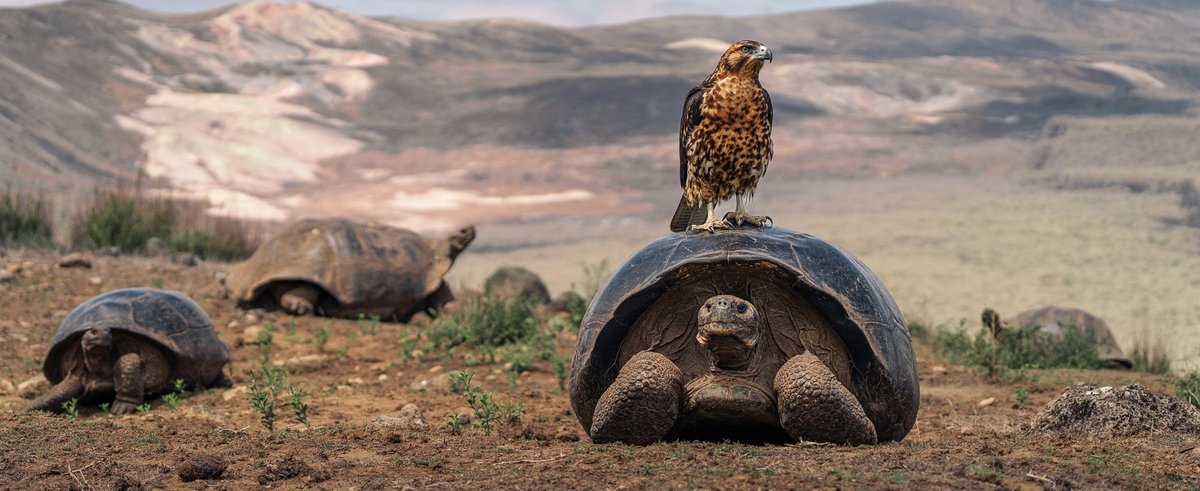
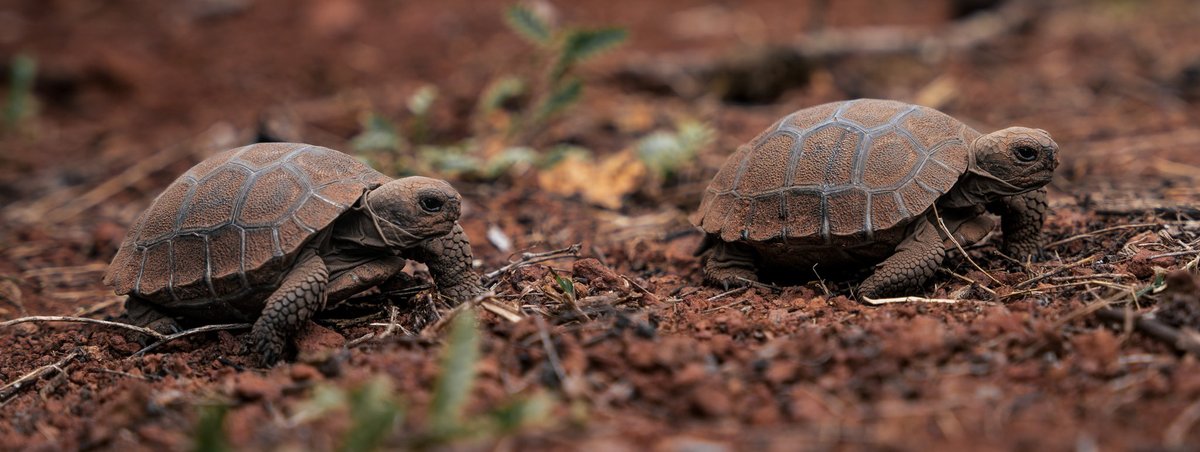
Two groundbreaking studies led by Stephen Blake, Ph.D., assistant professor of biology at Saint Louis University and Sharon L. Deem, DVM, Director of Saint Louis Zoo Institute for Conservation Medicine, in collaboration with the Charles Darwin Foundation (CDF) and teams of multidisciplinary scientists shed light on crucial aspects of the conservation of two critically endangered giant tortoise species endemic to the Island of Santa Cruz, Chelonoidis porteri and Chelonoidis donfaustoi. Both studies offer valuable insights into the challenges these emblematic species face and the strategies needed to ensure their survival in the face of potential future habitat alteration and climate change.

For the first time in Galápagos, researchers established 24 mesocosms that simulate natural ponds to study freshwater ecosystems. The experiment examines how nutrients provided by giant tortoises can alter water conditions and how these changes relate to the development of tadpoles of the archipelago’s only introduced tree frog Scinax quinquefasciatus.
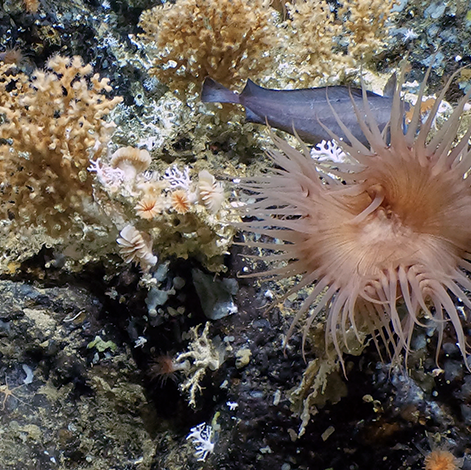
Scientists have discovered extensive, ancient deep-sea coral reefs within the Galápagos Marine Reserve (GMR) – the first of their kind ever to be documented inside the marine protected area (MPA) since it was established in 1998. The first reef observed was found at 400-600m (1,310-1,970 feet) depth at the summit of a previously unmapped seamount in the central part of the archipelago and supports a breathtaking mix of deep marine life.