Results
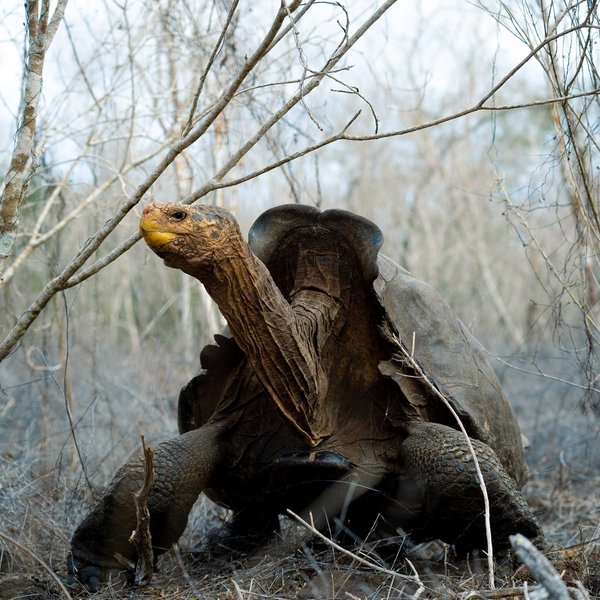
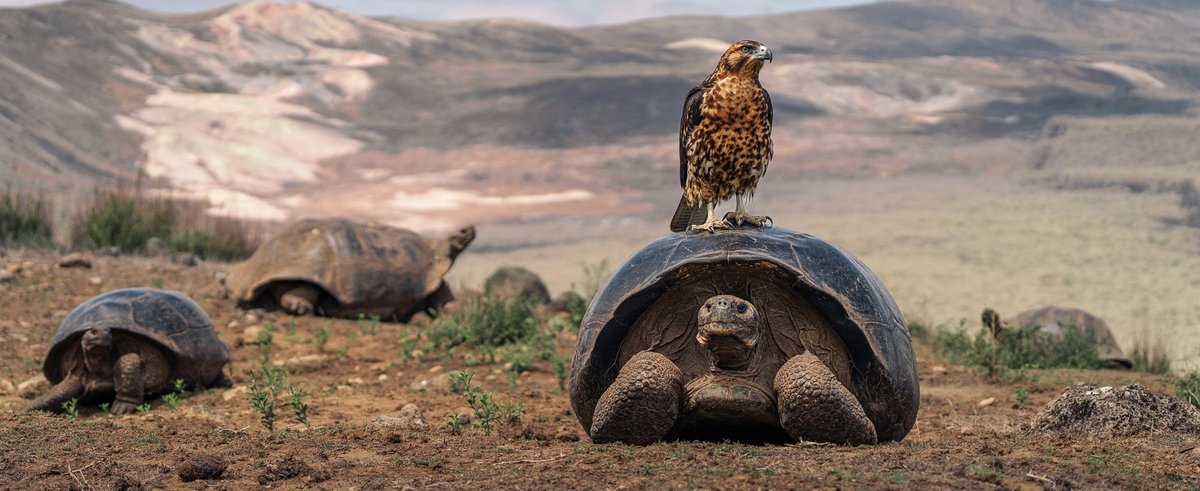
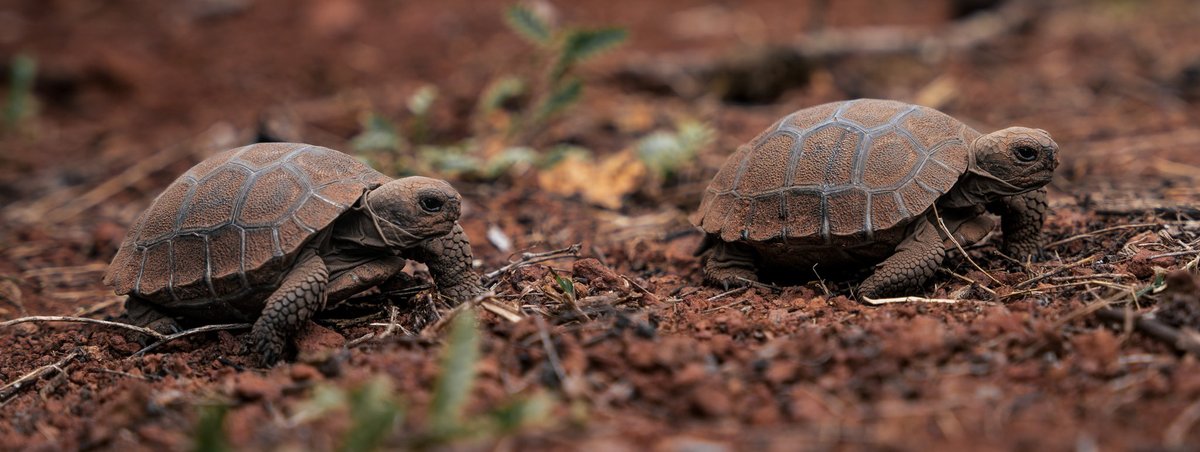
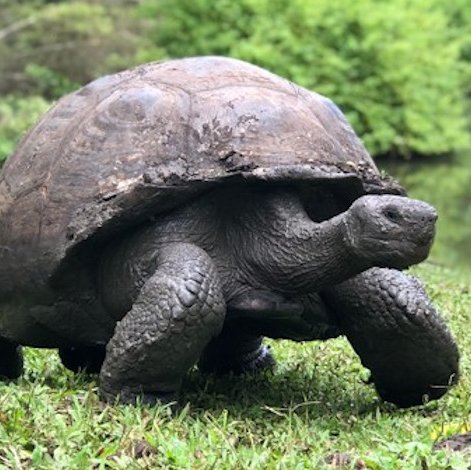
Giant tortoises are emblems of Galapagos. They are critical ecosystem engineers and they are also important for the local economy. Yet all 12 species of Galapagos Giant Tortoises are of conservation concern. Our work focuses on conserving these gentle giants through research and education.
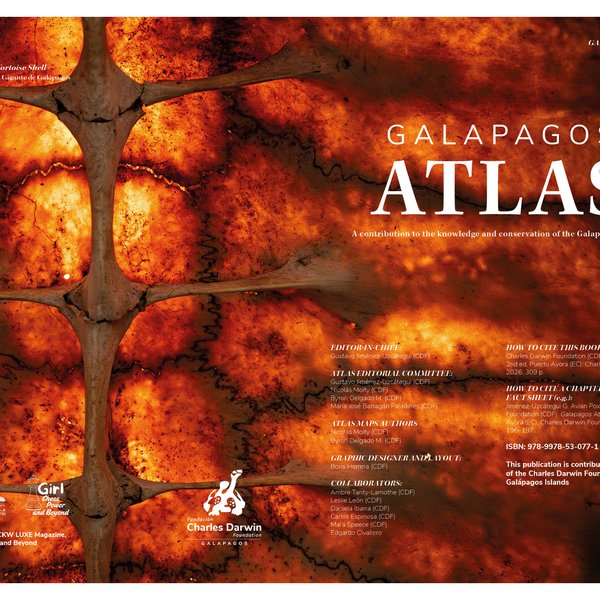
The new Galápagos Atlas 2026 offers a 309-page look at 68 species and species groups, combining purpose-built distribution maps with something rarely found in a reference guide: a clear record of what scientists still don’t know. Free to explore online, it highlights critical knowledge gaps and invites future research to strengthen conservation.
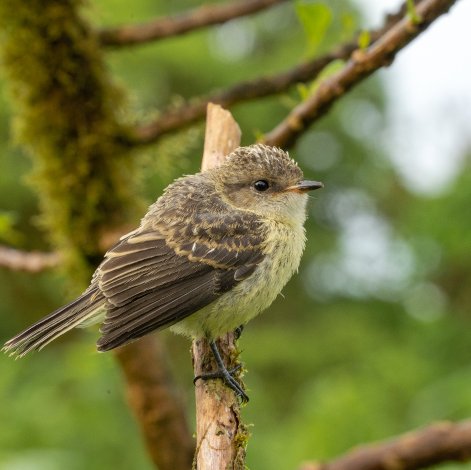
October 3, 2023, marks the beginning of the implementation phase of the Floreana Ecological Restoration Project, the largest and most ambitious restoration initiative currently underway in the Galapagos Islands.
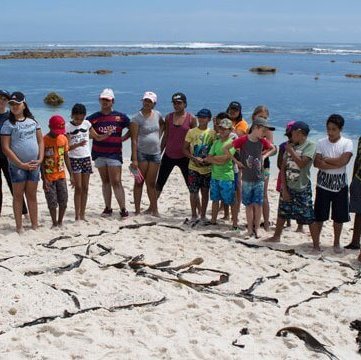
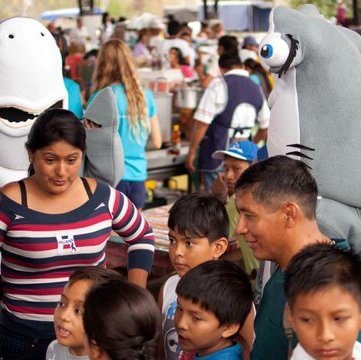
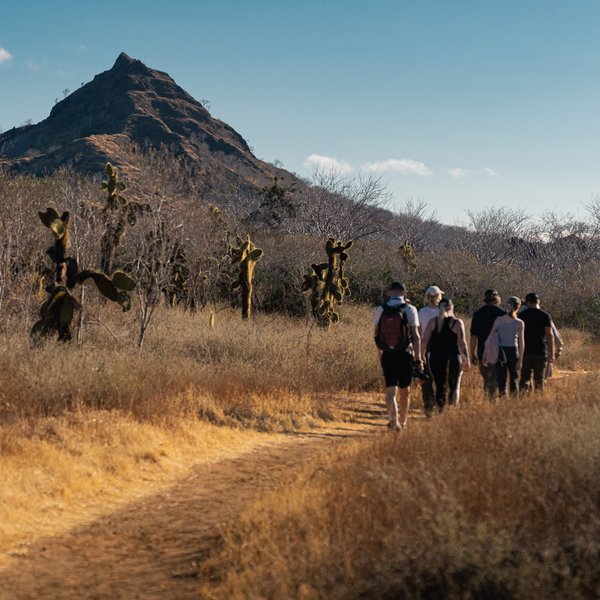
While the Galapagos Islands remain one of the best-conserved destinations in the world, they are faced with numerous challenges that are derived from growth in tourism and local population. The Charles Darwin Foundation is investigating how sustainable practices across multiple sectors such as urban planning and energy can mitigate these impacts while enhancing local community well-being through the health of the islands' socio-ecosystems.
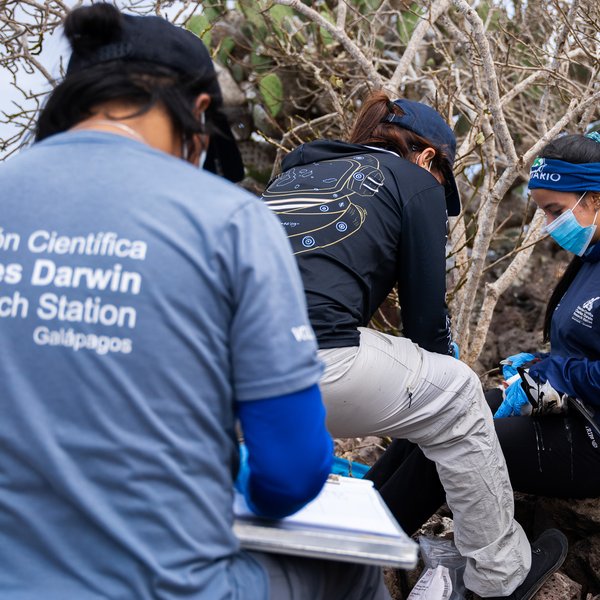
The Marine Bird Conservation Program combines science and passion to protect one of the rarest penguin species on Earth. By studying population trends, survival rates, and behavior, researchers at the Charles Darwin Foundation (CDF) use innovative methods like photo identification and PIT-tags to monitor individuals with minimal disturbance. This research not only deepens our understanding of these endangered birds but also highlights their role as indicators of marine ecosystem health. With fewer than 2,000 individuals left, urgent conservation actions are needed. Join the effort—adopt a penguin and support their protection!
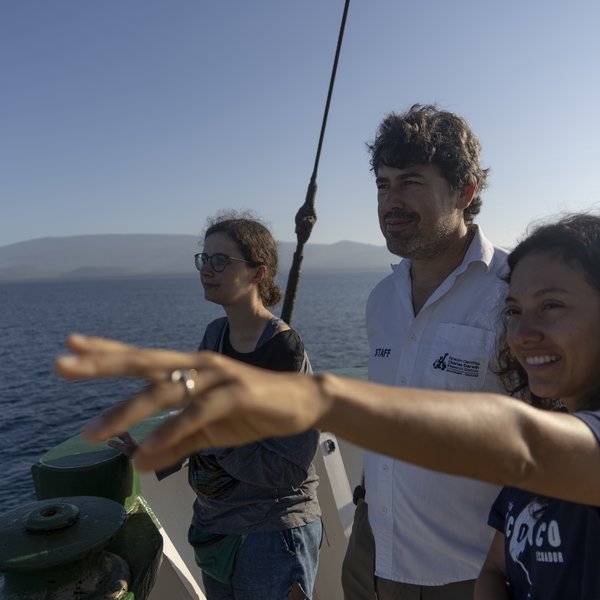
18 NGOs and civil society organisations have today published a statement calling for the governments of Ecuador, Costa Rica, Colombia and Panama to ratify the UN High Seas Treaty in order to accelerate the protection of the oceans.
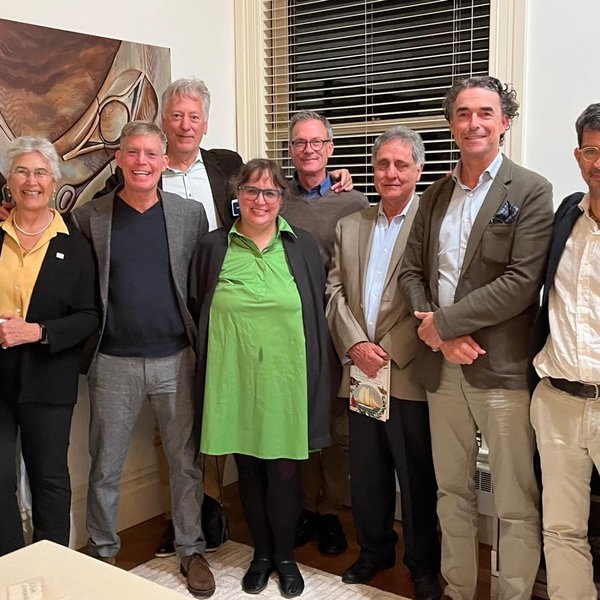
The Board of the Charles Darwin Foundation for the Galapagos Islands (“CDF”) is pleased to announce the appointment of Lúcia G. Lohmann, Andrew Balfour, and Mary C. Pearl to its Board of Directors, with immediate effect. Each new member brings unique expertise and a deep commitment to CDF’s mission of safeguarding the Galapagos Islands through science and conservation.